Nguyen Van-Huy, Vu Cuong Manh, Choi Hyoung Jin, Kien Bui Xuan
Department for Management of Science and Technology Development, Ton Duc Thang University, Ho Chi Minh City 700000, Vietnam.
Faculty of Applied Sciences, Ton Duc Thang University, Ho Chi Minh City 700000, Vietnam.
Materials (Basel). 2019 Aug 23;12(17):2707. doi: 10.3390/ma12172707.
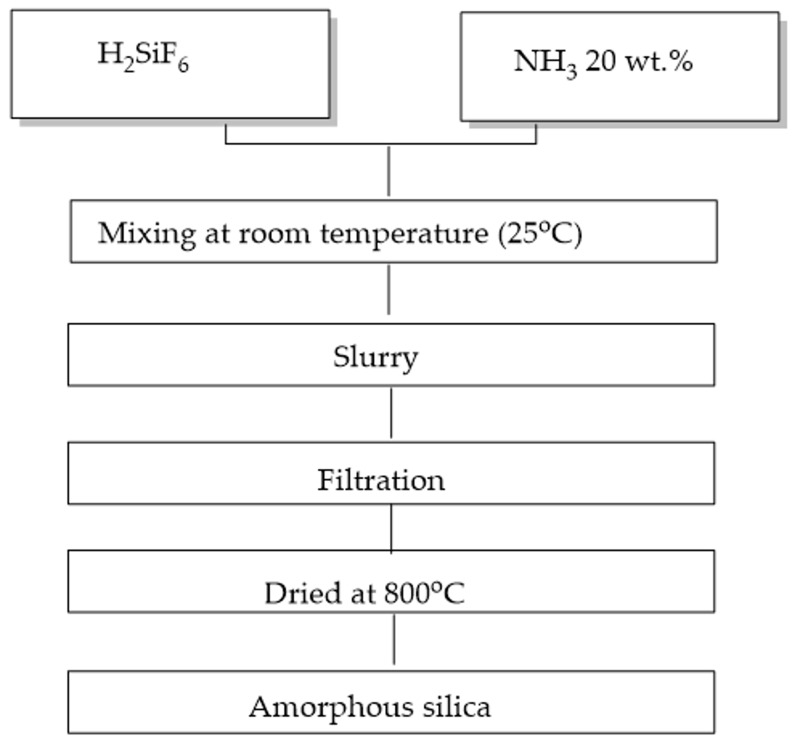
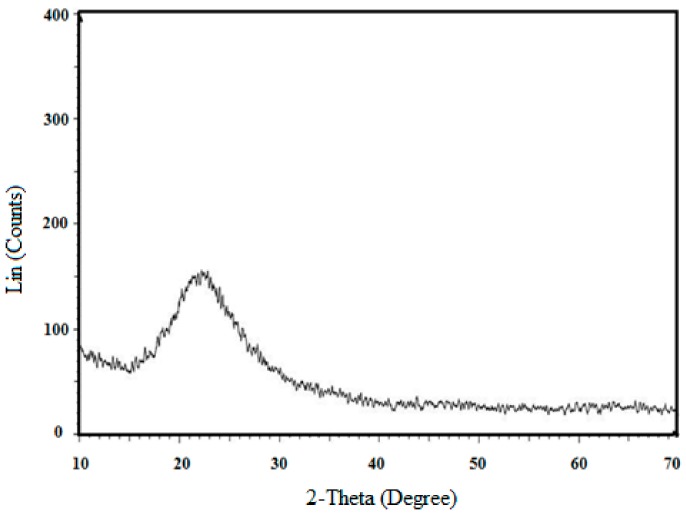
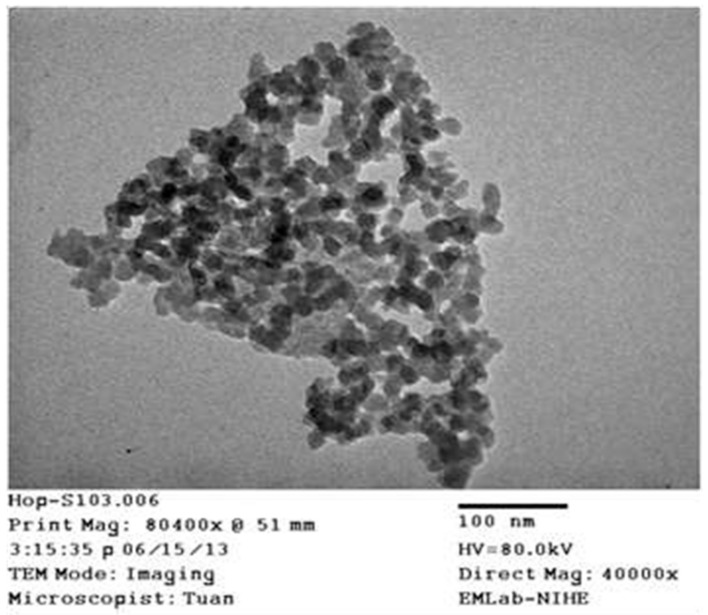
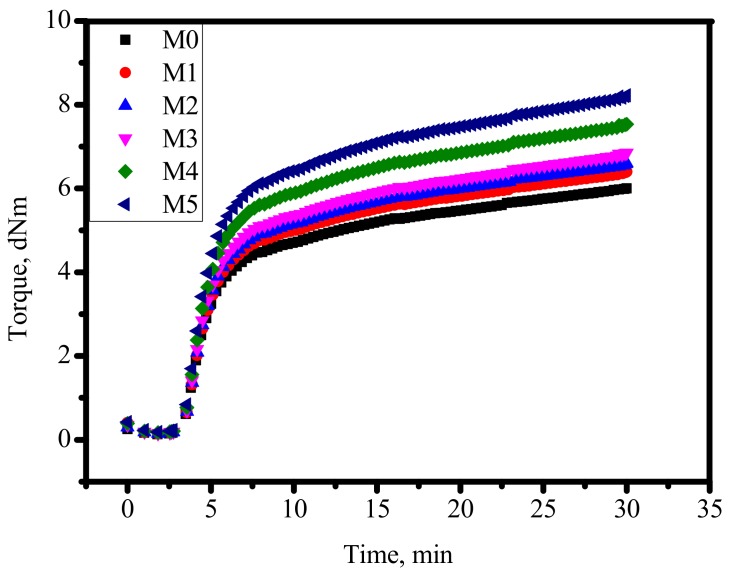
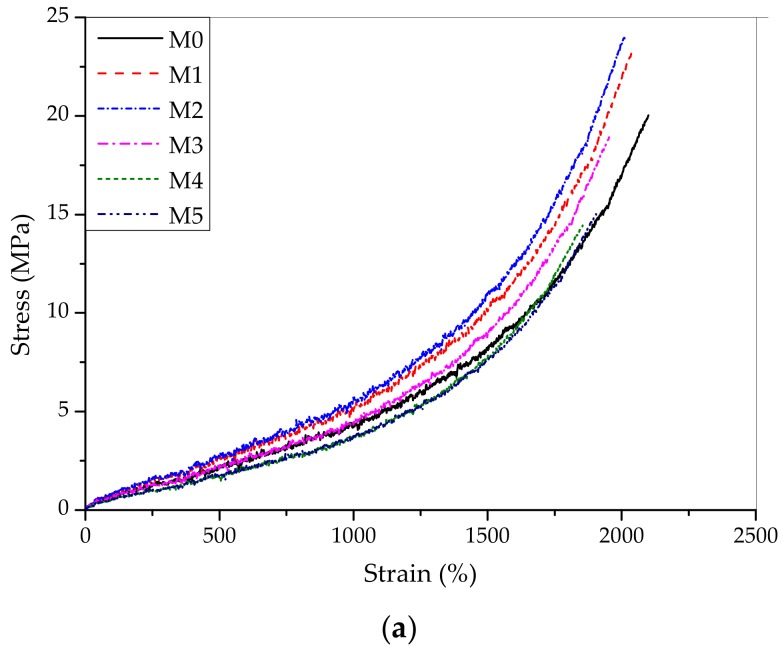
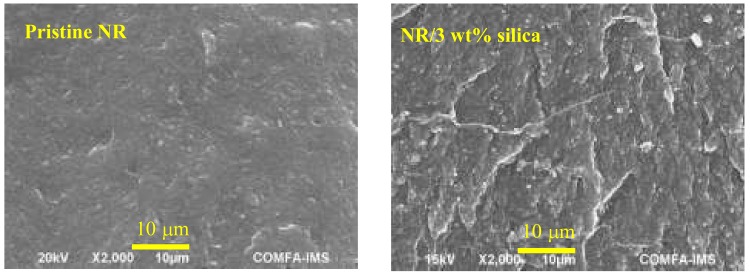
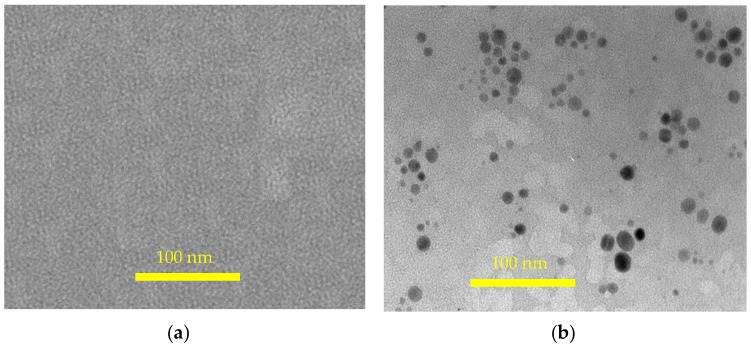
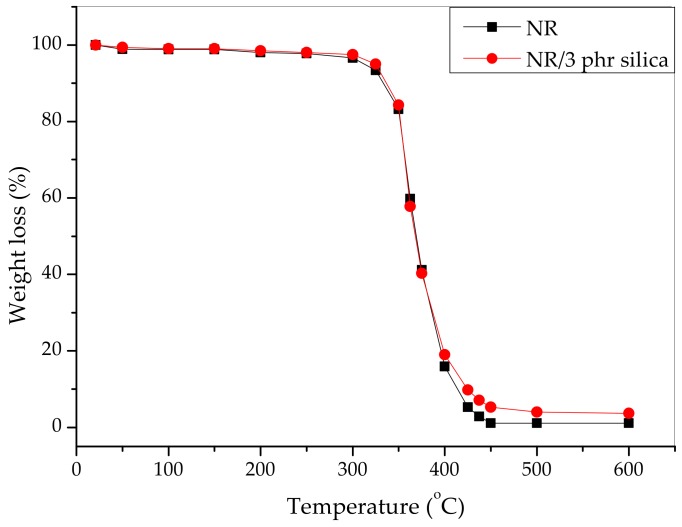
Nanosilica particles are extracted from waste water containing a hexafluorosilicic acid discharged from Vietnamese fertilizer plants as an effective way not only to reduce waste water pollution but also to enhance the value of their waste water. Amorphous nanosilica particles are produced with diameters ranging from 40 to 60 nm and then adopted as a reinforcing additive for natural rubber (NR) composites. Morphological, mechanical, rheological, and thermal behaviors of the nanosilica-added NR composites are examined. Especially, mechanical behaviors of nanosilica-filled NR composites reach the optimum with 3 phr of nanosilica, at which its tensile strength, hardness, and decomposition temperature are improved by 20.6%, 7.1%, and 2.5%, respectively, compared with the pristine vulcanized NR. The improved mechanical properties can be explained by the tensile fractured surface morphology, which shows that the silica-filled NR is rougher than the pristine natural rubber sample.
纳米二氧化硅颗粒是从越南化肥厂排放的含氟硅酸废水中提取的,这不仅是减少废水污染的有效方法,也是提高废水价值的有效途径。制备出直径范围为40至60纳米的无定形纳米二氧化硅颗粒,然后将其用作天然橡胶(NR)复合材料的增强添加剂。研究了添加纳米二氧化硅的NR复合材料的形态、力学、流变和热性能。特别是,纳米二氧化硅填充的NR复合材料在纳米二氧化硅用量为3份时力学性能达到最佳,此时其拉伸强度、硬度和分解温度分别比原始硫化NR提高了20.6%、7.1%和2.5%。力学性能的改善可以通过拉伸断裂表面形态来解释,该形态表明填充二氧化硅的NR比原始天然橡胶样品更粗糙。