Júlio Maria de Fátima, Ilharco Laura M
Centro de Química-Física Molecular and Institute of Nanoscience and Nanotechnology, Instituto Superior Técnico, Universidade de Lisboa, Avenida Rovisco Pais 1, 1049-001 Lisboa, Portugal.
ACS Omega. 2017 Aug 28;2(8):5060-5070. doi: 10.1021/acsomega.7b00893. eCollection 2017 Aug 31.
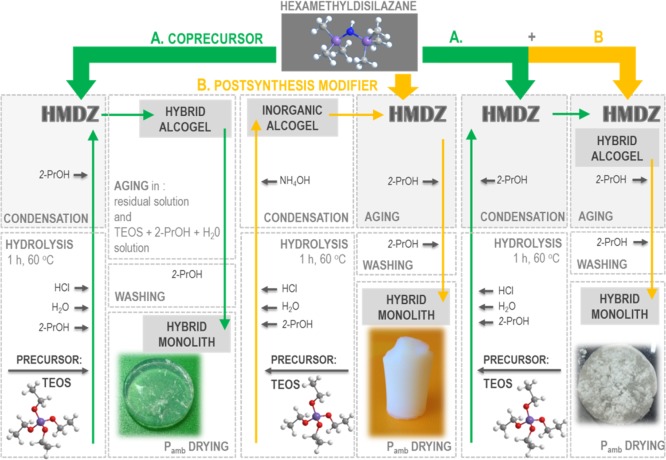
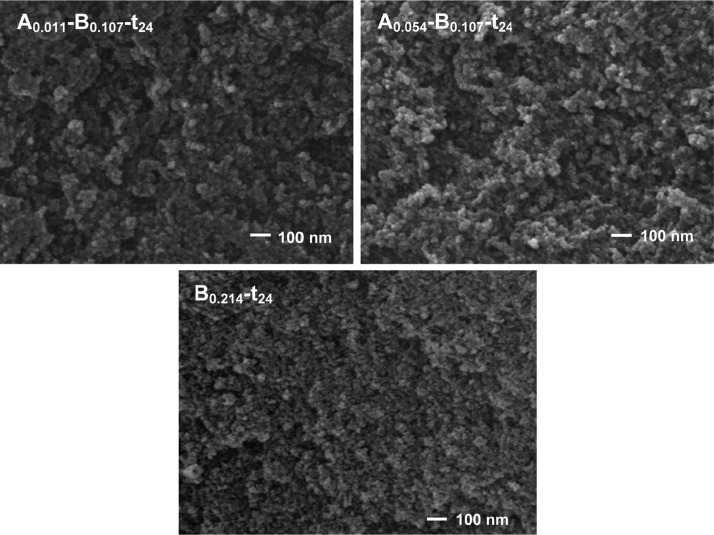
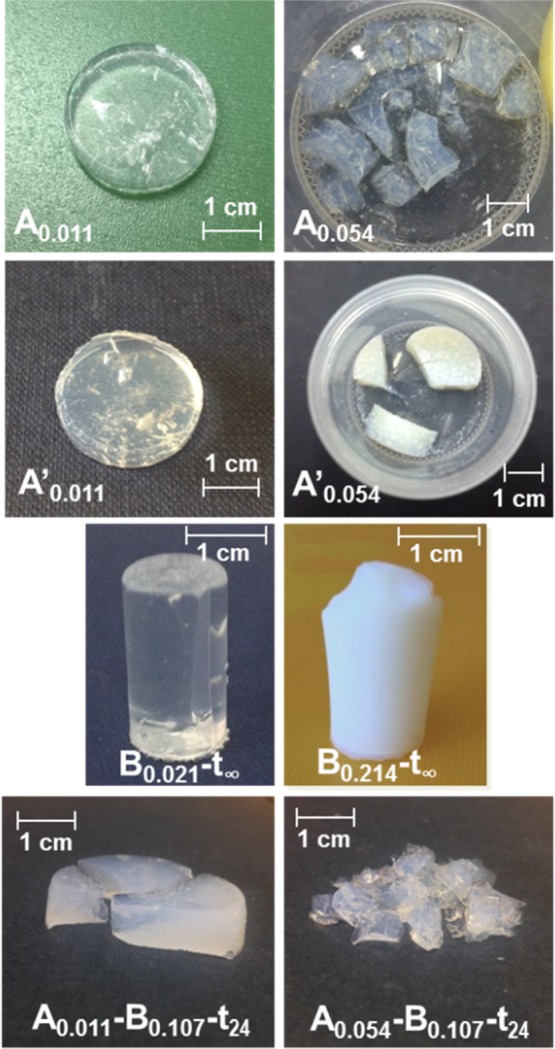
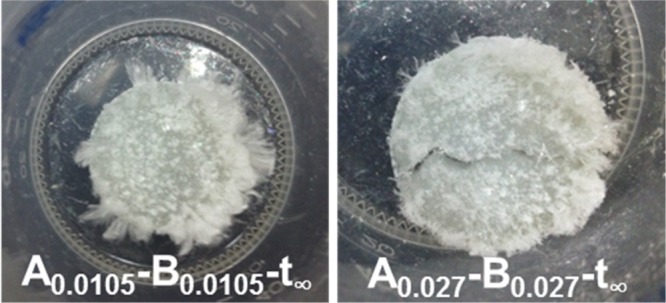
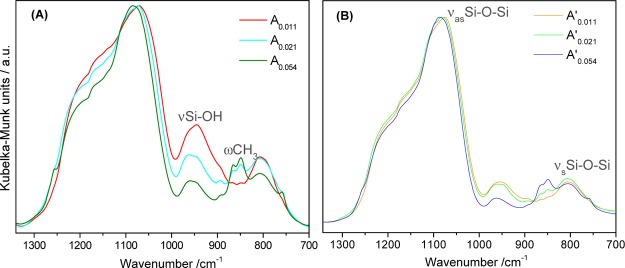
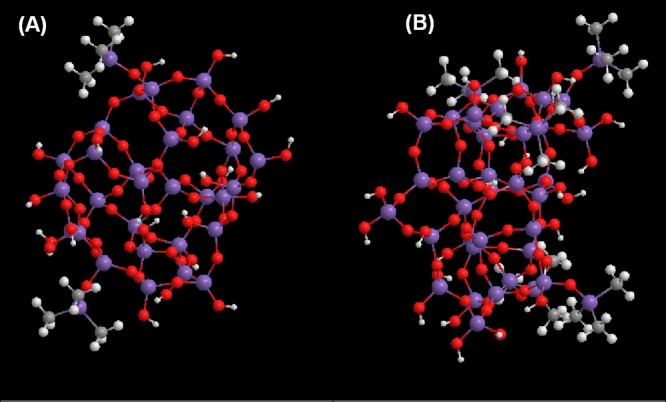
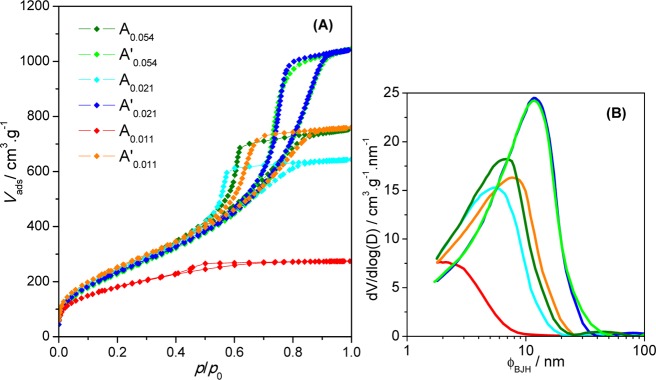
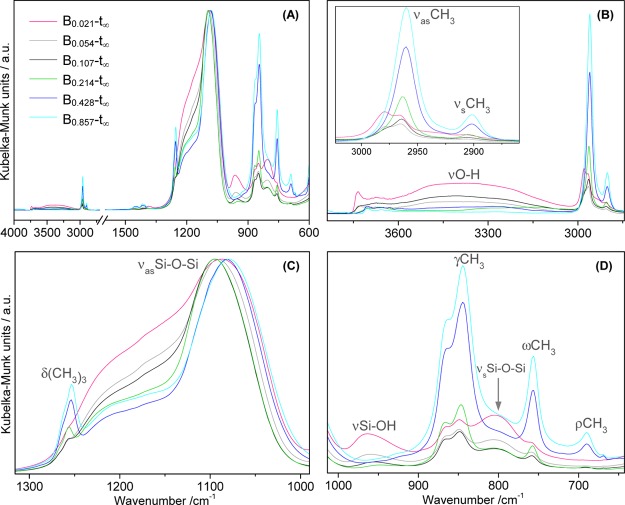
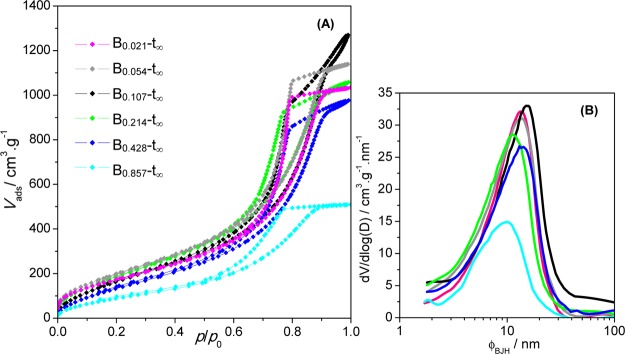
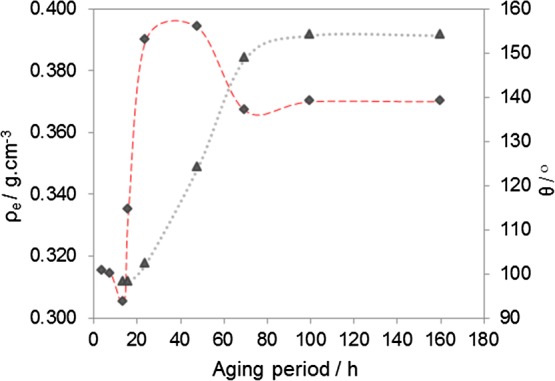
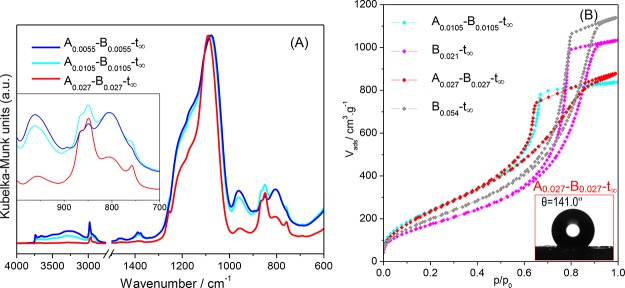
Hybrid silica-based monoliths were synthesized at ambient pressure, using minimum amounts of the silylating agent hexamethyldisilazane (HMDZ). Depending on the synthesis approach, the materials ranged from dense and vitreous xerogels to transparent and superhydrophobic aerogels. Emphasis was given to understanding the role of the silylating agent, its content and incorporation process on the final morphology, and properties of the xerogels/aerogels. It is proven that as a coprecursor, increasing HMDZ content contributes to increase the lipophilic/hydrophilic balance, induce high surface areas, and decrease densities, but there is a maximum usable content for producing monoliths. Conversely, as a postsynthesis modifier, there is an optimum HMDZ content that maximizes hydrophobicity (water contact angle of ∼144°) and induces high surface area (∼700 m·g), keeping the density low (∼300 kg·m). It is proven that the aging period in the hydrophobizing solution is a crucial parameter. The most superhydrophobic xerogels were obtained using HMDZ as a postsynthesis modifier, achieving values of water contact angles as high as ∼173°, at the cost of density increase to ∼600 kg·m and decrease of the surface area to ∼300 m·g. The best compromise between low density, high surface area, and superhydrophobicity is obtained using HMDZ both as a coprecursor and as a postsynthesis modifier, in a low HMDZ/tetraethoxysilane total molar ratio (<0.2), with an aging period of 16-24 h. The use of subcritical drying, along with the minimization of the expensive organic modifier quantities, allows envisaging a safe and low-cost large-scale production of a variety of materials, including superhydrophobic aerogels with potential distinctive applications.
采用最少用量的硅烷化试剂六甲基二硅氮烷(HMDZ),在常压下合成了杂化二氧化硅基整体材料。根据合成方法的不同,这些材料的范围从致密的玻璃态干凝胶到透明的超疏水气凝胶。重点在于理解硅烷化试剂的作用、其含量以及引入过程对干凝胶/气凝胶最终形态和性能的影响。结果表明,作为共前驱体,增加HMDZ的含量有助于提高亲脂性/亲水性平衡、诱导高比表面积并降低密度,但对于制备整体材料存在一个最大可用含量。相反,作为后合成改性剂,存在一个最佳的HMDZ含量,可使疏水性最大化(水接触角约为144°)并诱导高比表面积(约700 m²/g),同时保持低密度(约300 kg/m³)。结果证明,在疏水化溶液中的老化时间是一个关键参数。使用HMDZ作为后合成改性剂可获得最超疏水的干凝胶,水接触角高达约173°,代价是密度增加到约600 kg/m³且比表面积降低到约300 m²/g。在低HMDZ/四乙氧基硅烷总摩尔比(<0.2)且老化时间为16 - 24小时的条件下,将HMDZ既用作共前驱体又用作后合成改性剂,可在低密度、高比表面积和超疏水性之间实现最佳平衡。亚临界干燥的使用,以及最大限度减少昂贵有机改性剂的用量,使得设想安全且低成本地大规模生产各种材料成为可能,包括具有潜在独特应用的超疏水气凝胶。