Henry Brandon Michael, Pękala Przemysław A, Frączek Paulina A, Pękala Jakub R, Natsis Konstantinos, Piagkou Maria, Tomaszewski Krzysztof A, Tomaszewska Iwona M
Department of Anatomy, Jagiellonian University Medical College, International Evidence-Based Anatomy Working Group, 12 Kopernika St, 31-034, Kraków, Poland.
Department of Anatomy, Jagiellonian University Medical College, 12 Kopernika St, 31-034, Kraków, Poland.
Surg Radiol Anat. 2020 May;42(5):497-507. doi: 10.1007/s00276-019-02305-9. Epub 2019 Aug 28.
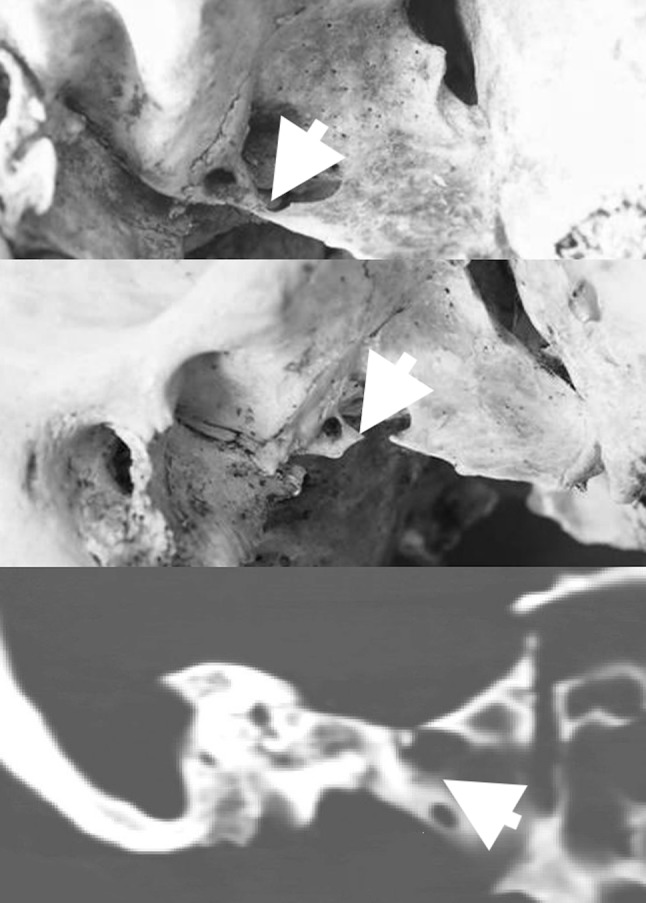
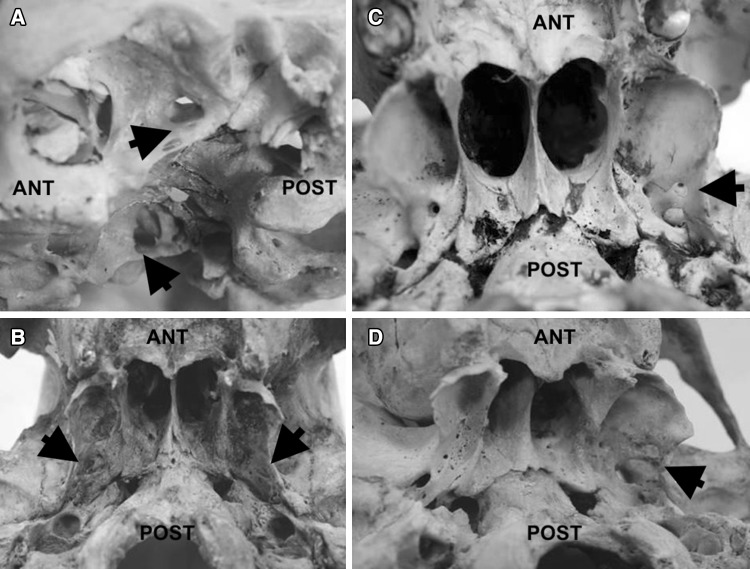
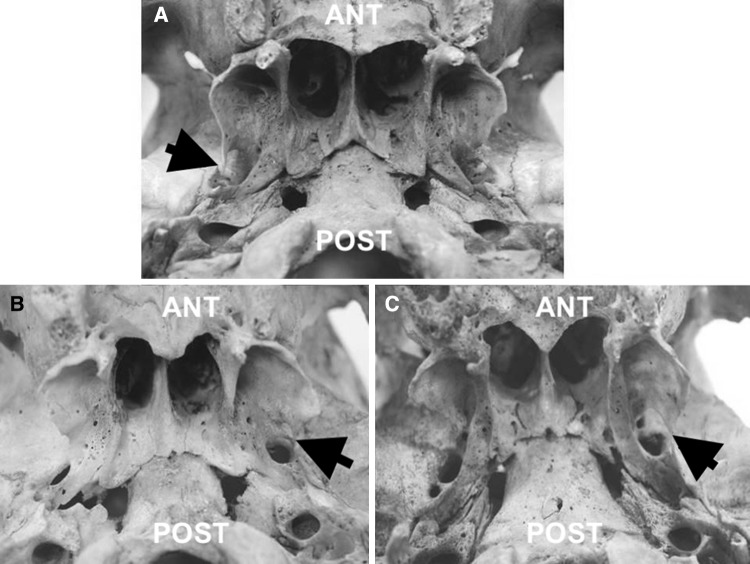
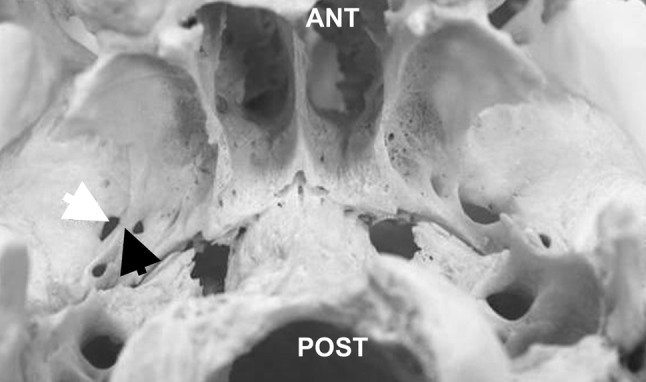
The purpose of the study was to analyze the total prevalence, morphologic, and morphometric characteristics of the pterygospinous (PS) bar and its gender and ethnic differences among populations. PS bar is an ossified anatomic structure stretching between the posterior margin of the lateral pterygoid lamina to the angular spine of the undersurface of the sphenoid, with potential clinical implications. There is no consensus in the literature on its prevalence, morphologic, and morphometric characteristics.
A thorough search of databases was conducted. Data on the prevalence, morphology, i.e., ossification type (complete and incomplete), side, gender, laterality, and morphometrics, of the PS bar were extracted and pooled into a meta-analysis.
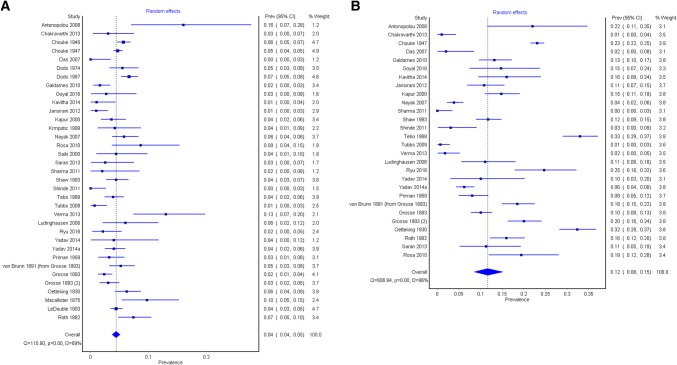
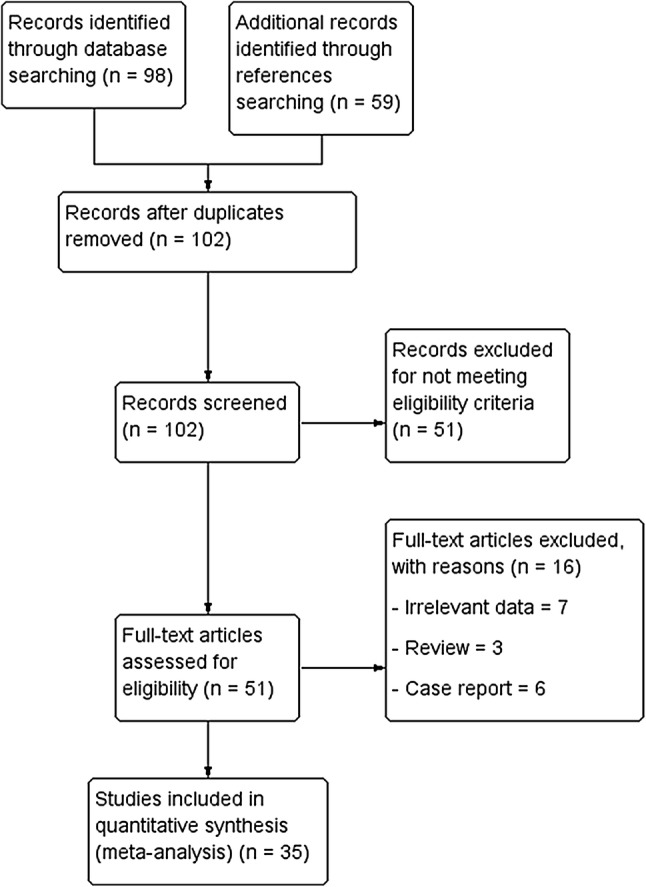
A total of 35 studies (n = 14,047 subjects) were analyzed. The overall pooled prevalence of a complete PS bar was 4.4% (95% CI 3.7-5.1), while the overall pooled prevalence of an incomplete PS bar was significantly higher (11.6% [95% CI 8.5-15.2]). A complete PS bar was more prevalent among males and was more commonly unilaterally, on the left side.
The overall prevalence of PS bar is quite common. It could be of importance for clinicians who should consider its potential presence when planning surgical approaches to the retropharyngeal and parapharyngeal space.
本研究旨在分析翼棘(PS)杆的总体患病率、形态学和形态测量学特征及其在不同人群中的性别和种族差异。PS杆是一种骨化的解剖结构,从翼状外侧板后缘延伸至蝶骨下面的角棘,具有潜在的临床意义。关于其患病率、形态学和形态测量学特征,文献中尚无共识。
对数据库进行全面检索。提取有关PS杆的患病率、形态学(即骨化类型:完全和不完全)、侧别、性别、左右侧性以及形态测量学的数据,并汇总进行荟萃分析。
共分析了35项研究(n = 14,047名受试者)。完全PS杆的总体汇总患病率为4.4%(95%可信区间3.7 - 5.1),而不完全PS杆的总体汇总患病率显著更高(11.6% [95%可信区间8.5 - 15.2])。完全PS杆在男性中更常见,且更常为单侧,位于左侧。
PS杆的总体患病率相当常见。对于临床医生而言可能很重要,他们在规划经咽后间隙和咽旁间隙的手术入路时应考虑其可能存在。