Sewanan Lorenzo R, Schwan Jonas, Kluger Jonathan, Park Jinkyu, Jacoby Daniel L, Qyang Yibing, Campbell Stuart G
Department of Biomedical Engineering, Yale University, New Haven, Connecticut.
Yale Cardiovascular Research Center, Section of Cardiovascular Medicine, Department of Internal Medicine, Yale School of Medicine, New Haven, Connecticut.
JACC Basic Transl Sci. 2019 Jul 24;4(4):495-505. doi: 10.1016/j.jacbts.2019.03.004. eCollection 2019 Aug.
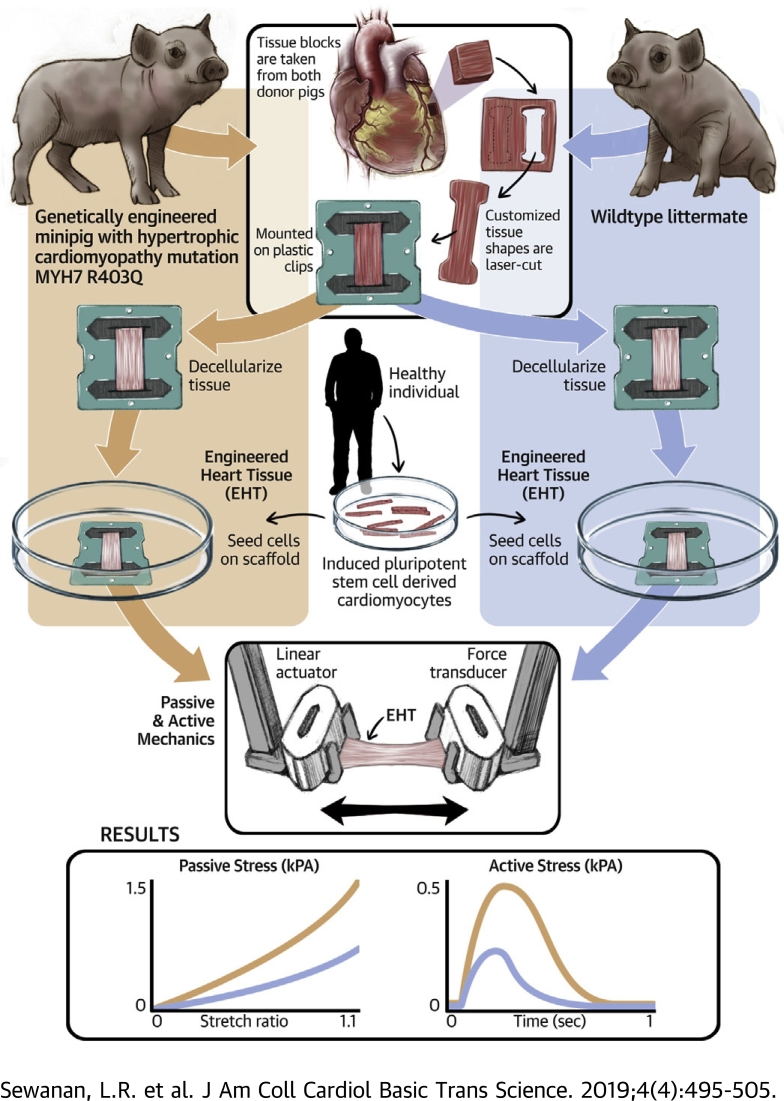
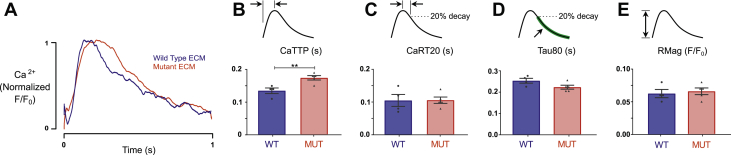
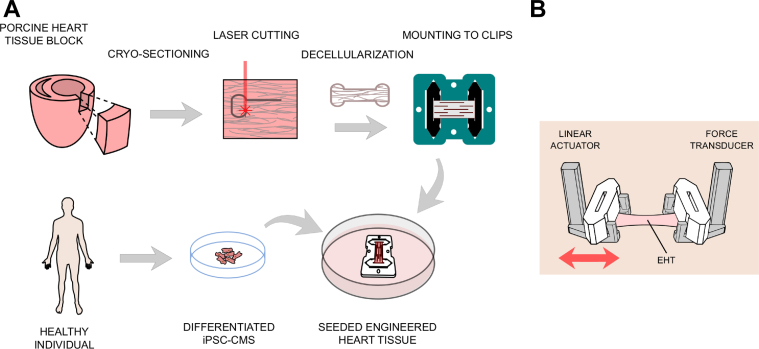
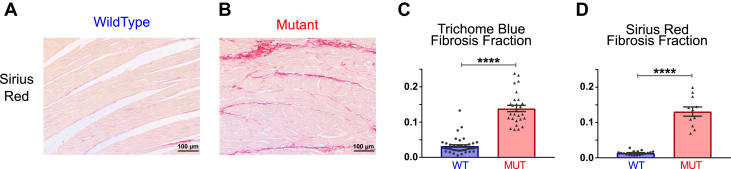
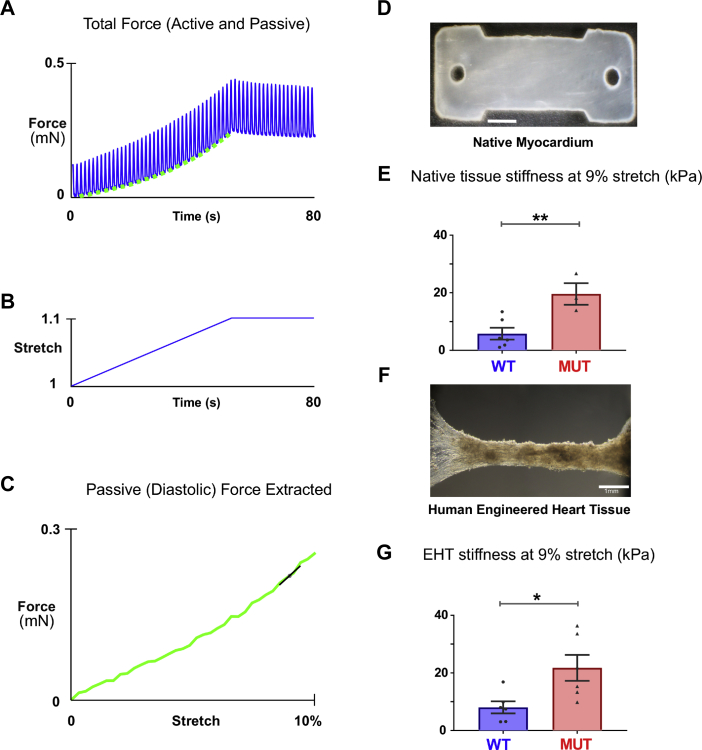
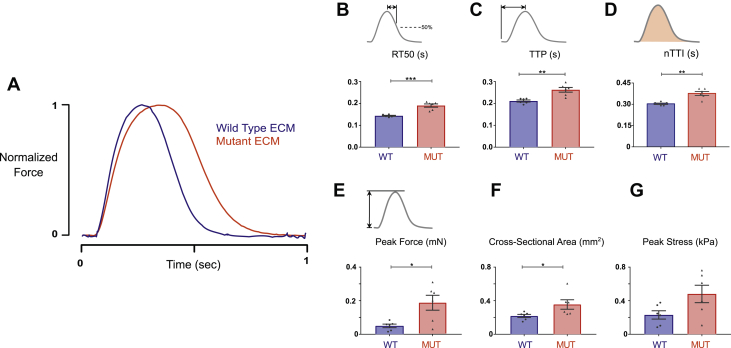
Hypertrophic cardiomyopathy (HCM) is often caused by single sarcomeric gene mutations that affect muscle contraction. Pharmacological correction of mutation effects prevents but does not reverse disease in mouse models. Suspecting that diseased extracellular matrix is to blame, we obtained myocardium from a miniature swine model of HCM, decellularized thin slices of the tissue, and re-seeded them with healthy human induced pluripotent stem cell-derived cardiomyocytes. Compared with cardiomyocytes grown on healthy extracellular matrix, those grown on the diseased matrix exhibited prolonged contractions and poor relaxation. This outcome suggests that extracellular matrix abnormalities must be addressed in therapies targeting established HCM.
肥厚型心肌病(HCM)通常由影响肌肉收缩的单个肌节基因突变引起。在小鼠模型中,对突变效应进行药理学纠正可预防疾病,但无法逆转疾病。由于怀疑病变的细胞外基质是罪魁祸首,我们从HCM小型猪模型中获取心肌,将组织薄片脱细胞,并用健康的人诱导多能干细胞衍生的心肌细胞重新接种。与在健康细胞外基质上生长的心肌细胞相比,在病变基质上生长的心肌细胞表现出收缩延长和舒张不良。这一结果表明,在针对已确诊的HCM的治疗中,必须解决细胞外基质异常问题。