Program of Infection and Immunity, The Fifth Affiliated Hospital of Sun Yat-sen University, Zhongshan School of Medicine, Sun Yat-sen University, Zhuhai, China.
Program of Immunology, Department of Internal Medicine and Guangzhou Institute of Pediatrics, Guangzhou Women and Children's Medical Center, Zhongshan School of Medicine, Sun Yat-sen University, Guangzhou, China.
Front Immunol. 2019 Aug 14;10:1925. doi: 10.3389/fimmu.2019.01925. eCollection 2019.
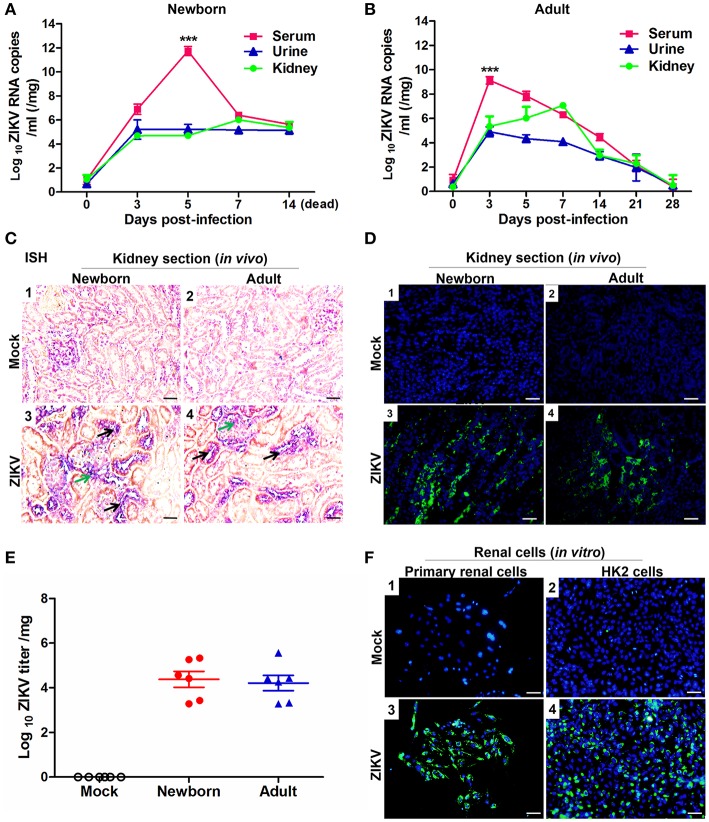
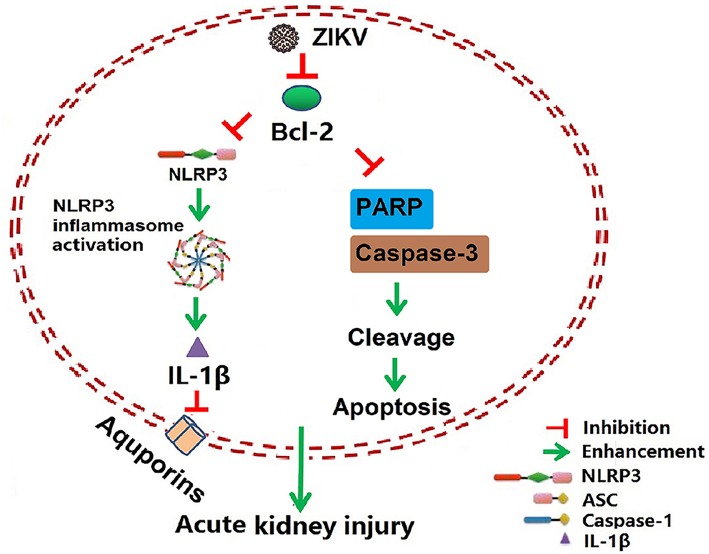
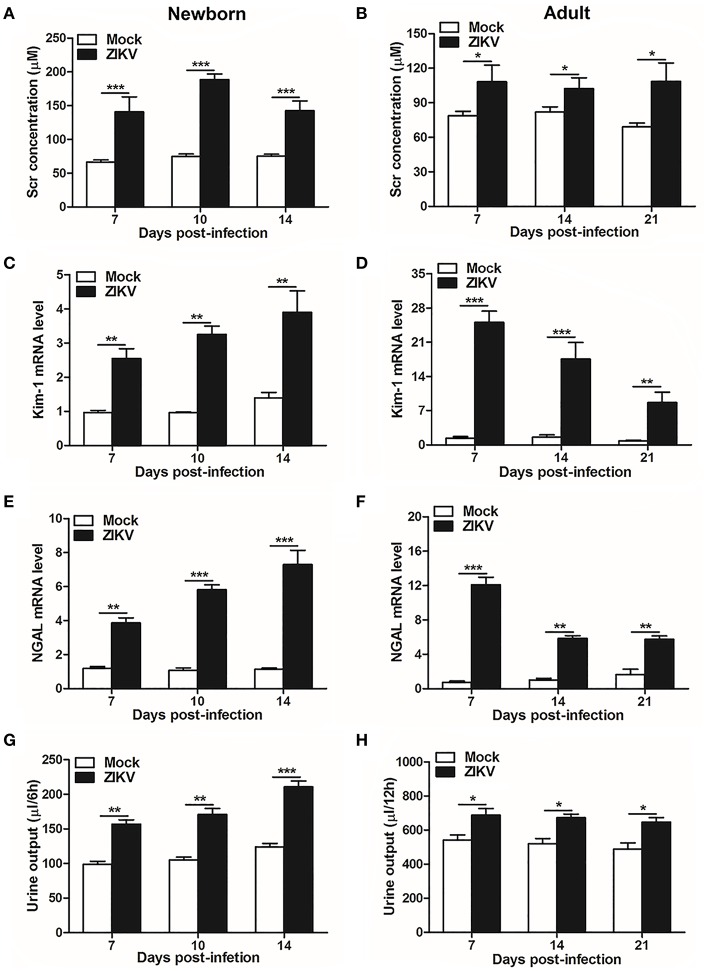
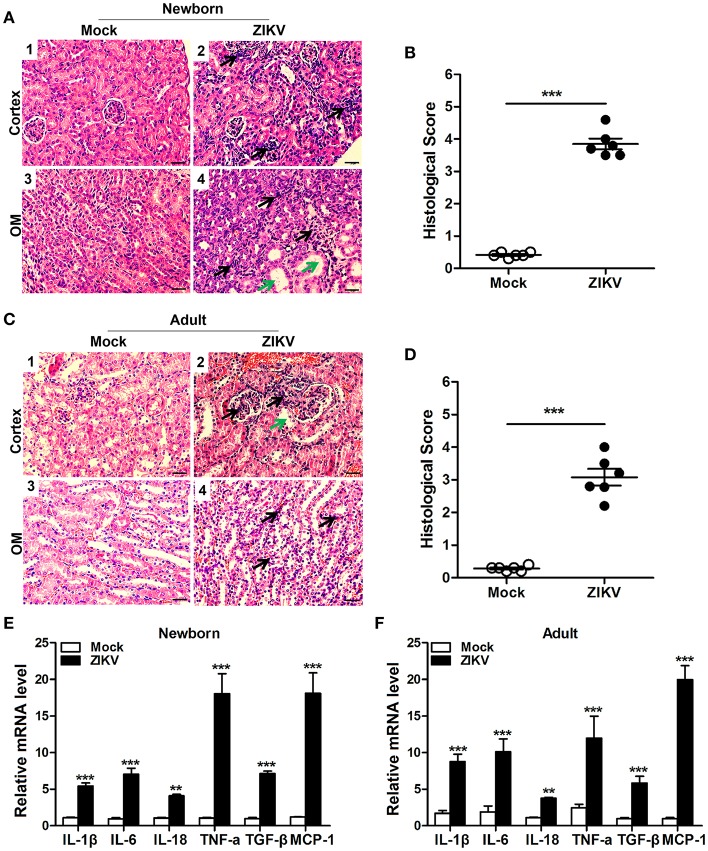
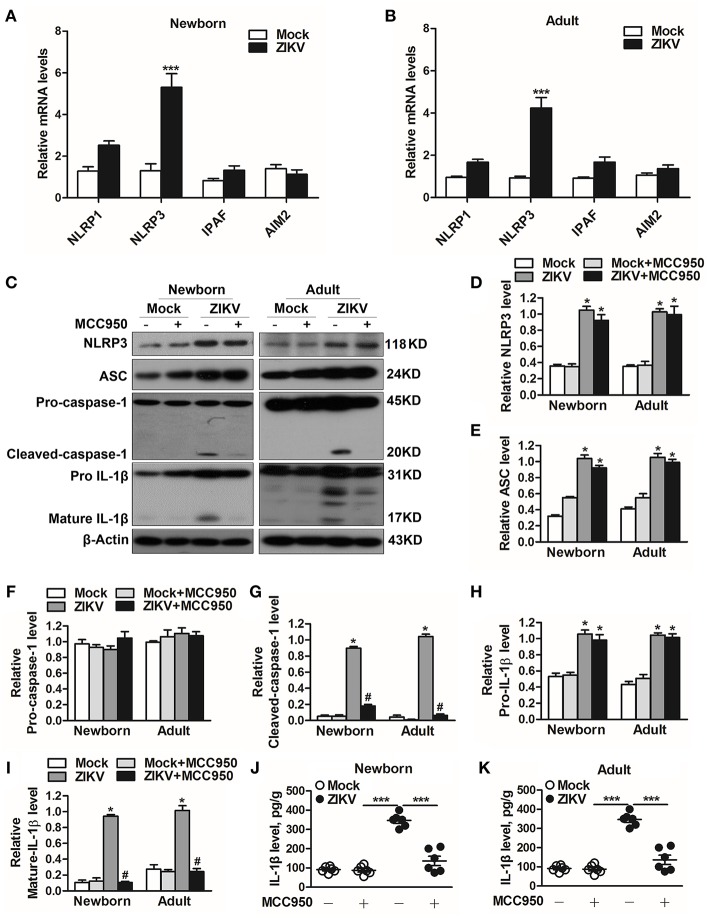
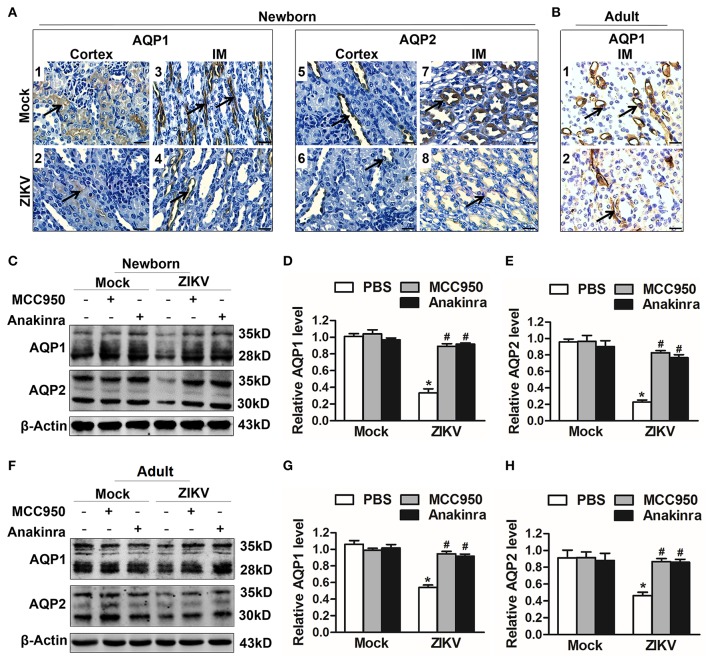
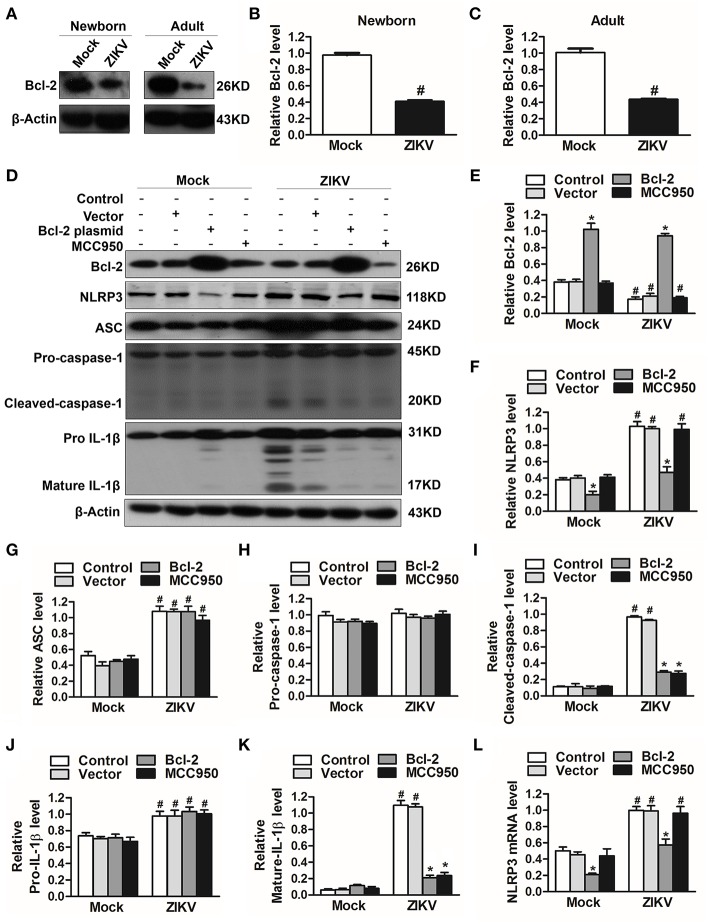
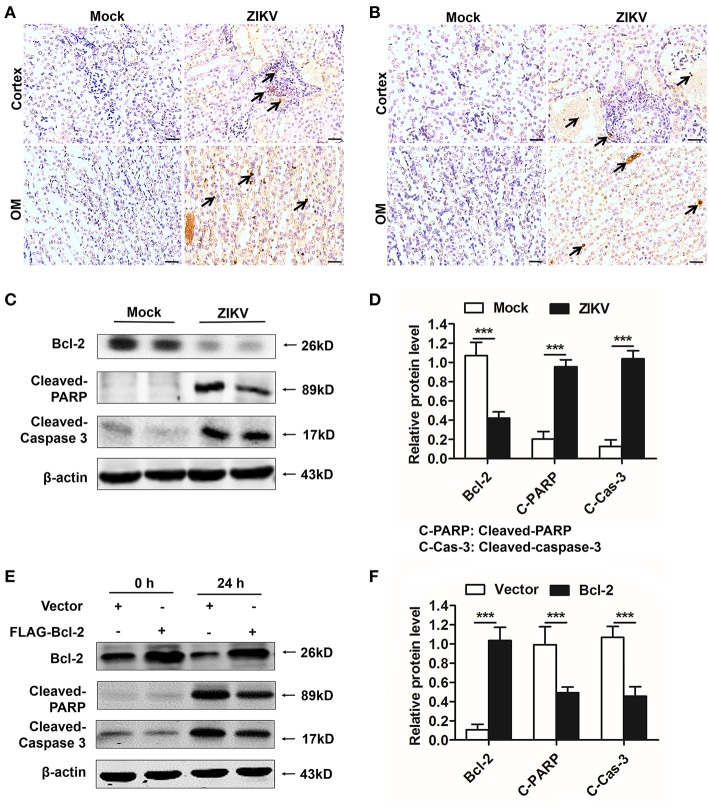
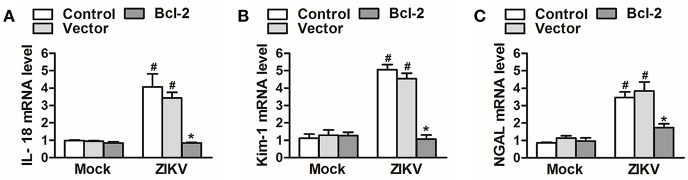
Zika virus (ZIKV) is a newly emerging flavivirus that broadly exhibits in various bodily tissues and fluids, especially in the brain, and ZIKV infection often causes microcephaly. Previous studies have been reported that ZIKV can infect renal cells and can be detected in the urine samples of infected individuals. However, whether ZIKV infection causes renal diseases and its pathogenic mechanisms remains unknown. Here, we identified that ZIKV infection resulted in acute kidney injury (AKI) in both newborn and adult mouse models by increasing the levels of AKI-related biomarkers [e.g., serum creatinine (Scr), kidney injury molecular-1 (Kim-1), and neutrophil gelatinase-associated lipocalin (NGAL)]. ZIKV infection triggered the inflammatory response and renal cell injury by activating Nod-like receptor 3 (NLRP3) inflammasome and secreting interleukin-1β (IL-1β). IL-1β inhibited aquaporins expression and led to water re-absorption disorder. Furthermore, ZIKV infection induced a decreased expression of B-cell lymphoma-2 (Bcl-2) in the kidney. Overexpression of Bcl-2 attenuated ZIKV-induced NLRP3 inflammasome activation in renal cells and down-regulated PARP/caspase-3-mediated renal apoptosis. Overall, our findings demonstrated that ZIKV infection induced AKI by activating NLRP3 inflammasome and apoptosis through suppressing Bcl-2 expression, which provided potential therapeutic targets for ZIKV-associated renal diseases.
Zika 病毒(ZIKV)是一种新兴的黄病毒,广泛存在于各种组织和体液中,尤其是在大脑中,ZIKV 感染常导致小头畸形。先前的研究报告称,ZIKV 可以感染肾细胞,并可以在感染个体的尿液样本中检测到。然而,ZIKV 感染是否导致肾脏疾病及其发病机制尚不清楚。在这里,我们通过增加急性肾损伤(AKI)相关生物标志物(如血清肌酐(Scr)、肾损伤分子-1(Kim-1)和中性粒细胞明胶酶相关脂质运载蛋白(NGAL))的水平,鉴定出 ZIKV 感染会导致新生和成年小鼠模型中的急性肾损伤(AKI)。ZIKV 感染通过激活 Nod 样受体 3(NLRP3)炎症小体和分泌白细胞介素-1β(IL-1β)引发炎症反应和肾细胞损伤。IL-1β 抑制水通道蛋白的表达,导致水重吸收障碍。此外,ZIKV 感染导致肾脏中 B 细胞淋巴瘤-2(Bcl-2)的表达减少。Bcl-2 的过表达减弱了 ZIKV 诱导的肾细胞中 NLRP3 炎症小体的激活,并下调了 PARP/caspase-3 介导的肾细胞凋亡。总之,我们的研究结果表明,ZIKV 感染通过抑制 Bcl-2 的表达,通过激活 NLRP3 炎症小体和凋亡,诱导 AKI,为 ZIKV 相关肾脏疾病提供了潜在的治疗靶点。