Department of Chemistry and Center for Molecular Toxicology , Vanderbilt University , Nashville , Tennessee 37235 , United States.
Chem Res Toxicol. 2019 Oct 21;32(10):1997-2005. doi: 10.1021/acs.chemrestox.9b00149. Epub 2019 Sep 11.
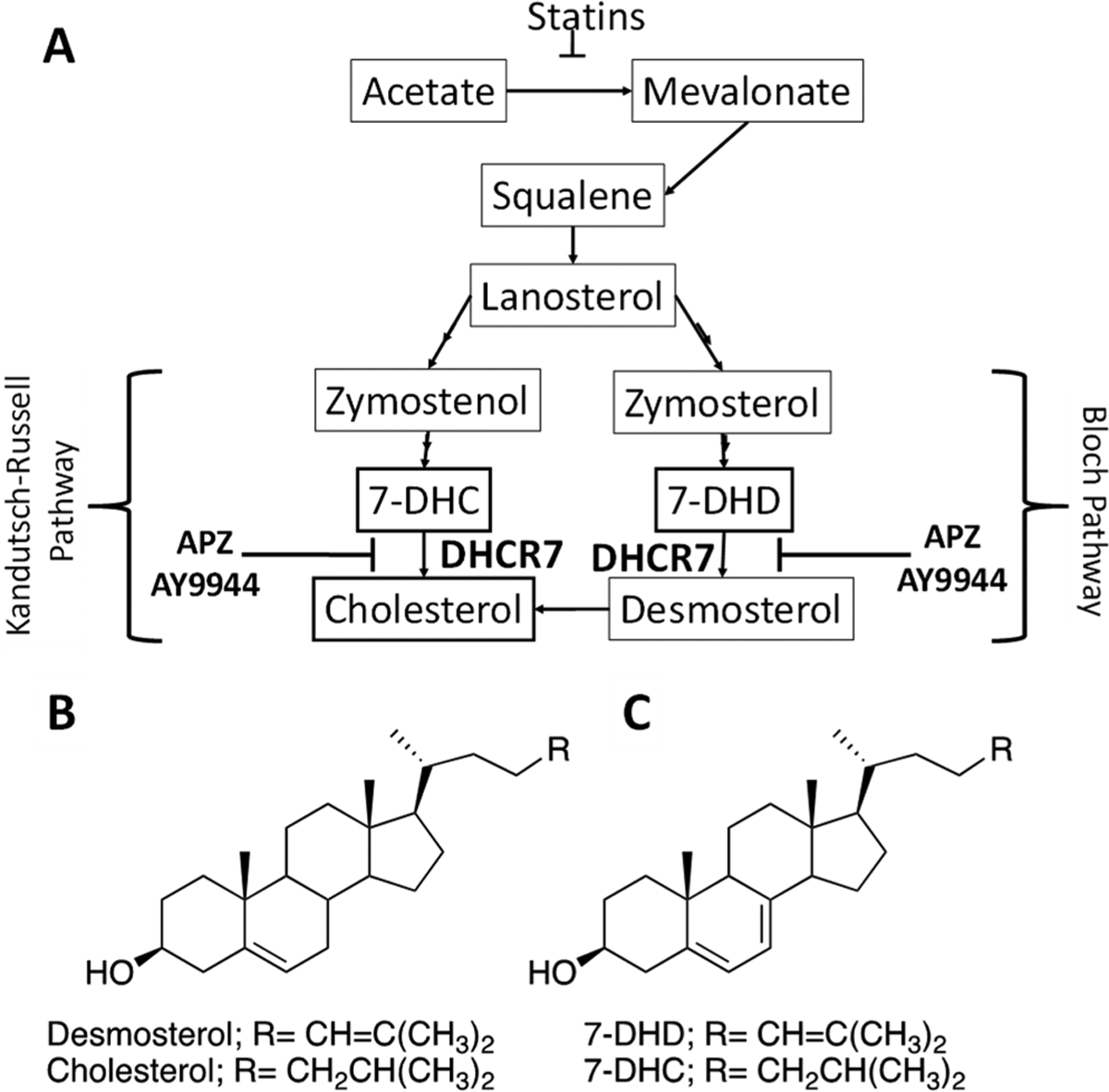
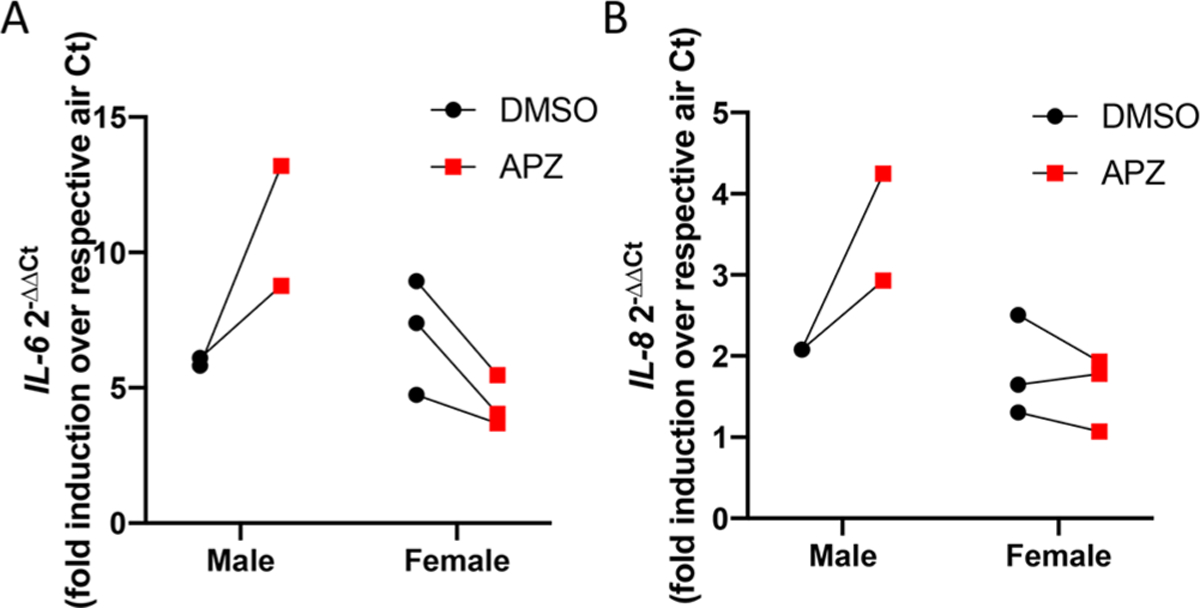
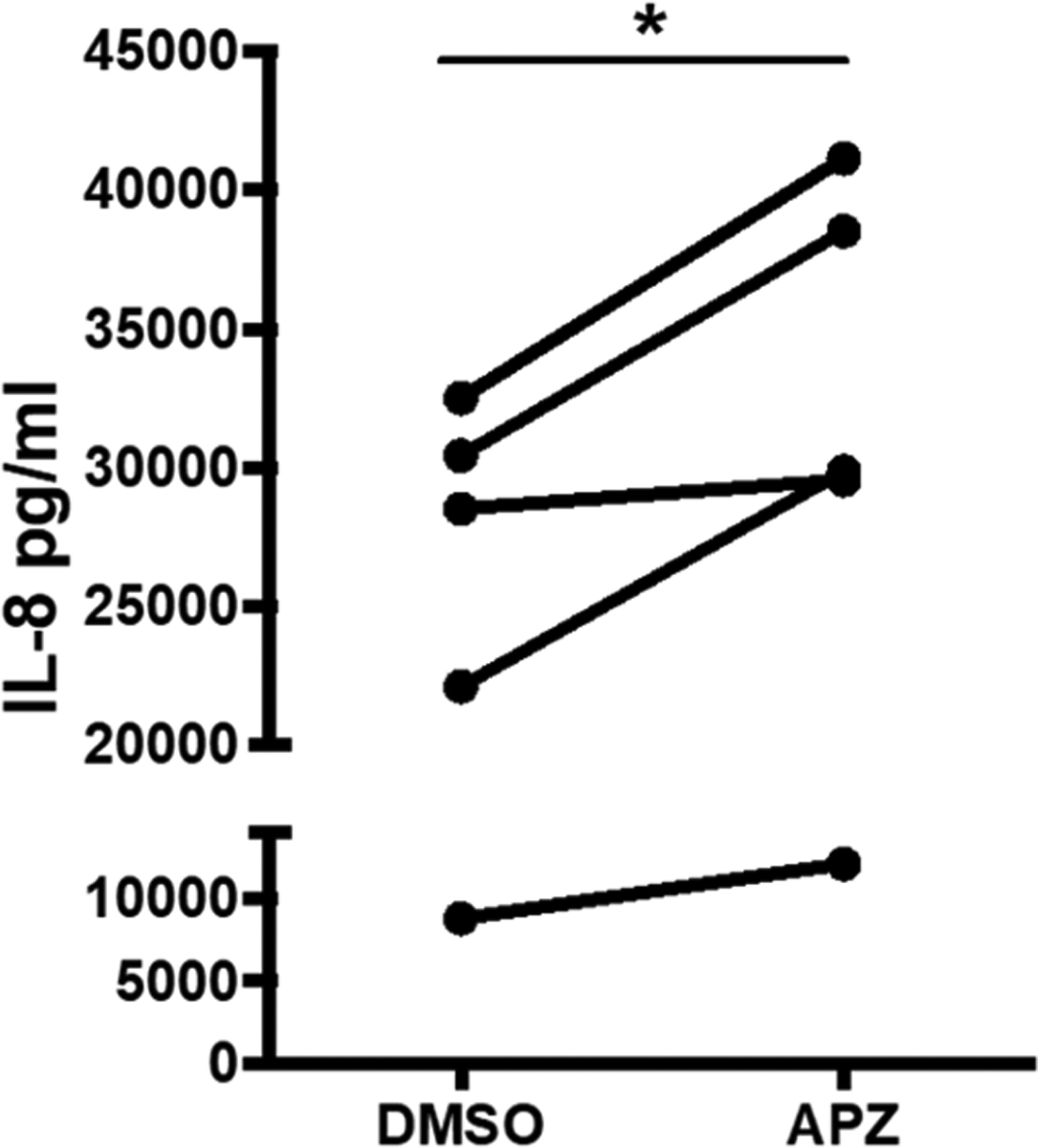
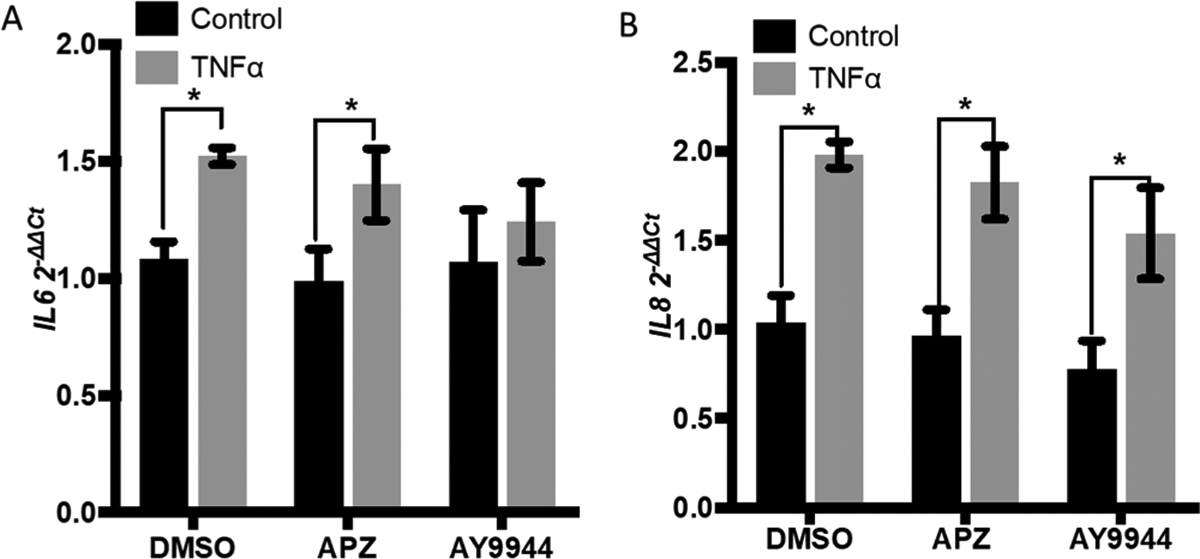
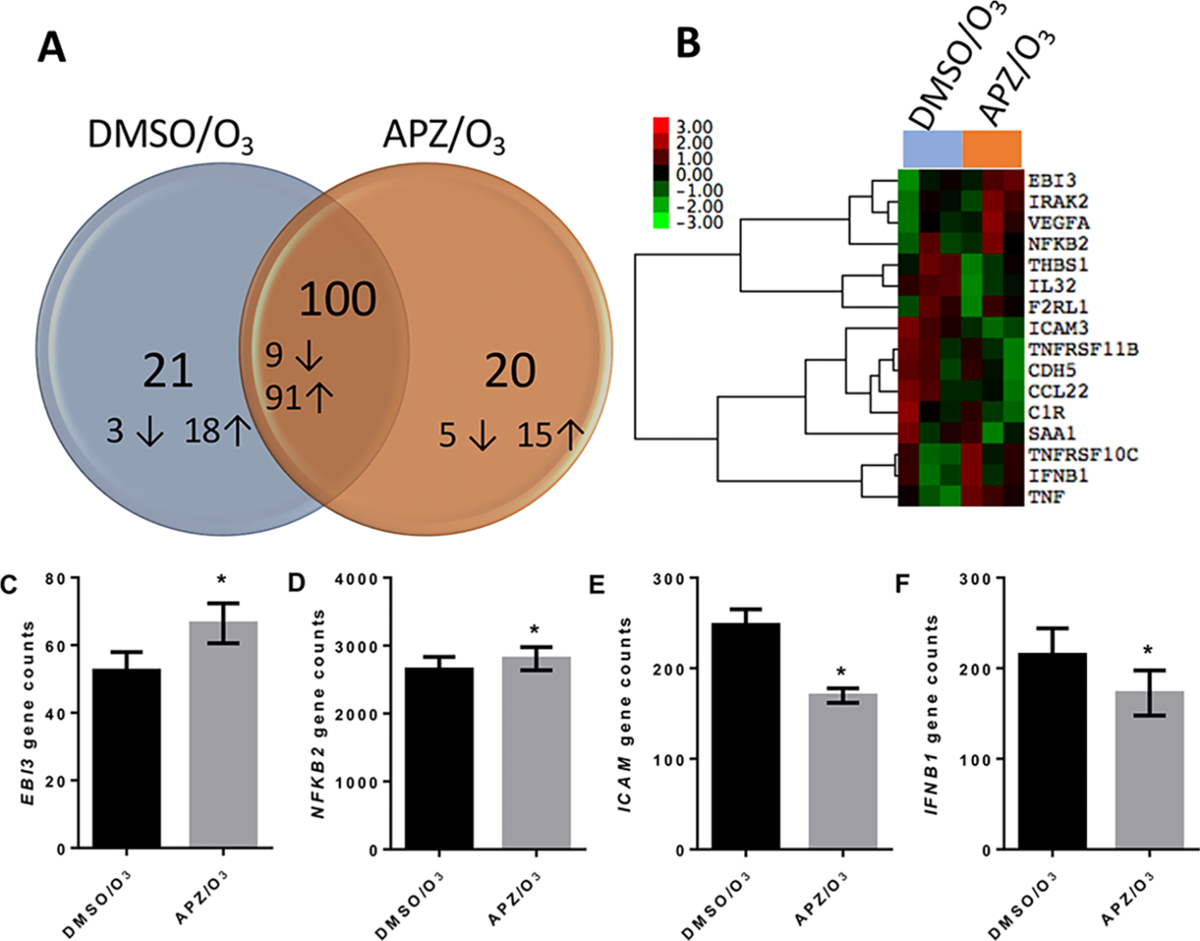
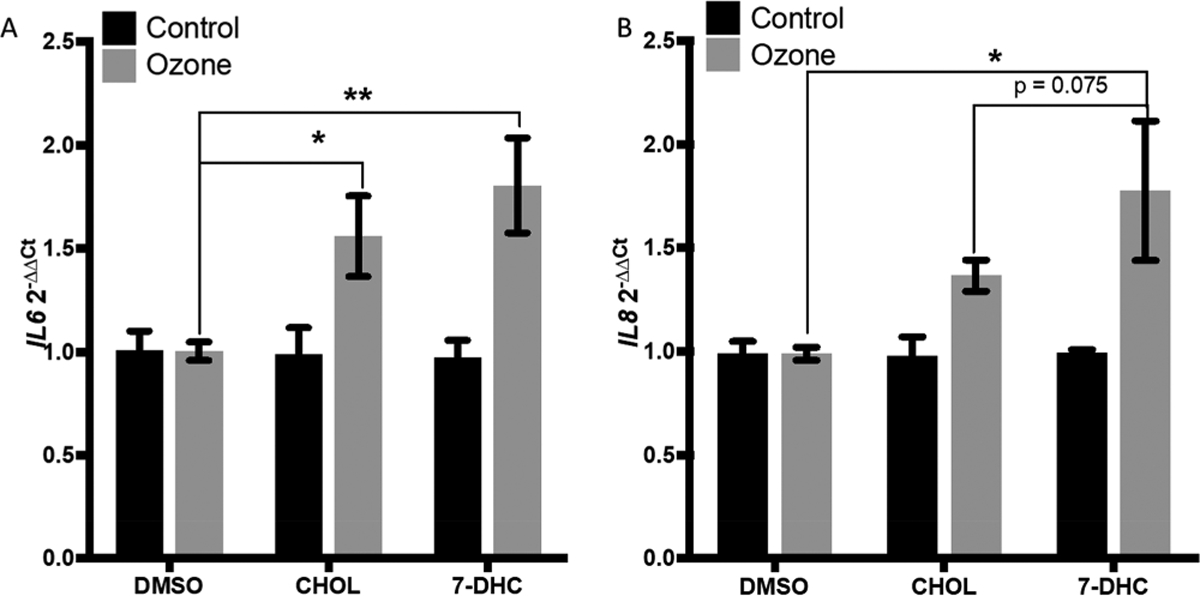
Inhaled ground level ozone (O) has well described adverse health effects, which may be augmented in susceptible populations. While conditions, such as pre-existing respiratory disease, have been identified as factors enhancing susceptibility to O-induced health effects, the potential for chemical interactions in the lung to sensitize populations to pollutant-induced responses has not yet been studied. In the airways, inhaled O reacts with lipids, such as cholesterol, to generate reactive and electrophilic oxysterol species, capable of causing cellular dysfunction and inflammation. The enzyme regulating the final step of cholesterol biosynthesis, 7-dehydrocholesterol reductase (DHCR7), converts 7-dehydrocholesterol (7-DHC) to cholesterol. Inhibition of DHCR7 increases the levels of 7-DHC, which is much more susceptible to oxidation than cholesterol. Chemical analysis established the capacity for a variety of small molecule antipsychotic drugs, like Aripiprazole (APZ), to inhibit DHCR7 and elevate circulating 7-DHC. Our results show that APZ and the known DHCR7 inhibitor, AY9944, increase 7-DHC levels in airway epithelial cells and potentiate O-induced and expression and cytokine release. Targeted immune-related gene array analysis demonstrates that APZ significantly modified O-induced expression of 16 genes, causing dysregulation in expression of genes associated with leukocyte recruitment and inflammatory response. Additionally, we find that APZ increases O-induced and expression in human nasal epithelial cells from male but not female donors. Overall, the evidence we provide describes a novel molecular mechanism by which chemicals, such as APZ, that perturb cholesterol biosynthesis affect O-induced biological responses.
吸入地面臭氧 (O) 已被充分描述为对健康有不良影响,而在易感人群中这种影响可能会加剧。虽然已经确定了一些条件,如预先存在的呼吸道疾病,是增强对 O 引起的健康影响的易感性的因素,但尚未研究化学相互作用在肺部使人群对污染物引起的反应敏感的潜力。在气道中,吸入的 O 与胆固醇等脂质反应,生成具有反应性和亲电性的氧化固醇物质,能够导致细胞功能障碍和炎症。调节胆固醇生物合成最后一步的酶,7-脱氢胆固醇还原酶 (DHCR7),将 7-脱氢胆固醇 (7-DHC) 转化为胆固醇。DHCR7 的抑制会增加 7-DHC 的水平,而 7-DHC 比胆固醇更容易氧化。化学分析确定了各种小分子抗精神病药物,如阿立哌唑 (APZ),抑制 DHCR7 并升高循环 7-DHC 的能力。我们的结果表明,APZ 和已知的 DHCR7 抑制剂 AY9944 增加气道上皮细胞中的 7-DHC 水平,并增强 O 诱导的 和 表达和细胞因子释放。靶向免疫相关基因阵列分析表明,APZ 显著改变了 O 诱导的 16 个基因的表达,导致与白细胞募集和炎症反应相关的基因表达失调。此外,我们发现 APZ 增加了男性而非女性供体的人鼻上皮细胞中 O 诱导的 和 表达。总的来说,我们提供的证据描述了一种新的分子机制,即像 APZ 这样扰乱胆固醇生物合成的化学物质会影响 O 诱导的生物学反应。