Department of Chemistry and Biochemistry, The Ohio State University, 100 West 18th Avenue, Columbus, OH, 43210, USA.
The Ohio State Biochemistry Program, The Ohio State University, Columbus, USA.
J Biol Inorg Chem. 2019 Oct;24(7):1035-1045. doi: 10.1007/s00775-019-01713-x. Epub 2019 Sep 5.
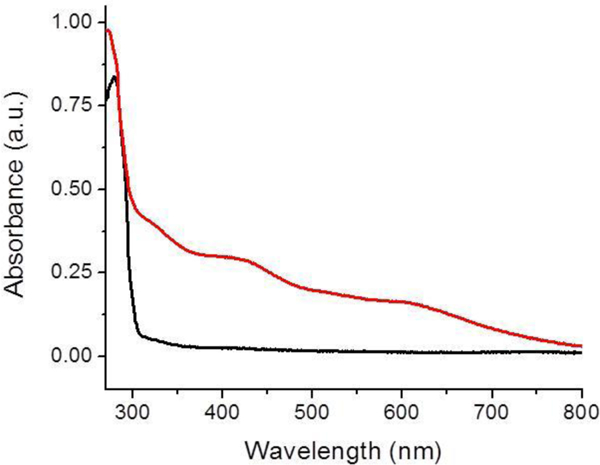
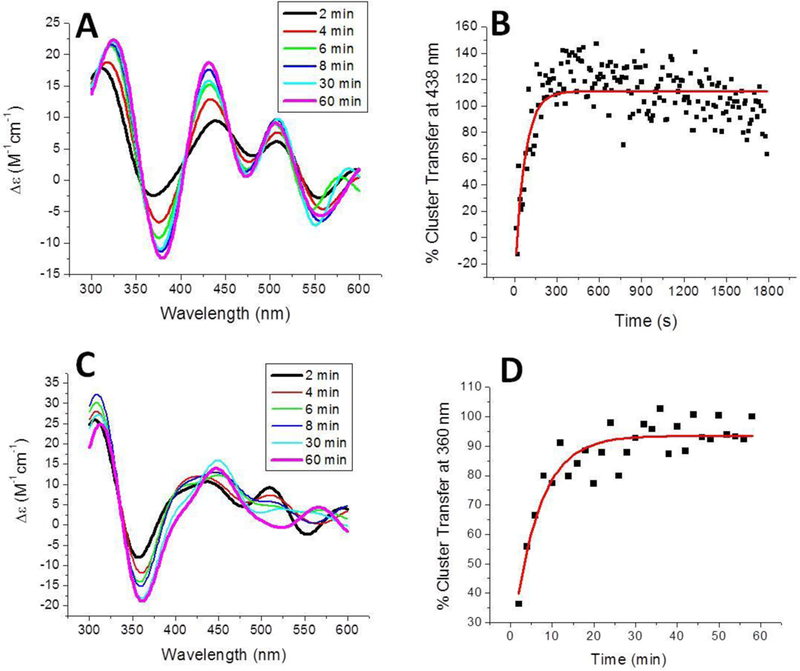
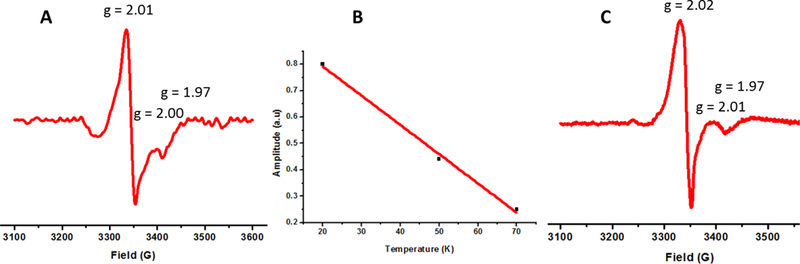
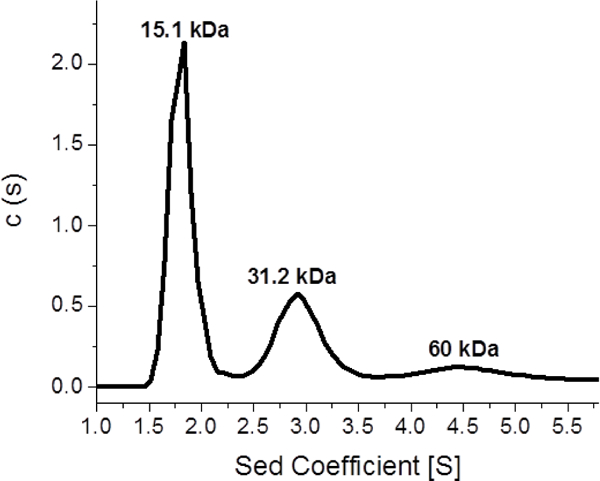
A new class of mitochondrial disease has been identified and characterized as Multiple Mitochondrial Dysfunctions Syndrome (MMDS). Four different forms of the disease have each been attributed to point mutations in proteins involved in iron-sulfur (Fe-S) biosynthesis; in particular, MMDS2 has been associated with the protein BOLA3. To date, this protein has been characterized in vitro concerning its ability to form heterodimeric complexes with two putative Fe-S cluster-binding partners: GLRX5 and NFU. However, BOLA3 has yet to be characterized in its own discrete holo form. Herein we describe procedures to isolate and characterize the human holo BOLA3 protein in terms of Fe-S cluster binding and trafficking and demonstrate that human BOLA3 can form a functional homodimer capable of engaging in Fe-S cluster transfer.
现已鉴定并表征出一类新的线粒体疾病,命名为多发性线粒体功能障碍综合征(MMDS)。四种不同形式的疾病分别归因于涉及铁硫(Fe-S)生物合成的蛋白质中的点突变;特别是,MMDS2 与参与形成异二聚体复合物的蛋白质 BOLA3 有关。两个假定的 Fe-S 簇结合伴侣:GLRX5 和 NFU。然而,尚未对其自身离散的全酶形式的 BOLA3 进行表征。在此,我们描述了分离和表征人源全酶 BOLA3 蛋白的程序,包括 Fe-S 簇结合和转运,并证明人源 BOLA3 可以形成功能性同源二聚体,能够进行 Fe-S 簇转移。