• 文献检索
  • 文档翻译
  • 深度研究
  • 学术资讯
  • Suppr Zotero 插件Zotero 插件
  • 邀请有礼
  • 套餐&价格
  • 历史记录
应用&插件
Suppr Zotero 插件Zotero 插件浏览器插件Mac 客户端Windows 客户端微信小程序
定价
高级版会员购买积分包购买API积分包
服务
文献检索文档翻译深度研究API 文档MCP 服务
关于我们
关于 Suppr公司介绍联系我们用户协议隐私条款
关注我们

Suppr 超能文献

核心技术专利:CN118964589B侵权必究
粤ICP备2023148730 号-1Suppr @ 2026

文献检索

告别复杂PubMed语法,用中文像聊天一样搜索,搜遍4000万医学文献。AI智能推荐,让科研检索更轻松。

立即免费搜索

文件翻译

保留排版,准确专业,支持PDF/Word/PPT等文件格式,支持 12+语言互译。

免费翻译文档

深度研究

AI帮你快速写综述,25分钟生成高质量综述,智能提取关键信息,辅助科研写作。

立即免费体验

基于神经网络建模的球墨铸铁和等温淬火球墨铸铁的对比特性

Comparative Characteristics of Ductile Iron and Austempered Ductile Iron Modeled by Neural Network.

作者信息

Savkovic Borislav, Kovac Pavel, Dudic Branislav, Gregus Michal, Rodic Dragan, Strbac Branko, Ducic Nedeljko

机构信息

Faculty of Technical Sciences, University of Novi Sad, 21000 Novi Sad, Serbia.

Faculty of Management, Comenius University in Bratislava, 820 05 Bratislava, Slovakia.

出版信息

Materials (Basel). 2019 Sep 5;12(18):2864. doi: 10.3390/ma12182864.

DOI:10.3390/ma12182864
PMID:31491929
原文链接:https://pmc.ncbi.nlm.nih.gov/articles/PMC6765992/
Abstract

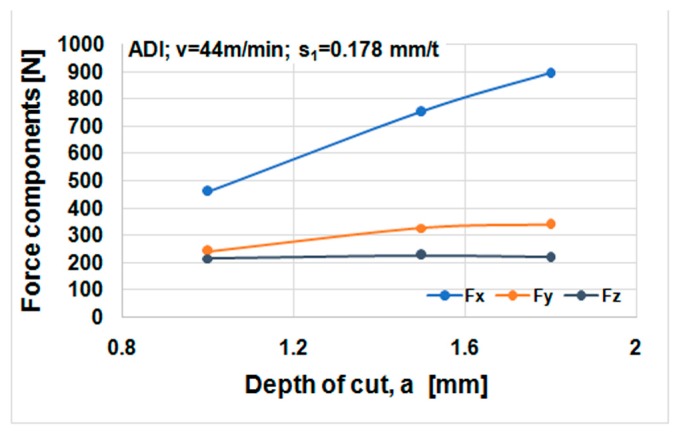
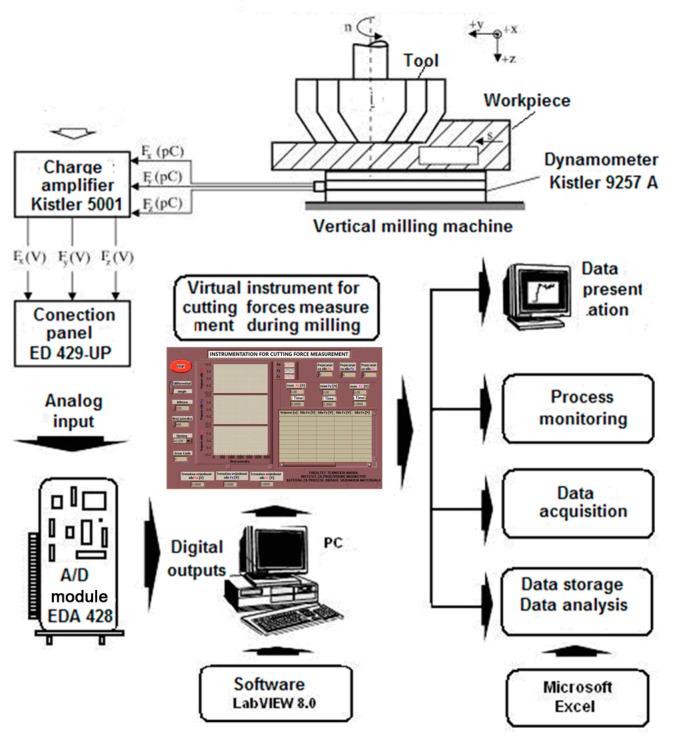
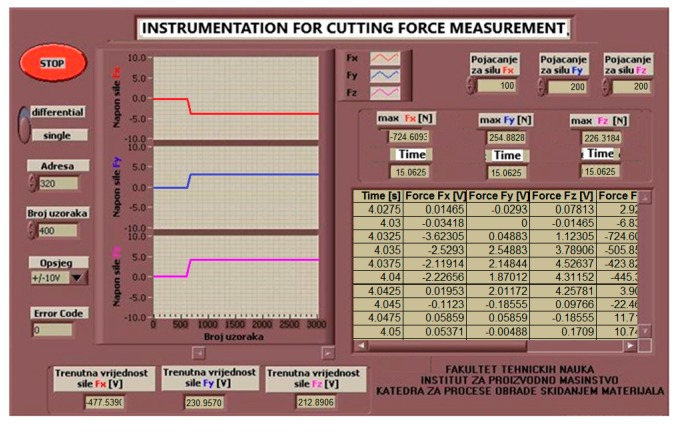
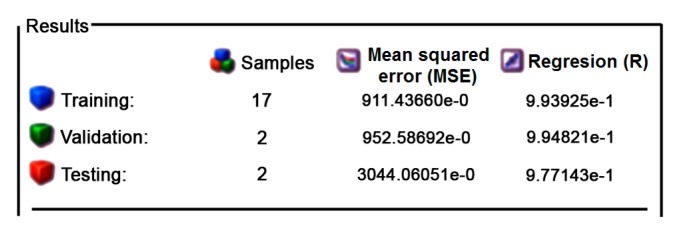
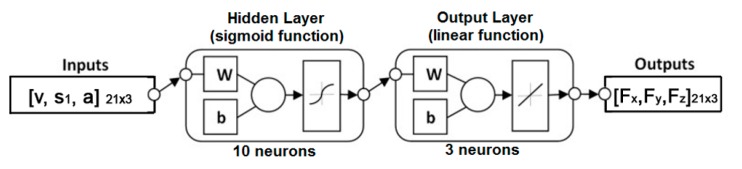
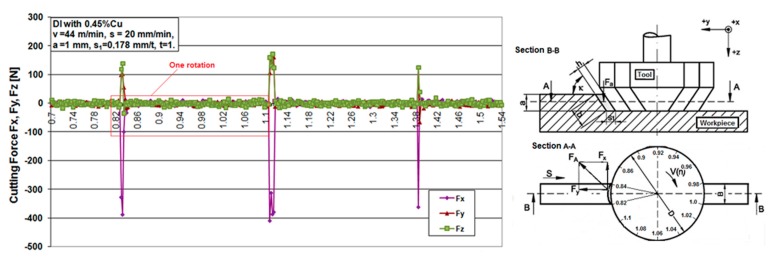
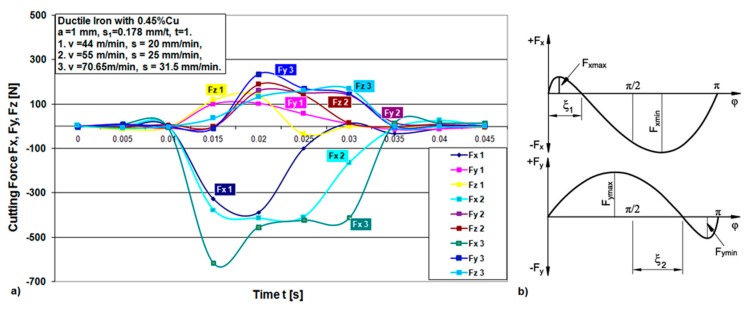
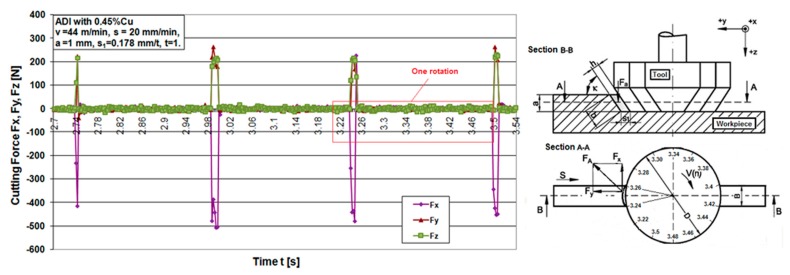
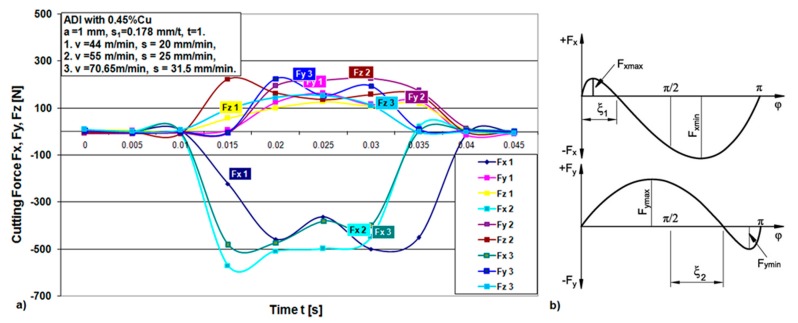
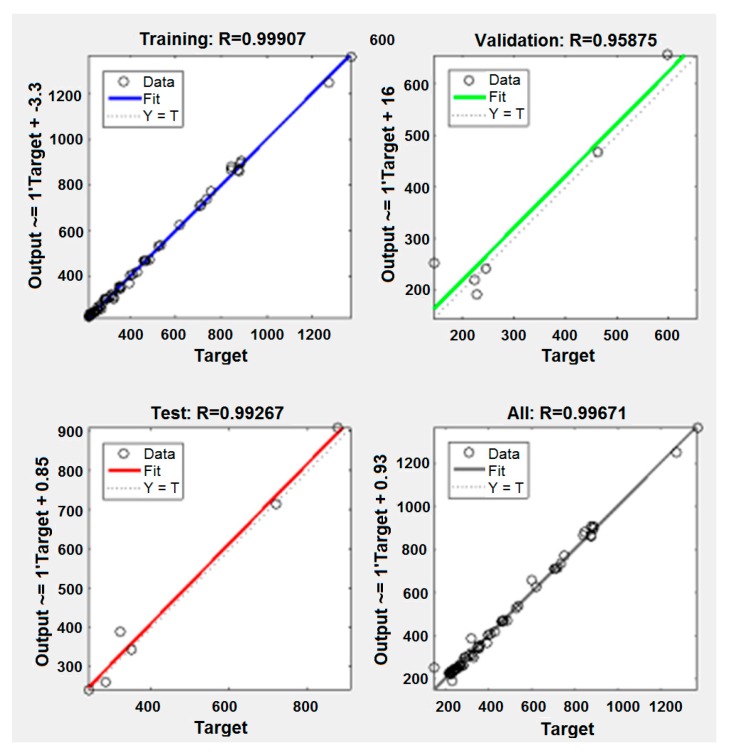
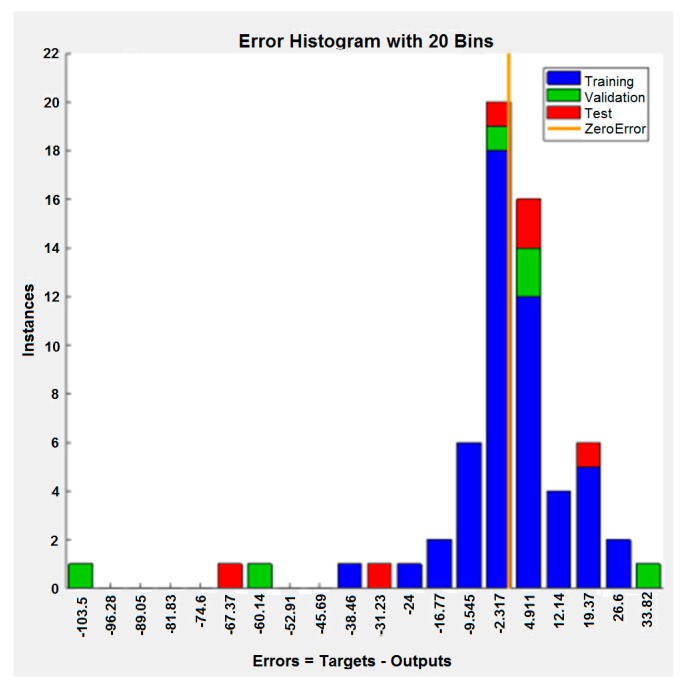
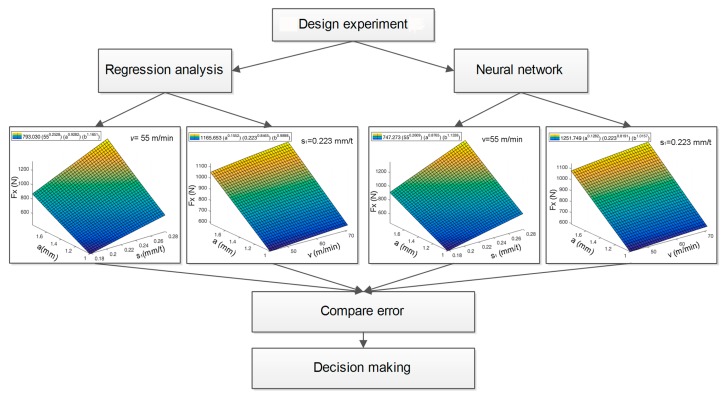
Experimental research of cutting force components during dry face milling operations are presented in the paper. The study was provided when milling of ductile cast iron alloyed with copper and its austempered ductile iron after the proper austempering process. In the study, virtual instrumentation designed for cutting forces components monitoring was used. During the research, orthogonal cutting forces components versus time were monitored and relationship of cutting forces components versus speed, feed and depth of cut were determined by artificial neural network and response surface methodology. An analysis was made regarding the consistency of the measured cutting forces and the values obtained from the model supported by an artificial neural network for the investigated interval of the cutting regime. Based on the results, an analysis of the feasibility of the application of austempered ductile iron in the industrial sector with the aspect of machinability as well as the application of the models based on artificial intelligence, was given. At the end of the presentation, the influence of the aforementioned cutting regimes on cutting force components is presented as well.

摘要

本文介绍了干式端面铣削加工过程中切削力分量的实验研究。该研究是在对含铜球墨铸铁及其经适当等温淬火工艺后的等温淬火球墨铸铁进行铣削时进行的。在研究中,使用了为监测切削力分量而设计的虚拟仪器。在研究过程中,监测了正交切削力分量随时间的变化情况,并通过人工神经网络和响应面方法确定了切削力分量与速度、进给量和切削深度之间的关系。对所研究切削工况区间内测量的切削力与人工神经网络支持的模型所得值的一致性进行了分析。基于这些结果,从切削加工性方面对等温淬火球墨铸铁在工业领域应用的可行性以及基于人工智能的模型的应用进行了分析。在报告结尾,还介绍了上述切削工况对切削力分量的影响。
https://cdn.ncbi.nlm.nih.gov/pmc/blobs/6954/6765992/b962a3d8bd8f/materials-12-02864-g019.jpg
https://cdn.ncbi.nlm.nih.gov/pmc/blobs/6954/6765992/e1f34f66dd5d/materials-12-02864-g001.jpg
https://cdn.ncbi.nlm.nih.gov/pmc/blobs/6954/6765992/3982d6785160/materials-12-02864-g002.jpg
https://cdn.ncbi.nlm.nih.gov/pmc/blobs/6954/6765992/922a5878cd9e/materials-12-02864-g003.jpg
https://cdn.ncbi.nlm.nih.gov/pmc/blobs/6954/6765992/67fc3978cb62/materials-12-02864-g004.jpg
https://cdn.ncbi.nlm.nih.gov/pmc/blobs/6954/6765992/7b832786c3db/materials-12-02864-g005.jpg
https://cdn.ncbi.nlm.nih.gov/pmc/blobs/6954/6765992/661ff3680b3f/materials-12-02864-g006.jpg
https://cdn.ncbi.nlm.nih.gov/pmc/blobs/6954/6765992/01a0c46d0913/materials-12-02864-g007.jpg
https://cdn.ncbi.nlm.nih.gov/pmc/blobs/6954/6765992/c89851280e03/materials-12-02864-g008.jpg
https://cdn.ncbi.nlm.nih.gov/pmc/blobs/6954/6765992/36f1d0b0791c/materials-12-02864-g009.jpg
https://cdn.ncbi.nlm.nih.gov/pmc/blobs/6954/6765992/30d09481b250/materials-12-02864-g010.jpg
https://cdn.ncbi.nlm.nih.gov/pmc/blobs/6954/6765992/ce3f599c0032/materials-12-02864-g011.jpg
https://cdn.ncbi.nlm.nih.gov/pmc/blobs/6954/6765992/56f36e0c2d52/materials-12-02864-g012.jpg
https://cdn.ncbi.nlm.nih.gov/pmc/blobs/6954/6765992/1e5fcac6f667/materials-12-02864-g013.jpg
https://cdn.ncbi.nlm.nih.gov/pmc/blobs/6954/6765992/69bb556a41d9/materials-12-02864-g014.jpg
https://cdn.ncbi.nlm.nih.gov/pmc/blobs/6954/6765992/c4ec6b7ac4b3/materials-12-02864-g015.jpg
https://cdn.ncbi.nlm.nih.gov/pmc/blobs/6954/6765992/20e09a113364/materials-12-02864-g016.jpg
https://cdn.ncbi.nlm.nih.gov/pmc/blobs/6954/6765992/612ffd2aa6e1/materials-12-02864-g017.jpg
https://cdn.ncbi.nlm.nih.gov/pmc/blobs/6954/6765992/8c6127acb4d9/materials-12-02864-g018.jpg
https://cdn.ncbi.nlm.nih.gov/pmc/blobs/6954/6765992/b962a3d8bd8f/materials-12-02864-g019.jpg
https://cdn.ncbi.nlm.nih.gov/pmc/blobs/6954/6765992/e1f34f66dd5d/materials-12-02864-g001.jpg
https://cdn.ncbi.nlm.nih.gov/pmc/blobs/6954/6765992/3982d6785160/materials-12-02864-g002.jpg
https://cdn.ncbi.nlm.nih.gov/pmc/blobs/6954/6765992/922a5878cd9e/materials-12-02864-g003.jpg
https://cdn.ncbi.nlm.nih.gov/pmc/blobs/6954/6765992/67fc3978cb62/materials-12-02864-g004.jpg
https://cdn.ncbi.nlm.nih.gov/pmc/blobs/6954/6765992/7b832786c3db/materials-12-02864-g005.jpg
https://cdn.ncbi.nlm.nih.gov/pmc/blobs/6954/6765992/661ff3680b3f/materials-12-02864-g006.jpg
https://cdn.ncbi.nlm.nih.gov/pmc/blobs/6954/6765992/01a0c46d0913/materials-12-02864-g007.jpg
https://cdn.ncbi.nlm.nih.gov/pmc/blobs/6954/6765992/c89851280e03/materials-12-02864-g008.jpg
https://cdn.ncbi.nlm.nih.gov/pmc/blobs/6954/6765992/36f1d0b0791c/materials-12-02864-g009.jpg
https://cdn.ncbi.nlm.nih.gov/pmc/blobs/6954/6765992/30d09481b250/materials-12-02864-g010.jpg
https://cdn.ncbi.nlm.nih.gov/pmc/blobs/6954/6765992/ce3f599c0032/materials-12-02864-g011.jpg
https://cdn.ncbi.nlm.nih.gov/pmc/blobs/6954/6765992/56f36e0c2d52/materials-12-02864-g012.jpg
https://cdn.ncbi.nlm.nih.gov/pmc/blobs/6954/6765992/1e5fcac6f667/materials-12-02864-g013.jpg
https://cdn.ncbi.nlm.nih.gov/pmc/blobs/6954/6765992/69bb556a41d9/materials-12-02864-g014.jpg
https://cdn.ncbi.nlm.nih.gov/pmc/blobs/6954/6765992/c4ec6b7ac4b3/materials-12-02864-g015.jpg
https://cdn.ncbi.nlm.nih.gov/pmc/blobs/6954/6765992/20e09a113364/materials-12-02864-g016.jpg
https://cdn.ncbi.nlm.nih.gov/pmc/blobs/6954/6765992/612ffd2aa6e1/materials-12-02864-g017.jpg
https://cdn.ncbi.nlm.nih.gov/pmc/blobs/6954/6765992/8c6127acb4d9/materials-12-02864-g018.jpg
https://cdn.ncbi.nlm.nih.gov/pmc/blobs/6954/6765992/b962a3d8bd8f/materials-12-02864-g019.jpg

相似文献

1
Comparative Characteristics of Ductile Iron and Austempered Ductile Iron Modeled by Neural Network.基于神经网络建模的球墨铸铁和等温淬火球墨铸铁的对比特性
Materials (Basel). 2019 Sep 5;12(18):2864. doi: 10.3390/ma12182864.
2
Microstructure and Dry/Wet Tribological Behaviors of 1% Cu-Alloyed Austempered Ductile Iron.1%铜合金等温淬火球墨铸铁的微观结构及干/湿摩擦学行为
Materials (Basel). 2023 Mar 12;16(6):2284. doi: 10.3390/ma16062284.
3
Milling with ceramic inserts of austempered ductile iron (ADI): process conditions and performance.用奥贝球铁(ADI)陶瓷刀片进行铣削加工:工艺条件与性能
Int J Adv Manuf Technol. 2020;110(3-4):899-907. doi: 10.1007/s00170-020-05942-2. Epub 2020 Aug 17.
4
Influence of Heat Treatment Parameters of Austempered Ductile Iron on the Microstructure, Corrosion and Tribological Properties.等温淬火球墨铸铁的热处理参数对其微观结构、耐腐蚀性及摩擦学性能的影响
Materials (Basel). 2023 May 31;16(11):4107. doi: 10.3390/ma16114107.
5
A Review on Heat Treatment of Cast Iron: Phase Evolution and Mechanical Characterization.铸铁热处理综述:相演变与力学特性
Materials (Basel). 2022 Oct 13;15(20):7109. doi: 10.3390/ma15207109.
6
Corrosion Characteristics of Copper-Added Austempered Gray Cast Iron (AGCI).加铜等温淬火灰口铸铁(AGCI)的腐蚀特性
Materials (Basel). 2019 Feb 6;12(3):503. doi: 10.3390/ma12030503.
7
Abrasive Wear of Mining Chain Drums Made of Austempered Ductile Iron in Different Operating Modes.不同运行模式下等温淬火球墨铸铁矿用链鼓的磨料磨损
Materials (Basel). 2022 Apr 7;15(8):2709. doi: 10.3390/ma15082709.
8
Multi-response optimization of process parameters in nitrogen-containing gray cast iron milling process based on application of non-dominated ranking genetic algorithm.基于非支配排序遗传算法应用的含氮灰铸铁铣削过程工艺参数多响应优化
Heliyon. 2022 Nov 17;8(11):e11629. doi: 10.1016/j.heliyon.2022.e11629. eCollection 2022 Nov.
9
Transition temperature and fracture mode of as-castand austempered ductile iron.
J Microsc. 2008 Dec;232(3):605-10. doi: 10.1111/j.1365-2818.2008.02125.x.
10
On the Machinability Evolution in Asymmetric Milling of TC25 Ti Alloy Aiming at High Performance Machining.面向高性能加工的TC25钛合金非对称铣削加工性演变研究
Materials (Basel). 2021 Nov 29;14(23):7306. doi: 10.3390/ma14237306.

引用本文的文献

1
A New Artificial Intelligence Approach Using Extreme Learning Machine as the Potentially Effective Model to Predict and Analyze the Diagnosis of Anemia.一种使用极限学习机作为潜在有效模型来预测和分析贫血诊断的新型人工智能方法。
Healthcare (Basel). 2023 Feb 26;11(5):697. doi: 10.3390/healthcare11050697.
2
Studies on Wear of a Milling Chuck for a Production Line of Specialized Elements Used in Lockstitch Machines.用于锁式线迹缝纫机专用部件生产线的铣夹头磨损研究。
Materials (Basel). 2022 May 9;15(9):3402. doi: 10.3390/ma15093402.
3
Assessment of the Influence of Selected Technological Parameters on the Morphology Parameters of the Cutting Surfaces of the Hardox 500 Material Cut by Abrasive Water Jet Technology.

本文引用的文献

1
Intelligent Optimization of Hard-Turning Parameters Using Evolutionary Algorithms for Smart Manufacturing.基于进化算法的智能制造硬车削参数智能优化
Materials (Basel). 2019 Mar 15;12(6):879. doi: 10.3390/ma12060879.
2
Experimental Investigation on Ductile Mode Micro-Milling of ZrO₂ Ceramics with Diamond-Coated End Mills.使用金刚石涂层立铣刀对ZrO₂陶瓷进行延性模式微铣削的实验研究。
Micromachines (Basel). 2018 Mar 14;9(3):127. doi: 10.3390/mi9030127.
评估选定工艺参数对采用磨料水射流技术切割的Hardox 500材料切割表面形态参数的影响。
Materials (Basel). 2022 Feb 13;15(4):1381. doi: 10.3390/ma15041381.