Dondapati Srujan Kumar, Lübberding Henning, Zemella Anne, Thoring Lena, Wüstenhagen Doreen A, Kubick Stefan
Fraunhofer Institute for Cell Therapy and Immunology (IZI), Branch Bioanalytics and Bioprocesses (IZI-BB), Am Mühlenberg, Potsdam, Germany.
Faculty of Health Sciences, Joint Faculty of the Brandenburg University of Technology Cottbus - Senftenberg, The Brandenburg Medical School Theodor Fontane, University of Potsdam, Potsdam, Germany.
Front Pharmacol. 2019 Aug 30;10:917. doi: 10.3389/fphar.2019.00917. eCollection 2019.
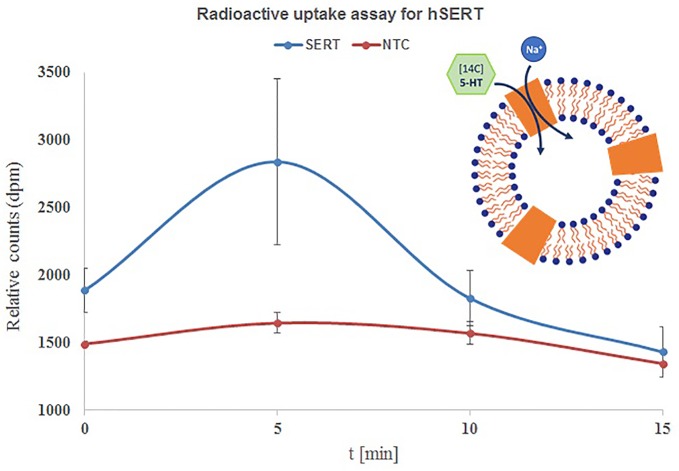
Cell-free protein synthesis (CFPS) based on eukaryotic 21 lysate is gaining interest among researchers due to its ability to handle the synthesis of complex human membrane proteins (MPs). Additionally 21 cell-free systems contain endogenous microsomal vesicles originally derived from the endoplasmic reticulum (ER). After CFPS, MPs will be translocated into the microsomal vesicles membranes present in the lysates. Thus microsomal membranes offer a natural environment for synthesized MPs. Despite the advantage of synthesizing complex MPs with post translational modifications directly into the microsomal membranes without any additional solubilization supplements, batch based 21 cell-free synthesis suffers from low yields. The bottleneck for MPs in particular after the synthesis and incorporation into the microsomal membranes is to analyze their functionality. Apart from low yields of the synthesized MPs with batch based cell-free synthesis, the challenges arise in the form of cytoskeleton elements and peripheral endogenous proteins surrounding the microsomes which may impede the functional analysis of the synthesized proteins. So careful sample processing after the synthesis is particularly important for developing the appropriate functional assays. Here we demonstrate how MPs (native and batch synthesized) from ER derived microsomes can be processed for functional analysis by electrophysiology and radioactive uptake assay methods. Treatment of the microsomal membranes either with a sucrose washing step in the case of human serotonin transporter (hSERT) and sarco/endoplasmic reticulum Ca2+/ATPase (SERCA) pump or with mild detergents followed by the preparation of proteoliposomes in the case of the human voltage dependent anionic channel (hVDAC1) helps to analyze the functional properties of MPs.
基于真核细胞裂解液的无细胞蛋白质合成(CFPS)因其能够处理复杂人类膜蛋白(MPs)的合成而受到研究人员的关注。此外,无细胞系统含有最初源自内质网(ER)的内源性微粒体囊泡。CFPS后,MPs将被转运到裂解液中存在的微粒体囊泡膜中。因此,微粒体膜为合成的MPs提供了天然环境。尽管有直接将具有翻译后修饰的复杂MPs合成到微粒体膜中而无需任何额外增溶补充剂的优势,但基于批次的无细胞合成产量较低。特别是对于MPs而言,在合成并整合到微粒体膜之后,其功能分析是一个瓶颈。除了基于批次的无细胞合成中合成的MPs产量低之外,还存在以围绕微粒体的细胞骨架成分和外周内源性蛋白质形式出现的挑战,这可能会阻碍合成蛋白质的功能分析。因此,合成后仔细的样品处理对于开发合适的功能测定尤为重要。在这里,我们展示了如何通过电生理学和放射性摄取测定方法对源自内质网的微粒体中的MPs(天然和批次合成的)进行功能分析处理。对于人血清素转运蛋白(hSERT)和肌浆/内质网Ca2+/ATP酶(SERCA)泵,用蔗糖洗涤步骤处理微粒体膜;对于人电压依赖性阴离子通道(hVDAC1),先用温和的去污剂处理,然后制备蛋白脂质体,这有助于分析MPs的功能特性。