Department of Gastroenterology, Hepatology and Endocrinology, Hannover Medical School, Hanover, Germany.
Cluster of Excellence RESIST (EXC 2155), Hannover Medical School, Hanover, Germany.
Front Immunol. 2019 Sep 4;10:2076. doi: 10.3389/fimmu.2019.02076. eCollection 2019.
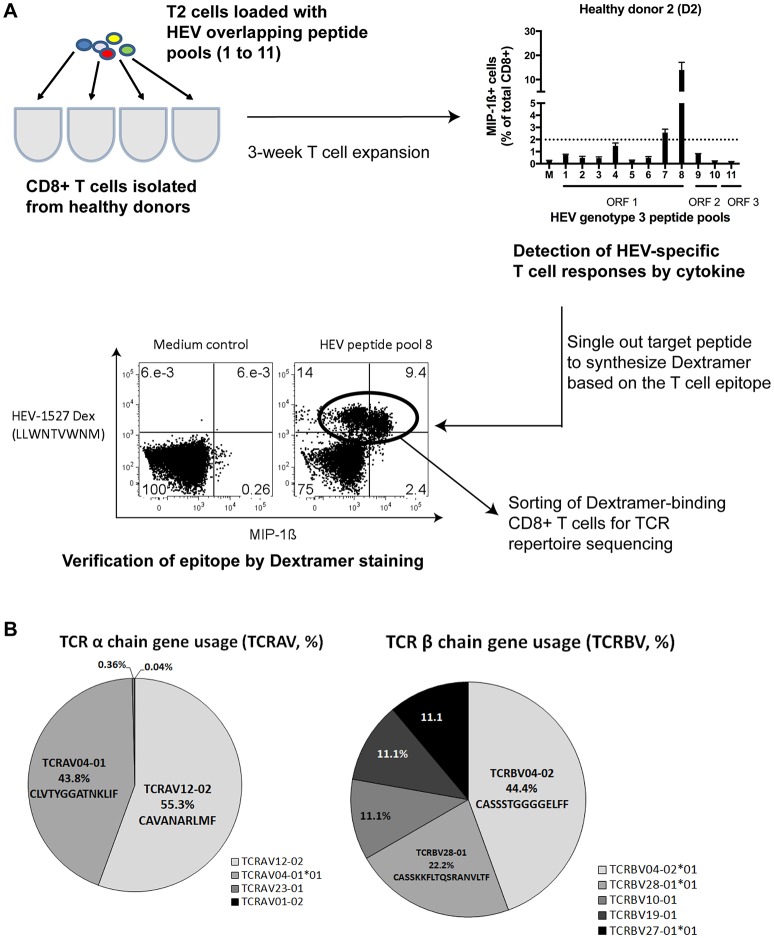
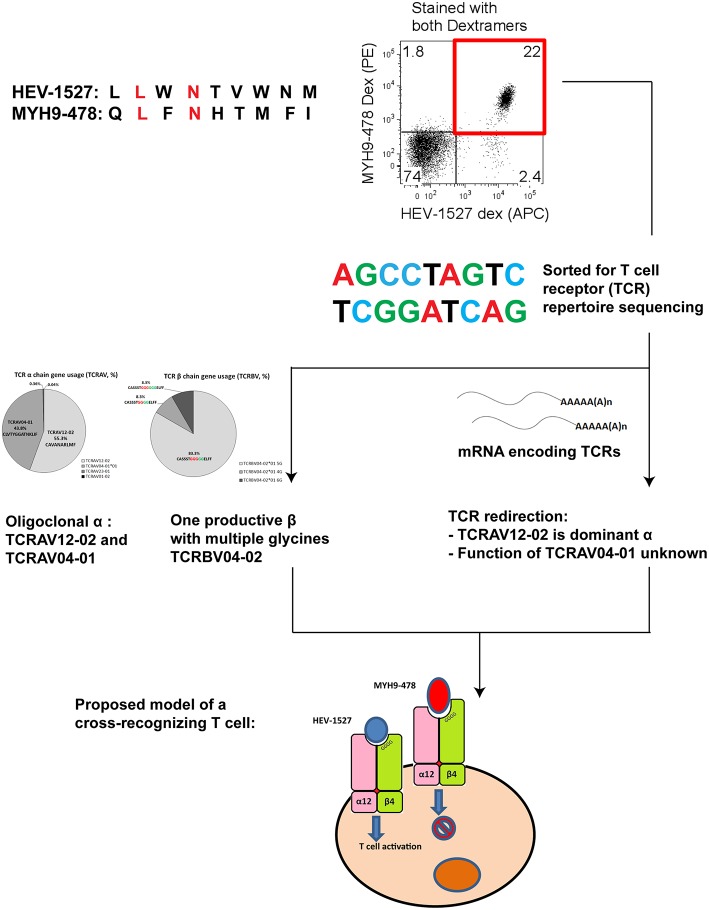
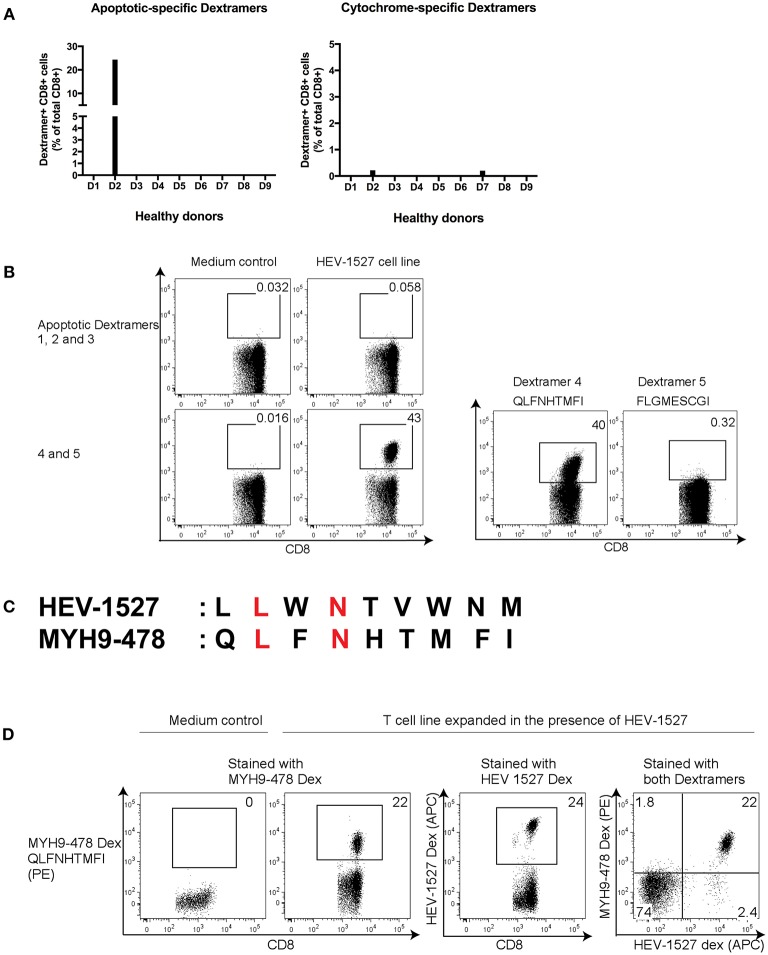
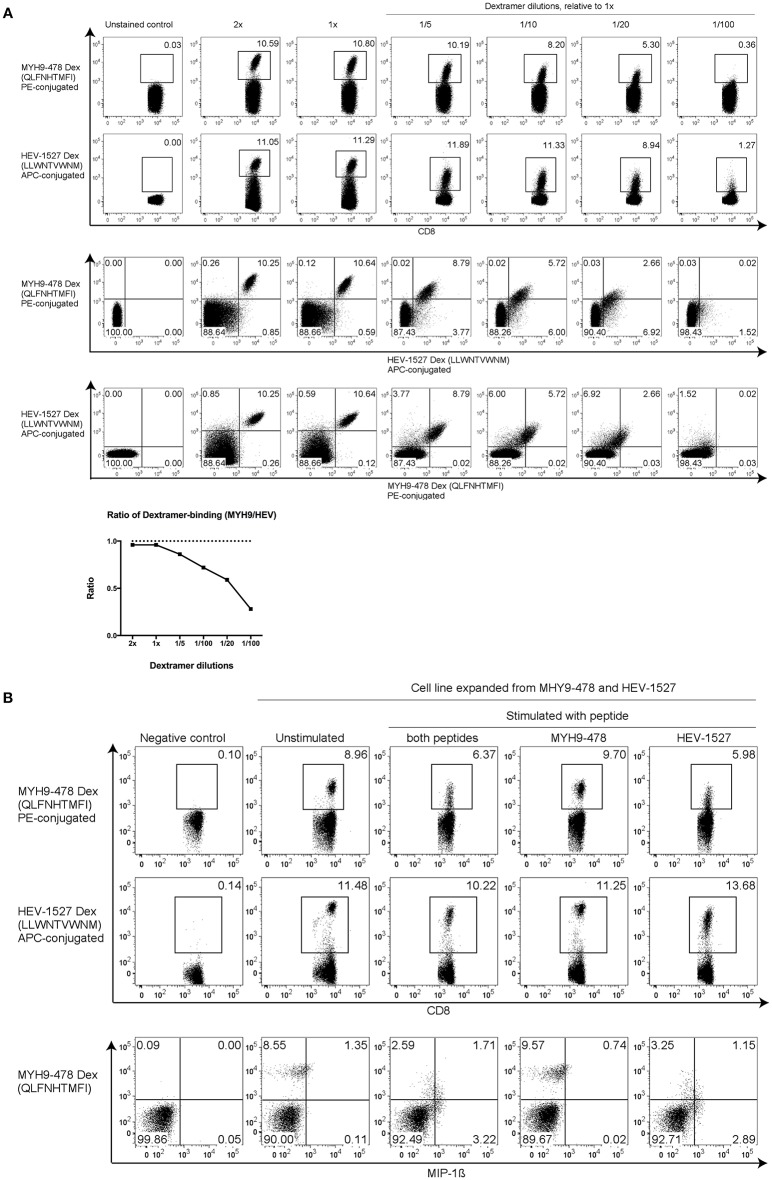
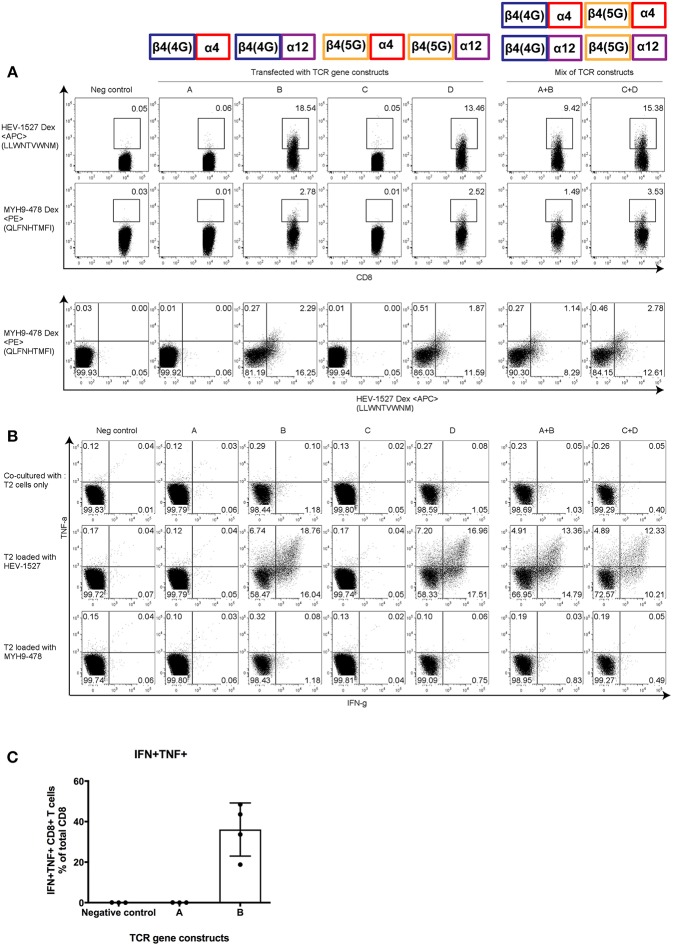
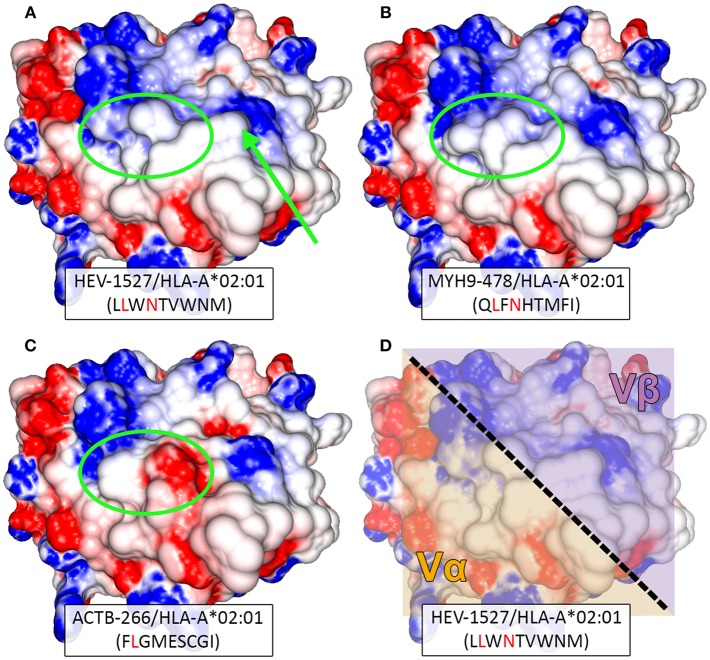
T cell immunotherapy is a concept developed for the treatment of cancer and infectious diseases, based on cytotoxic T lymphocytes to target tumor- or pathogen-specific antigens. Antigen-specificity of the T cell receptors (TCRs) is an important selection criterion in the developmental design of immunotherapy. However, off-target specificity is a possible autoimmunity concern if the engineered antigen-specific T cells are cross-reacting to self-peptides . In our recent work, we identified several hepatitis E virus (HEV)-specific TCRs as potential candidates to be developed into T cell therapy to treat chronic hepatitis E. One of the identified TCRs, targeting a HLA-A2-restricted epitope at the RNA-dependent RNA polymerase (HEV-1527: LLWNTVWNM), possessed a unique multiple glycine motif in the TCR-β CDR3, which might be a factor inducing cross-reactivity. The aim of our study was to explore if this TCR could cross-recognize self-peptides to underlay autoimmunity. Indeed, we found that this HEV-1527-specific TCR could also cross-recognize an apoptosis-related epitope, Nonmuscle Myosin Heavy Chain 9 (MYH9-478: QLFNHTMFI). While this TCR had dual specificities to both viral epitope and a self-antigen by double Dextramer binding, it was selectively functional against HEV-1527 but not activated against MYH9-478. The consecutive glycine motif in β chain may be the reason promoting TCR binding promiscuity to recognize a secondary target, thereby facilitating cross-recognition. In conclusion, candidate TCRs for immunotherapy development should be screened for autoimmune potential, especially when the TCRs exhibit unique sequence pattern.
T 细胞免疫疗法是一种基于细胞毒性 T 淋巴细胞针对肿瘤或病原体特异性抗原的癌症和传染病治疗概念。T 细胞受体 (TCRs) 的抗原特异性是免疫疗法开发中设计的重要选择标准。然而,如果工程化的抗原特异性 T 细胞对自身肽发生交叉反应,则可能存在自身免疫的潜在问题。在我们最近的工作中,我们鉴定了几种戊型肝炎病毒 (HEV)特异性 TCR,它们可能成为开发治疗慢性戊型肝炎的 T 细胞治疗的候选物。鉴定的 TCR 之一,靶向 RNA 依赖性 RNA 聚合酶 (HEV-1527:LLWNTVWNM) 上的 HLA-A2 限制性表位,在 TCR-β CDR3 中具有独特的多个甘氨酸基序,这可能是诱导交叉反应的因素之一。我们研究的目的是探讨该 TCR 是否能识别自身肽从而引发自身免疫。事实上,我们发现该 HEV-1527 特异性 TCR 也可以交叉识别与凋亡相关的表位,非肌肉肌球蛋白重链 9 (MYH9-478:QLFNHTMFI)。虽然该 TCR 通过双重 Dextramer 结合具有对病毒表位和自身抗原的双重特异性,但它对 HEV-1527 具有选择性功能,而对 MYH9-478 则不激活。β 链中的连续甘氨酸基序可能是促进 TCR 结合混杂性以识别次要靶标的原因,从而促进交叉识别。总之,用于免疫疗法开发的候选 TCR 应筛选其自身免疫潜能,特别是当 TCR 表现出独特的序列模式时。