Environmental Disease Research Center, Korea Research Institute of Bioscience and Biotechnology, Daejeon, 34141, Republic of Korea.
Industrial Bio-Materials Research Center, Korea Research Institute of Bioscience and Biotechnology, Daejeon, 34141, Republic of Korea.
Cell Death Dis. 2019 Oct 7;10(10):758. doi: 10.1038/s41419-019-1994-2.
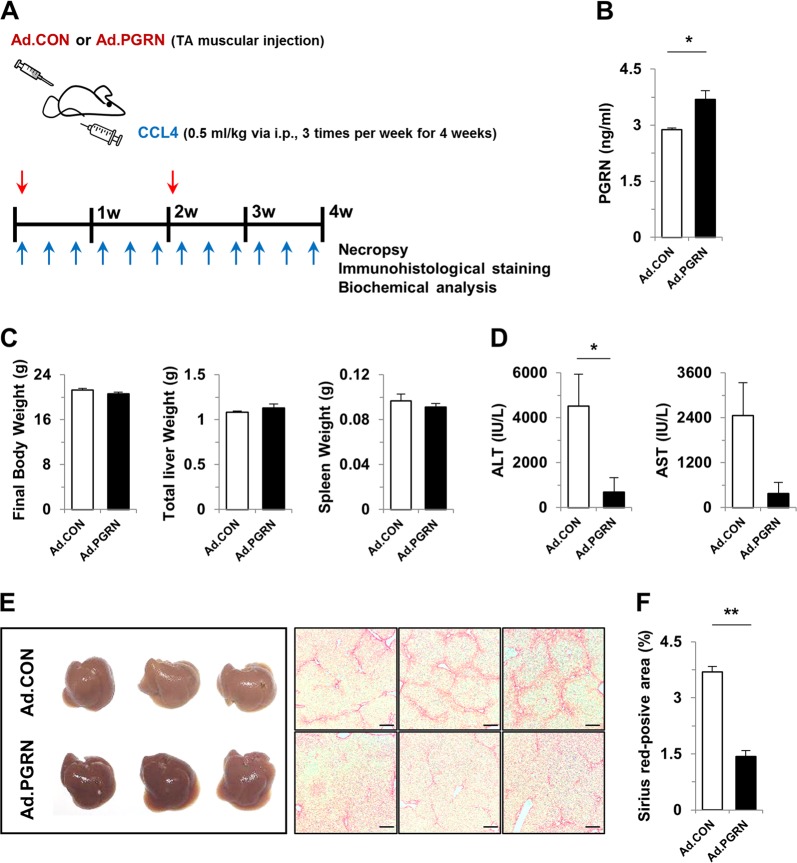
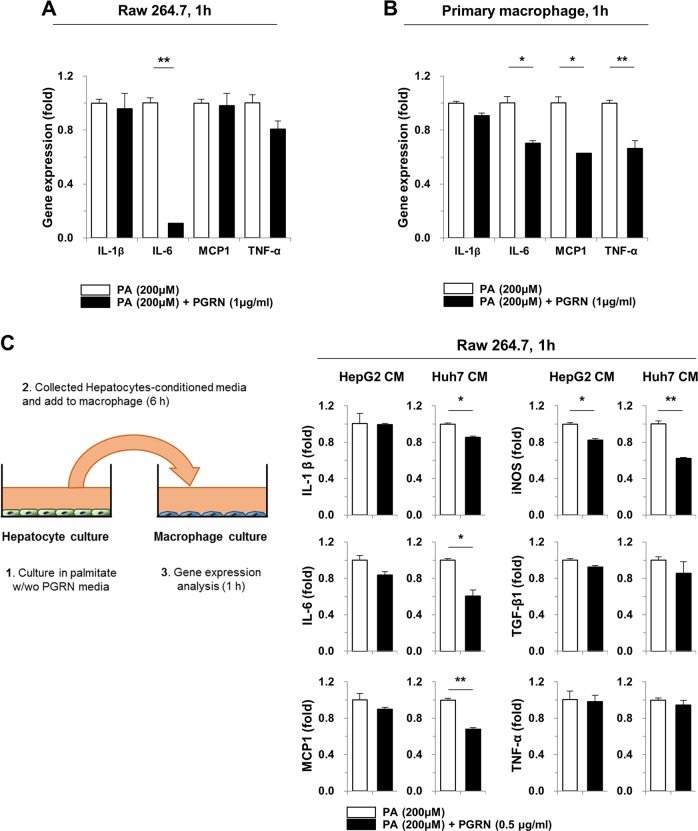
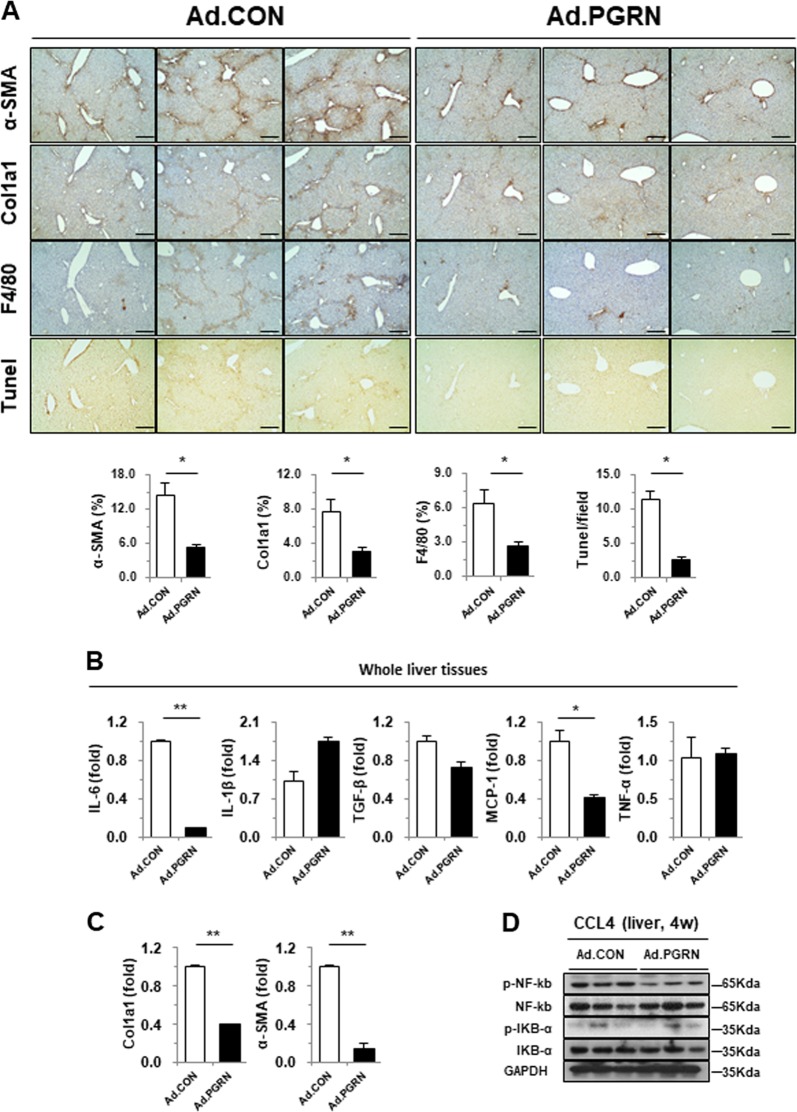
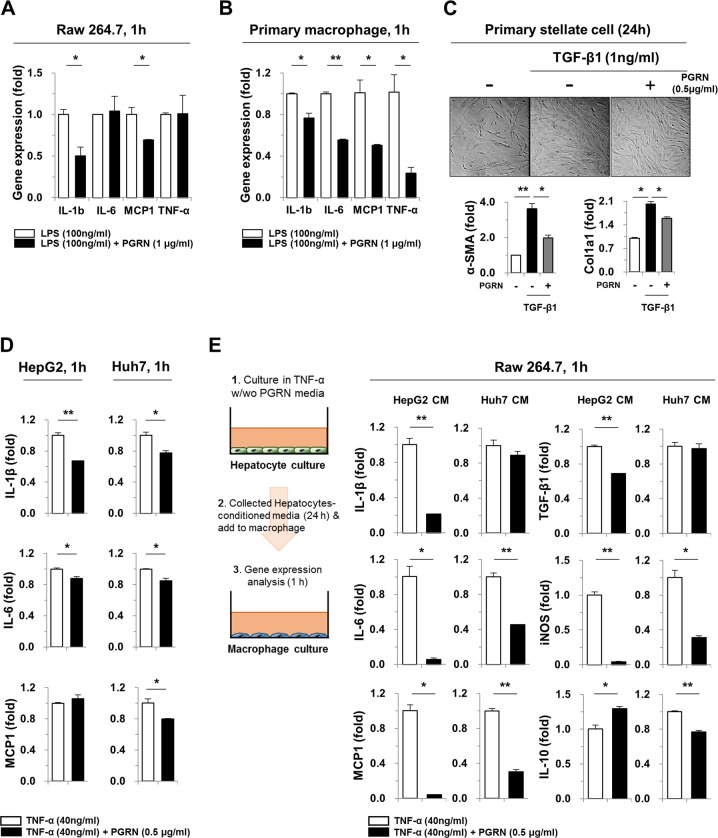
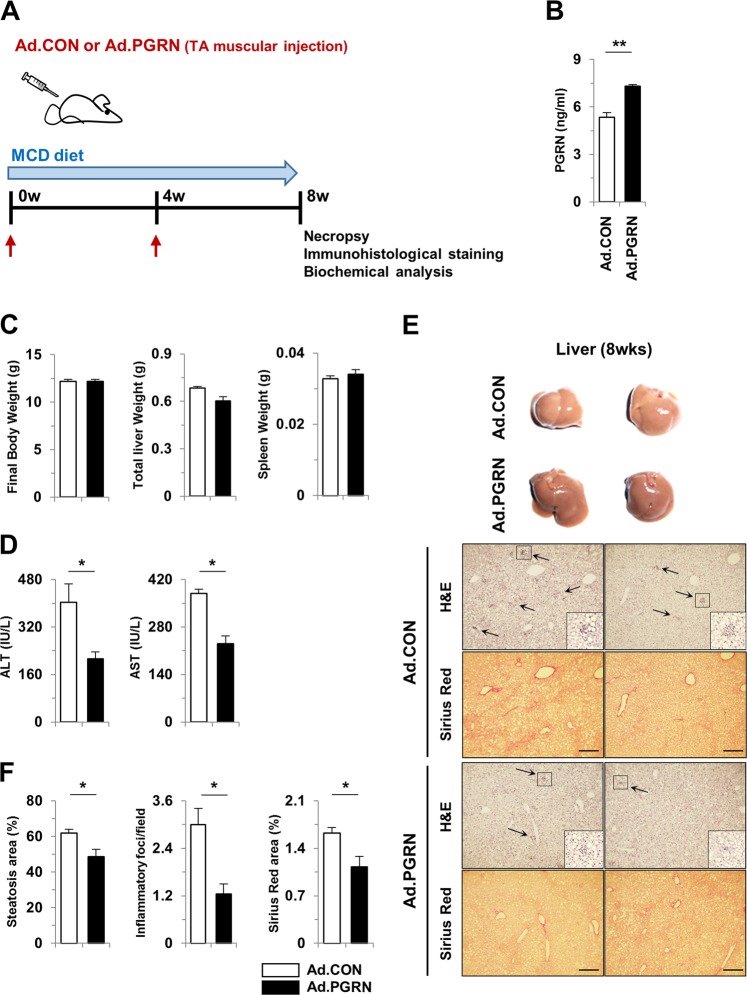
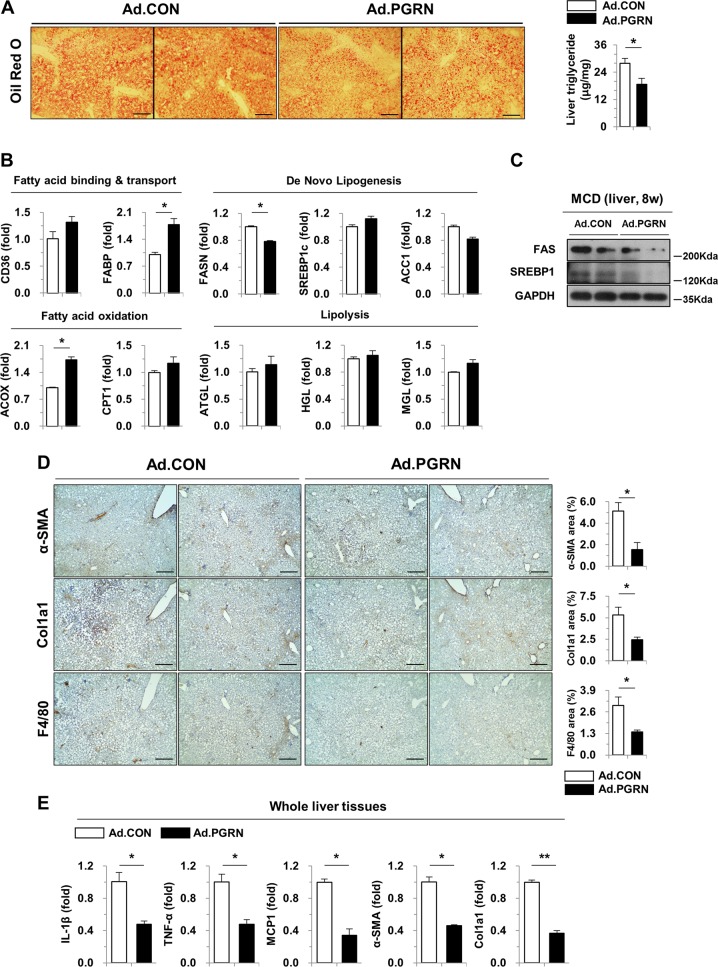
Progranulin (PGRN) is a cysteine-rich secreted protein expressed in endothelial cells, immune cells, neurons, and adipocytes. It was first identified for its growth factor-like properties, being implicated in tissue remodeling, development, inflammation, and protein homeostasis. However, these findings are controversial, and the role of PGRN in liver disease remains unknown. In the current study, we examined the effect of PGRN in two different models of chronic liver disease, methionine-choline-deficient diet (MCD)-induced non-alcoholic steatohepatitis (NASH) and carbon tetrachloride (CCl4)-induced liver fibrosis. To induce long-term expression of PGRN, PGRN-expressing adenovirus was delivered via injection into the tibialis anterior. In the CCl4-induced fibrosis model, PGRN showed protective effects against hepatic injury, inflammation, and fibrosis via inhibition of nuclear transcription factor kappa B (NF-κB) phosphorylation. PGRN also decreased lipid accumulation and inhibited pro-inflammatory cytokine production and fibrosis in the MCD-induced NASH model. In vitro treatment of primary macrophages and Raw 264.7 cells with conditioned media from hepatocytes pre-treated with PGRN prior to stimulation with tumor necrosis factor (TNF)-α or palmitate decreased their expression of pro-inflammatory genes. Furthermore, PGRN suppressed inflammatory and fibrotic gene expression in a cell culture model of hepatocyte injury and primary stellate cell activation. These observations increase our understanding of the role of PGRN in liver injury and suggest PGRN delivery as a potential therapeutic strategy in chronic inflammatory liver disease.
颗粒体蛋白聚糖(PGRN)是一种富含半胱氨酸的分泌蛋白,在血管内皮细胞、免疫细胞、神经元和脂肪细胞中表达。它最初因其生长因子样特性而被鉴定出来,与组织重塑、发育、炎症和蛋白质稳态有关。然而,这些发现存在争议,PGRN 在肝脏疾病中的作用仍不清楚。在本研究中,我们研究了 PGRN 在两种不同的慢性肝病模型中的作用,即蛋氨酸-胆碱缺乏饮食(MCD)诱导的非酒精性脂肪性肝炎(NASH)和四氯化碳(CCl4)诱导的肝纤维化。为了诱导 PGRN 的长期表达,通过注射到胫骨前肌将表达 PGRN 的腺病毒递送至体内。在 CCl4 诱导的纤维化模型中,PGRN 通过抑制核转录因子 kappa B(NF-κB)磷酸化,对肝损伤、炎症和纤维化表现出保护作用。PGRN 还减少了 MCD 诱导的 NASH 模型中的脂质积累,并抑制了促炎细胞因子的产生和纤维化。用 PGRN 预处理的肝细胞条件培养基处理原代巨噬细胞和 Raw 264.7 细胞,可降低其在肿瘤坏死因子(TNF)-α或棕榈酸刺激下促炎基因的表达。此外,PGRN 抑制了肝细胞损伤和原代星状细胞激活的细胞培养模型中的炎症和纤维化基因表达。这些观察结果增加了我们对 PGRN 在肝损伤中的作用的理解,并表明 PGRN 递送可能是慢性炎症性肝病的一种潜在治疗策略。