Góreczny Sebastian, Krings Gregor, Hijazi Ziyad M, Fagan Thomas, Berman Darren, Kenny Damien, Morgan Gareth J
Department of Cardiology, Polish Mother's Memorial Hospital, Research Institute, Lodz, Poland.
Department of Cardiology, Colorado Children's Hospital, Aurora, Colorado, USA.
Postepy Kardiol Interwencyjnej. 2019;15(3):263-273. doi: 10.5114/aic.2019.87688. Epub 2019 Sep 4.
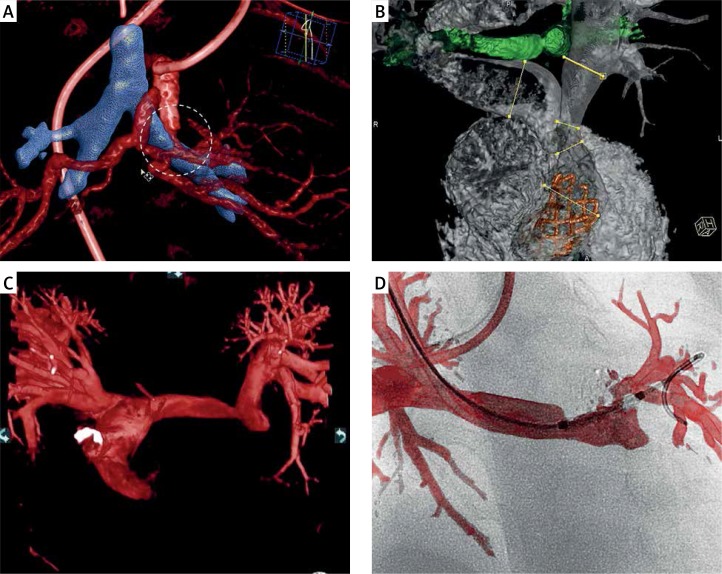
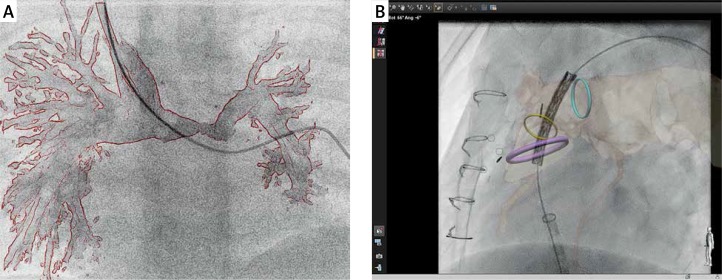
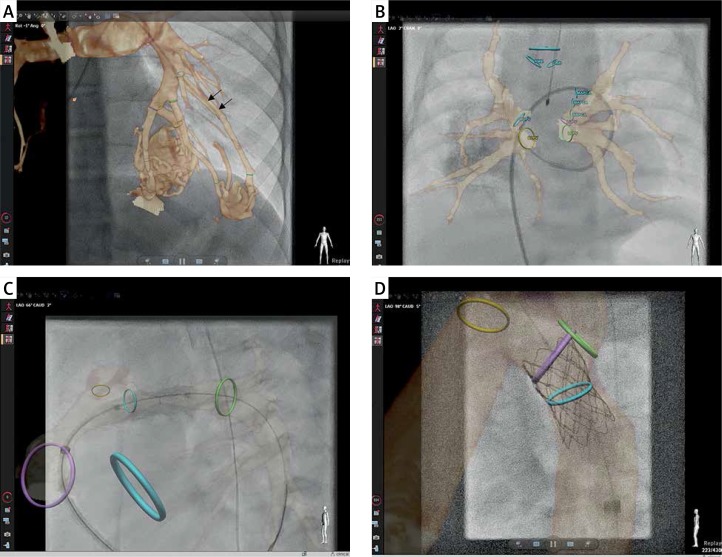
Step changes in angiographic imaging are not commonplace. Since the move from analogue to digital and flat detector plates, two-dimensional imaging technology has certainly evolved but not jumped forward. Of all the routine imaging techniques used in cardiology, angiography has been the last modality to embrace the third dimension. Although the development of rotational angiography was initially for the benefit of neuroimaging and fusion of cross sectional datasets was aimed at the treatment of descending aortic pathology, interventional physicians in congenital and structural cardiology have immersed themselves in this technology over the last 10 years. Like many disruptive technologies, its introduction has divided opinion. We aimed to explore the mindset of those in the field of interventional cardiology who are driving imaging forward. These structured interviews recorded during the 21 Pediatric and Adult Interventional Cardiac Symposium illustrate the challenges and sticking points as well as giving an insight into the direction of travel for three-dimensional imaging and fusion techniques. Covering a wide range of career development, seniority and experience, the interviewees in this article are probably responsible for the majority of the published literature on invasive three-dimensional imaging in congenital heart disease.
血管造影成像的显著变化并不常见。自从从模拟成像转向数字平板探测器以来,二维成像技术确实有所发展,但并非取得了重大突破。在心脏病学中使用的所有常规成像技术中,血管造影术是最后一种采用三维成像的方式。尽管旋转血管造影术最初是为了神经成像的益处而开发,横截面数据集融合旨在治疗降主动脉病变,但在过去10年里,先天性和结构性心脏病介入医生已全身心投入到这项技术中。与许多颠覆性技术一样,它的引入引发了不同意见。我们旨在探究推动成像技术发展的介入心脏病学领域人士的思维模式。在第21届儿科和成人介入心脏研讨会上进行的这些结构化访谈,阐述了挑战和症结所在,同时深入了解了三维成像和融合技术的发展方向。本文的受访者涵盖了广泛的职业发展、资历和经验,他们可能撰写了关于先天性心脏病有创三维成像的大部分已发表文献。