Alqarni Abdulmalik M, Dissanayake Tharushi, Nelson David J, Parkinson John A, Dufton Mark J, Ferro Valerie A, Watson David G
Strathclyde Institute of Pharmacy and Biomedical Sciences, University of Strathclyde, 161 Cathedral Street, Glasgow G4 0RE, UK.
Department of Pharmaceutical Chemistry, College of Clinical Pharmacy, Imam Abdulrahman Bin Faisal University (University of Dammam), Dammam 31441, Saudi Arabia.
Vaccines (Basel). 2019 Oct 9;7(4):142. doi: 10.3390/vaccines7040142.
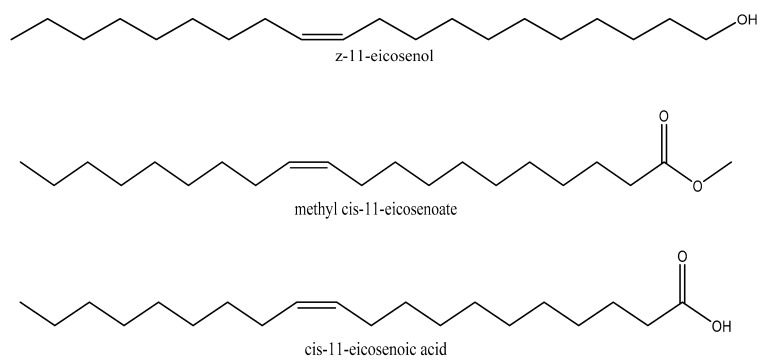
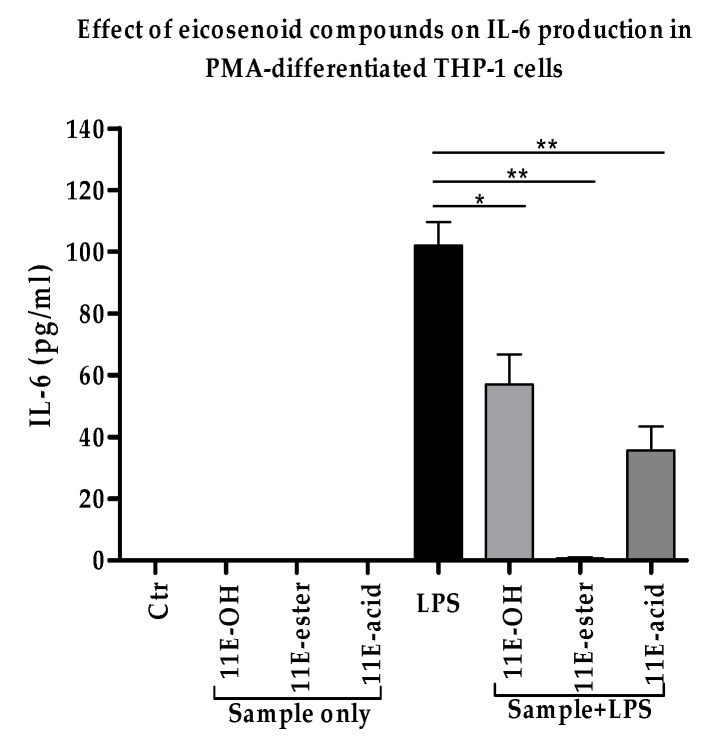
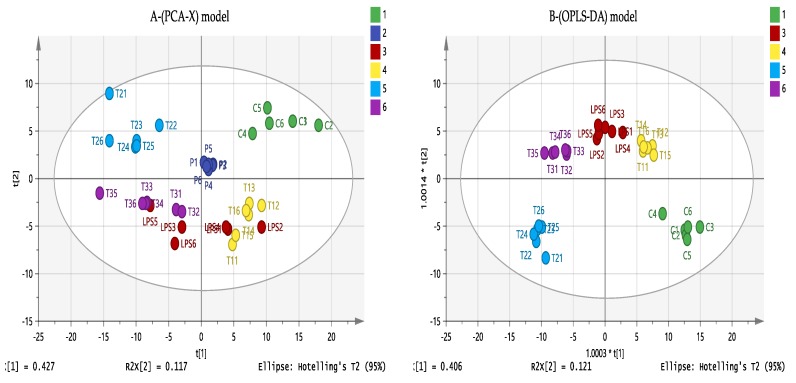
Honey bee venom has been established to have significant effect in immunotherapy. In the present study, (Z)-11-eicosenol-a major constituent of bee venom, along with its derivations methyl cis-11-eicosenoate and cis-11-eicosenoic acid, were synthesised to investigate their immune stimulatory effect and possible use as vaccine adjuvants. Stimuli that prime and activate the immune system have exerted profound effects on immune cells, particularly macrophages; however, the effectiveness of bee venom constituents as immune stimulants has not yet been established. Here, the abilities of these compounds to act as pro-inflammatory stimuli were assessed, either alone or in combination with lipopolysaccharide (LPS), by examining the secretion of tumour necrosis factor-α (TNF-α) and the cytokines interleukin-1β (IL-1β), IL-6 and IL-10 by THP-1 macrophages. The compounds clearly increased the levels of IL-1β and decreased IL-10, whereas a decrease in IL-6 levels suggested a complex mechanism of action. A more in-depth profile of macrophage behaviour was therefore obtained by comprehensive untargeted metabolic profiling of the cells using liquid chromatography mass spectrometry (LC-MS) to confirm the ability of the eicosanoids to trigger the immune system. The level of 358 polar and 315 non-polar metabolites were changed significantly ( < 0.05) by all treatments. The LPS-stimulated production of most of the inflammatory metabolite biomarkers in glycolysis, the tricarboxylic acid (TCA) cycle, the pentose phosphate pathway, purine, pyrimidine and fatty acids metabolism were significantly enhanced by all three compounds, and particularly by methyl cis-11-eicosenoate and cis-11-eicosenoic acid. These findings support the proposed actions of (Z)-11-eicosenol, methyl cis-11-eicosenoate and cis-11-eicosenoic acid as immune system stimulators.
已证实蜜蜂毒液在免疫疗法中具有显著作用。在本研究中,合成了蜜蜂毒液的主要成分(Z)-11-二十碳烯醇及其衍生物顺式-11-甲基二十碳烯酸酯和顺式-11-二十碳烯酸,以研究它们的免疫刺激作用以及作为疫苗佐剂的潜在用途。引发和激活免疫系统的刺激物对免疫细胞,尤其是巨噬细胞产生了深远影响;然而,蜜蜂毒液成分作为免疫刺激剂的有效性尚未得到证实。在此,通过检测THP-1巨噬细胞分泌的肿瘤坏死因子-α(TNF-α)以及细胞因子白细胞介素-1β(IL-1β)、IL-6和IL-10,评估了这些化合物单独或与脂多糖(LPS)联合作为促炎刺激物的能力。这些化合物明显提高了IL-1β的水平并降低了IL-10,而IL-6水平的降低表明其作用机制复杂。因此,通过使用液相色谱质谱联用(LC-MS)对细胞进行全面的非靶向代谢谱分析,获得了更深入的巨噬细胞行为特征,以确认类二十烷酸触发免疫系统的能力。所有处理均使358种极性代谢物和315种非极性代谢物的水平发生了显著变化(<0.05)。所有三种化合物,尤其是顺式-11-甲基二十碳烯酸酯和顺式-11-二十碳烯酸,均显著增强了LPS刺激的糖酵解、三羧酸(TCA)循环、磷酸戊糖途径、嘌呤、嘧啶和脂肪酸代谢中大多数炎性代谢物生物标志物的产生。这些发现支持了(Z)-11-二十碳烯醇、顺式-11-甲基二十碳烯酸酯和顺式-11-二十碳烯酸作为免疫系统刺激剂的作用。