Division of Gastroenterology, Hepatology, and Nutrition, Department of Medicine, Vanderbilt University Medical Center, Nashville, Tennessee, USA.
Center for Mucosal Inflammation and Cancer, Vanderbilt University Medical Center, Nashville, Tennessee, USA.
mBio. 2019 Oct 29;10(5):e02174-19. doi: 10.1128/mBio.02174-19.
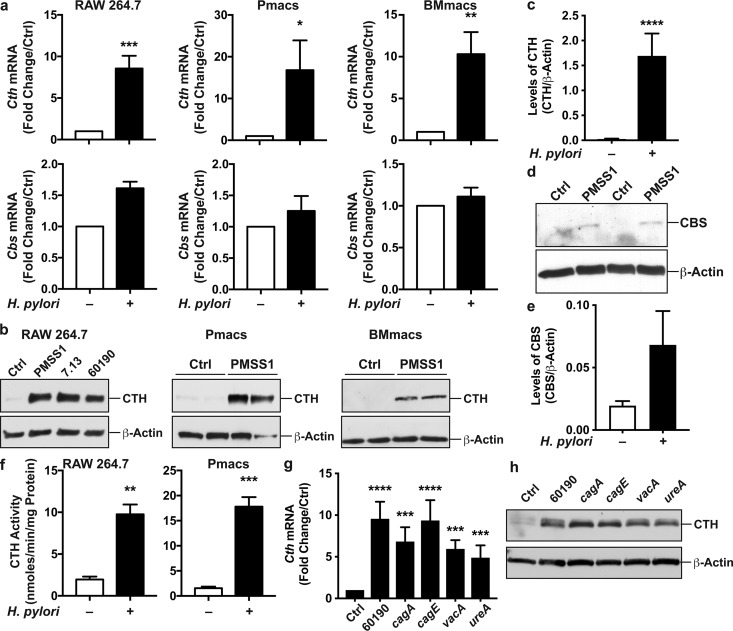
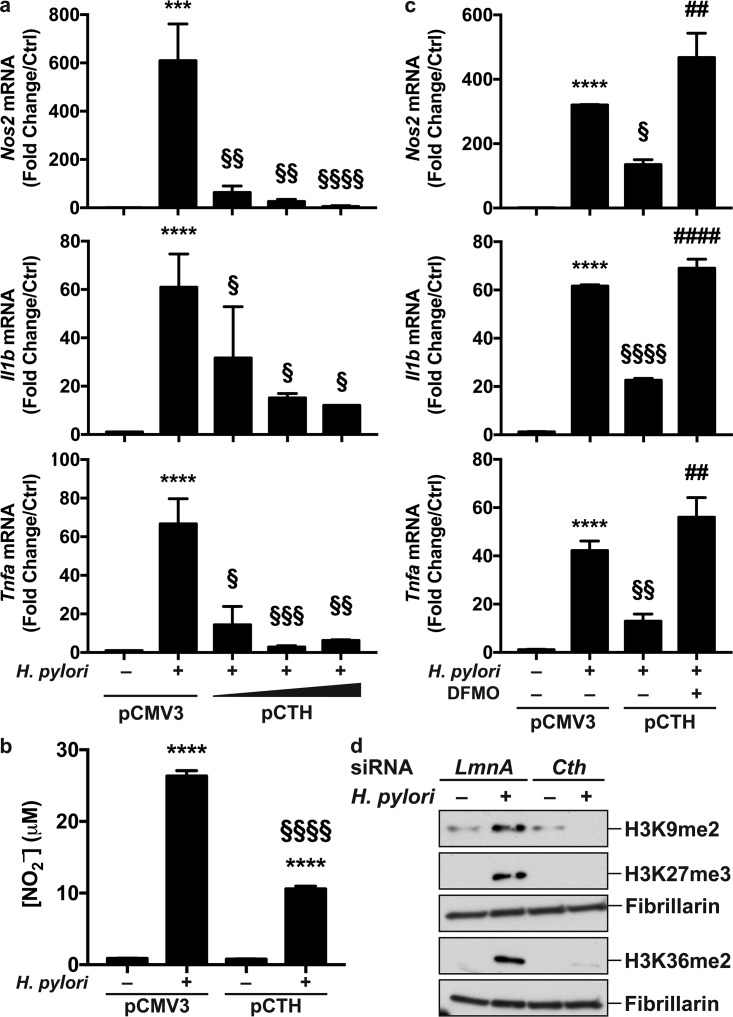
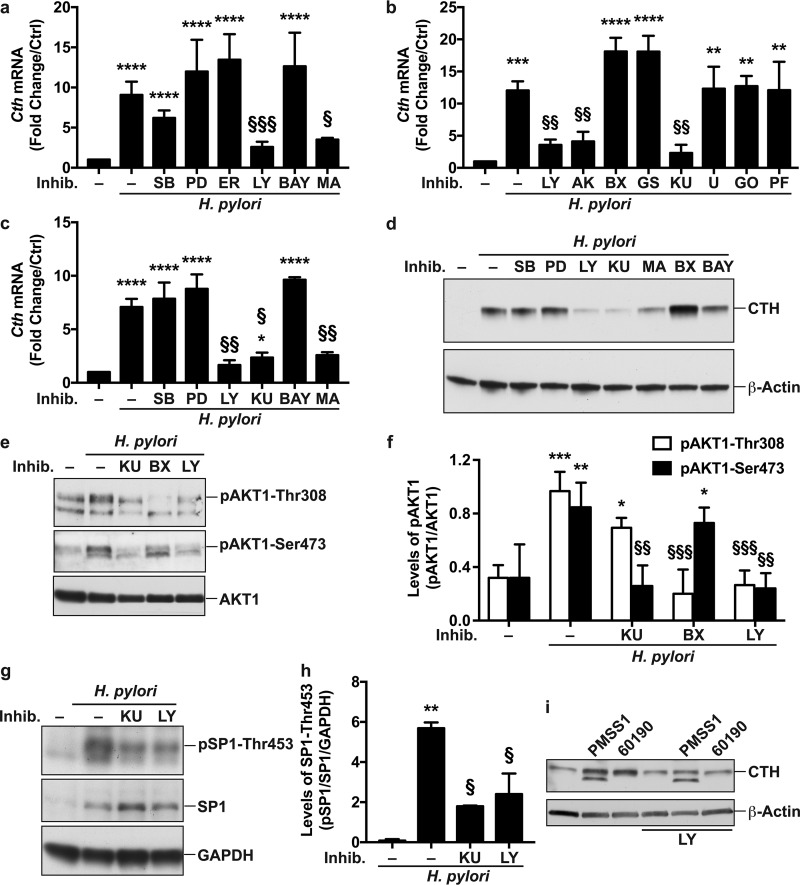
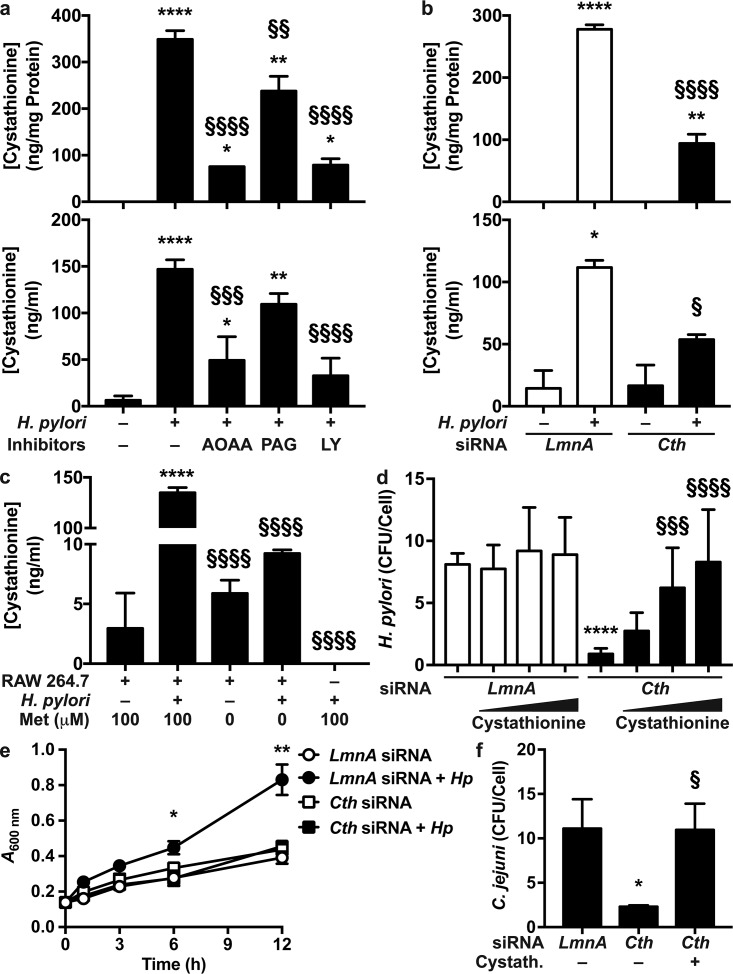
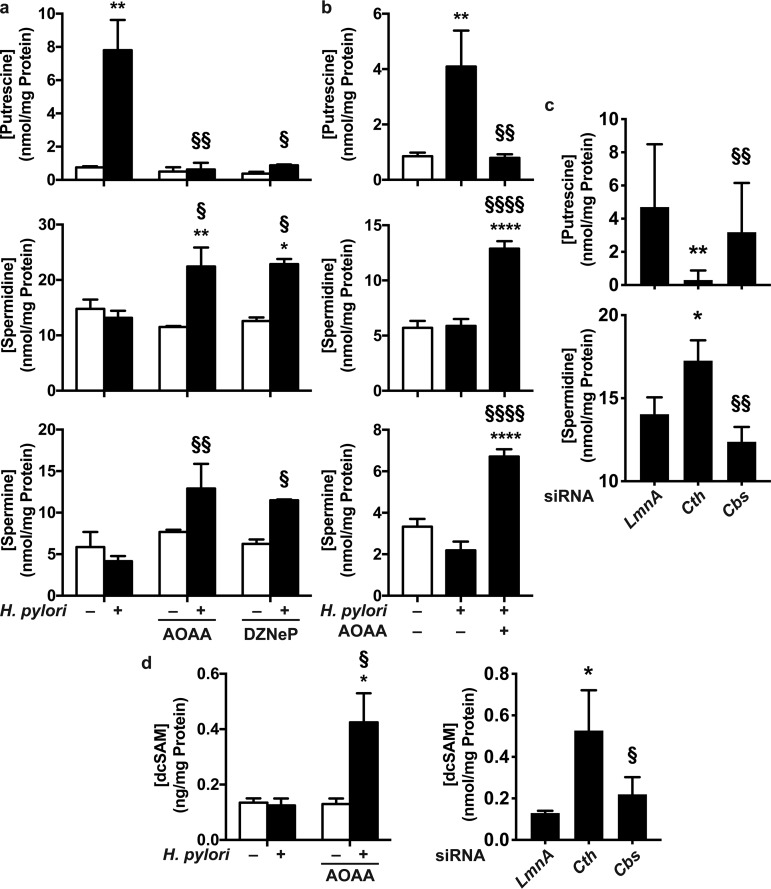
The reverse transsulfuration pathway is the major route for the metabolism of sulfur-containing amino acids. The role of this metabolic pathway in macrophage response and function is unknown. We show that the enzyme cystathionine γ-lyase (CTH) is induced in macrophages infected with pathogenic bacteria through signaling involving phosphatidylinositol 3-kinase (PI3K)/MTOR and the transcription factor SP1. This results in the synthesis of cystathionine, which facilitates the survival of pathogens within myeloid cells. Our data demonstrate that the expression of CTH leads to defective macrophage activation by (i) dysregulation of polyamine metabolism by depletion of -adenosylmethionine, resulting in immunosuppressive putrescine accumulation and inhibition of spermidine and spermine synthesis, and (ii) increased histone H3K9, H3K27, and H3K36 di/trimethylation, which is associated with gene expression silencing. Thus, CTH is a pivotal enzyme of the innate immune response that disrupts host defense. The induction of the reverse transsulfuration pathway by bacterial pathogens can be considered an unrecognized mechanism for immune escape. Macrophages are professional immune cells that ingest and kill microbes. In this study, we show that different pathogenic bacteria induce the expression of cystathionine γ-lyase (CTH) in macrophages. This enzyme is involved in a metabolic pathway called the reverse transsulfuration pathway, which leads to the production of numerous metabolites, including cystathionine. Phagocytized bacteria use cystathionine to better survive in macrophages. In addition, the induction of CTH results in dysregulation of the metabolism of polyamines, which in turn dampens the proinflammatory response of macrophages. In conclusion, pathogenic bacteria can evade the host immune response by inducing CTH in macrophages.
反硫化途径是含硫氨基酸代谢的主要途径。该代谢途径在巨噬细胞反应和功能中的作用尚不清楚。我们表明,通过涉及磷脂酰肌醇 3-激酶(PI3K)/ MTOR 和转录因子 SP1 的信号转导,感染致病菌的巨噬细胞中诱导胱硫醚γ-裂解酶(CTH)。这导致胱硫醚的合成,从而促进病原体在髓样细胞中的存活。我们的数据表明,CTH 的表达导致巨噬细胞激活缺陷,其机制为:(i)通过 -腺苷甲硫氨酸耗竭使多胺代谢失调,导致免疫抑制腐胺积累并抑制亚精胺和精胺合成;(ii)组蛋白 H3K9、H3K27 和 H3K36 的二/三甲基化增加,与基因表达沉默相关。因此,CTH 是先天免疫反应的关键酶,破坏宿主防御。细菌病原体诱导反硫化途径的诱导可被认为是免疫逃避的一种未被认识的机制。巨噬细胞是吞噬和杀死微生物的专业免疫细胞。在这项研究中,我们表明,不同的致病菌诱导巨噬细胞中胱硫醚γ-裂解酶(CTH)的表达。该酶参与一种称为反硫化途径的代谢途径,该途径导致包括胱硫醚在内的多种代谢物的产生。吞噬的细菌利用胱硫醚更好地在巨噬细胞中存活。此外,CTH 的诱导导致多胺代谢失调,进而抑制巨噬细胞的促炎反应。总之,致病菌可以通过诱导巨噬细胞中的 CTH 来逃避宿主的免疫反应。