U.S. Food & Drug Administration, National Center for Toxicological Research, 3900 NCTR Road, Jefferson, AR 72079, USA.
U.S. Food & Drug Administration, Arkansas Laboratory, 3900 NCTR Road, Jefferson, AR 72079, USA.
Int J Environ Res Public Health. 2019 Oct 30;16(21):4203. doi: 10.3390/ijerph16214203.
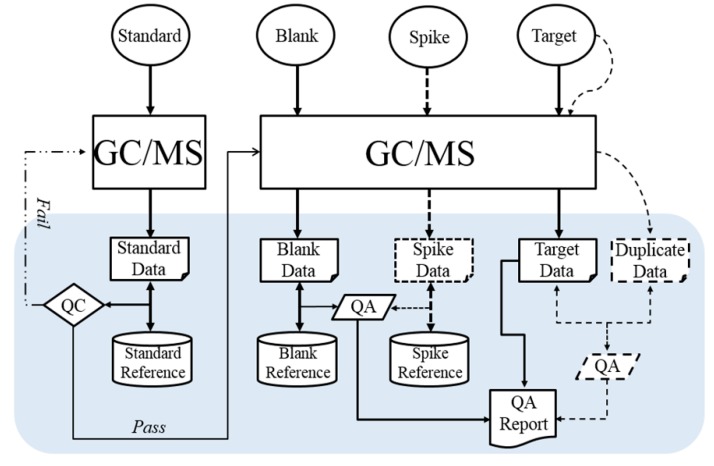
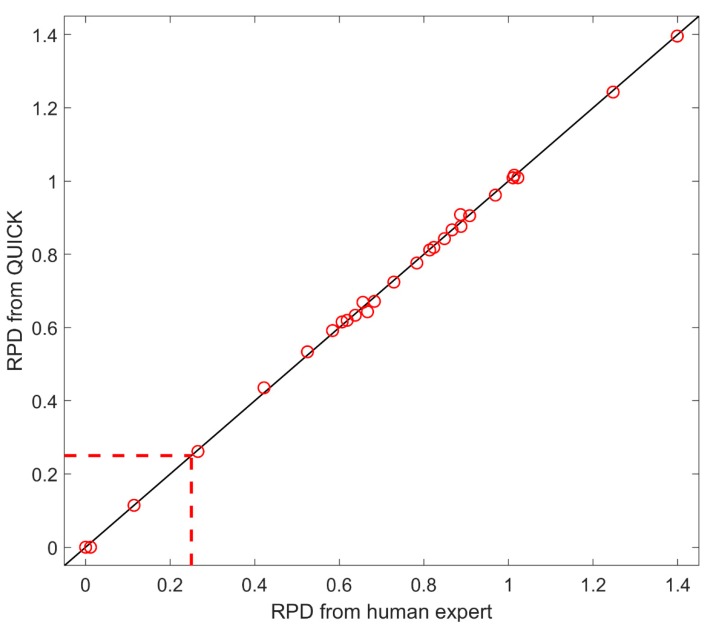
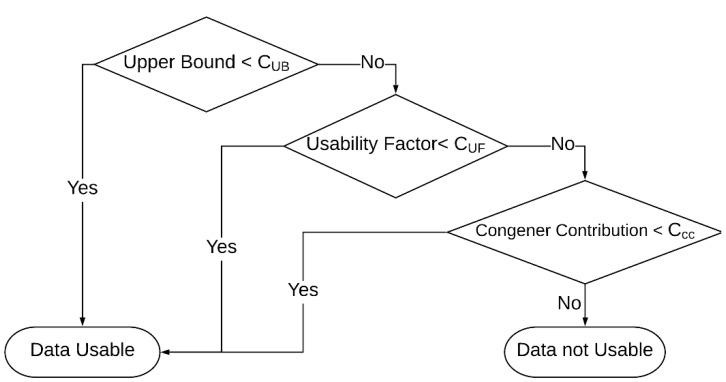
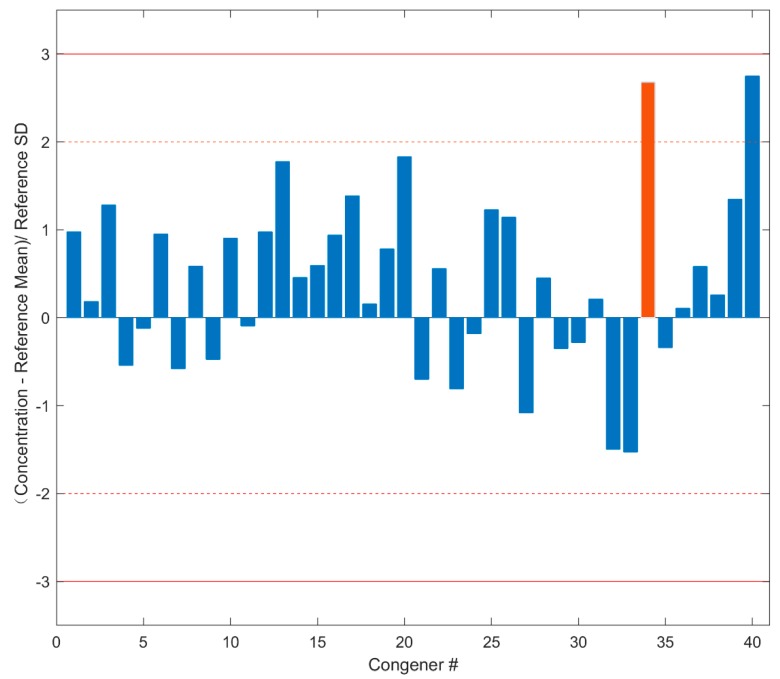
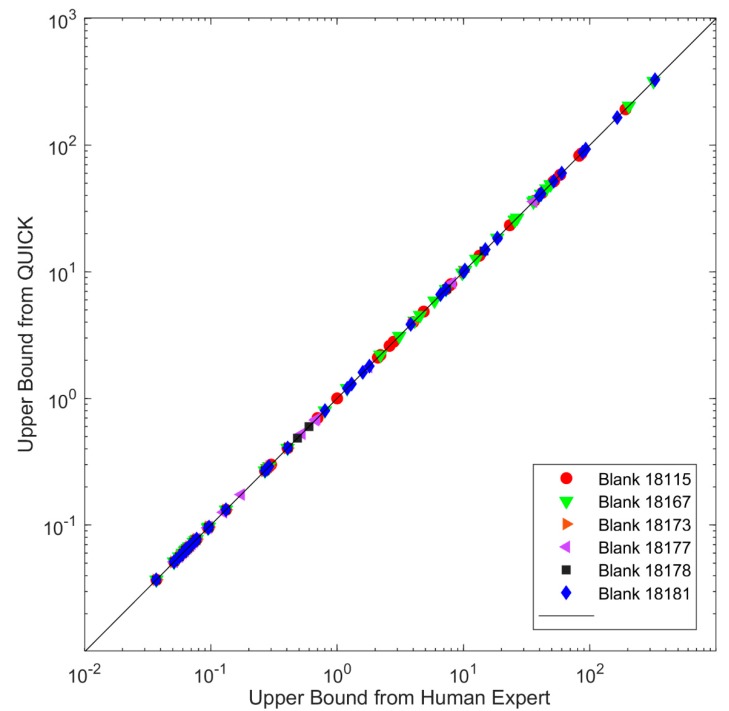
Persistent organic pollutants (POPs) cause a significant public and environmental health concern due to their toxicity, long-range transportability, persistence, and bioaccumulation. The US Food and Drug Administration (FDA) has a program to monitor POPs in human and animal foods at ultra-trace levels, using gas chromatography coupled with mass spectrometry (GC-MS). Stringent quality control procedures are practiced within this program, ensuring the reliability and accuracy of these POP results. Due to the complexity of this program's quality control (QC), the decision-making process for data usability was very time-consuming, upward of three analyst hours for a batch of six extracts. We significantly reduced this time by developing a software kit, written in Python, to evaluate instrument and sample QC, along with data usability. A diverse set of 45 samples were tested using our software, QUICK (Quality and Usability Investigation and Control Kit), that resulted in equivalent results provided by a human reviewer. The software improved the efficiency of the analytical process by reducing the need for user intervention, while simultaneously recognizing a 95% decrease in data reduction time, from 3 hours to 10 minutes.
持久性有机污染物(POPs)因其毒性、长距离迁移性、持久性和生物累积性而引起公众和环境健康的重大关注。美国食品和药物管理局(FDA)有一个计划,使用气相色谱-质谱联用仪(GC-MS)在痕量水平监测人类和动物食品中的 POPs。该计划实行严格的质量控制程序,以确保这些 POP 结果的可靠性和准确性。由于该计划的质量控制(QC)非常复杂,数据可用性的决策过程非常耗时,每批六个提取物需要三个分析员小时。我们通过开发一个用 Python 编写的软件包来评估仪器和样品 QC 以及数据可用性,大大缩短了这一时间。我们使用我们的软件 QUICK(质量和可用性调查与控制工具包)测试了一组 45 个不同的样本,结果与人工审查员提供的结果相当。该软件通过减少用户干预的需求提高了分析过程的效率,同时将数据减少时间从 3 小时减少到 10 分钟,减少了 95%。