School of Life Sciences, Guangzhou University, 510006 Guangzhou, China.
Department of Plant Pathology and Microbiology, Iowa State University, Ames, IA 50011.
Proc Natl Acad Sci U S A. 2019 Nov 19;116(47):23840-23849. doi: 10.1073/pnas.1708508116. Epub 2019 Nov 1.
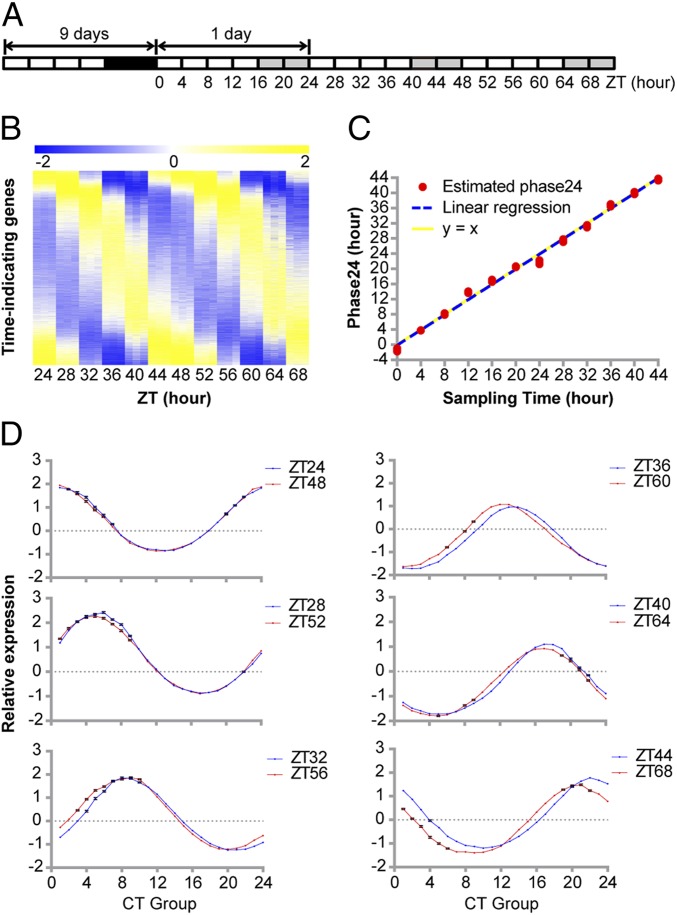
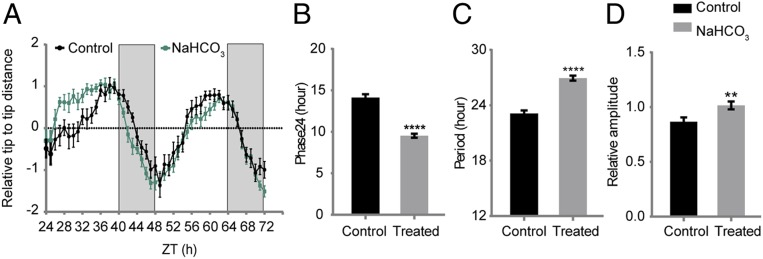
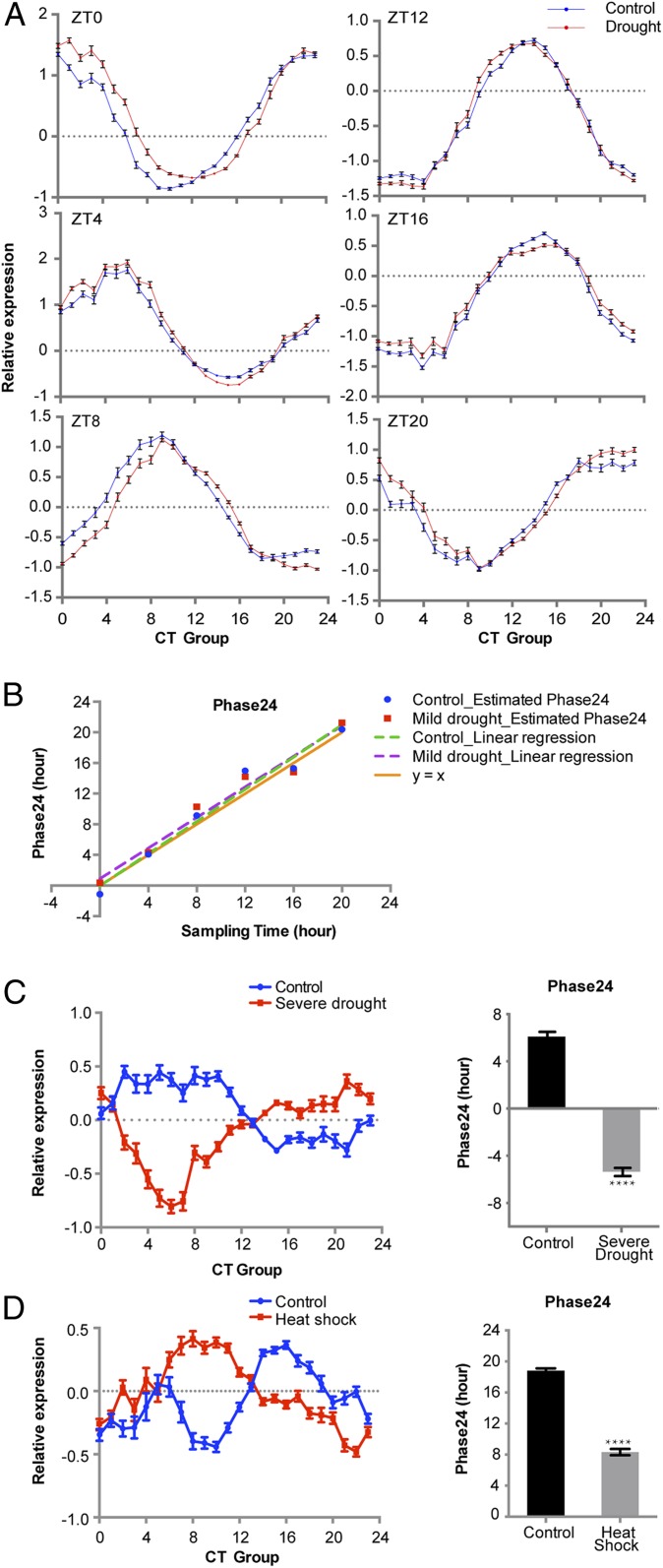
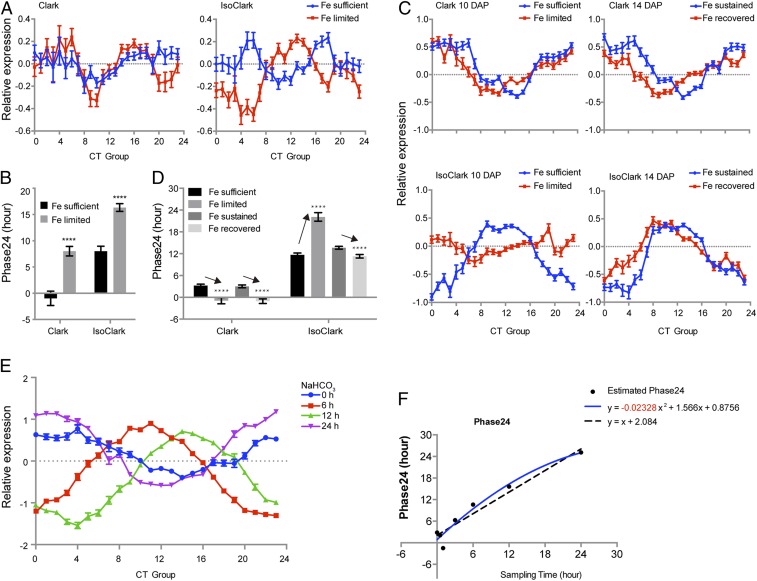
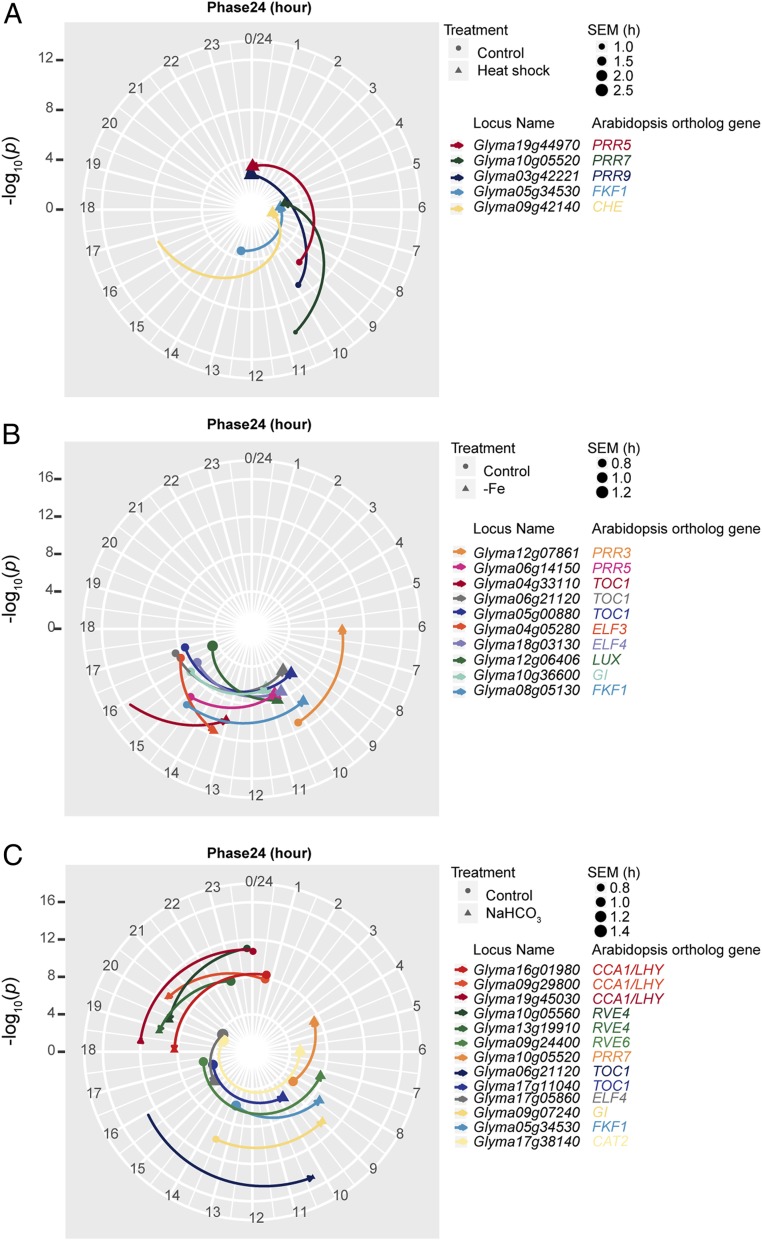
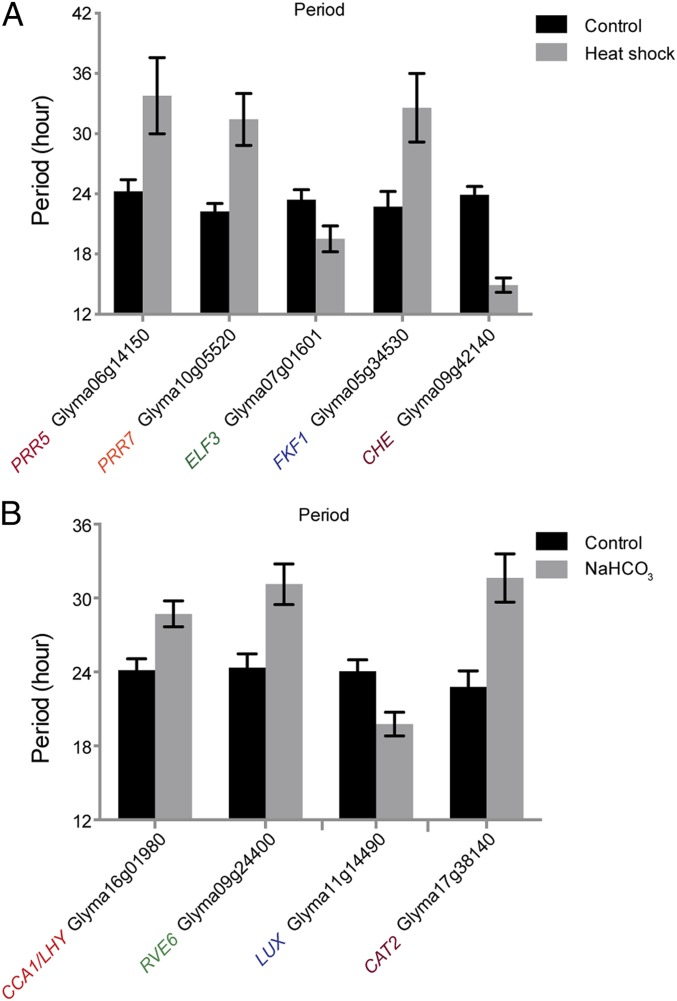
The plant circadian clock evolved to increase fitness by synchronizing physiological processes with environmental oscillations. Crop fitness was artificially selected through domestication and breeding, and the circadian clock was identified by both natural and artificial selections as a key to improved fitness. Despite progress in , our understanding of the crop circadian clock is still limited, impeding its rational improvement for enhanced fitness. To unveil the interactions between the crop circadian clock and various environmental cues, we comprehensively mapped abiotic stress inputs to the soybean circadian clock using a 2-module discovery pipeline. Using the "molecular timetable" method, we computationally surveyed publicly available abiotic stress-related soybean transcriptomes to identify stresses that have strong impacts on the global rhythm. These findings were then experimentally confirmed using a multiplexed RNA sequencing technology. Specific clock components modulated by each stress were further identified. This comprehensive mapping uncovered inputs to the plant circadian clock such as alkaline stress. Moreover, short-term iron deficiency targeted different clock components in soybean and and thus had opposite effects on the clocks of these 2 species. Comparing soybean varieties with different iron uptake efficiencies suggests that phase modulation might be a mechanism to alleviate iron deficiency symptoms in soybean. These unique responses in soybean demonstrate the need to directly study crop circadian clocks. Our discovery pipeline may serve as a broadly applicable tool to facilitate these explorations.
植物生物钟的进化是为了通过使生理过程与环境波动同步来提高适应性。作物的适应性是通过驯化和选育人工选择的,生物钟被自然和人工选择确定为提高适应性的关键。尽管在这方面取得了进展,但我们对作物生物钟的理解仍然有限,这阻碍了对其进行合理改进以提高适应性。为了揭示作物生物钟与各种环境线索之间的相互作用,我们使用 2 个模块发现管道全面绘制了非生物胁迫对大豆生物钟的输入图。使用“分子时间表”方法,我们通过计算对公开的与非生物胁迫相关的大豆转录组进行了调查,以确定对全球节律有强烈影响的胁迫。然后使用多路复用 RNA 测序技术对这些发现进行了实验验证。进一步鉴定了每种胁迫调节的特定生物钟组件。这种全面的映射揭示了植物生物钟的输入,如碱性胁迫。此外,短期缺铁针对大豆和 中的不同生物钟组件,因此对这 2 个物种的生物钟有相反的影响。比较具有不同铁吸收效率的大豆品种表明,相位调制可能是缓解大豆缺铁症状的一种机制。大豆的这些独特反应表明需要直接研究作物生物钟。我们的发现管道可以作为一种广泛适用的工具,促进这些探索。