Agarwal Swashti, Jindal Ishita, Balazs Andrea, Paul David
Texas Children's Hospital, Baylor College of Medicine, Houston, Texas.
J Endocr Soc. 2019 Sep 5;3(11):2135-2150. doi: 10.1210/js.2019-00226. eCollection 2019 Nov 1.
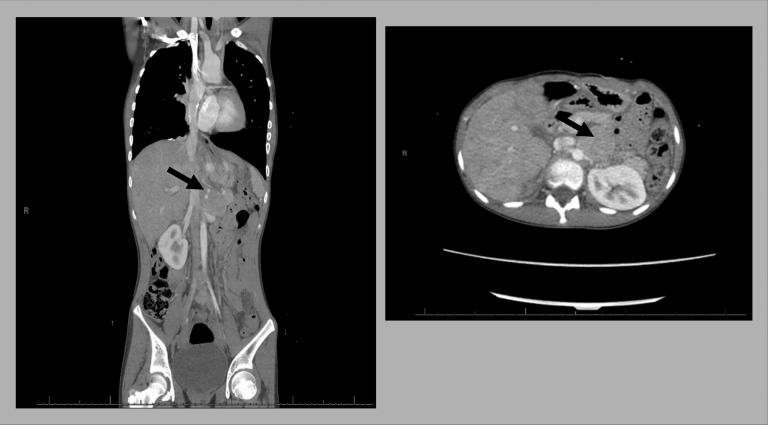
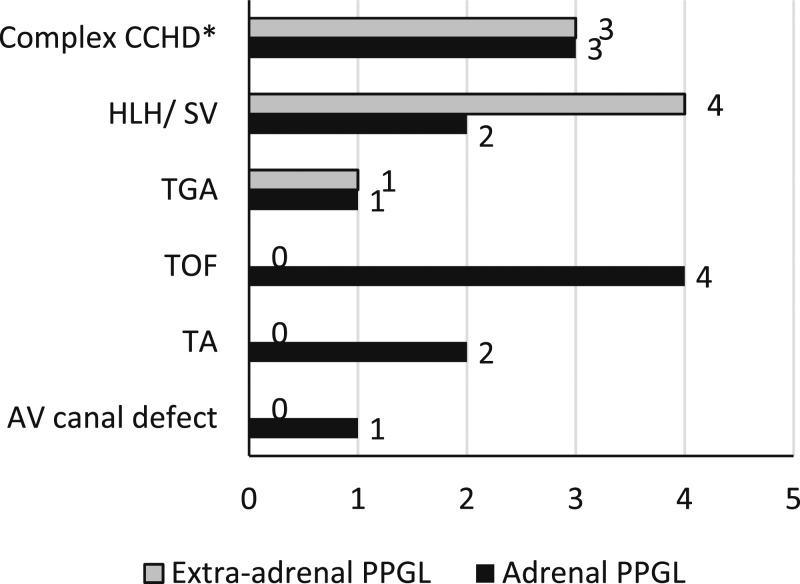
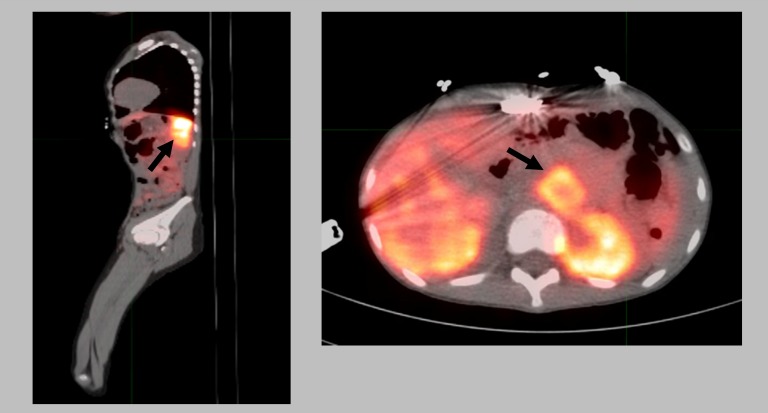
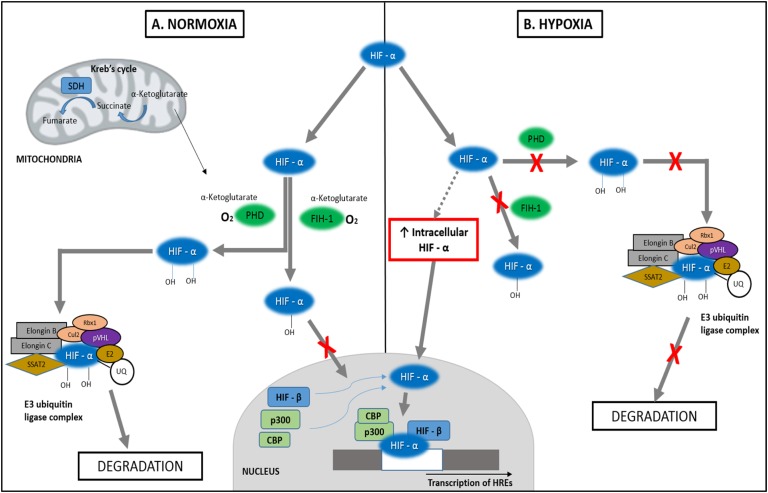
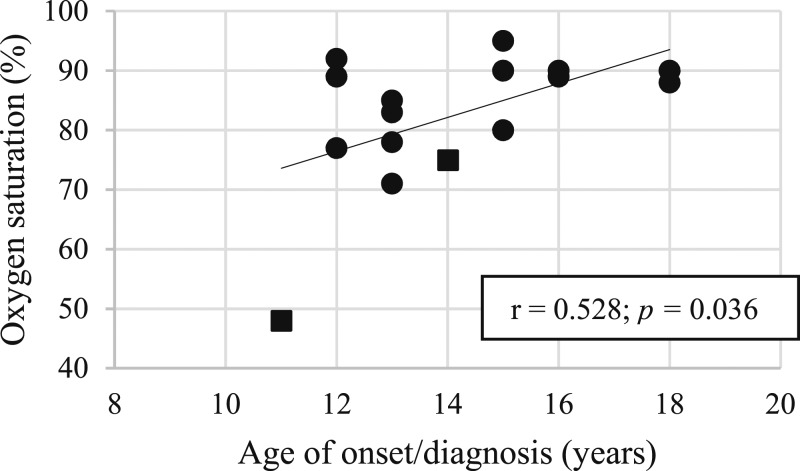
Catecholamine-secreting tumors are rare among the pediatric population but are increasingly being reported in children with sustained hypoxia secondary to cyanotic congenital heart disease (CCHD). With this review, we report the clinical characteristics of these tumors in children with CCHD. The articles included in the present review were identified using PubMed through February 2019. A manual search of the references retrieved from relevant articles was also performed. Pheochromocytomas and paragangliomas (PPGL) in children are commonly associated with high-risk germline or somatic mutations. There is evidently a higher risk of tumorigenesis in children with CCHD as compared with the general pediatric population, even in the absence of susceptible gene mutations. This is due to molecular mechanisms involving the aberrant activation of hypoxia-response elements, likely secondary to sustained hypoxemia, resulting in tumorigenesis. Due to overlapping symptoms with CCHD, the diagnosis of PPGL may be delayed or missed in these patients. We studied all previously reported PPGL cases in children with CCHD and reviewed phenotypic and biochemical features to assess for contributing factors in tumorigenesis. Larger studies are needed to help determine other potential predisposing factors and to establish screening guidelines in this high-risk population. A delay in diagnosis of the PPGL tumors can lead to exacerbation of cardiac failure, and therefore early diagnosis and intervention may provide better outcomes in these patients, necessitating the need for regular surveillance. We recommend routine biochemical screening in patients with sustained hypoxia secondary to CCHD.
儿茶酚胺分泌性肿瘤在儿科人群中较为罕见,但在患有因青紫型先天性心脏病(CCHD)继发的持续性缺氧的儿童中报告越来越多。通过本综述,我们报告了这些肿瘤在患有CCHD的儿童中的临床特征。本综述纳入的文章通过PubMed检索至2019年2月。还对从相关文章中检索到的参考文献进行了人工检索。儿童嗜铬细胞瘤和副神经节瘤(PPGL)通常与高风险的种系或体细胞突变相关。与普通儿科人群相比,患有CCHD的儿童即使在没有易感基因突变的情况下,肿瘤发生风险显然更高。这是由于涉及缺氧反应元件异常激活的分子机制,可能继发于持续性低氧血症,从而导致肿瘤发生。由于与CCHD症状重叠,这些患者中PPGL的诊断可能会延迟或漏诊。我们研究了所有先前报道的患有CCHD的儿童中的PPGL病例,并回顾了表型和生化特征以评估肿瘤发生的促成因素。需要更大规模的研究来帮助确定其他潜在的易感因素,并在这个高风险人群中建立筛查指南。PPGL肿瘤诊断延迟可导致心力衰竭加重,因此早期诊断和干预可能为这些患者带来更好的结局,这就需要进行定期监测。我们建议对患有因CCHD继发的持续性缺氧的患者进行常规生化筛查。