Department of Zoology, University of Oxford, OX1 3SZ, Oxford, UK.
State Key Laboratory of Molecular Engineering of Polymers, Advanced Materials Laboratory, Fudan University, Shanghai, 200433, China.
Sci Rep. 2019 Nov 8;9(1):16233. doi: 10.1038/s41598-019-52527-5.
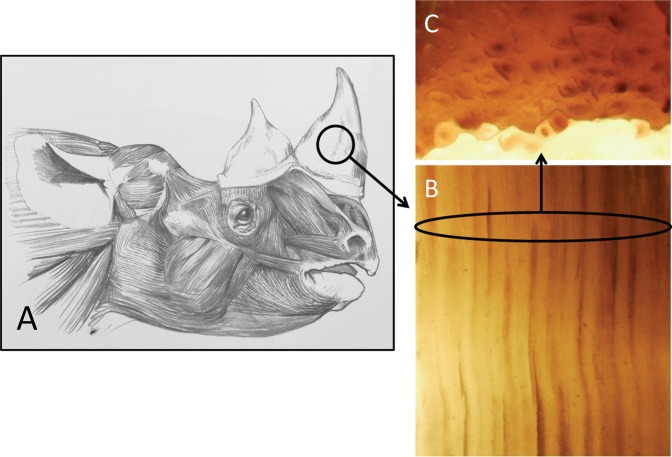
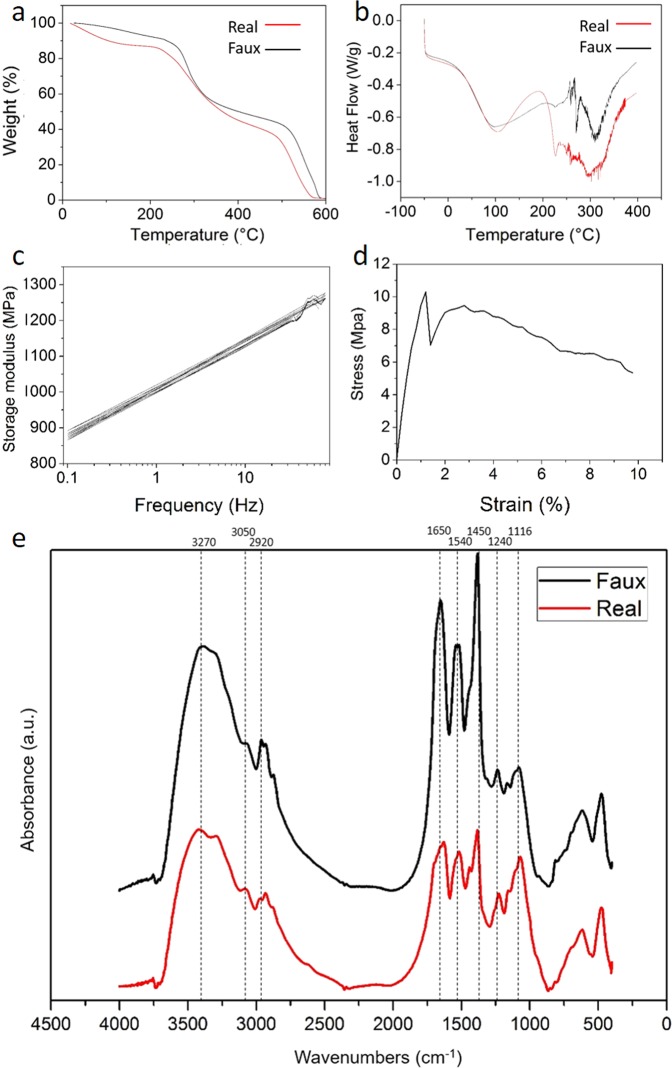
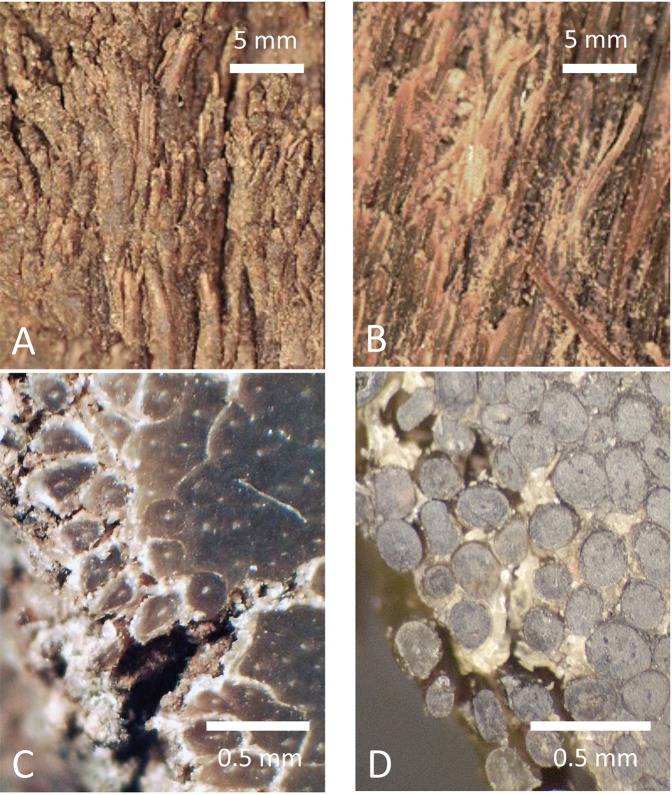
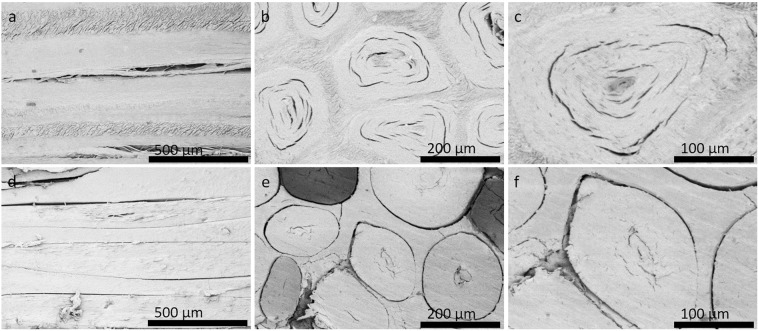
Demand for rhino horn is driving poaching with devastating effect for the few individuals left of the few species surviving from this once numerous, widespread and cosmopolitan clade of pachyderms. We bundled together tail hairs of the rhino's ubiquitous near relative, the horse, to be glued together with a bespoke matrix of regenerated silk mimicking the collagenous component of the real horn. This approach allowed us to fabricate composite structures that were confusingly similar to real rhino horn in look, feel and properties. Spectral and thermal FT-IR, DSC and TGA analysis demonstrated the similar chemical composition and thermo-mechanical properties between the natural and the faux horns.
对犀牛角的需求导致偷猎行为屡禁不止,对曾经数量众多、分布广泛、遍布全球的厚皮动物中幸存的少数几个物种的个体造成了毁灭性的影响。我们将犀牛无处不在的近缘种——马的尾巴毛捆绑在一起,用定制的再生丝基质粘在一起,模仿真正犀牛角的胶原蛋白成分。这种方法使我们能够制造出在外观、手感和性能上与真正犀牛角非常相似的复合材料结构。光谱和热 FT-IR、DSC 和 TGA 分析表明,天然角和假角在化学成分和热机械性能上具有相似性。