Liu Heng, Jiang Haoxiang, Bi Wenchuan, Huang Bingsheng, Li Xianjun, Wang Miaomiao, Wang Xiaoyu, Zhao Huifang, Cheng Yannan, Tao Xingxing, Liu Congcong, Huang Ting, Jin Chao, Zhang Tijiang, Yang Jian
The Key Laboratory of Biomedical Information Engineering, Ministry of Education, Department of Biomedical Engineering, School of Life Science and Technology, Xi'an Jiaotong University, Xi'an, China.
Department of Diagnostic Radiology, The First Affiliated Hospital of Xi'an Jiaotong University, Xi'an, China.
Front Hum Neurosci. 2019 Oct 11;13:343. doi: 10.3389/fnhum.2019.00343. eCollection 2019.
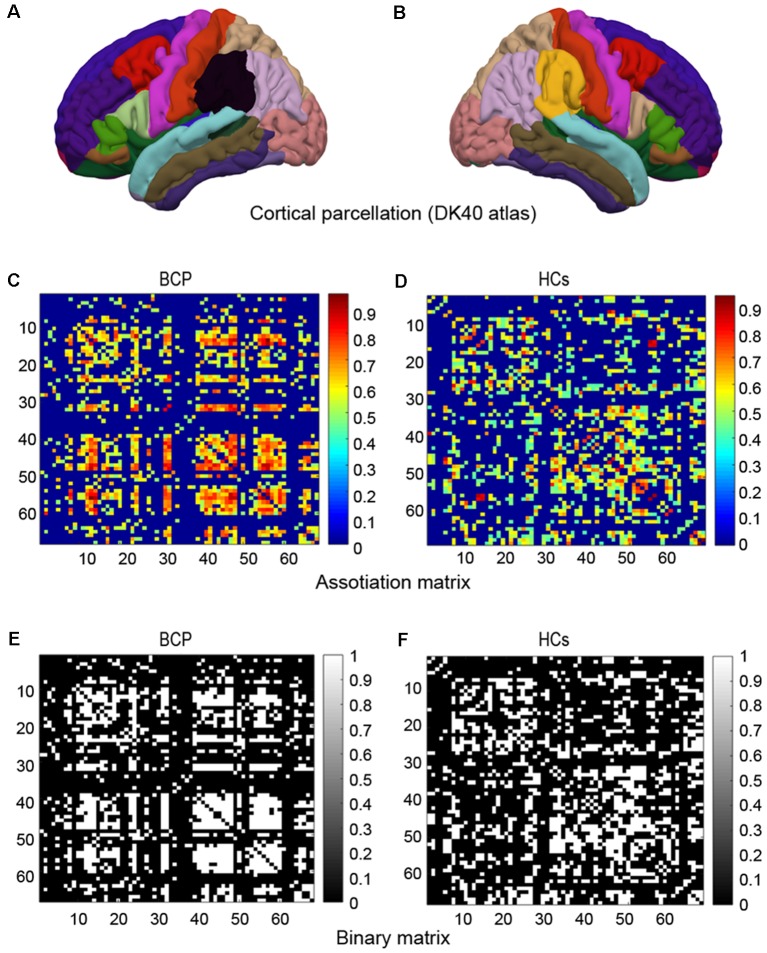
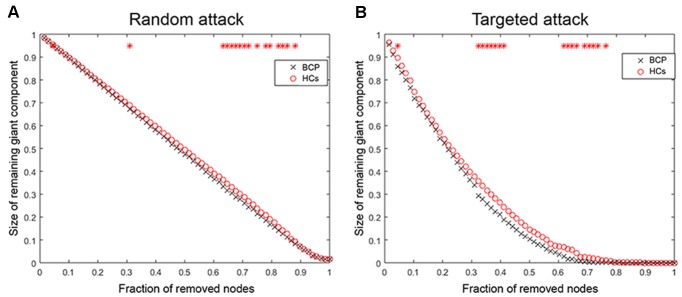
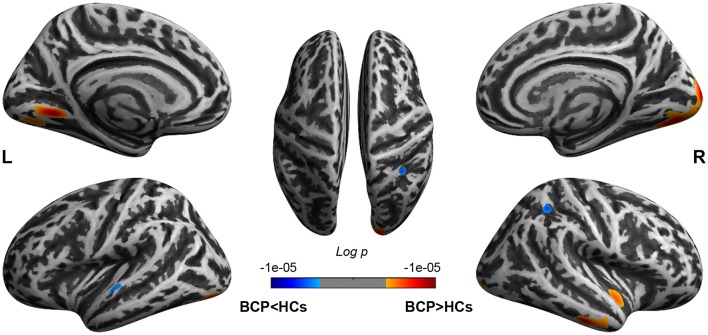
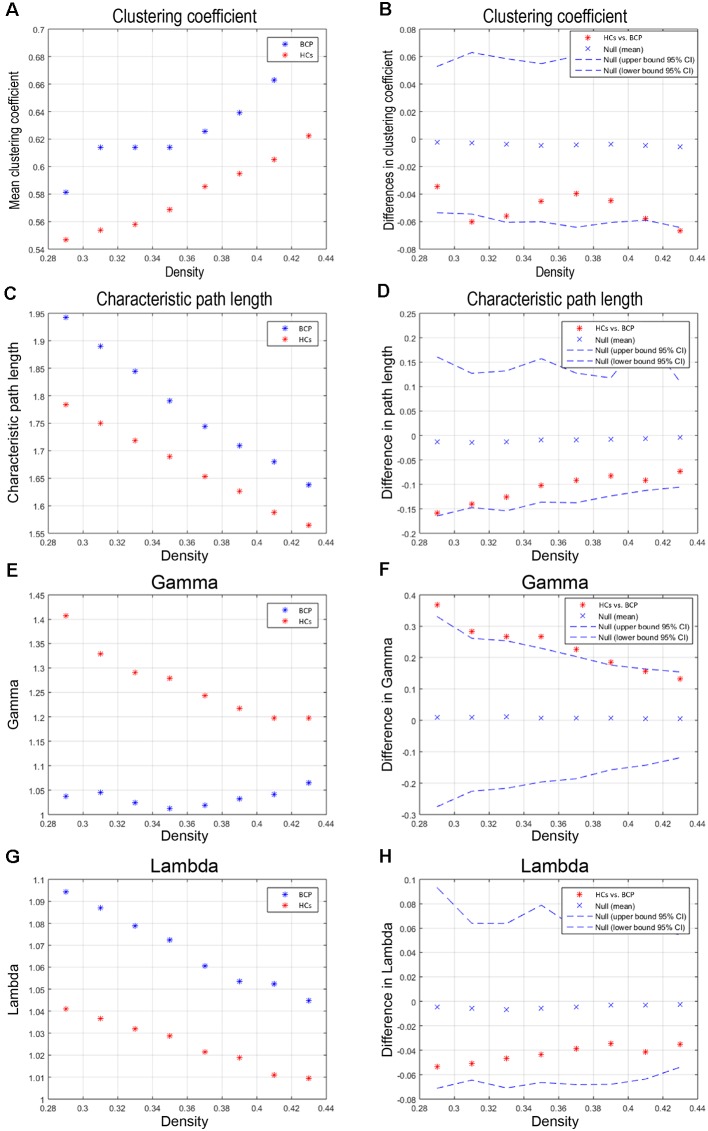
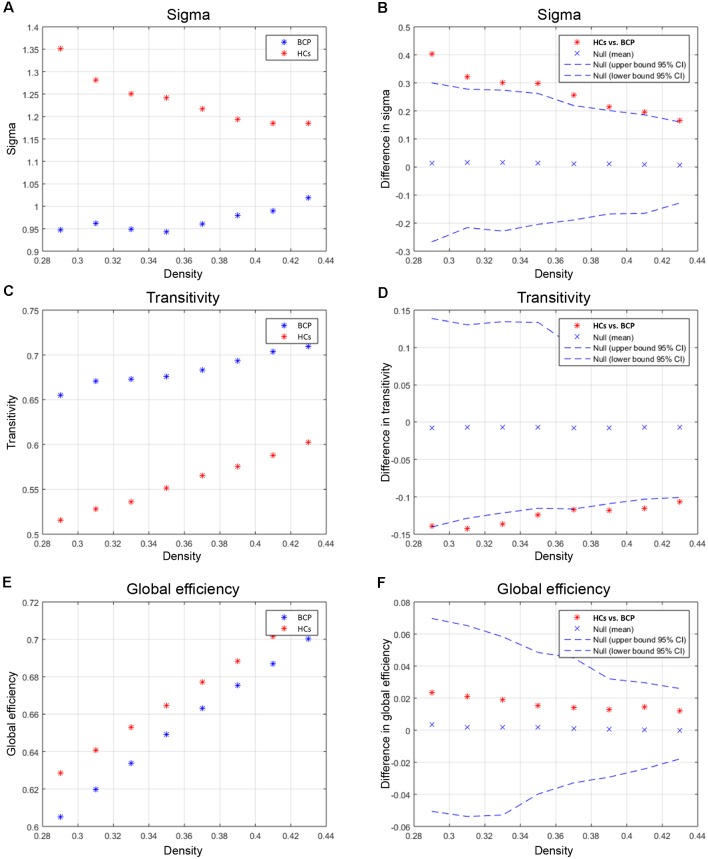
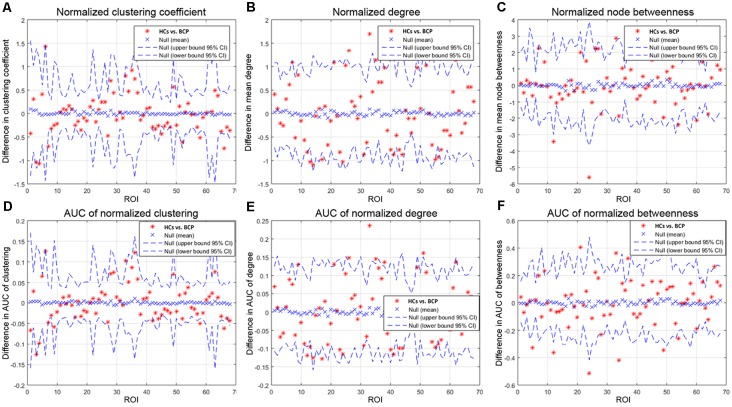
Bilateral cerebral palsy (BCP) is a common movement disorder in children, which often results in lifelong motor disability. One main symptom of BCP is the limitation of hand function in everyday activities. However, the neuroanatomical basis of this prominent hand impairment is yet to discover. Recent advances mainly focus on the lesions of BCP, but the views on the atypical development of cortical parcellations are extremely lacking. Here, in our study, neuroimaging with network analysis was employed to evaluate the changes of structural covariance networks (SCNs) in BCP children. We aimed to elucidate the alteration of SCNs based on cortical thickness (CT), and to reveal the relationship of CT and hand function in the participants with BCP. SCNs were constructed using covariance between regional CT, which was acquired from T1-weighted images of 19 children with BCP and 19 demographically matched healthy controls (HCs). Compared with HCs, BCP children showed increased CT in several regions involving the bilateral areas (lateral occipital, lingual, and fusiform) and right areas (cuneus, pericalcarine, inferior temporal, middle temporal, superior temporal, and insula). Decreased CT was found in the left superior temporal and right superior parietal cortices. Global network analyses revealed significantly decreased normalized clustering and small-worldness in the BCP network. The area under the curve (AUC) of global network measures varied slightly between the BCP and HC networks. The resistance of the both SCNs to the target and random attack showed no significant difference. Also, the BCP foci (right superior temporal and subtemporal cortex) showed a significantly negative correlation between the CT and manual ability. In this work, we identified the CT-based SCNs changes in children with BCP. The abnormal topological organization of SCNs was revealed, indicating abnormal CT, incongruous development of structural wiring, destructive nodal profiles of betweenness, and moved hub distribution in BCP children. This may provide a neuroanatomical hallmark of BCP in the developing brain. Therefore, our results may not only reflect neurodevelopmental aberrations but also compensatory mechanisms.
双侧脑瘫(BCP)是儿童常见的运动障碍,常导致终身运动残疾。BCP的一个主要症状是日常活动中手部功能受限。然而,这种明显的手部损伤的神经解剖学基础尚待发现。最近的进展主要集中在BCP的病变上,但对皮质分区非典型发育的观点极为缺乏。在此,在我们的研究中,采用网络分析的神经影像学方法来评估BCP儿童结构协方差网络(SCN)的变化。我们旨在阐明基于皮质厚度(CT)的SCN变化,并揭示BCP参与者中CT与手部功能的关系。使用区域CT之间的协方差构建SCN,区域CT是从19名BCP儿童和19名人口统计学匹配的健康对照(HC)的T1加权图像中获取的。与HC相比,BCP儿童在几个区域的CT增加,这些区域包括双侧区域(枕外侧、舌回和梭状回)和右侧区域(楔叶、距状裂周围、颞下回、颞中回、颞上回和岛叶)。在左侧颞上回和右侧顶上叶皮质发现CT降低。全局网络分析显示BCP网络中归一化聚类和小世界性质显著降低。BCP和HC网络之间全局网络测量的曲线下面积(AUC)略有不同。两个SCN对目标攻击和随机攻击的抵抗力没有显著差异。此外,BCP病灶(右侧颞上回和颞下回皮质)的CT与手动能力之间存在显著负相关。在这项工作中,我们确定了BCP儿童基于CT的SCN变化。揭示了SCN异常的拓扑组织,表明BCP儿童存在CT异常、结构布线发育不协调、中介中心性的破坏性节点特征以及枢纽分布移动。这可能为发育中大脑的BCP提供神经解剖学标志。因此,我们的结果不仅可能反映神经发育异常,还可能反映代偿机制。