Psychology and Neuroscience of Cognition Research Unit (PsyNCog), Animal models of cognition, University of Liège, Liège, Belgium.
PLoS One. 2019 Nov 13;14(11):e0214696. doi: 10.1371/journal.pone.0214696. eCollection 2019.
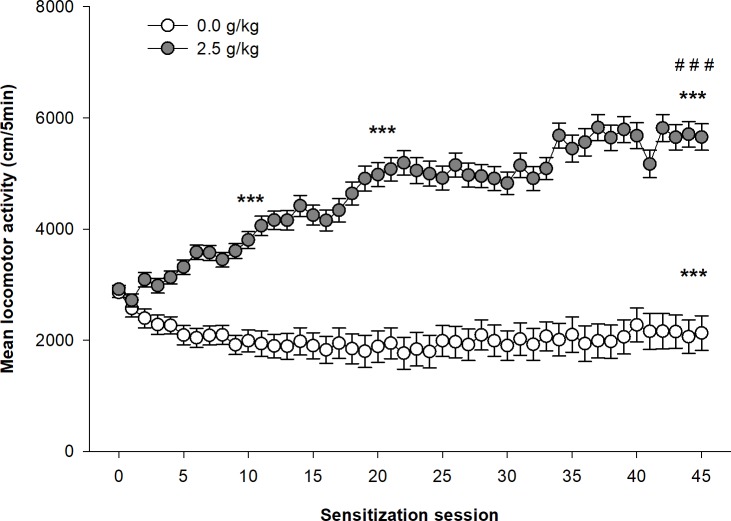
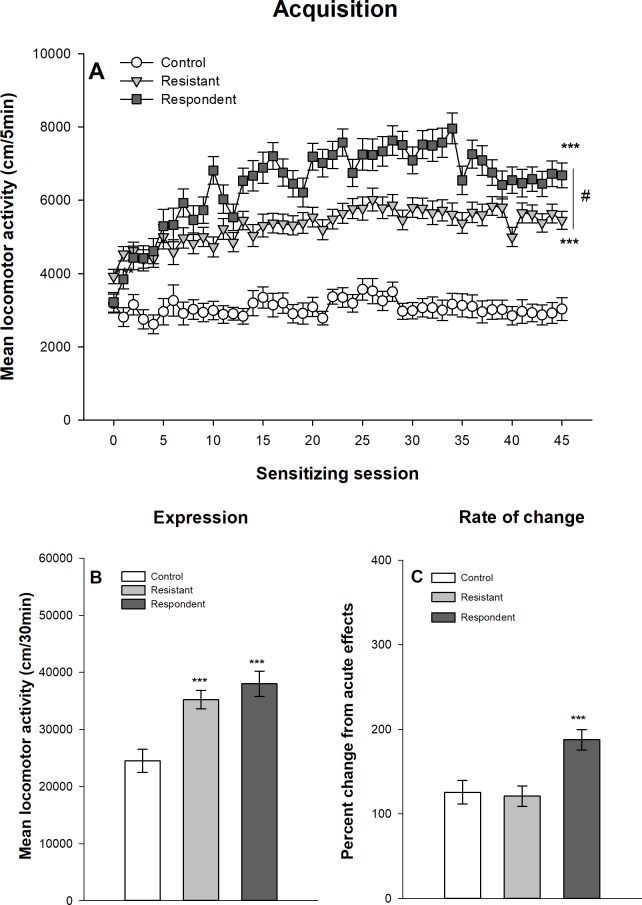
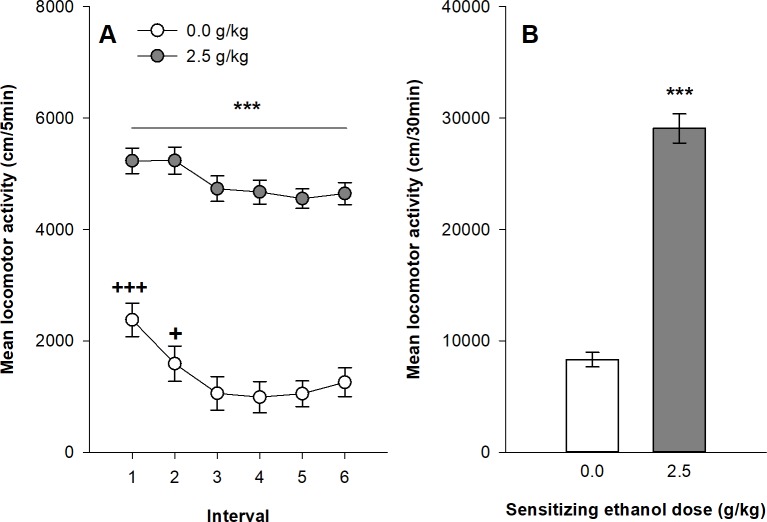
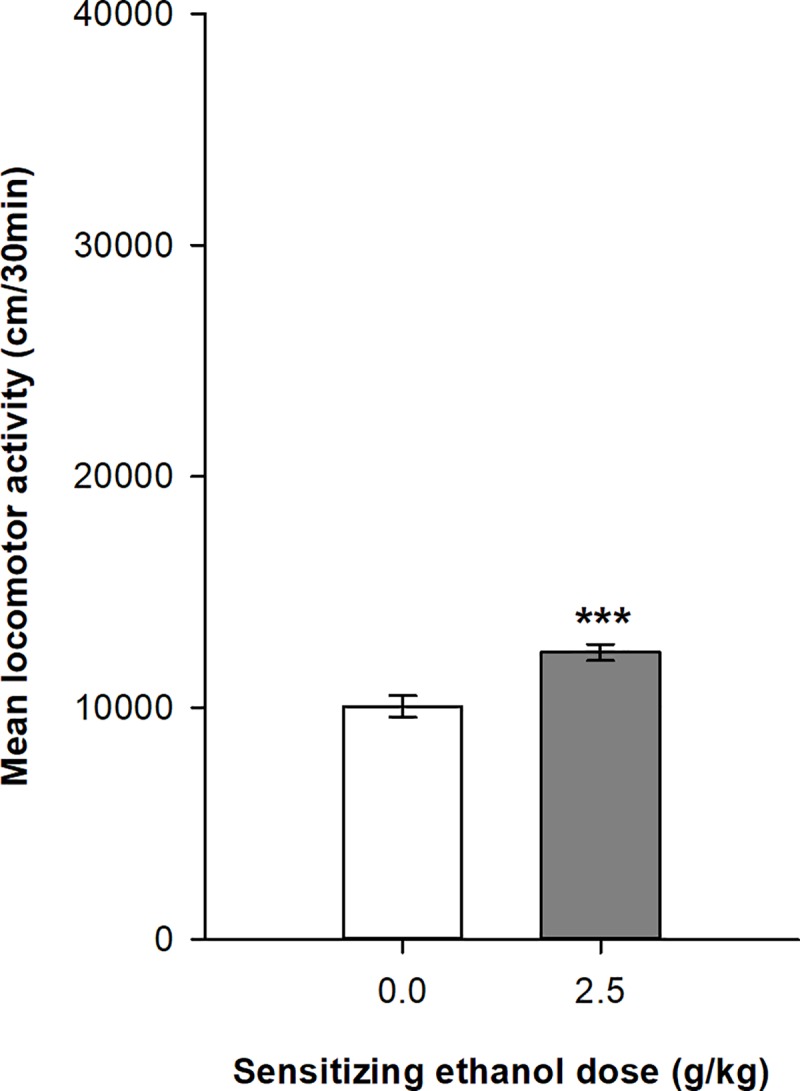
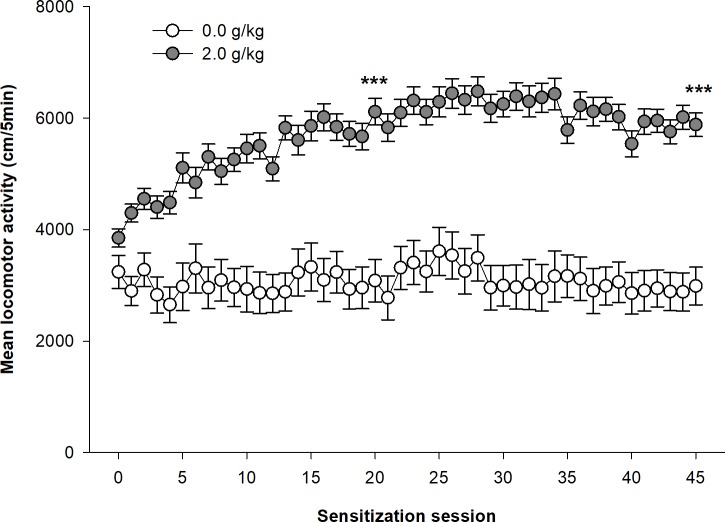
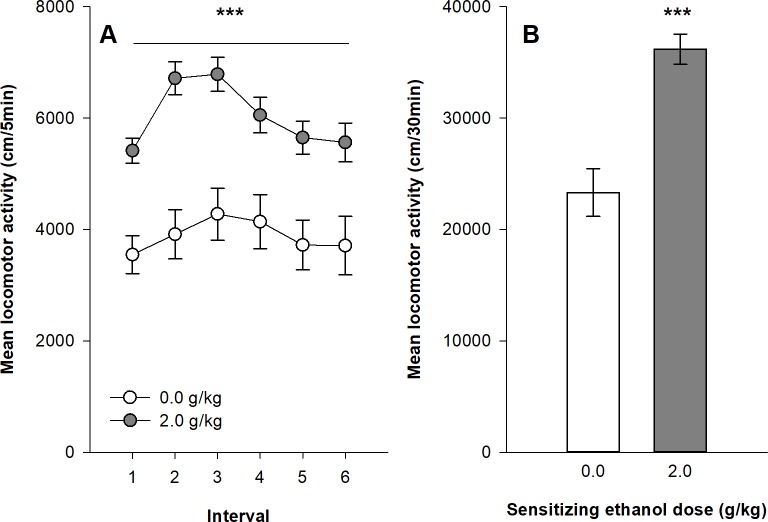
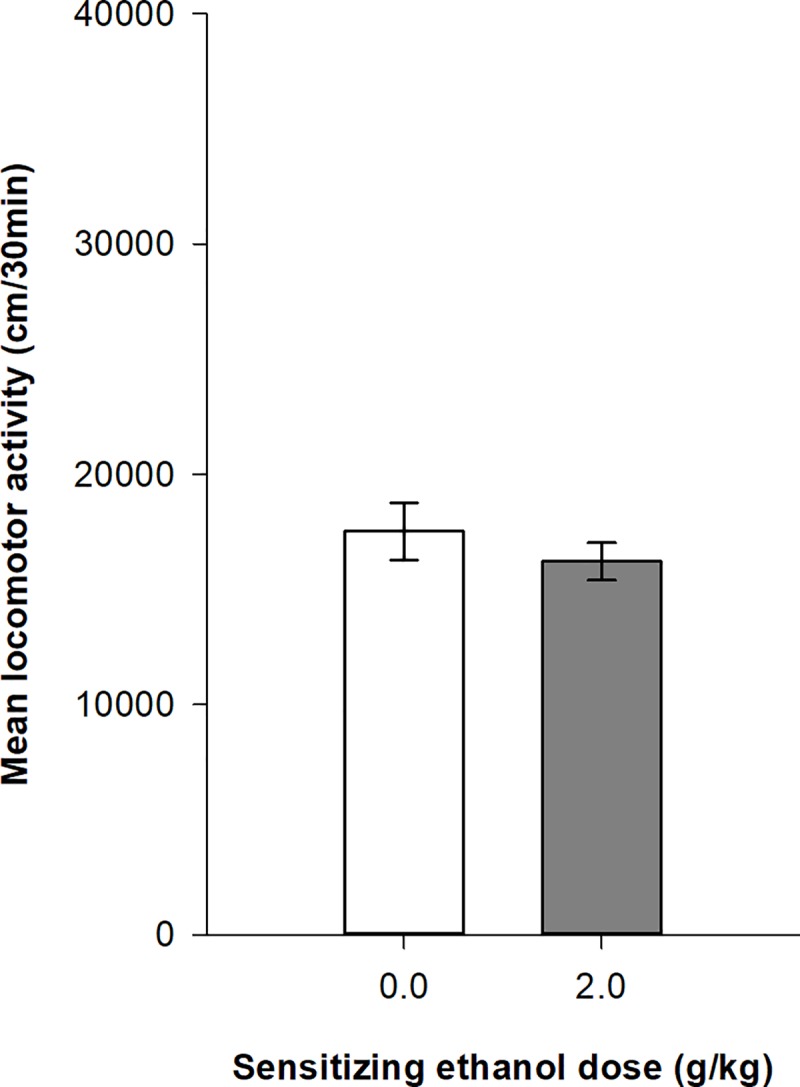
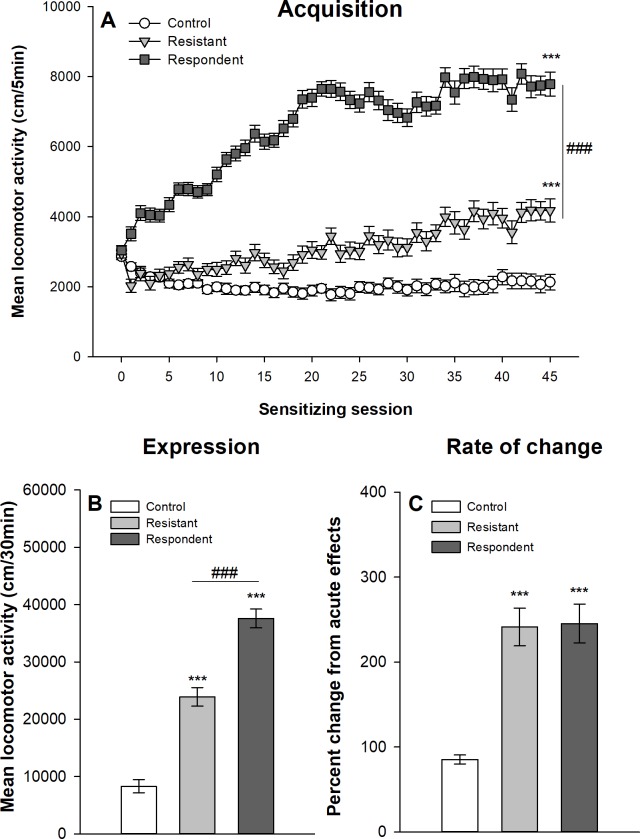
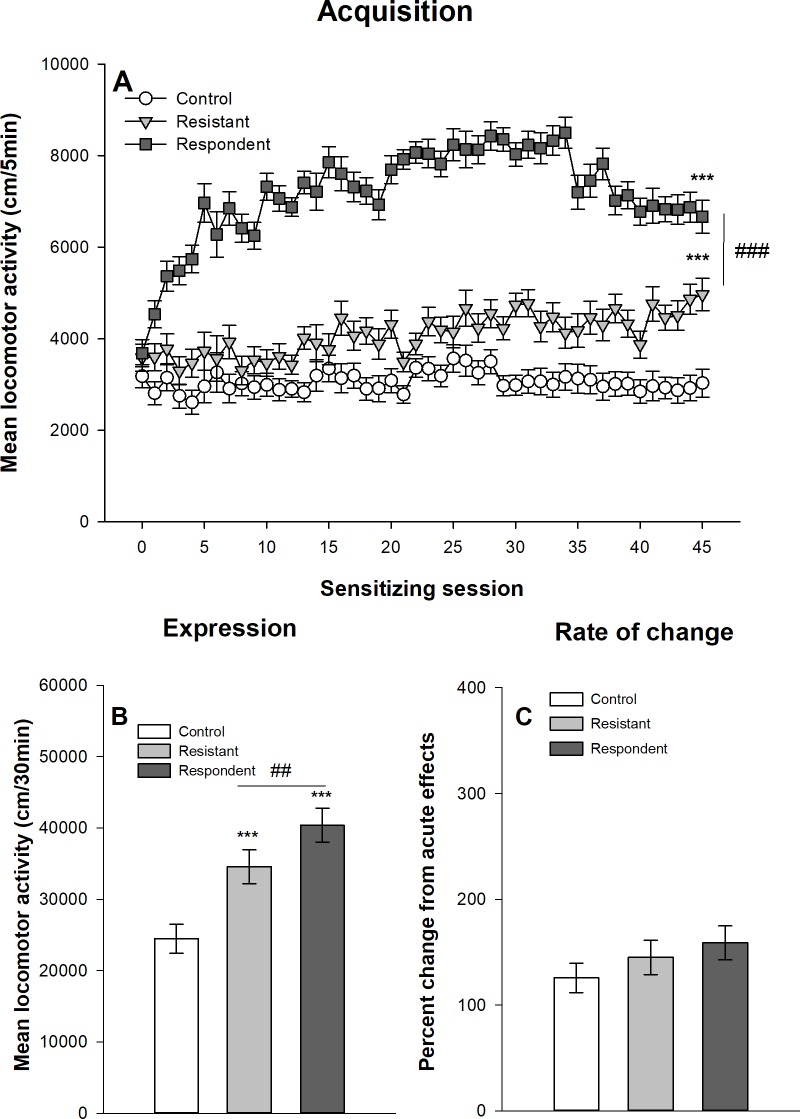
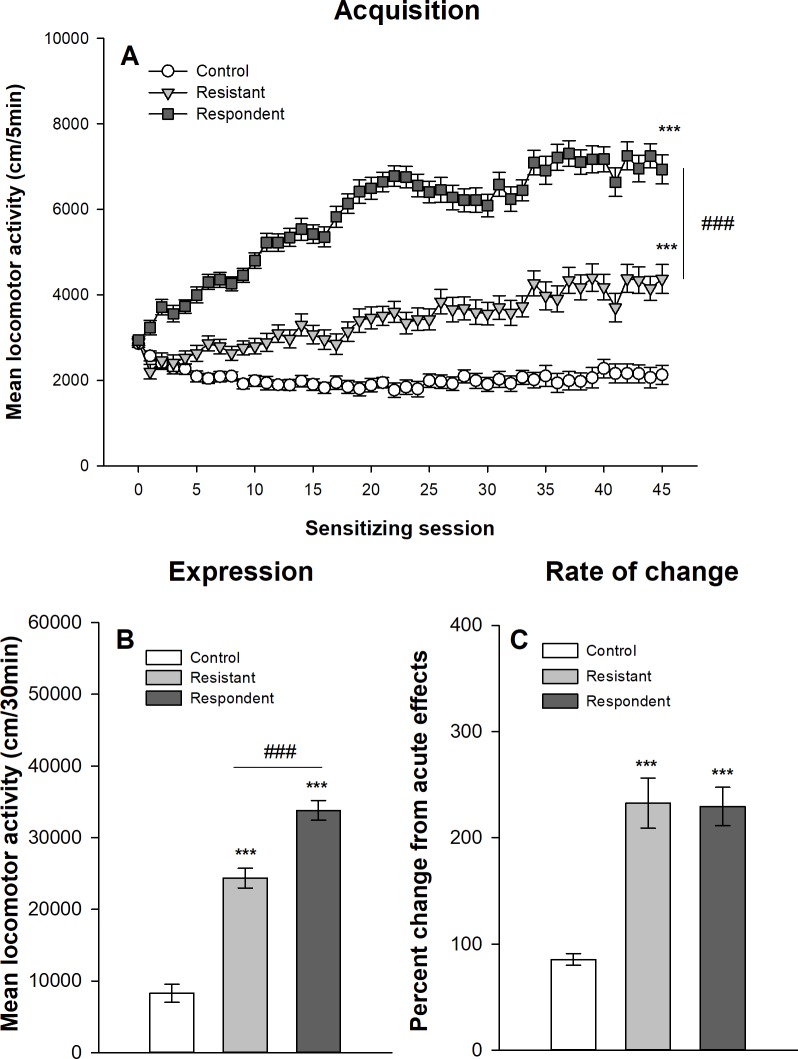
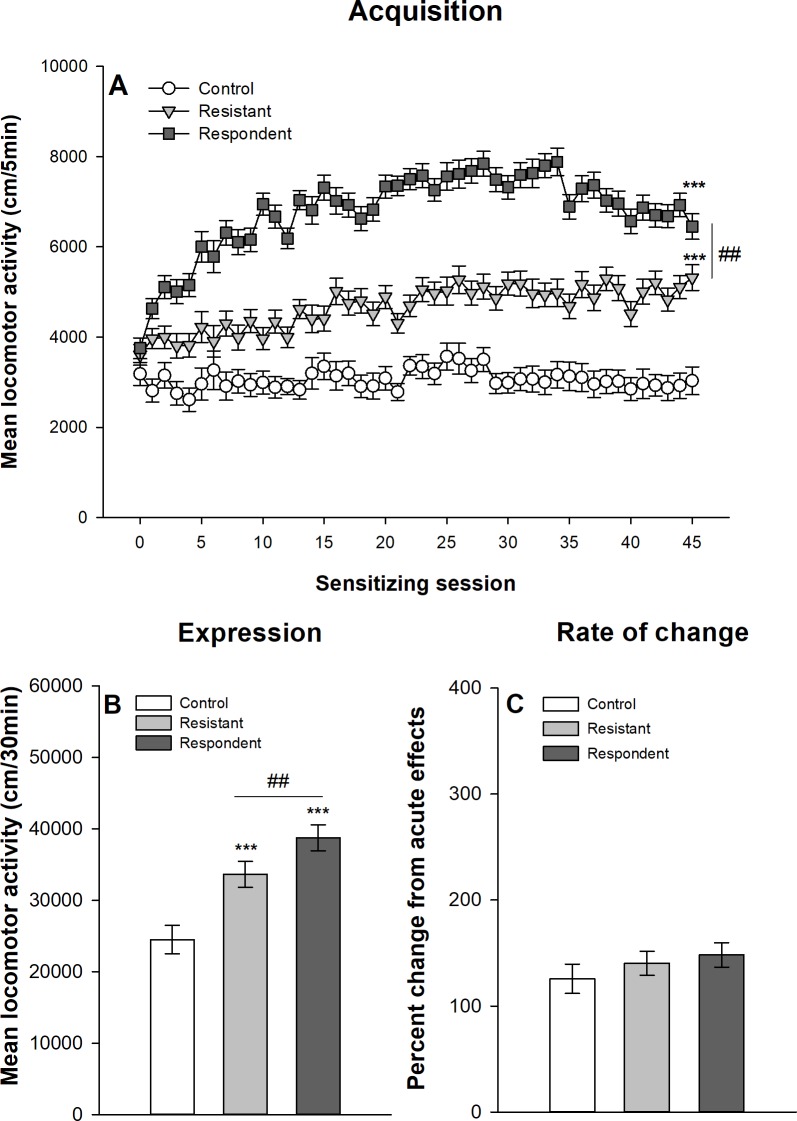
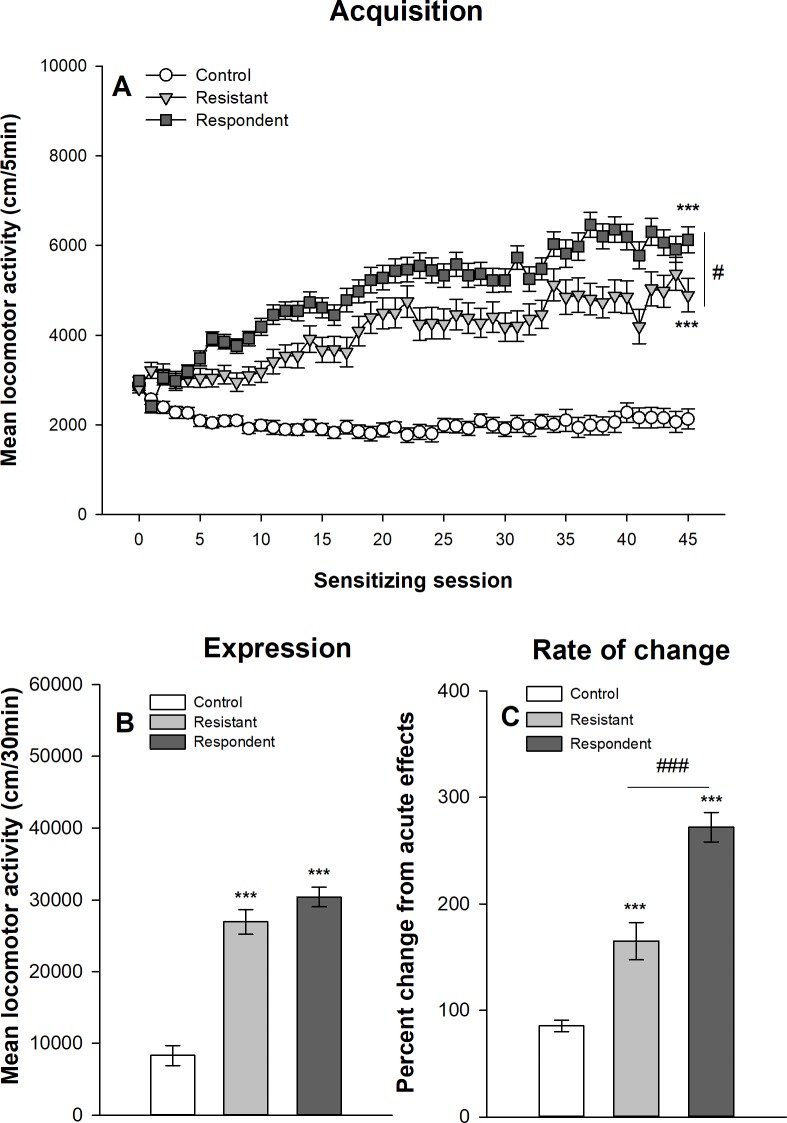
Most mice ethanol sensitization studies focused on neurobiology at the expense of its behavioral characterization. Furthermore, relatively short ethanol exposures (10 to 20 injections) were used in these studies. The first aim of the present study is to better characterize the development and expression of ethanol sensitization after an extended exposure of 45 daily injections. In some previous studies, mice were classified as "respondent" and "resistant" to ethanol sensitization. The second aim of the present study is to test the long-term reliability of such categorizations and the consequences of their use on the interpretation of the ethanol sensitization results. Swiss and DBA/2J female mice received 45 consecutive daily ethanol administrations (respectively 2.5 and 2.0 g/kg) and their locomotor activity was daily recorded to test the development of ethanol sensitization. At the end of the procedure, a challenge test assessed the inter-group ethanol sensitization.The results of the present study show that ethanol sensitization continues to develop beyond 20 days to reach maximal levels after about 25 injections in DBA/2J mice and 40 injections in Swiss mice, although the core phase of the development of ethanol sensitization occurred in both strains during the first 20 days. Remarkably, ethanol sensitization after such a long daily ethanol treatment resulted in both an upward shift of the magnitude of ethanol stimulant effects and a prolongation of these effects in time (up to 30 minutes). Mice classified as "resistant to ethanol sensitization" according to previous studies developed very significant levels of ethanol sensitization when tested after 45 ethanol injections and are best described as showing a delayed development of ethanol sensitization. Furthermore, mice classified as respondent or resistant to ethanol sensitization also differ in their acute response to ethanol, such that it is difficult to ascertain whether these classifications are specifically related to the sensitization process.
大多数关于乙醇致敏作用的小鼠研究侧重于神经生物学,而忽略了对其行为特征的研究。此外,这些研究中使用的乙醇暴露时间相对较短(10-20 次注射)。本研究的第一个目的是更好地描述经过延长的 45 天每日注射暴露后乙醇致敏作用的发展和表达。在以前的一些研究中,根据对乙醇致敏作用的反应,将小鼠分为“敏感”和“不敏感”两类。本研究的第二个目的是测试这种分类的长期可靠性及其在解释乙醇致敏作用结果中的使用后果。瑞士和 DBA/2J 雌性小鼠接受 45 天连续的每日乙醇给药(分别为 2.5 和 2.0 g/kg),并每日记录其运动活动以测试乙醇致敏作用的发展。在程序结束时,进行挑战测试以评估组间的乙醇致敏作用。本研究的结果表明,乙醇致敏作用在 20 天后继续发展,在 DBA/2J 小鼠中达到最大水平需要约 25 次注射,在瑞士小鼠中需要 40 次注射,尽管在这两种品系中,乙醇致敏作用的核心发展阶段都发生在最初的 20 天内。值得注意的是,经过如此长时间的每日乙醇处理后,乙醇致敏作用不仅导致乙醇刺激作用的幅度增加,而且还使这些作用的持续时间延长(最长可达 30 分钟)。根据以前的研究分类为“对乙醇致敏作用不敏感”的小鼠在经过 45 次乙醇注射后表现出非常显著的乙醇致敏作用,最好将其描述为表现出乙醇致敏作用发展的延迟。此外,根据对乙醇致敏作用的反应将小鼠分类为敏感或不敏感也会导致其对乙醇的急性反应不同,因此难以确定这些分类是否与致敏作用过程有特定关系。