Department of Pharmacology, College of Medicine, Pennsylvania State University, Hershey, PA, USA.
Department of Cellular and Molecular Physiology, College of Medicine, Pennsylvania State University, Hershey, PA, USA.
Oncogene. 2020 Feb;39(8):1619-1633. doi: 10.1038/s41388-019-1097-7. Epub 2019 Nov 13.
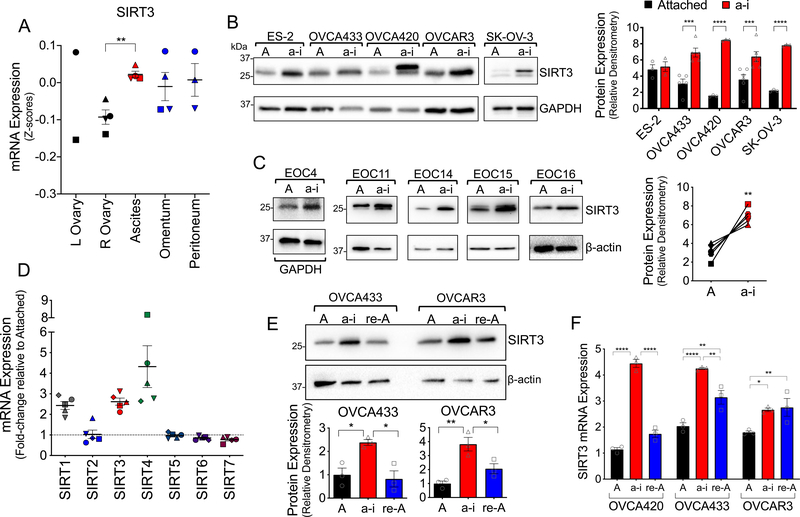
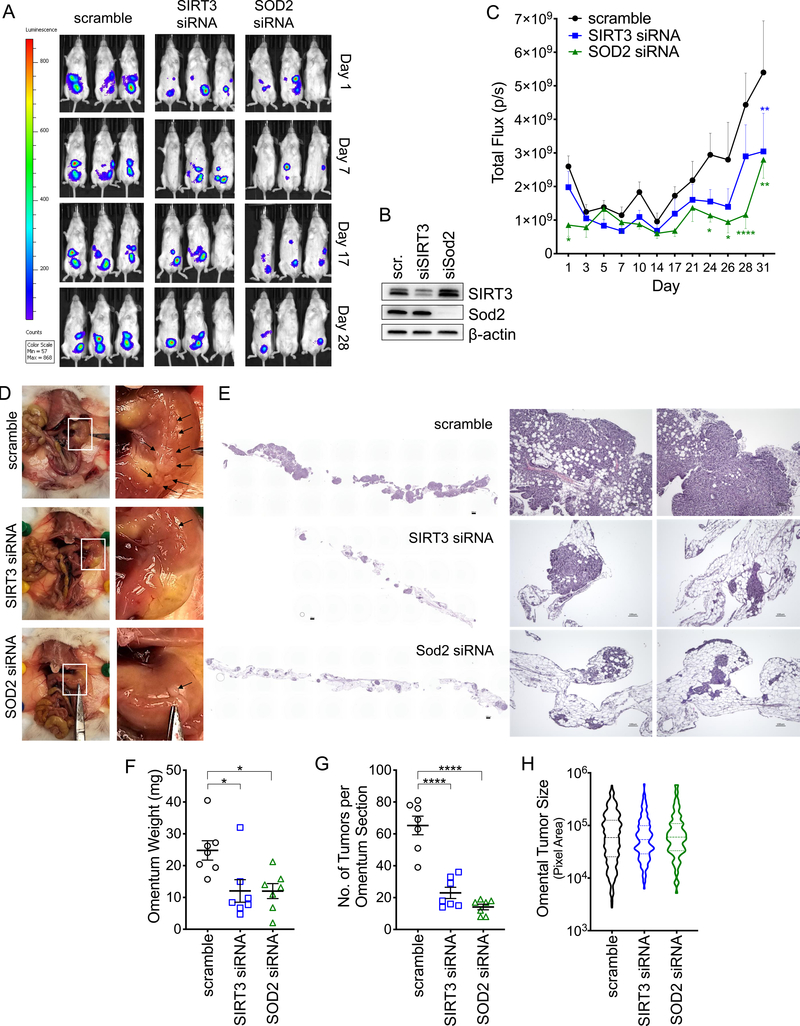
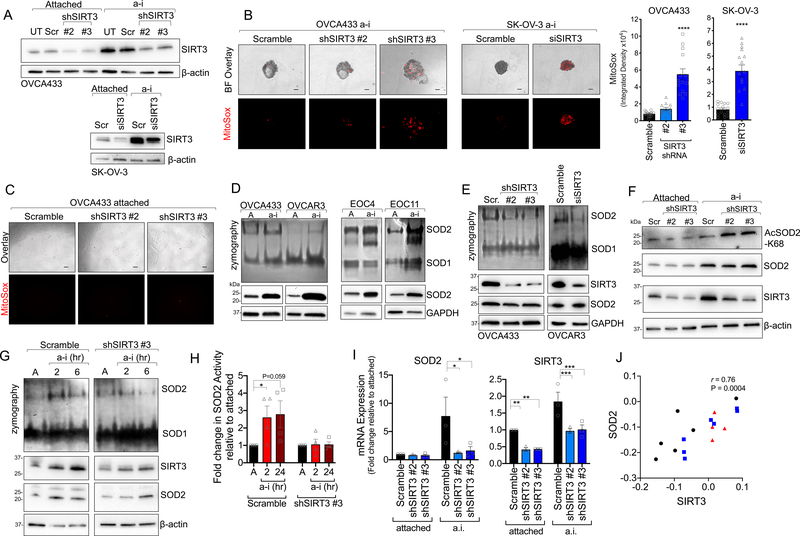
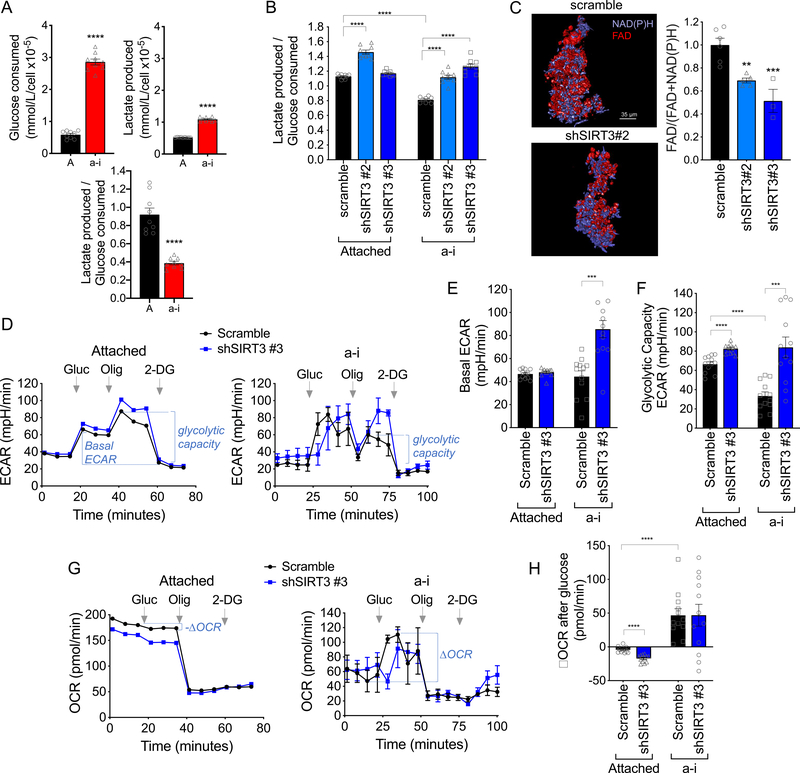
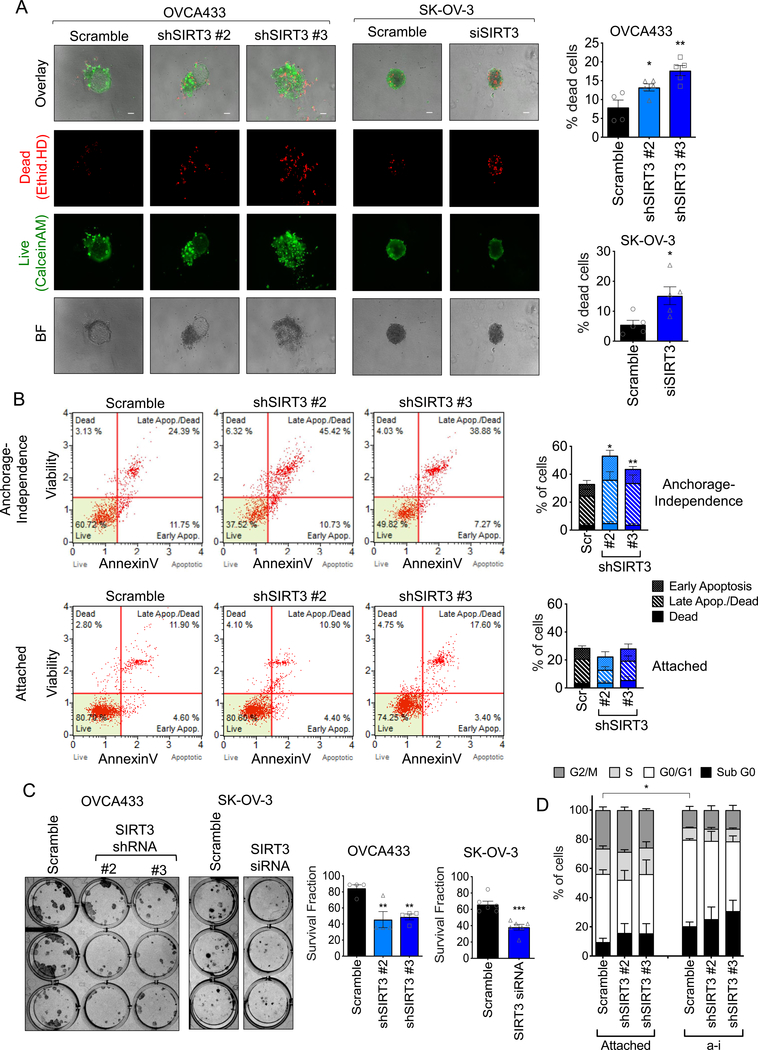
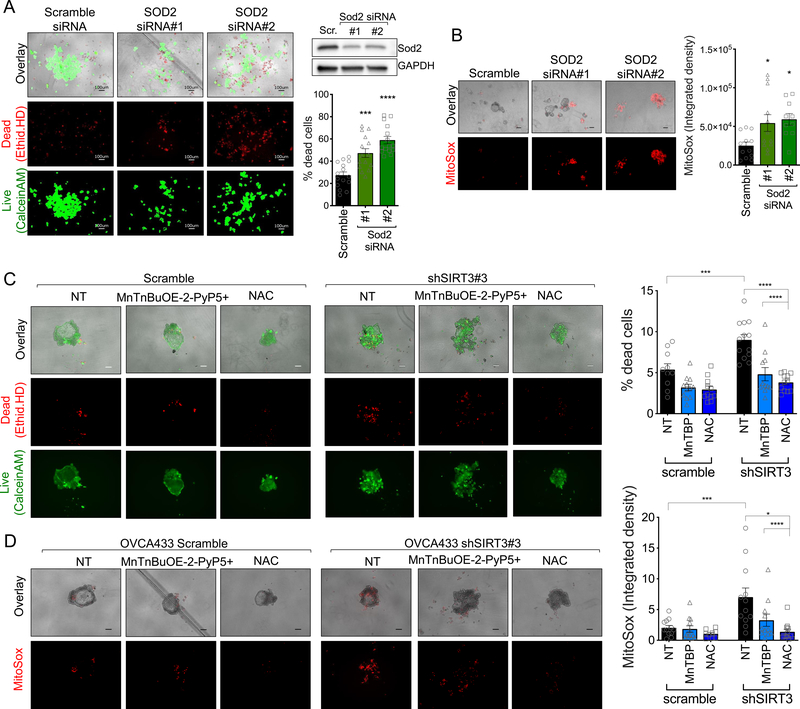
Tumor cells must alter their antioxidant capacity for maximal metastatic potential. Yet the antioxidant adaptations required for ovarian cancer transcoelomic metastasis, which is the passive dissemination of cells in the peritoneal cavity, remain largely unexplored. Somewhat contradicting the need for oxidant scavenging are previous observations that expression of SIRT3, a nutrient stress sensor and regulator of mitochondrial antioxidant defenses, is often suppressed in many primary tumors. We have discovered that this mitochondrial deacetylase is specifically upregulated in a context-dependent manner in cancer cells. SIRT3 activity and expression transiently increased following ovarian cancer cell detachment and in tumor cells derived from malignant ascites of high-grade serous adenocarcinoma patients. Mechanistically, SIRT3 prevents mitochondrial superoxide surges in detached cells by regulating the manganese superoxide dismutase (SOD2). This mitochondrial stress response is under dual regulation by SIRT3. SIRT3 rapidly increases SOD2 activity as an early adaptation to cellular detachment, which is followed by SIRT3-dependent increases in SOD2 mRNA during sustained anchorage-independence. In addition, SIRT3 inhibits glycolytic capacity in anchorage-independent cells thereby contributing to metabolic changes in response to detachment. While manipulation of SIRT3 expression has few deleterious effects on cancer cells in attached conditions, SIRT3 upregulation and SIRT3-mediated oxidant scavenging are required for anoikis resistance in vitro following matrix detachment, and both SIRT3 and SOD2 are necessary for colonization of the peritoneal cavity in vivo. Our results highlight the novel context-specific, pro-metastatic role of SIRT3 in ovarian cancer.
肿瘤细胞必须改变其抗氧化能力以达到最大的转移潜能。然而,对于卵巢癌穿过体腔转移的抗氧化适应,这是细胞在腹腔内的被动传播,仍然在很大程度上未被探索。与需要清除氧化剂有些矛盾的是,先前的观察表明,SIRT3 的表达,一种营养应激传感器和线粒体抗氧化防御的调节剂,在许多原发性肿瘤中通常受到抑制。我们发现这种线粒体去乙酰化酶在癌细胞中以一种依赖于上下文的方式特异性地上调。SIRT3 活性和表达在卵巢癌细胞脱离后以及源自高级别浆液性腺癌患者恶性腹水的肿瘤细胞中短暂增加。从机制上讲,SIRT3 通过调节锰超氧化物歧化酶 (SOD2) 来防止脱离细胞中线粒体超氧化物的激增。这种线粒体应激反应受到 SIRT3 的双重调节。SIRT3 作为细胞脱离的早期适应迅速增加 SOD2 活性,随后在持续的锚定独立性期间 SIRT3 依赖性增加 SOD2 mRNA。此外,SIRT3 抑制锚定非依赖性细胞中的糖酵解能力,从而有助于对脱离的代谢变化做出反应。虽然 SIRT3 表达的操纵对附着条件下的癌细胞几乎没有不良影响,但 SIRT3 的上调和 SIRT3 介导的氧化剂清除对于基质脱离后的体外抗凋亡是必需的,SIRT3 和 SOD2 对于体内腹腔定植都是必需的。我们的研究结果突出了 SIRT3 在卵巢癌中具有新颖的、特定于上下文的促转移作用。