Department of Women's and Children's Health, Karolinska Institutet, BioClinicum J9:30, 171 64, Stockholm, Sweden.
Department of Developmental Neuroscience, New York State Psychiatric Institute, Columbia University, 1051 Riverside, New York, NY, 10032, USA.
Mol Psychiatry. 2021 Jan;26(1):322-340. doi: 10.1038/s41380-019-0584-0. Epub 2019 Nov 14.
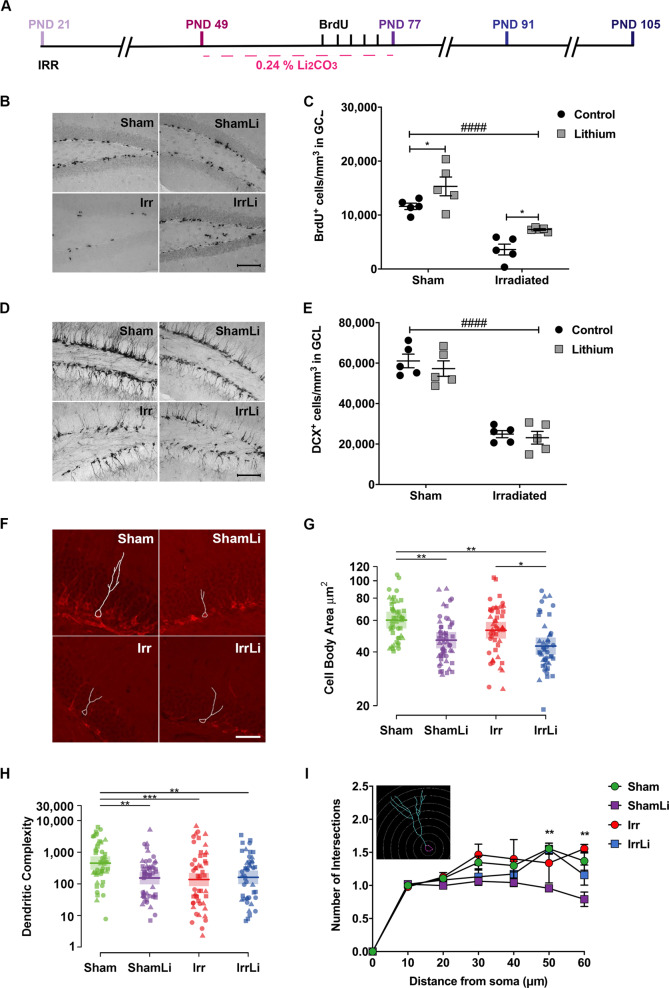
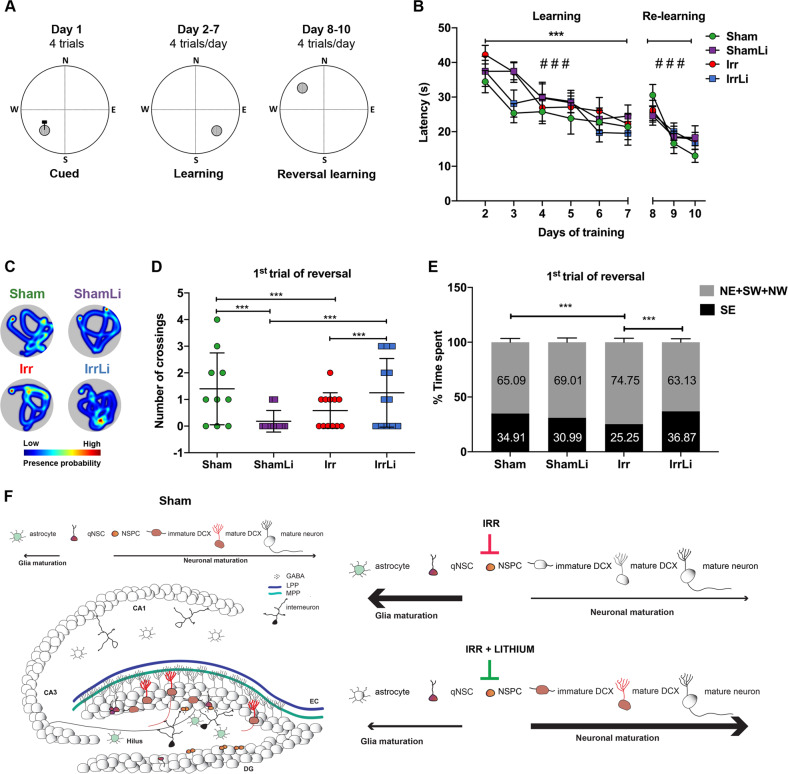
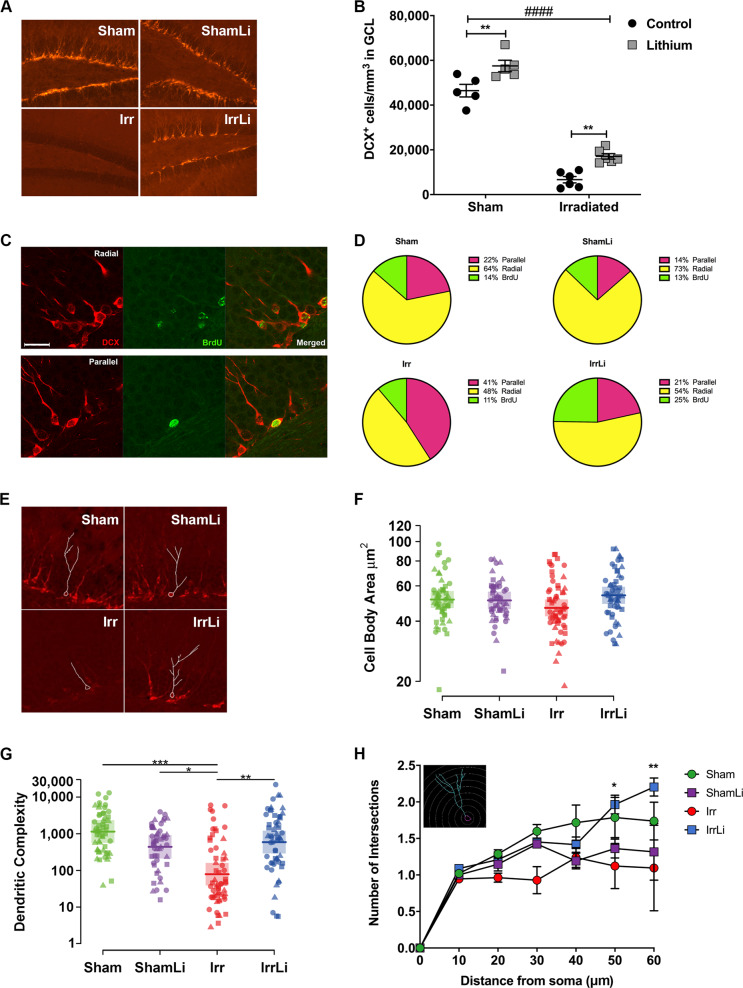
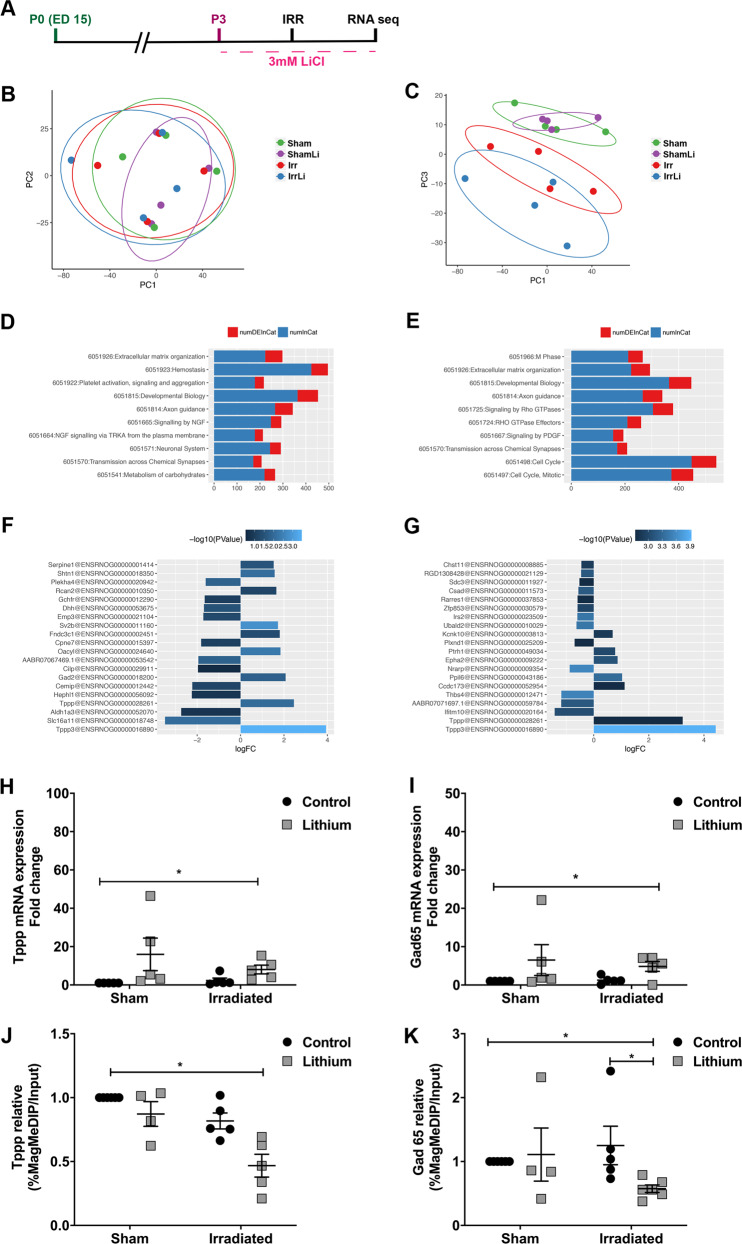
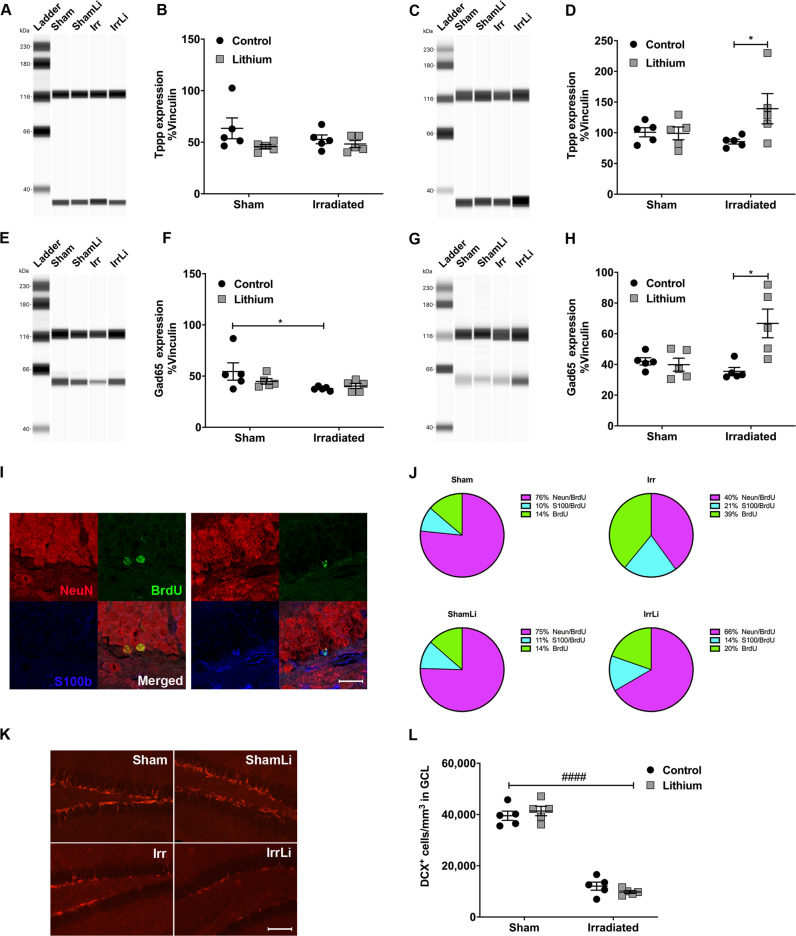
Cranial radiotherapy in children has detrimental effects on cognition, mood, and social competence in young cancer survivors. Treatments harnessing hippocampal neurogenesis are currently of great relevance in this context. Lithium, a well-known mood stabilizer, has both neuroprotective, pro-neurogenic as well as antitumor effects, and in the current study we introduced lithium treatment 4 weeks after irradiation. Female mice received a single 4 Gy whole-brain radiation dose on postnatal day (PND) 21 and were randomized to 0.24% Li2CO chow or normal chow from PND 49 to 77. Hippocampal neurogenesis was assessed on PND 77, 91, and 105. We found that lithium treatment had a pro-proliferative effect on neural progenitors, but neuronal integration occurred only after it was discontinued. Also, the treatment ameliorated deficits in spatial learning and memory retention observed in irradiated mice. Gene expression profiling and DNA methylation analysis identified two novel factors related to the observed effects, Tppp, associated with microtubule stabilization, and GAD2/65, associated with neuronal signaling. Our results show that lithium treatment reverses irradiation-induced loss of hippocampal neurogenesis and cognitive impairment even when introduced long after the injury. We propose that lithium treatment should be intermittent in order to first make neural progenitors proliferate and then, upon discontinuation, allow them to differentiate. Our findings suggest that pharmacological treatment of cognitive so-called late effects in childhood cancer survivors is possible.
儿童颅部放疗会对年轻癌症幸存者的认知、情绪和社交能力产生不利影响。在这种情况下,利用海马神经发生的治疗方法目前非常相关。锂是一种众所周知的情绪稳定剂,具有神经保护、促神经生成和抗肿瘤作用,在目前的研究中,我们在照射后 4 周引入了锂治疗。雌性小鼠在出生后第 21 天接受单次 4Gy 全脑照射,并在第 49 至 77 天随机分为 0.24%Li2CO3 饲料或正常饲料。在出生后第 77、91 和 105 天评估海马神经发生。我们发现锂处理对神经祖细胞有促增殖作用,但神经元整合仅在停止处理后才发生。此外,该处理改善了照射小鼠中观察到的空间学习和记忆保留缺陷。基因表达谱和 DNA 甲基化分析确定了与观察到的效应相关的两个新的因素,Tppp 与微管稳定有关,GAD2/65 与神经元信号有关。我们的结果表明,即使在损伤后很久才开始治疗,锂治疗也可以逆转照射引起的海马神经发生丧失和认知障碍。我们建议锂治疗应该是间歇性的,以便首先使神经祖细胞增殖,然后在停止治疗后允许它们分化。我们的发现表明,对儿童癌症幸存者所谓的迟发性认知效应进行药物治疗是可能的。