Grispoldi L, Karama M, Ianni F, La Mantia A, Pucciarini L, Camaioni E, Sardella R, Sechi P, Natalini B, Cenci-Goga B T
Department of Veterinary Medicine, University of Perugia, Via San Costanzo 4, 06126 Perugia, Italy.
Faculty of Veterinary Science, Department of Paraclinical Sciences, University of Pretoria, Onderstepoort 0110, South Africa.
Animals (Basel). 2019 Nov 16;9(11):981. doi: 10.3390/ani9110981.
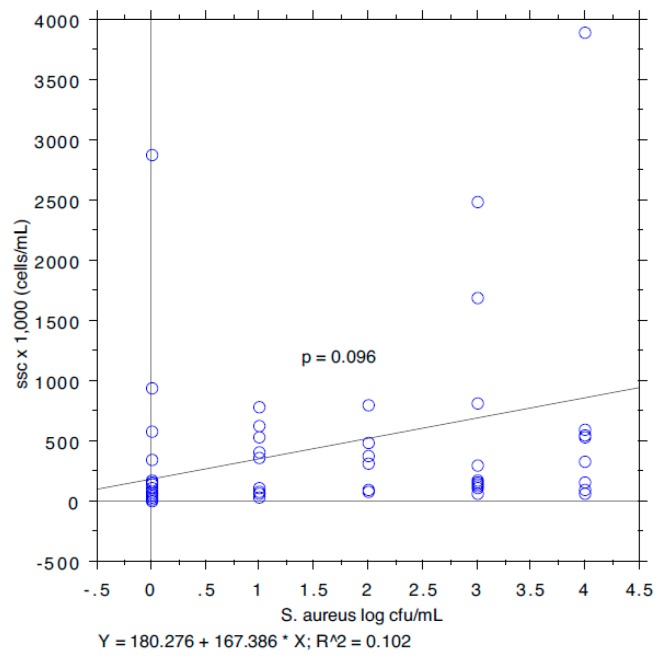
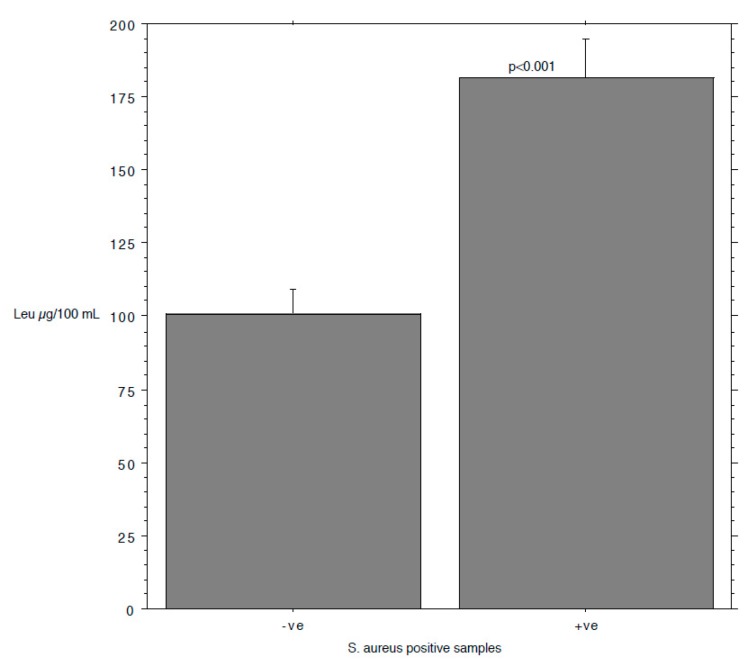
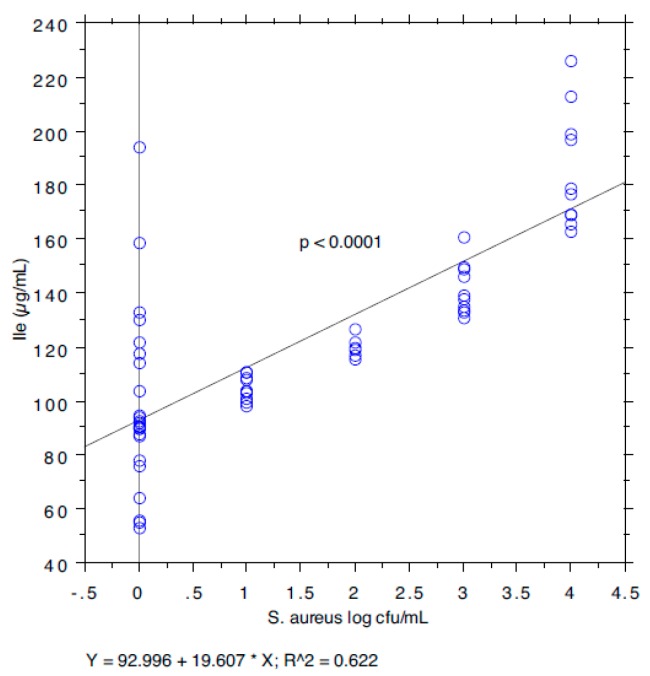
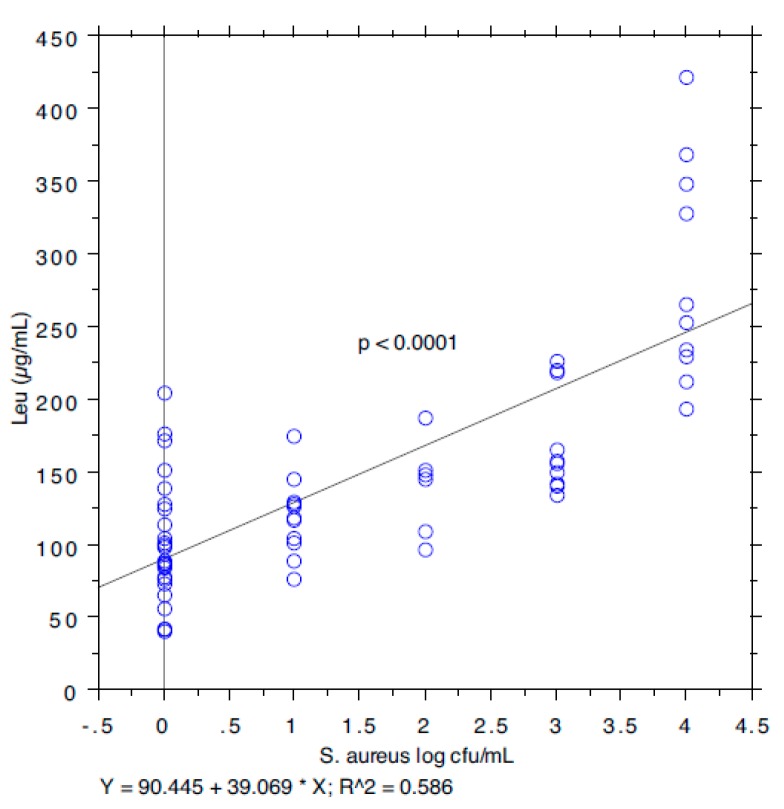
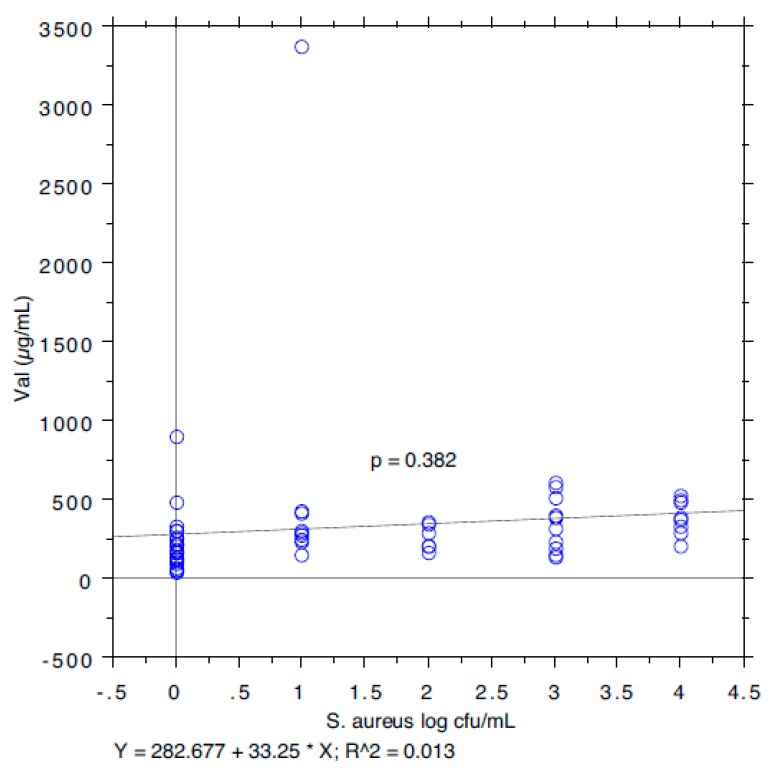
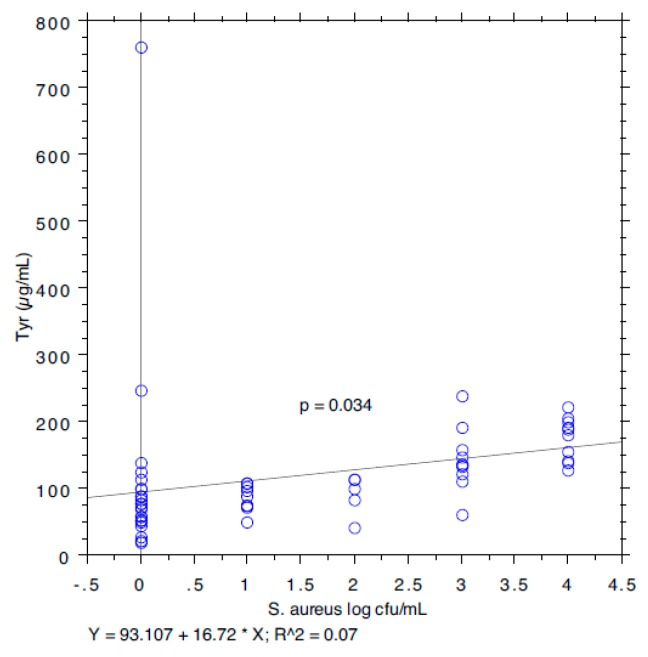
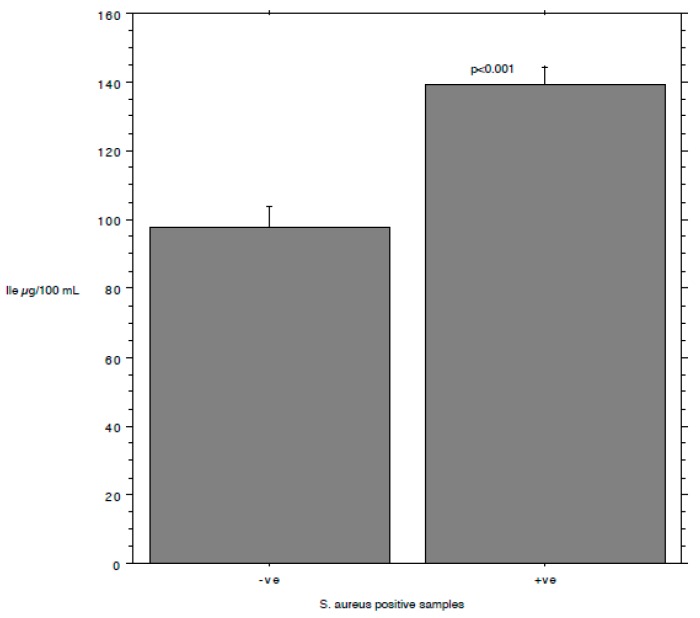
The early diagnosis of mastitis is an essential factor for the prompt detection of the animal for further actions. In fact, if not culled, infected cows must be segregated from the milking herd and milked last, or milked with separate milking units. Besides microbiological analysis, the somatic cell count (SCC) commonly used as predictor of intramammary infection, frequently lead to a misclassification of milk samples. To overcome these limitations, more specific biomarkers are continuously evaluated. The total amino acid content increases significantly in mastitic milk compared to normal milk. requires branched-chain amino acids (BCAAs-isoleucine, leucine, and valine) for protein synthesis, branched-chain fatty acids synthesis, and environmental adaptation by responding to their availability via transcriptional regulators. The increase of BCAAs in composite milk has been postulated to be linked to mammary infection by . The aim of this work is to demonstrate, by a direct ion-pairing reversed-phase method, based on the use of the evaporative light-scattering detector (IP-RP-HPLC-ELSD), applied to 65 composite cow milk samples, a correlation between the concentration of isoleucine and leucine, and load. The correlation coefficient, r, was found to be 0.102 for SCC ( = 0.096), 0.622 for isoleucine ( < 0.0001), 0.586 for leucine ( < 0.0001), 0.013 for valine ( = 0.381), and 0.07 for tyrosine ( = 0.034), standing for a positive correlation between and isoleucine and leucine concentration. The link between the content of BCAAs, isoleucine and leucine, and udder infection by demonstrated with our study has an important clinical value for the rapid diagnosis of mastitis in cows.
乳腺炎的早期诊断是及时发现患病动物以便采取进一步措施的关键因素。事实上,如果不淘汰,感染奶牛必须与挤奶牛群隔离,并最后挤奶,或者使用单独的挤奶设备挤奶。除了微生物分析外,常用于预测乳腺感染的体细胞计数(SCC)常常导致对牛奶样本的错误分类。为克服这些局限性,人们不断评估更具特异性的生物标志物。与正常牛奶相比,患乳腺炎牛奶中的总氨基酸含量显著增加。蛋白质合成、支链脂肪酸合成以及通过转录调节因子响应其可用性以适应环境都需要支链氨基酸(BCAAs——异亮氨酸、亮氨酸和缬氨酸)。复合牛奶中BCAAs的增加被推测与[某种细菌]的乳腺感染有关。本研究的目的是通过一种直接离子对反相方法,基于蒸发光散射检测器(IP-RP-HPLC-ELSD)的使用,对65份复合牛奶样本进行检测,证明异亮氨酸和亮氨酸浓度与[某种细菌]载量之间的相关性。对于SCC,相关系数r为0.102(P = 0.096),异亮氨酸为0.622(P < 0.0001),亮氨酸为0.586(P < 0.0001),缬氨酸为0.013(P = 0.381),酪氨酸为0.07(P = 0.034),这表明[某种细菌]载量与异亮氨酸和亮氨酸浓度呈正相关。我们的研究证明了支链氨基酸(BCAAs)、异亮氨酸和亮氨酸的含量与[某种细菌]引起的乳房感染之间的联系,这对于奶牛[某种细菌]乳腺炎的快速诊断具有重要的临床价值。