Advanced Pharmacognosy Research Laboratory, Department of Pharmaceutical Technology, Jadavpur University, Kolkata 700032, India.
Department of Chemical Technology, University of Calcutta, Kolkata 700009, India.
Molecules. 2019 Nov 18;24(22):4176. doi: 10.3390/molecules24224176.
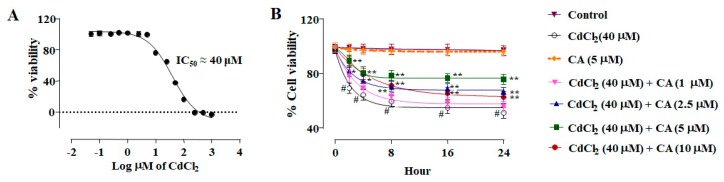
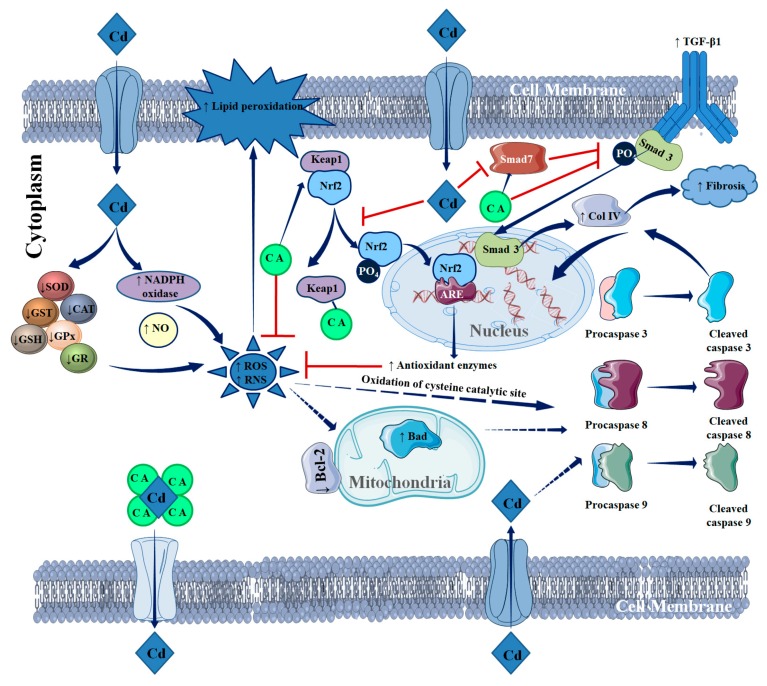
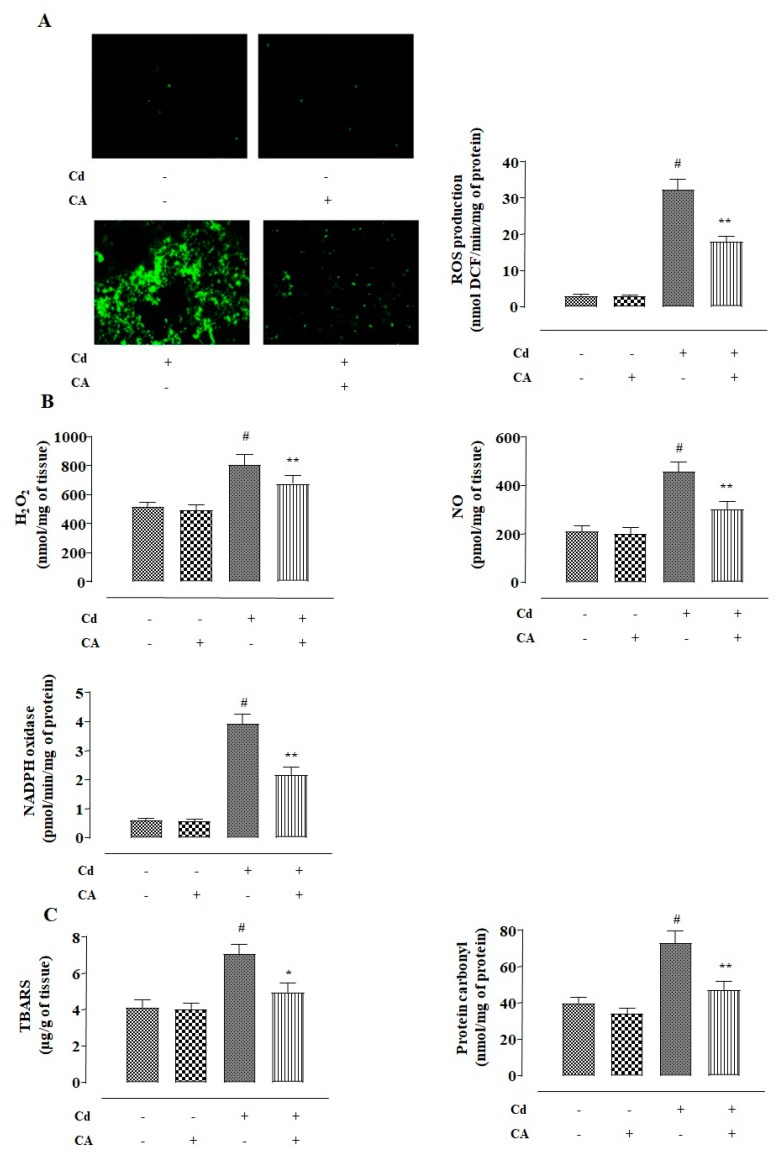
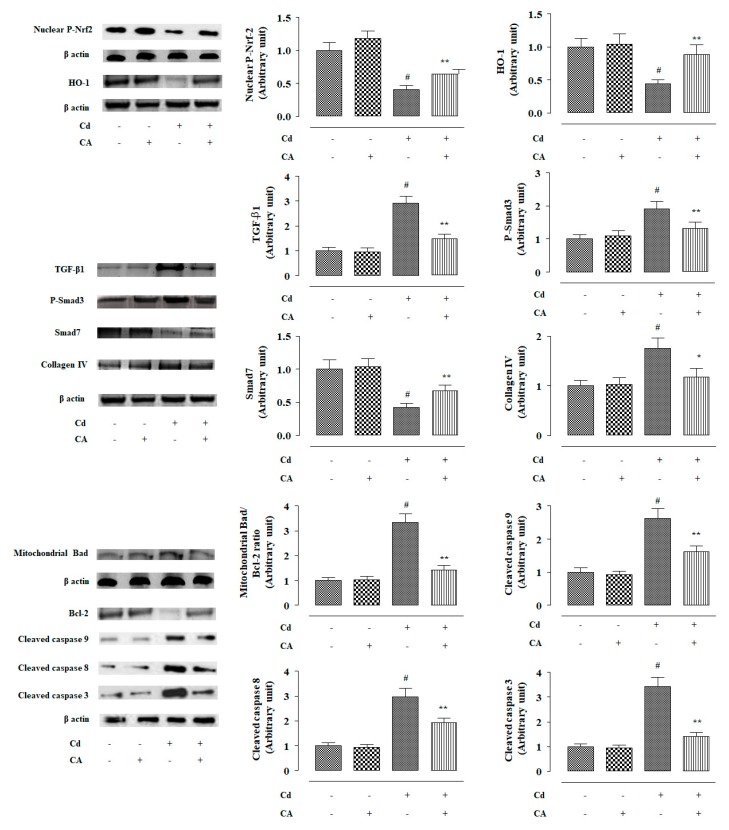
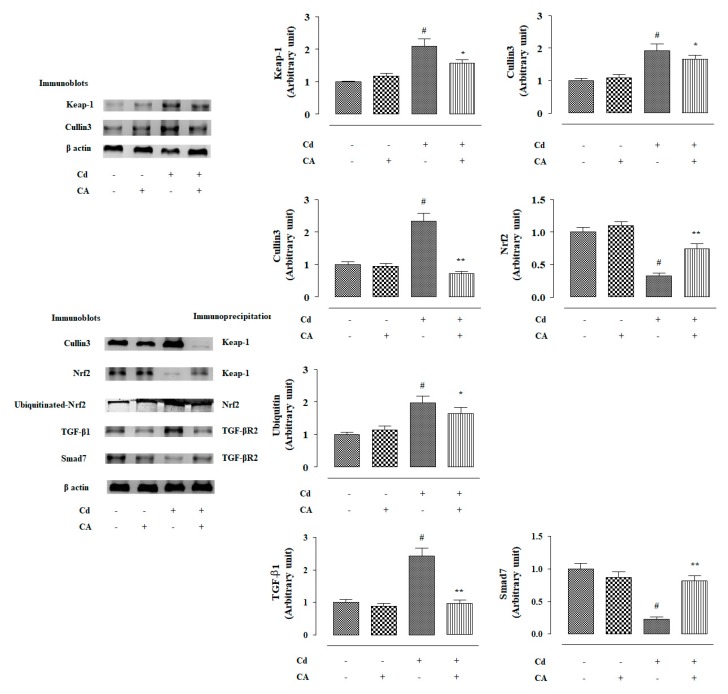
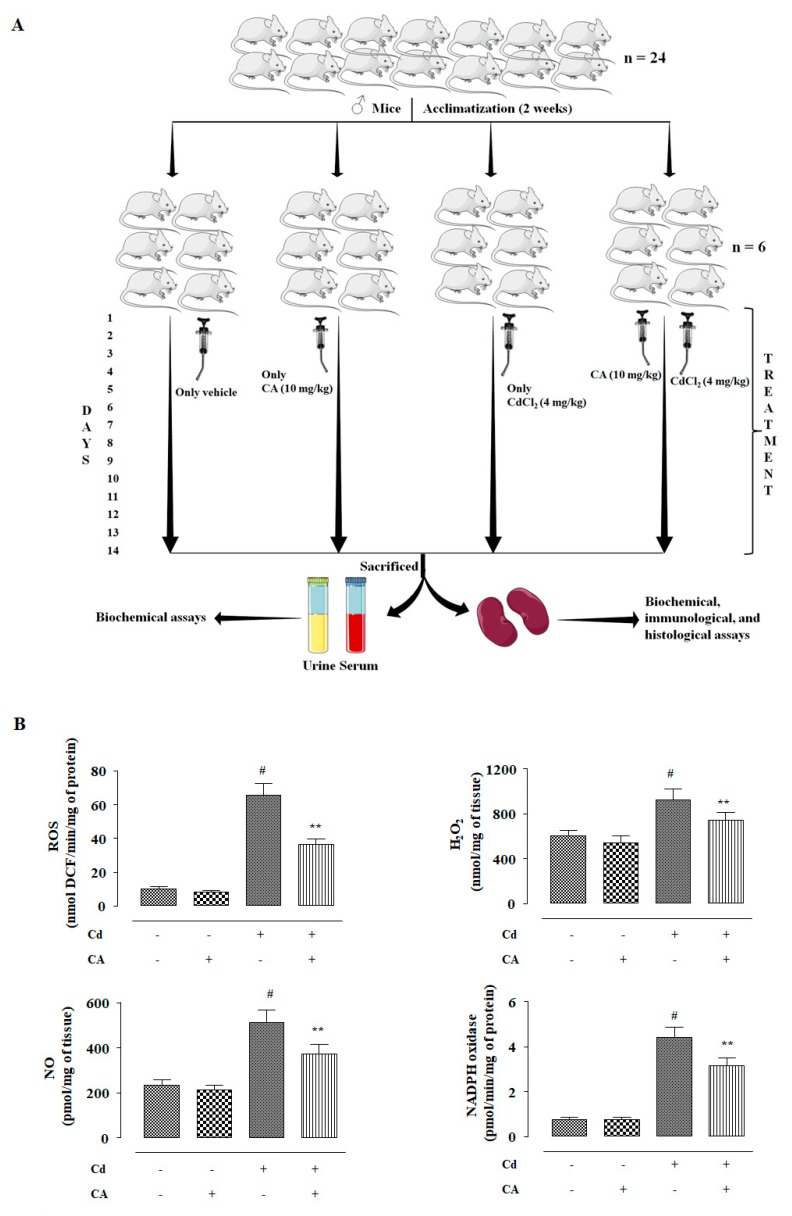
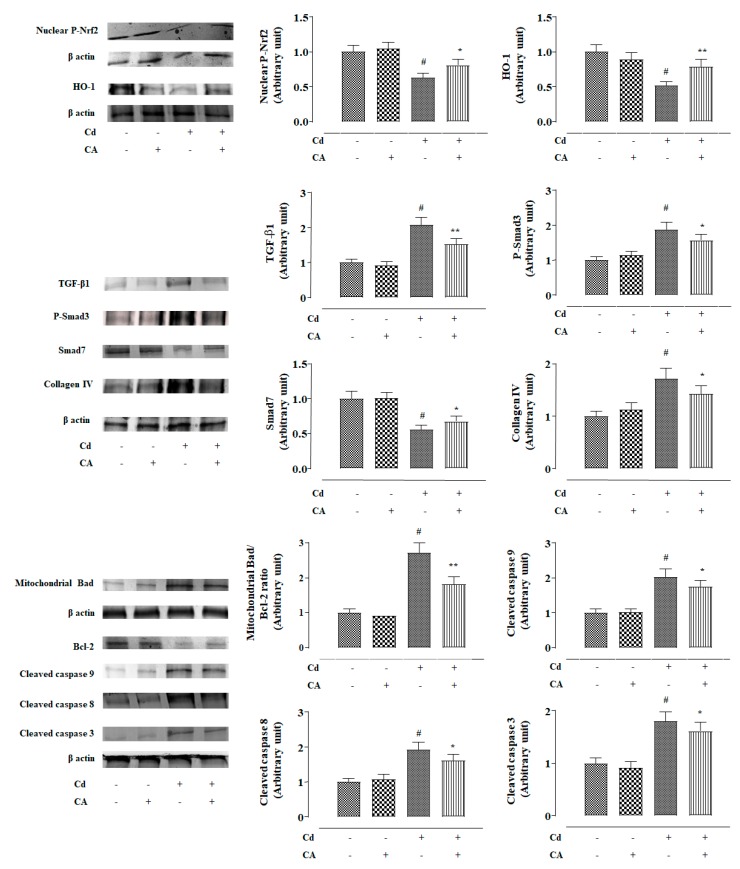
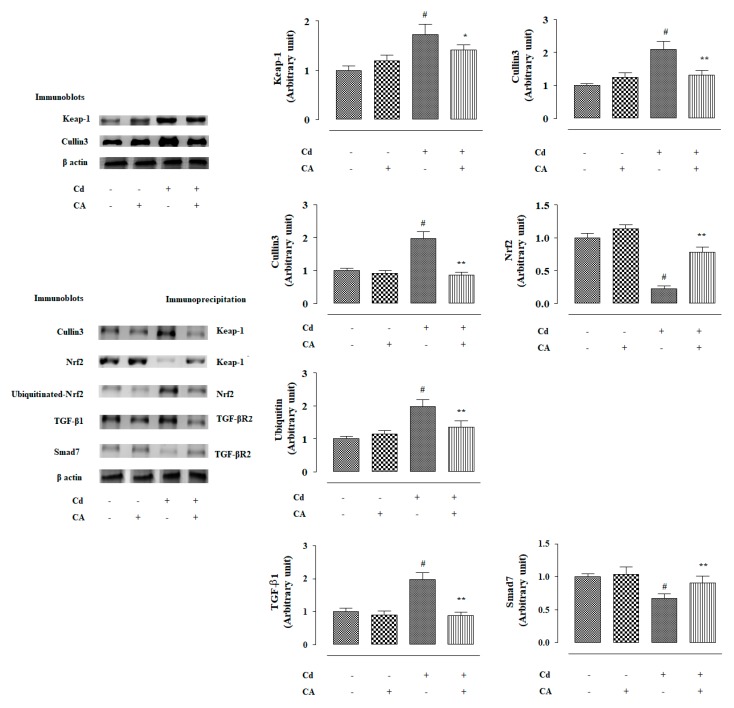
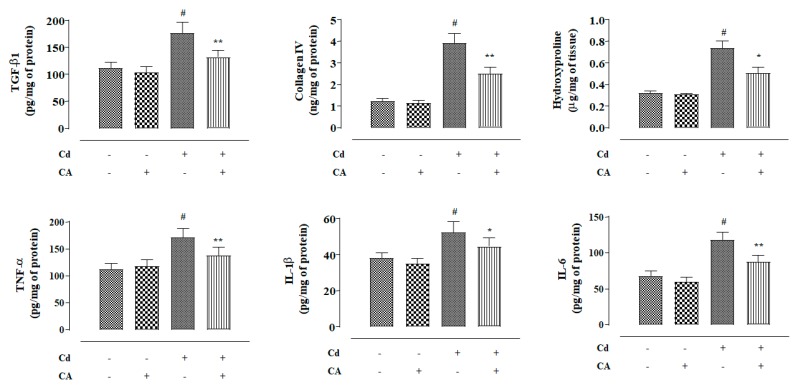
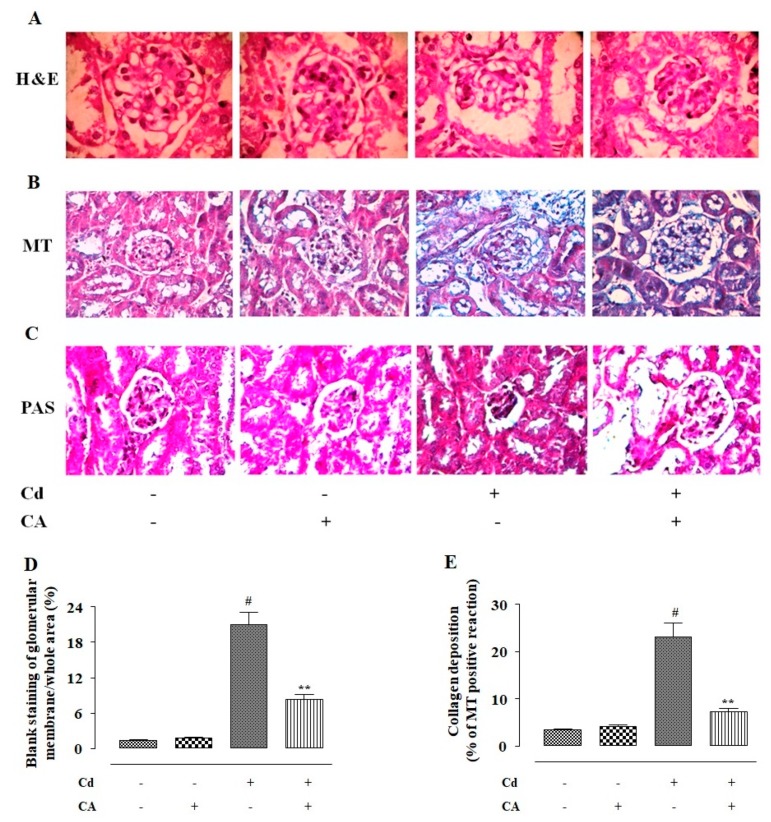
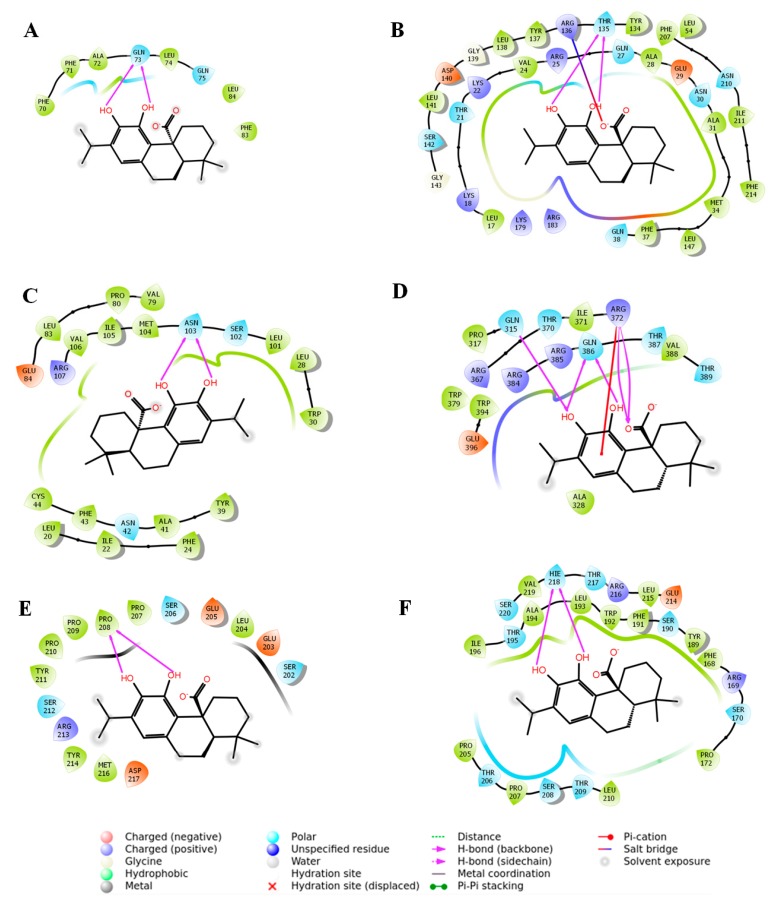
Cadmium (Cd) imparts nephrotoxicity via triggering oxidative stress and pathological signal transductions in renal cells. The present study was performed to explore the protective mechanism of carnosic acid (CA), a naturally occurring antioxidant compound, against cadmium chloride (CdCl)-provoked nephrotoxicity employing suitable in vitro and in vivo assays. CA (5 µM) exhibited an anti-apoptotic effect against CdCl (40 µM) in normal kidney epithelial (NKE) cells evidenced from cell viability, image, and flow cytometry assays. In this study, CdCl treatment enhanced oxidative stress by triggering free radical production, suppressing the endogenous redox defence system, and inhibiting nuclear factor erythroid 2-related factor 2 (Nrf2) activation in NKE cells and mouse kidneys. Moreover, CdCl treatment significantly endorsed apoptosis and fibrosis via activation of apoptotic and transforming growth factor (TGF)-β1/mothers against decapentaplegic homolog (Smad)/collagen IV signalling pathways, respectively. In contrast, CA treatment significantly attenuated Cd-provoked nephrotoxicity via inhibiting free radicals, endorsing redox defence, suppressing apoptosis, and inhibiting fibrosis in renal cells in both in vitro and in vivo systems. In addition, CA treatment significantly ( < 0.05-0.01) restored blood and urine parameters to near-normal levels in mice. Histological findings further confirmed the protective role of CA against Cd-mediated nephrotoxicity. Molecular docking predicted possible interactions between CA and Nrf2/TGF-β1/Smad/collagen IV. Hence, CA was found to be a potential therapeutic agent to treat Cd-mediated nephrotoxicity.
镉 (Cd) 通过触发肾细胞中的氧化应激和病理信号转导导致肾毒性。本研究旨在通过适当的体外和体内研究探索天然抗氧化剂化合物迷迭香酸 (CA) 对氯化镉 (CdCl) 引起的肾毒性的保护机制。CA(5 μM)在正常肾上皮 (NKE) 细胞中表现出抗凋亡作用,可抵抗 CdCl(40 μM),这一点从细胞活力、图像和流式细胞术检测中得到证实。在这项研究中,CdCl 处理通过触发自由基产生、抑制内源性氧化还原防御系统和抑制核因子红细胞 2 相关因子 2 (Nrf2) 在 NKE 细胞和小鼠肾脏中的激活来增强氧化应激。此外,CdCl 处理通过激活凋亡和转化生长因子 (TGF)-β1/母亲对抗颅面发育不全同源物 (Smad)/胶原蛋白 IV 信号通路显著促进了凋亡和纤维化。相比之下,CA 处理通过抑制自由基、促进氧化还原防御、抑制细胞凋亡和抑制纤维化在体外和体内系统中显著减轻了 Cd 引起的肾毒性。此外,CA 处理还显著(<0.05-0.01)将小鼠的血液和尿液参数恢复到接近正常水平。组织学发现进一步证实了 CA 对 Cd 介导的肾毒性的保护作用。分子对接预测了 CA 与 Nrf2/TGF-β1/Smad/胶原蛋白 IV 之间可能的相互作用。因此,CA 被发现是一种治疗 Cd 介导的肾毒性的潜在治疗剂。