Hu Wei-Hui, Chan Gallant Kar-Lun, Duan Ran, Wang Huai-You, Kong Xiang-Peng, Dong Tina Ting-Xia, Tsim Karl Wah-Keung
Shenzhen Key Laboratory of Edible and Medicinal Bioresources, HKUST Shenzhen Research Institute, Hi-Tech Park, Nanshan, Shenzhen 518057, China.
Division of Life Science and Center for Chinese Medicine, The Hong Kong University of Science and Technology, Clear Water Bay Road, Hong Kong 999077, China.
Cancers (Basel). 2019 Nov 20;11(12):1828. doi: 10.3390/cancers11121828.
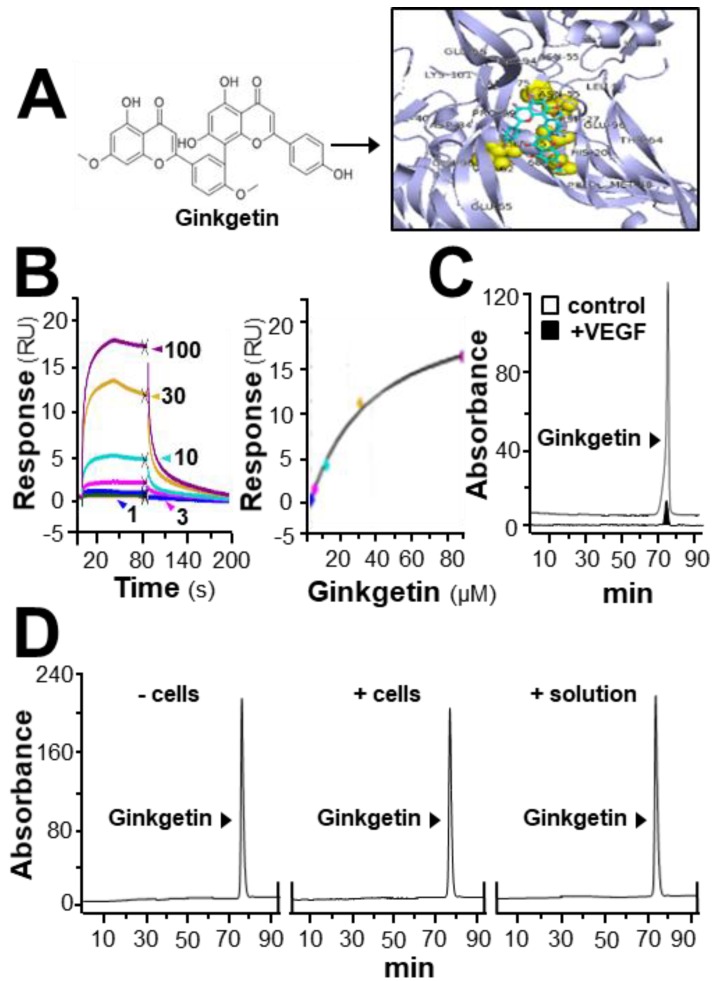
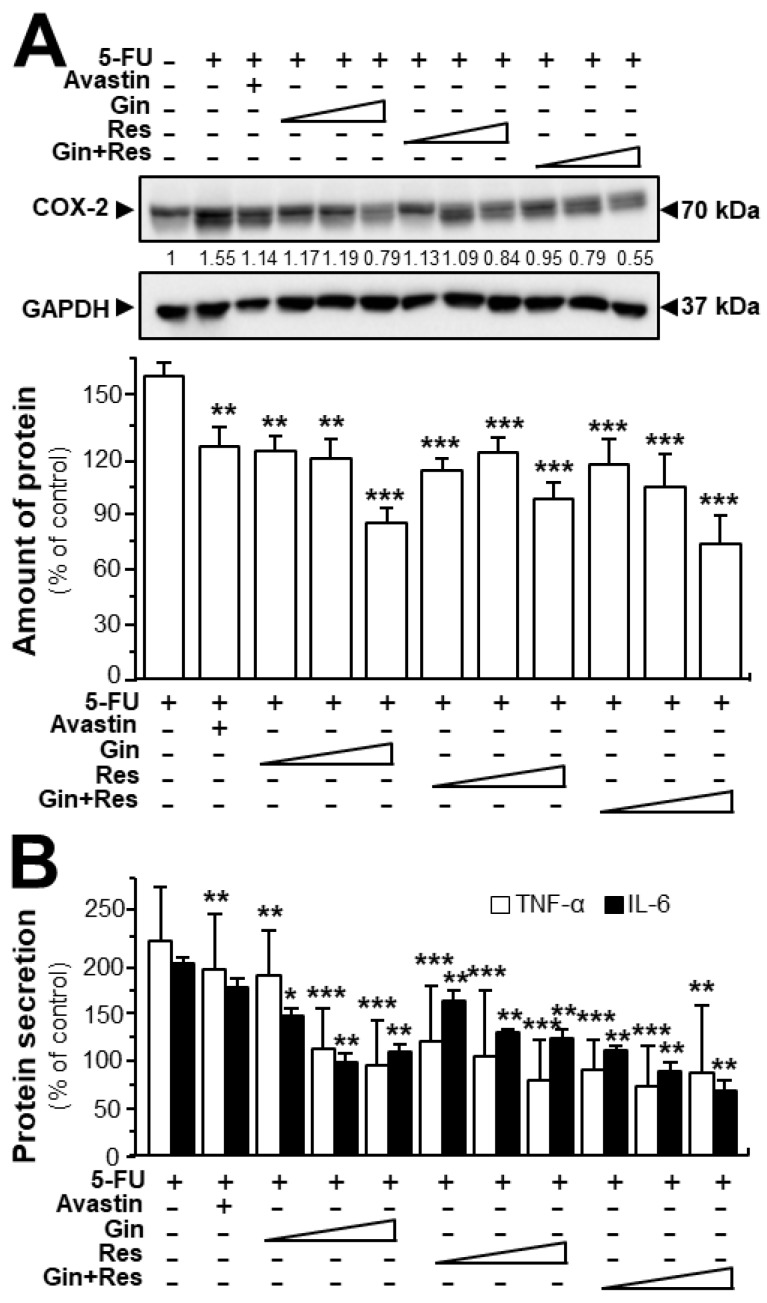
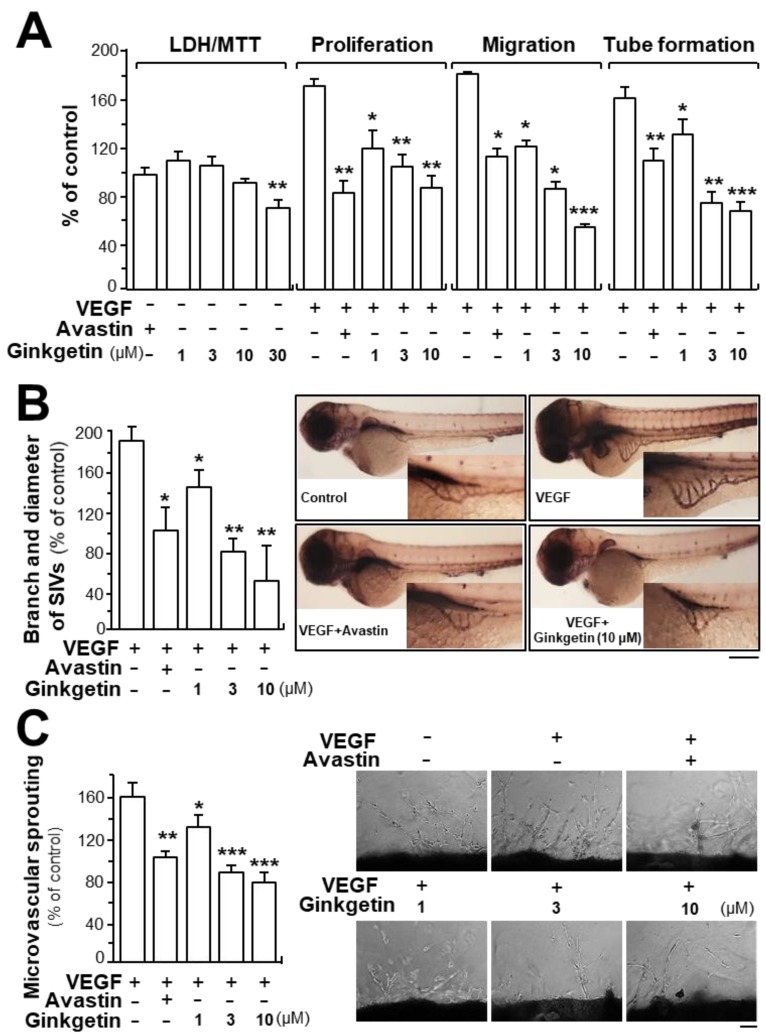
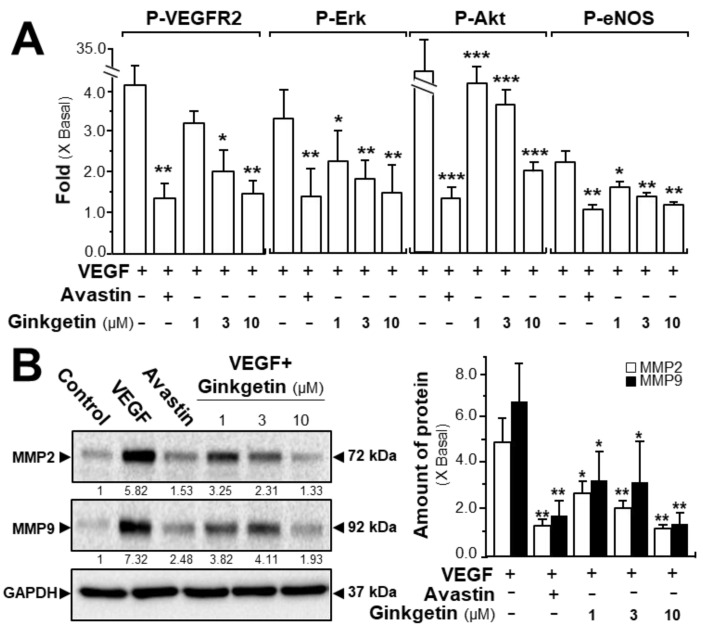
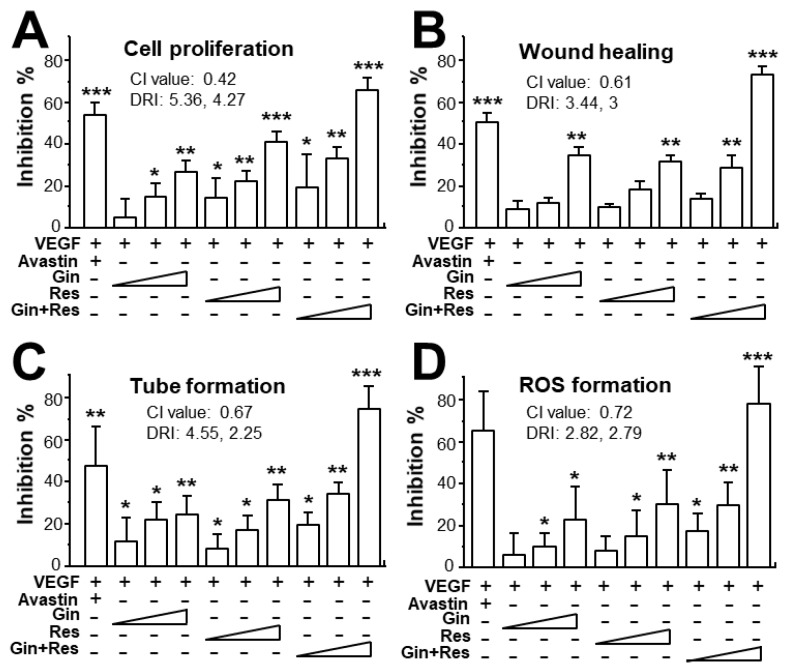
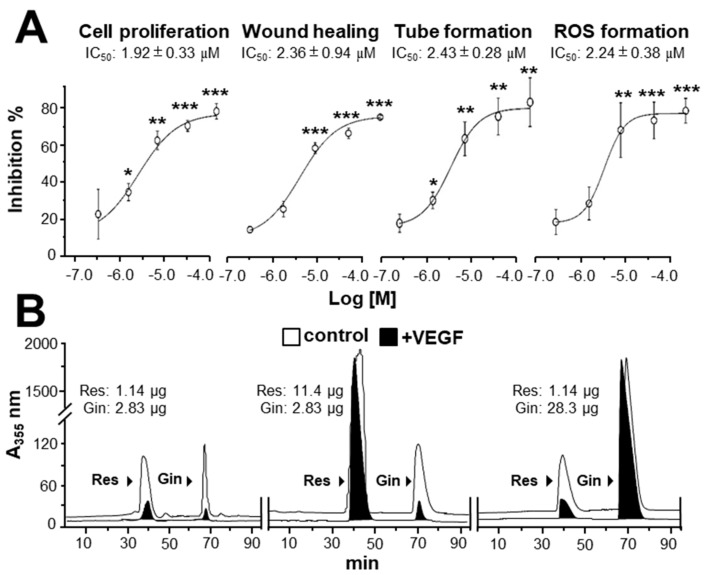
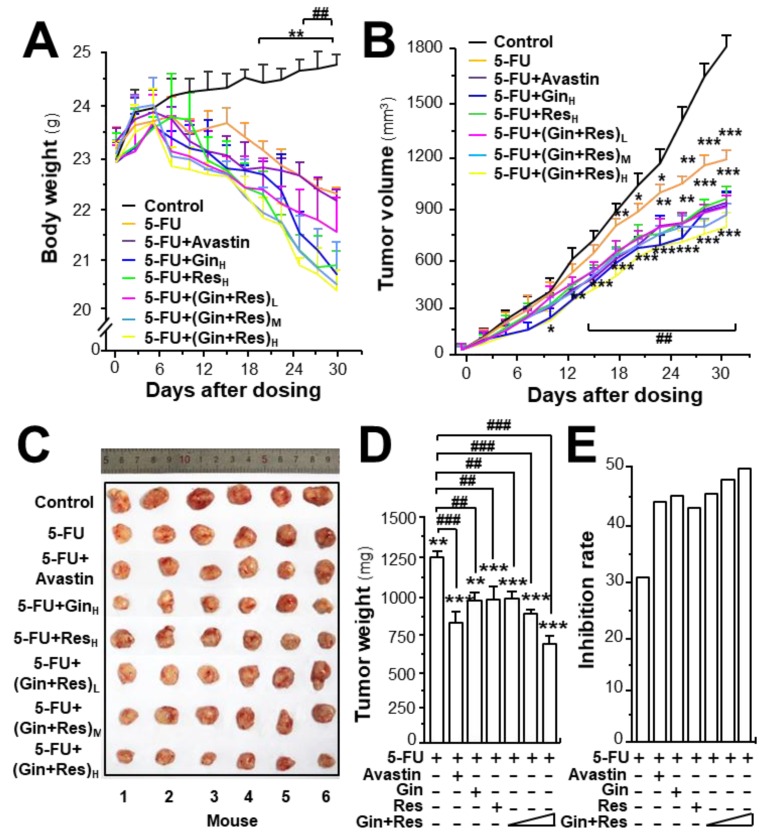
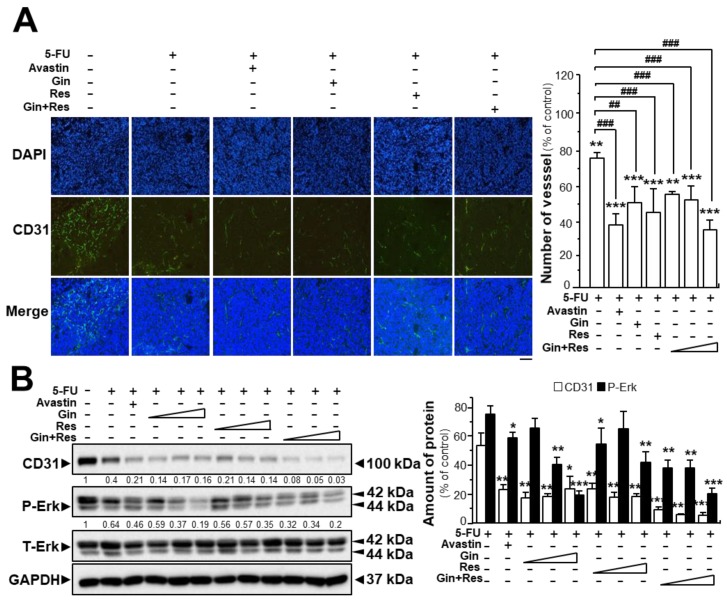
Ginkgetin, a biflavone from leaf, and resveratrol, a polyphenol found in grape and wine, are two phytochemicals being identified for its binding to vascular endothelial growth factor (VEGF): the binding, therefore, resulted in the alteration of the physiological roles of VEGF-mediated angiogenesis. The bindings of ginkgetin and resveratrol were proposed on different sites of VEGF, but both of them suppressed the angiogenic properties of VEGF. The suppressive activities of ginkgetin and resveratrol in VEGF-mediated angiogenesis were supported by several lines of evidence including (i) inhibiting the formation of sub-intestinal vessel in zebrafish embryos and microvascular sprouting in rat aortic ring; and (ii) suppressing the phosphorylations of VEGFR2, Akt, eNOS, and Erk as well as expressions of matrix metalloproteinases (MMPs), MMP-2, and MMP-9 in human umbilical vein endothelial cells (HUVECs). Here, we showed the synergy of ginkgetin and resveratrol in suppressing the VEGF-induced endothelial cell proliferation, migration, invasion, and tube formation. The synergy of ginkgetin and resveratrol was further illustrated in HT-29 colon cancer xenograft nude mice. Ginkgetin and resveratrol, when applied together, exerted a synergistic anti-tumor effect of 5-fluorouracil with decreasing microvessel density of tumors. In parallel, the combination of ginkgetin and resveratrol synergistically relieved the 5-fluorouracil-induced inflammatory response by suppressing expressions of COX-2 and inflammatory cytokines. Thus, the anti-angiogenic roles of ginkgetin and/or resveratrol could provide effective therapeutic strategy in cancer, similar to that of Avastin, in suppressing the VEGF-mediated angiogenesis during cancer development.
银杏双黄酮是一种从树叶中提取的双黄酮,白藜芦醇是一种存在于葡萄和葡萄酒中的多酚,这两种植物化学物质因能与血管内皮生长因子(VEGF)结合而被识别:这种结合因此导致了VEGF介导的血管生成的生理作用发生改变。银杏双黄酮和白藜芦醇被认为是在VEGF的不同位点上结合,但它们都抑制了VEGF的血管生成特性。银杏双黄酮和白藜芦醇在VEGF介导的血管生成中的抑制活性得到了几条证据的支持,包括:(i)抑制斑马鱼胚胎中肠下血管的形成和大鼠主动脉环中的微血管芽生;以及(ii)抑制人脐静脉内皮细胞(HUVECs)中VEGFR2、Akt、eNOS和Erk的磷酸化以及基质金属蛋白酶(MMPs)、MMP-2和MMP-9的表达。在此,我们展示了银杏双黄酮和白藜芦醇在抑制VEGF诱导的内皮细胞增殖、迁移、侵袭和管形成方面的协同作用。银杏双黄酮和白藜芦醇的协同作用在HT-29结肠癌异种移植裸鼠中得到了进一步说明。银杏双黄酮和白藜芦醇一起应用时,发挥了与5-氟尿嘧啶协同的抗肿瘤作用,同时降低了肿瘤的微血管密度。同时,银杏双黄酮和白藜芦醇的组合通过抑制COX-2和炎性细胞因子的表达,协同减轻了5-氟尿嘧啶诱导的炎症反应。因此,银杏双黄酮和/或白藜芦醇的抗血管生成作用可以在癌症治疗中提供有效的治疗策略,类似于阿瓦斯汀,在癌症发展过程中抑制VEGF介导的血管生成。