Department of Research and Innovations, Datar Cancer Genetics Limited, Nasik, India.
St. Luke's Cancer Centre, Royal Surrey County Hospital, Guildford, United Kingdom.
Int J Cancer. 2020 Jun 15;146(12):3485-3494. doi: 10.1002/ijc.32815. Epub 2019 Dec 16.
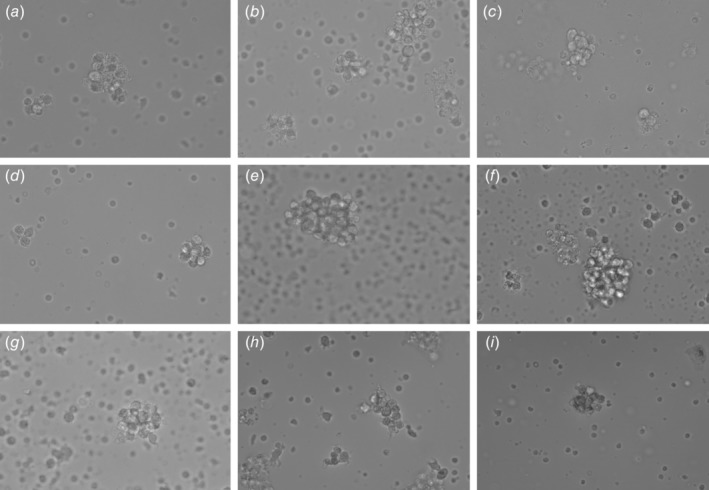
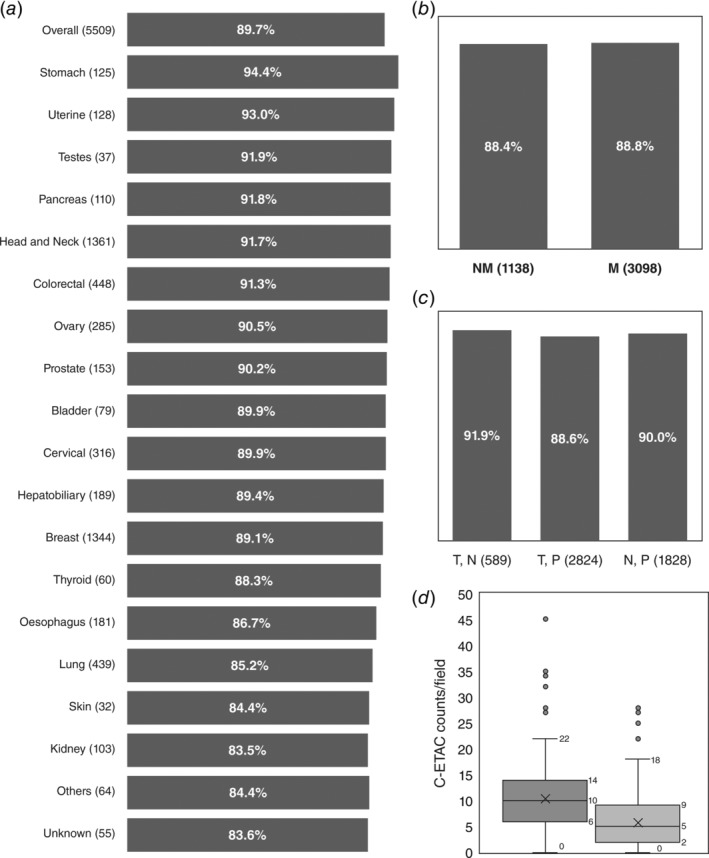
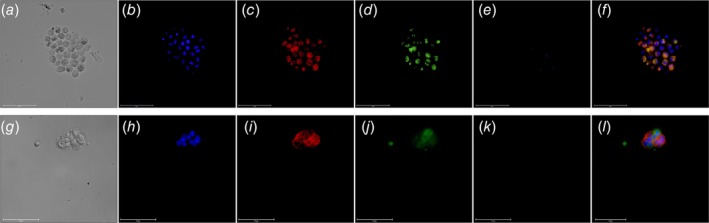
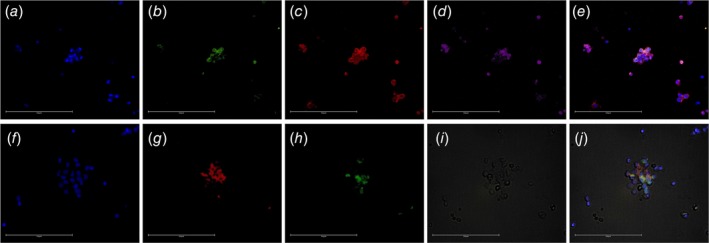
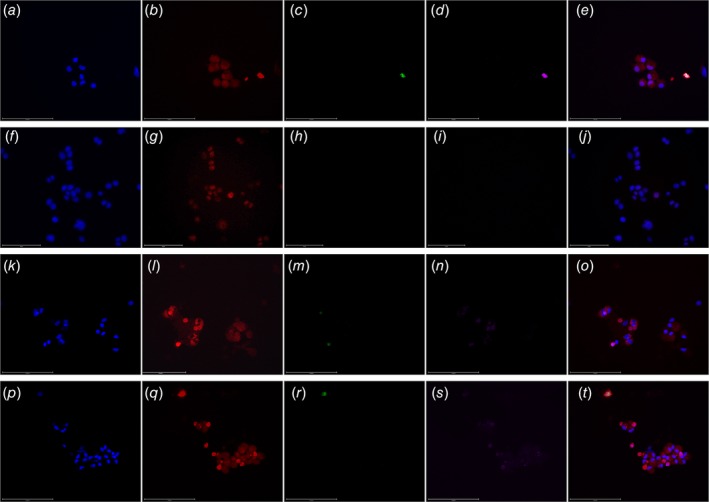
Circulating ensembles of tumor-associated cells (C-ETACs) which comprise tumor emboli, immune cells and fibroblasts pose well-recognized risks of thrombosis and aggressive metastasis. However, the detection, prevalence and characterization of C-ETACs have been impaired due to methodological difficulties. Our findings show extensive pan-cancer prevalence of C-ETACs on a hitherto unreported scale in cancer patients and virtual undetectability in asymptomatic individuals. Peripheral blood mononuclear cells (PBMCs) were isolated from blood samples of 16,134 subjects including 5,509 patients with epithelial malignancies in various organs and 10,625 asymptomatic individuals with age related higher cancer risk. PBMCs were treated with stabilizing reagents to protect and harvest apoptosis-resistant C-ETACs, which are defined as cell clusters comprising at least three EpCAM and CK cells irrespective of leucocyte common antigen (CD45) status. All asymptomatic individuals underwent screening investigations for malignancy including PAP smear, mammography, low-dose computed tomography, evaluation of cancer antigen 125, cancer antigen 19-9, alpha fetoprotein, carcinoembryonic antigen, prostate specific antigen (PSA) levels and clinical examination to identify healthy individuals with no indication of cancer. C-ETACs were detected in 4,944 (89.8%, 95% CI: 89.0-90.7%) out of 5,509 cases of cancer. C-ETACs were detected in 255 (3%, 95% CI: 2.7-3.4%) of the 8,493 individuals with no abnormal findings in screening. C-ETACs were detected in 137 (6.4%, 95% CI: 5.4-7.4%) of the 2,132 asymptomatic individuals with abnormal results in one or more screening tests. Our study shows that heterotypic C-ETACs are ubiquitous in epithelial cancers irrespective of radiological, metastatic or therapy status. C-ETACs thus qualify to be a systemic hallmark of cancer.
循环肿瘤相关细胞(C-ETAC)是由肿瘤栓子、免疫细胞和成纤维细胞组成的肿瘤细胞群,具有明显的血栓形成和侵袭性转移风险。然而,由于方法学上的困难,C-ETAC 的检测、流行率和特征描述一直受到影响。我们的研究结果表明,在癌症患者中,C-ETAC 广泛存在于各种癌症中,而且在无症状个体中几乎无法检测到。我们从 16134 名个体的血液样本中分离外周血单核细胞(PBMC),其中包括 5509 名来自不同器官上皮恶性肿瘤的患者和 10625 名具有较高年龄相关癌症风险的无症状个体。用稳定试剂处理 PBMC,以保护和收获凋亡抵抗的 C-ETAC,其定义为至少包含三个 EpCAM 和 CK 细胞的细胞簇,无论白细胞共同抗原(CD45)状态如何。所有无症状个体都接受了恶性肿瘤筛查调查,包括巴氏涂片、乳房 X 光检查、低剂量计算机断层扫描、癌抗原 125、癌抗原 19-9、甲胎蛋白、癌胚抗原、前列腺特异性抗原(PSA)水平和临床检查,以确定没有癌症迹象的健康个体。在 5509 例癌症病例中,有 4944 例(89.8%,95%CI:89.0-90.7%)检测到 C-ETAC。在 8493 名无异常筛查结果的个体中,有 255 例(3%,95%CI:2.7-3.4%)检测到 C-ETAC。在 2132 名筛查中一项或多项检查异常的无症状个体中,有 137 例(6.4%,95%CI:5.4-7.4%)检测到 C-ETAC。我们的研究表明,异质 C-ETAC 在上皮癌中无处不在,与放射学、转移或治疗状态无关。因此,C-ETAC 有资格成为癌症的系统标志。