Elphick Heather E, Lawson Candi, Ives Ann, Siddall Sue, Kingshott Ruth N, Reynolds Janine, Dawson Victoria, Hall Lorraine
Department of Respiratory and Sleep Medicine, Sheffield Children's Hospital, Sheffield, UK.
Sheffield City Council, Sheffield, UK.
BMJ Paediatr Open. 2019 Nov 10;3(1):e000551. doi: 10.1136/bmjpo-2019-000551. eCollection 2019.
Despite the success of behavioural sleep support interventions in the third sector, sleep support is not universally available for families in the UK. The aim of the study was to provide evidence of efficacy and to propose a delivery model for integrated sleep support for families of vulnerable children.
A sleep support intervention was carried out in Sheffield Local Authority evaluated using a preintervention and postintervention study design by Sheffield Children's National Health Service (NHS) Trust.
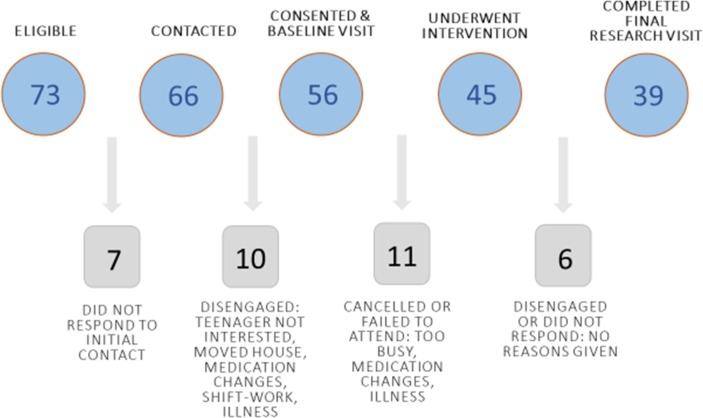
Fifty-six children aged 6-16 years with significant sleep problems were recruited; 39 completed the intervention and evaluation.
Basic sleep education and an individualised programme was delivered by a sleep practitioner. Follow-on telephone support was provided to empower the parent (and/or young person) to carry out the sleep programme at home. An integrated NHS and Local Authority delivery model was designed and implemented.
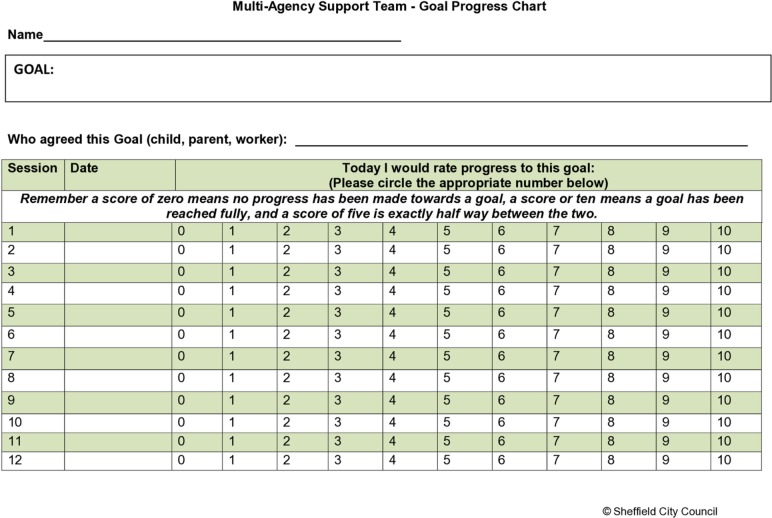
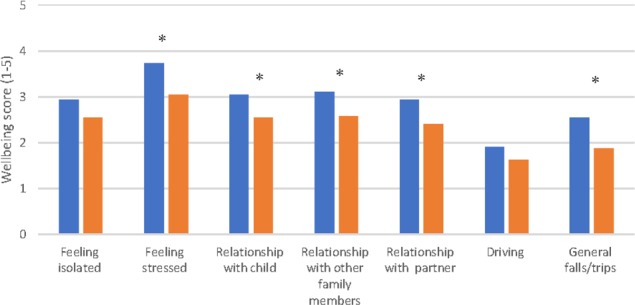
Parents' ratings of their child's ability to self-settle improved from 1.1/10 to 6.4/10 (p<0.05). Mean Warwick-Edinburgh Mental Well-being Scale scores improved significantly for parents/carers (MD 5.16, 95%CIs 2.62 to 7.69, p<0.05). Children who completed the intervention gained on average an extra 2.4 hours sleep a night. There was reduction in healthcare utilisation, illnesses and medication use.
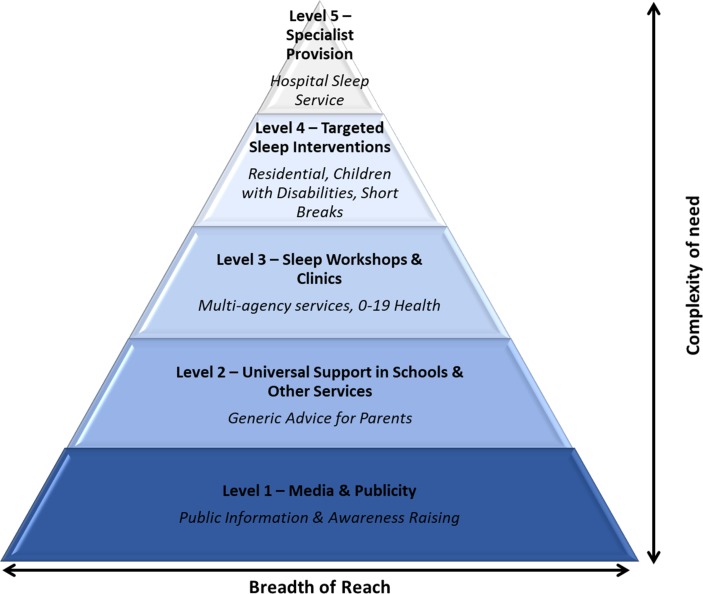
The behavioural approach to sleep support for these vulnerable groups of children is highly effective. Follow-on individual support to empower parents is key to achieving success. Sleep support can be implemented in NHS and Local Authority services by integration into the existing workforce using a cross-agency model.
尽管第三部门的行为睡眠支持干预取得了成功,但英国并非所有家庭都能普遍获得睡眠支持。本研究的目的是提供疗效证据,并为弱势儿童家庭提出综合睡眠支持的提供模式。
在谢菲尔德地方当局开展了一项睡眠支持干预,并由谢菲尔德儿童国民保健服务(NHS)信托基金采用干预前和干预后研究设计进行评估。
招募了56名6 - 16岁有严重睡眠问题的儿童;39名完成了干预和评估。
由一名睡眠治疗师提供基本睡眠教育和个性化方案。提供后续电话支持,以使家长(和/或青少年)有能力在家中实施睡眠方案。设计并实施了一种NHS和地方当局的综合提供模式。
家长对孩子自我入睡能力的评分从1.1/10提高到6.4/10(p<0.05)。家长/照顾者的沃里克 - 爱丁堡心理健康量表平均得分显著提高(MD 5.16,95%可信区间2.62至7.69,p<0.05)。完成干预的儿童平均每晚多睡2.4小时。医疗保健利用率、疾病和药物使用有所减少。
对这些弱势群体儿童采用行为方法进行睡眠支持非常有效。后续给予家长个人支持是取得成功的关键。通过跨机构模式将睡眠支持纳入现有工作人员队伍,可在NHS和地方当局服务中实施。