Choi Hyeree, Kudchodkar Sagar B, Reuschel Emma L, Asija Kanika, Borole Piyush, Agarwal Sangya, Van Gorder Lucas, Reed Charles C, Gulendran Gayathri, Ramos Stephanie, Broderick Kate E, Kim J Joseph, Ugen Kenneth E, Kobinger Gary, Siegel Don L, Weiner David B, Muthumani Kar
Vaccine & Immunotherapy Center, The Wistar Institute, Philadelphia, PA, USA.
R&D, Inovio Pharmaceuticals, Plymouth Meeting, PA, USA.
Hum Vaccin Immunother. 2020 Apr 2;16(4):907-918. doi: 10.1080/21645515.2019.1688038. Epub 2019 Dec 4.
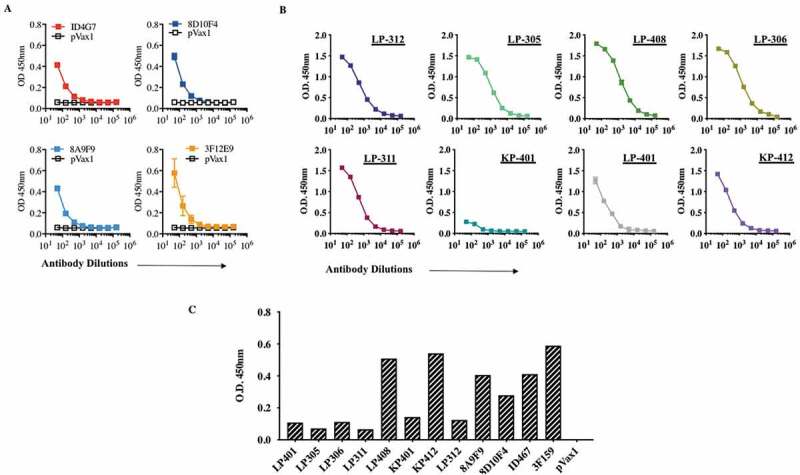
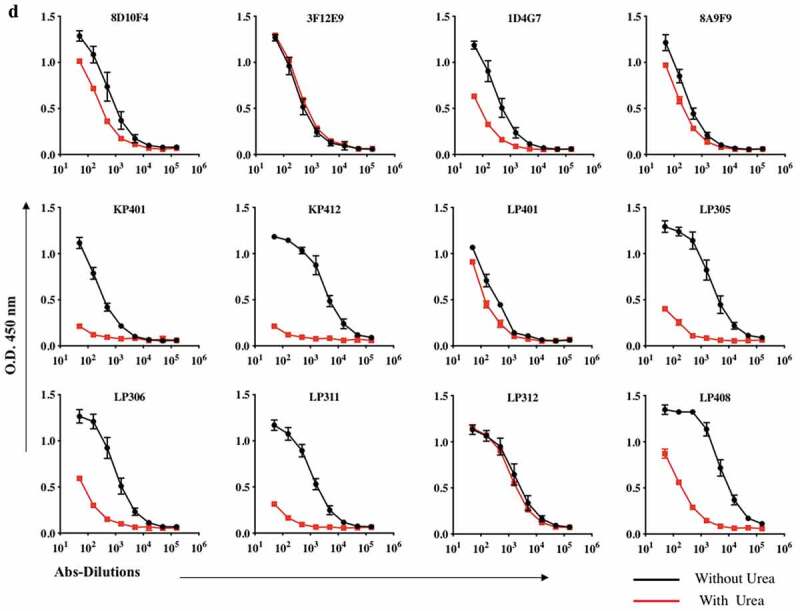
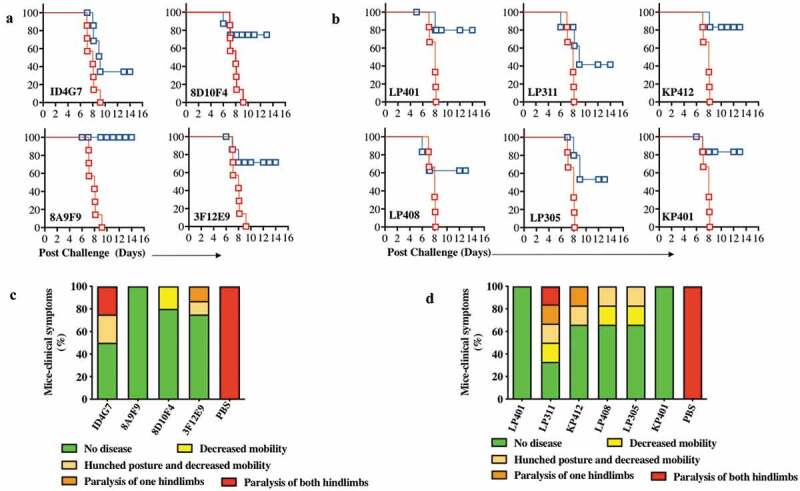
Significant concerns have arisen over the past 3 y from the increased global spread of the mosquito-borne flavivirus, Zika. Accompanying this spread has been an increase in cases of the devastating birth defect microcephaly as well as of Guillain-Barré syndrome in adults in many affected countries. Currently there is no vaccine or therapy for this infection; however, we sought to develop a combination approach that provides more rapid and durable protection than traditional vaccination alone. A novel immune-based prophylaxis/therapy strategy entailing the facilitated delivery of a synthetic DNA consensus prME vaccine along with DNA-encoded anti-ZIKV envelope monoclonal antibodies (dMAb) were developed and evaluated for antiviral efficacy. This immediate and persistent protection strategy confers the ability to overcome shortcomings inherent with conventional active vaccination or passive immunotherapy. A collection of novel dMAbs were developed which were potent against ZIKV and could be expressed in serum within 24-48 h of administration. The DNA vaccine, from a previous development, was potent after adaptive immunity was developed, protecting against infection, brain and testes pathology in relevant mouse challenge models and in an NHP challenge. Delivery of potent dMAbs protected mice from the same murine viral challenge within days of delivery. Combined injection of dMAb and the DNA vaccine afforded rapid and long-lived protection in this challenge model, providing an important demonstration of the advantage of this synergistic approach to pandemic outbreaks.
在过去三年里,蚊媒黄病毒寨卡病毒在全球范围内的传播日益增加,引发了人们的重大关注。随着这种传播,许多受影响国家出现了毁灭性的出生缺陷小头畸形病例以及成人吉兰 - 巴雷综合征病例的增加。目前,针对这种感染尚无疫苗或治疗方法;然而,我们试图开发一种联合方法,以提供比传统疫苗接种单独使用时更快速、持久的保护。我们开发并评估了一种基于免疫的新型预防/治疗策略,该策略涉及促进合成DNA共识prME疫苗与DNA编码的抗寨卡病毒包膜单克隆抗体(dMAb)的联合递送的抗病毒效果。这种即时和持久的保护策略赋予了克服传统主动疫苗接种或被动免疫疗法固有缺点的能力。我们开发了一系列新型dMAb,它们对寨卡病毒具有强效作用,并且在给药后24 - 48小时内可在血清中表达。先前开发的DNA疫苗在适应性免疫形成后具有强效作用,在相关的小鼠攻毒模型和非人灵长类动物攻毒实验中可预防感染、脑部和睾丸病变。强效dMAb的递送在给药后数天内保护小鼠免受相同的鼠类病毒攻击。在这个攻毒模型中,dMAb与DNA疫苗的联合注射提供了快速且持久的保护,这为这种协同方法在大流行疫情中的优势提供了重要证明。