Senise Simona, Carrera Virginia, Cuadri Antonio Abad, Navarro Francisco Javier, Partal Pedro
Centro de Tecnología Repsol Ctra. De Extremadura, A-5, km 18, 28935 Móstoles, Spain.
Centro de Investigación en Tecnología de Productos y Procesos Químicos (Pro2TecS), Departamento de Ingeniería Química, Escuela Técnica Superior de Ingeniería, Universidad de Huelva21071, Campus del Carmen, 21007 Huelva, Spain.
Polymers (Basel). 2019 Nov 30;11(12):1974. doi: 10.3390/polym11121974.
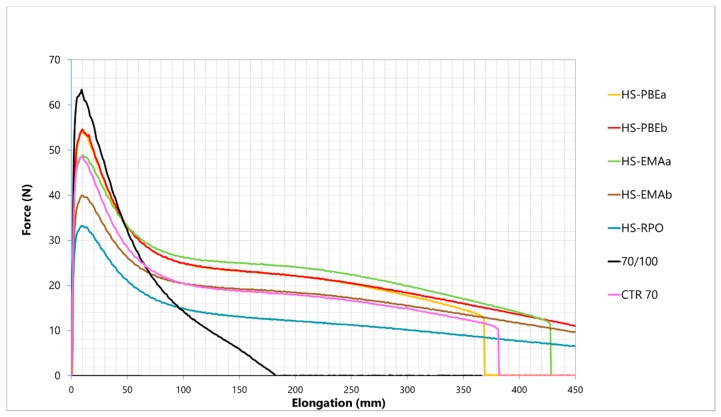
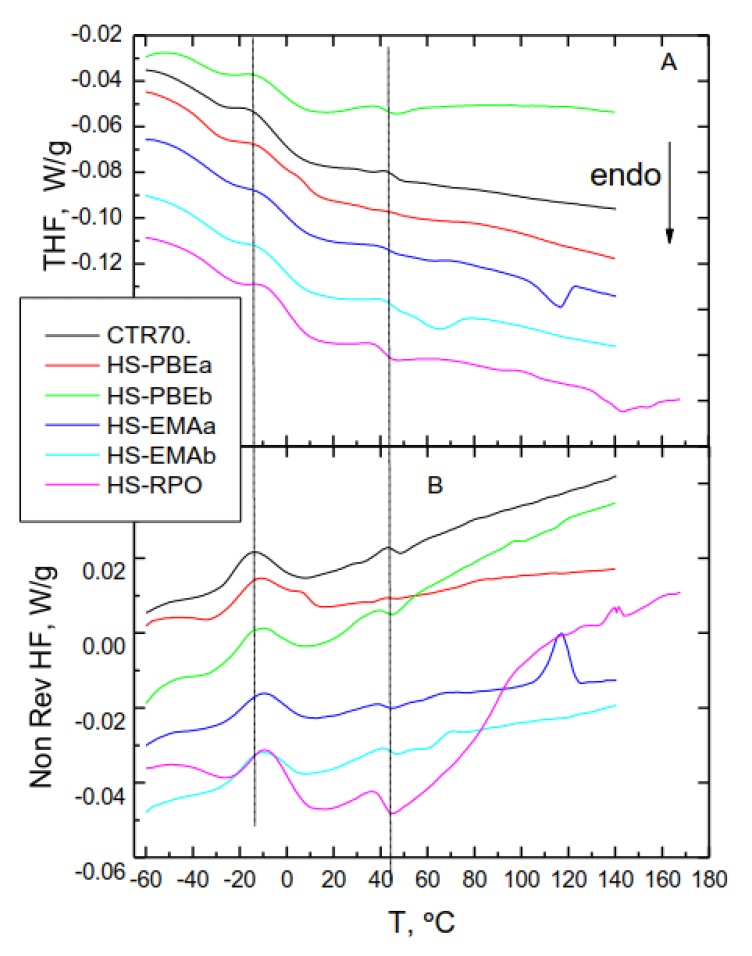
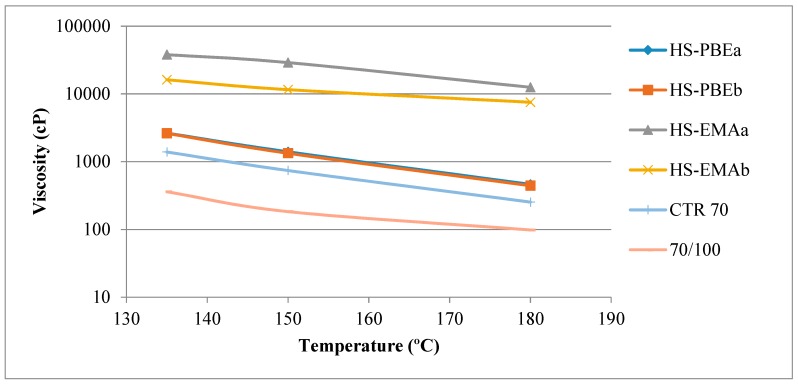
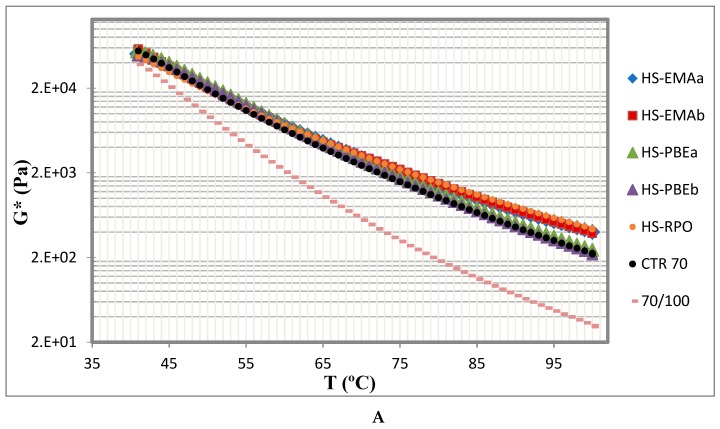
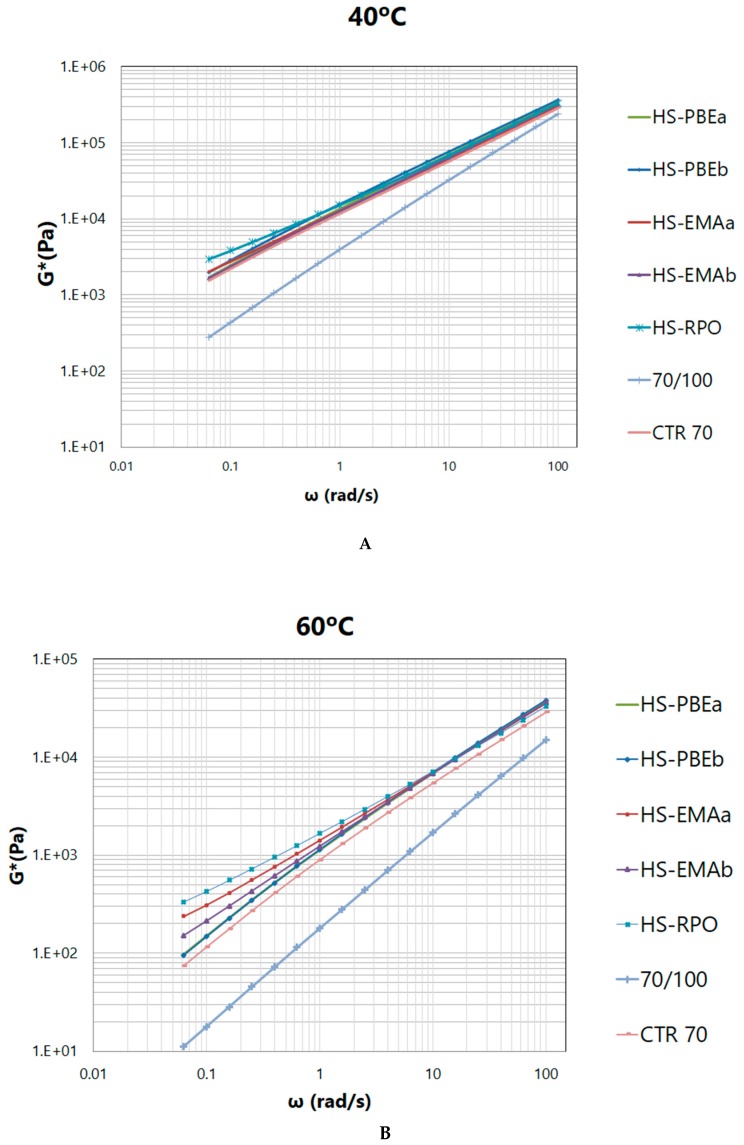
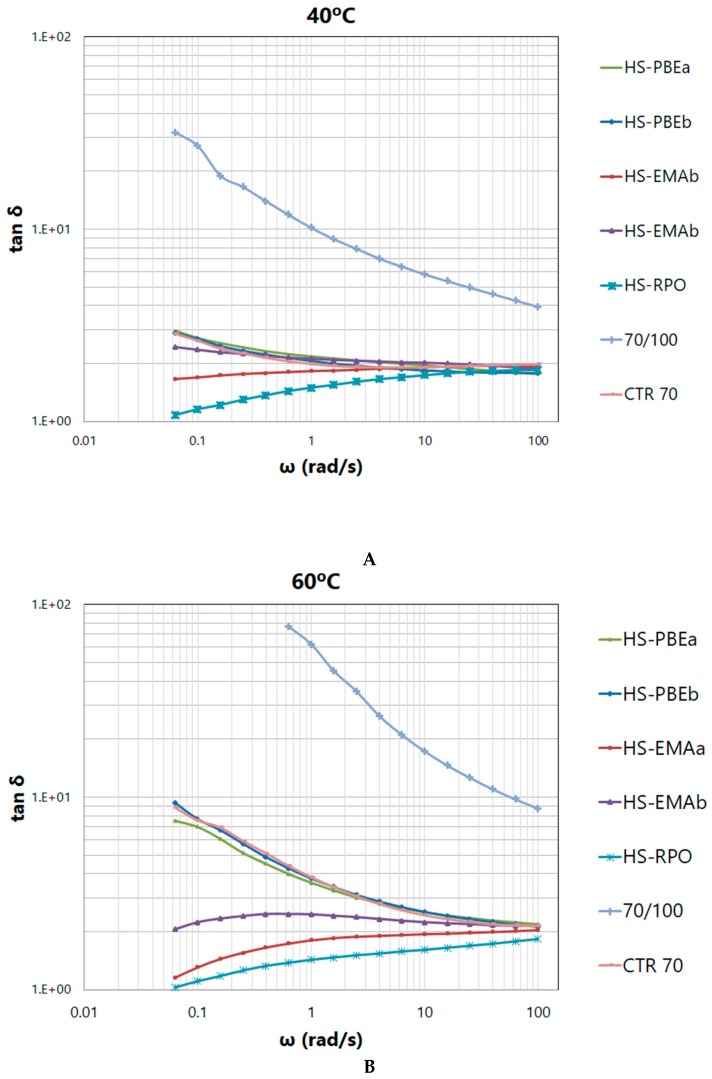
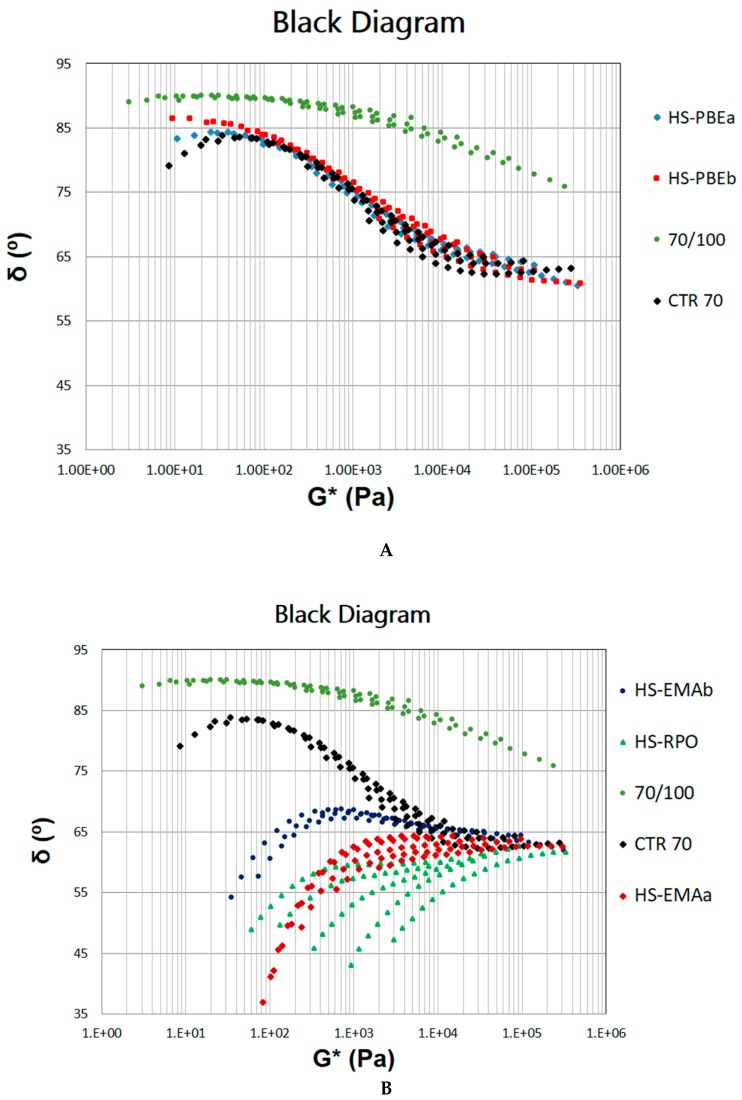
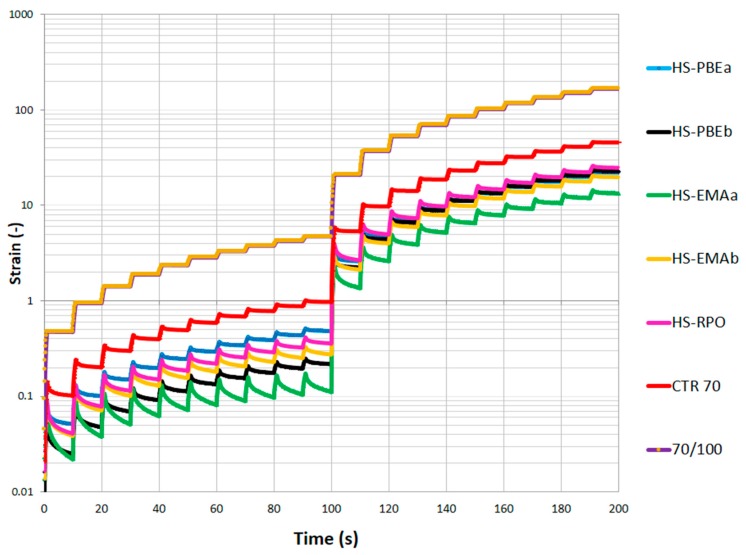
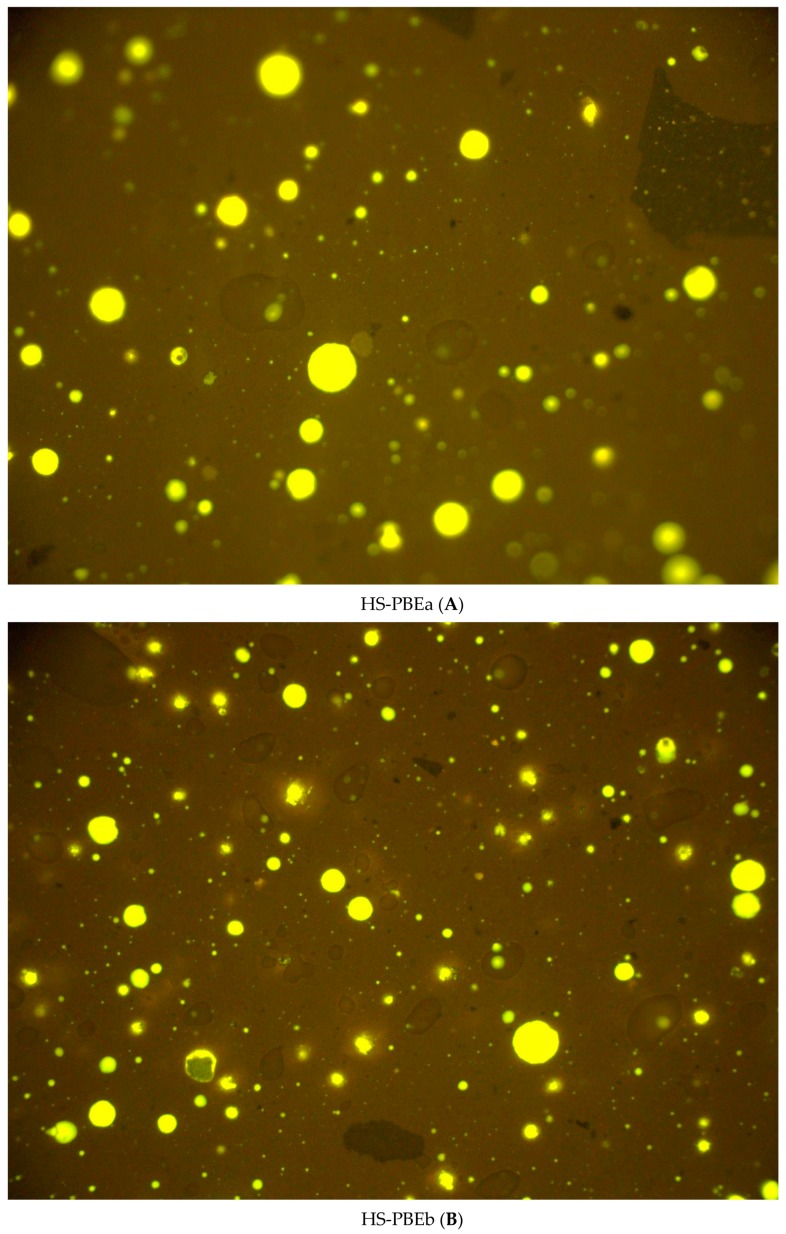
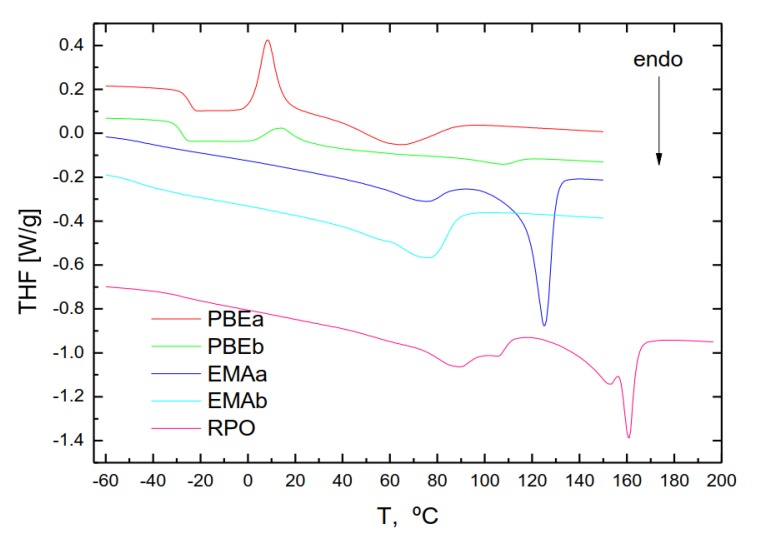
Hybrid modification is a relatively new concept of incorporating two or more polymeric modifiers of different nature to a bitumen, in order to take advantage of their complementary features. Aiming to this, in this paper, the so-called Hybrid Systems (HSs) were prepared by the addition of an ethylene-based copolymer (reactive or non-reactive) to a model rubberised binder (Crumb Tyre Rubber Modified Bitumen). The resulting binders (referred to as reactive and non-reactivate HSs, depending on copolymer used) were evaluated by means of thermorheological analysis, technological characterisation, fluorescence microscopy and modulated differential scanning calorimetry. From the experimental results, it may be deduced a positive synergistic effect of non-dissolved Crumb Tyre Rubber (CTR) particles and a second polymeric phase that not only improves the in-service performance but also the high-temperature storage stability. This enhancement is attributed to the development of a multiphasic system composed of non-dissolved CTR particles, a polymer-rich phase and an asphaltene-rich phase. In the case of non-reactive HSs, droplets of swollen ethylene copolymer form a well-defined dispersed phase. By contrast, reactive HSs display a different morphology, almost invisible by optical microscopy, related to the development of a chemical network that yields, by far, the highest degree of modification.
混合改性是一种相对较新的概念,即将两种或更多种不同性质的聚合物改性剂加入到沥青中,以利用它们的互补特性。为此,本文通过向一种典型的橡胶改性粘结剂(胶粉改性沥青)中添加一种乙烯基共聚物(反应性或非反应性)来制备所谓的混合体系(HSs)。通过热流变分析、工艺表征、荧光显微镜和调制差示扫描量热法对所得粘结剂(根据所用共聚物的不同,分别称为反应性和非反应性HSs)进行了评估。从实验结果可以推断,未溶解的胶粉颗粒与第二聚合物相具有积极的协同效应,这不仅改善了使用性能,还提高了高温储存稳定性。这种增强归因于由未溶解的胶粉颗粒、富含聚合物的相和富含沥青质的相组成的多相体系的形成。在非反应性HSs的情况下,溶胀的乙烯共聚物液滴形成一个清晰的分散相。相比之下,反应性HSs呈现出不同的形态,通过光学显微镜几乎不可见,这与化学网络的形成有关,该化学网络产生了迄今为止最高程度的改性。