School of Biomedical Sciences, Centre for Neuroendocrinology and Department of Physiology, University of Otago, Dunedin, 9054, New Zealand.
Nat Commun. 2019 Dec 13;10(1):5696. doi: 10.1038/s41467-019-13639-8.
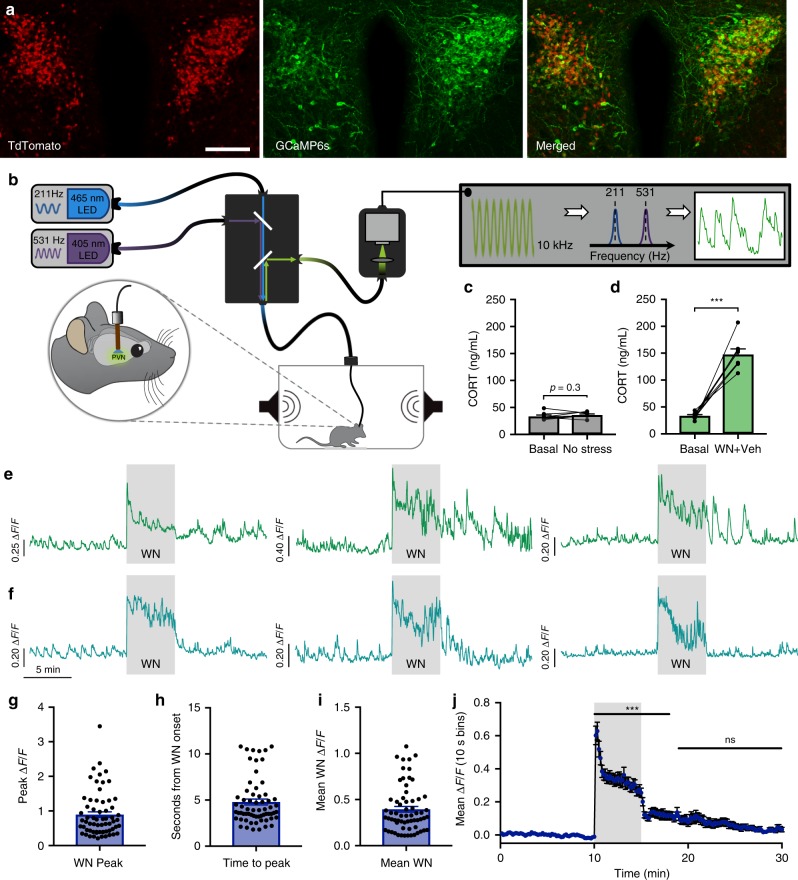
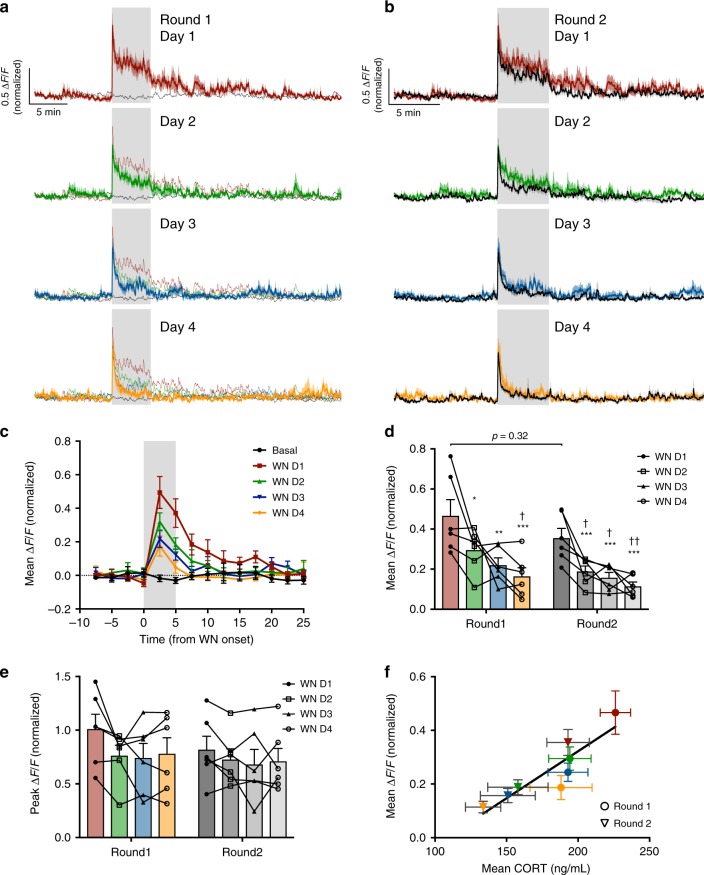
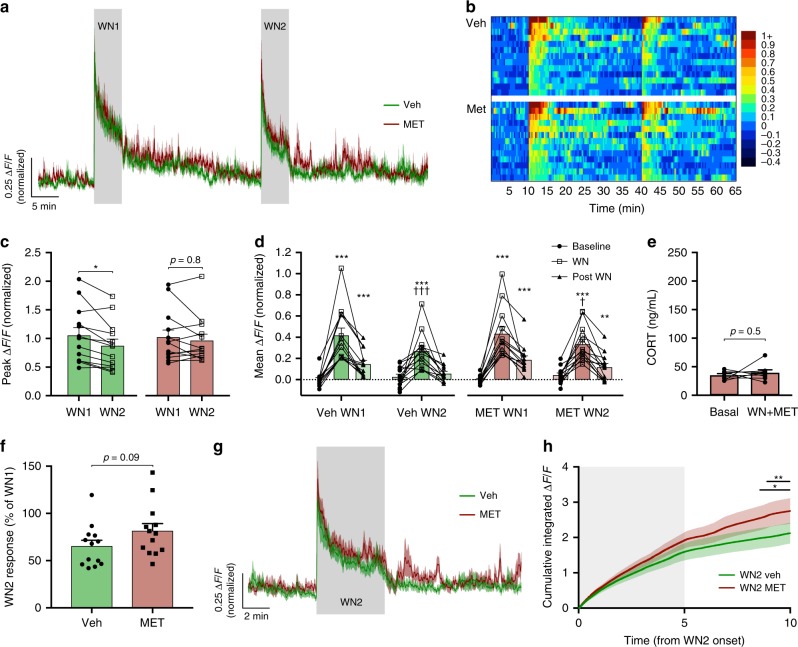
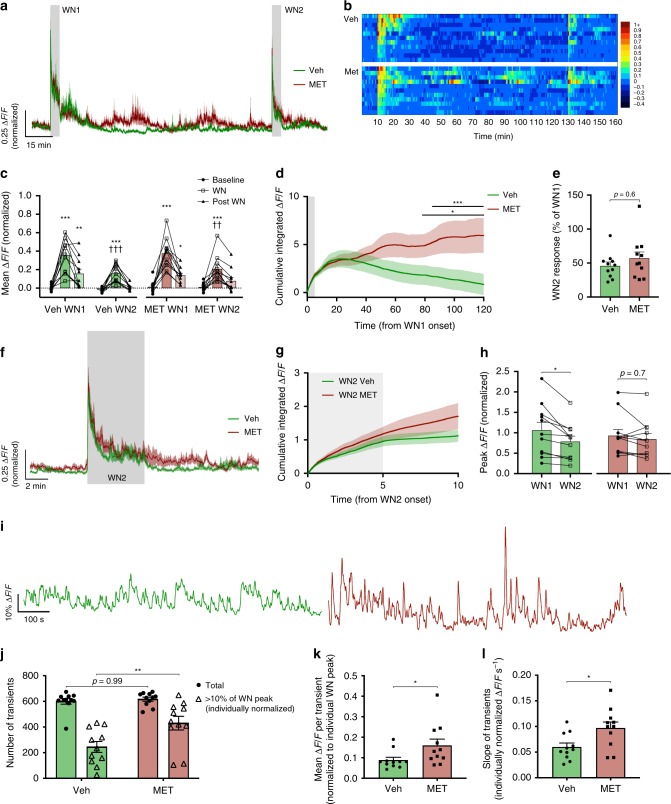
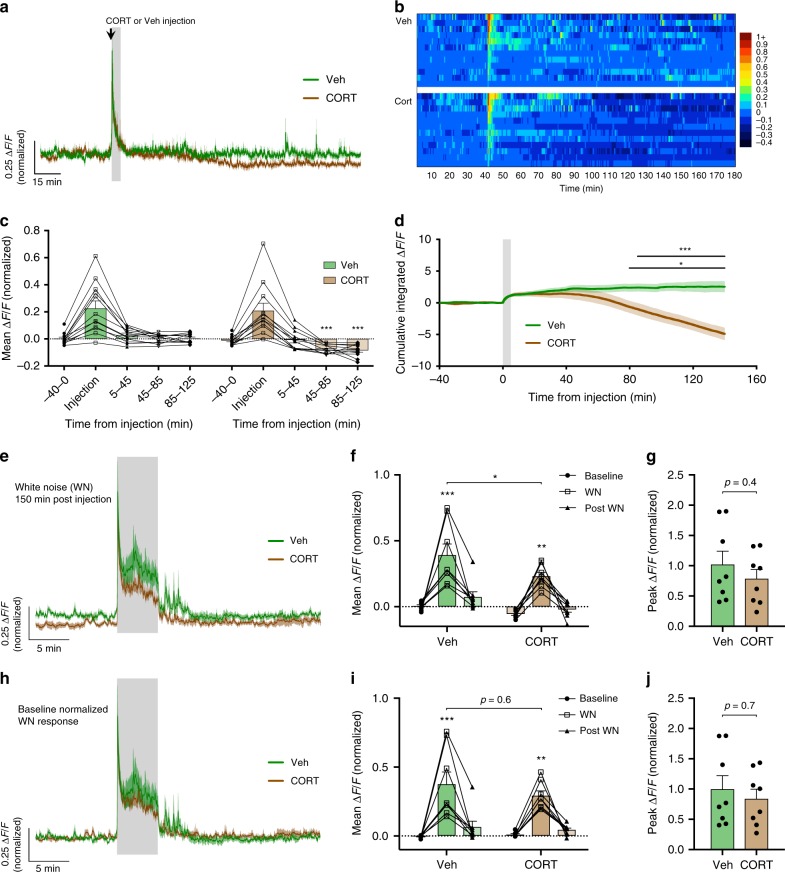
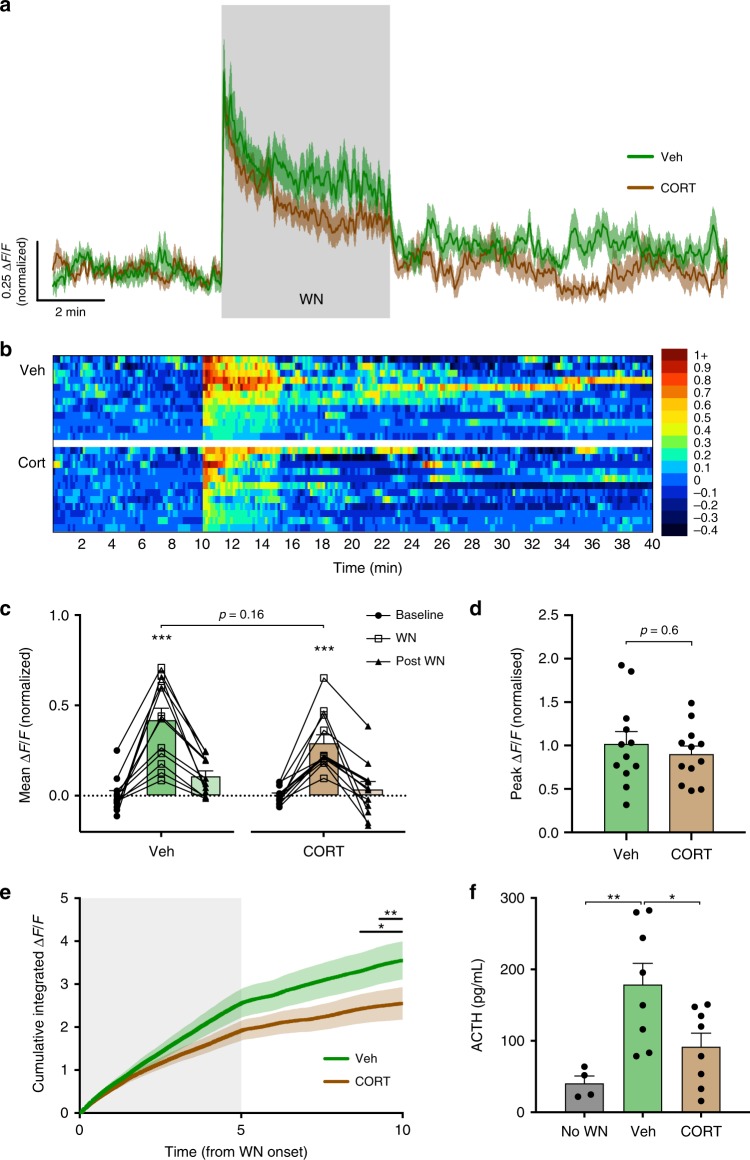
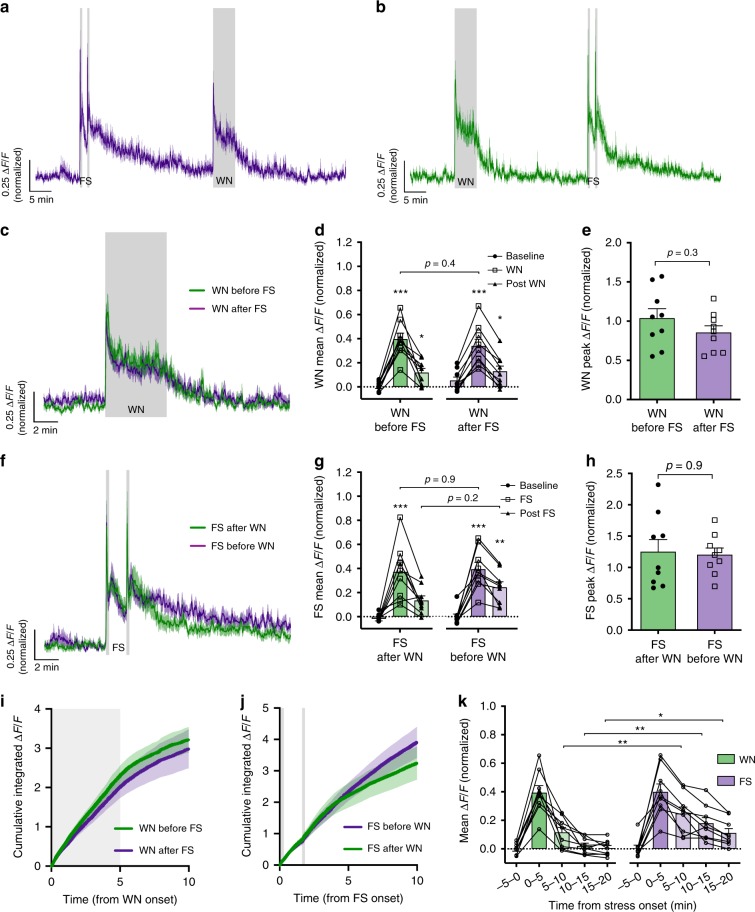
Stress leaves a lasting impression on an organism and reshapes future responses. However, the influence of past experience and stress hormones on the activity of neural stress circuits remains unclear. Hypothalamic corticotropin-releasing hormone (CRH) neurons orchestrate behavioral and endocrine responses to stress and are themselves highly sensitive to corticosteroid (CORT) stress hormones. Here, using in vivo optical recordings, we find that CRH neurons are rapidly activated in response to stress. CRH neuron activity robustly habituates to repeated presentations of the same, but not novel stressors. CORT feedback has little effect on CRH neuron responses to acute stress, or on habituation to repeated stressors. Rather, CORT preferentially inhibits tonic CRH neuron activity in the absence of stress stimuli. These findings reveal how stress experience and stress hormones modulate distinct components of CRH neuronal activity to mediate stress-induced adaptations.
压力会给生物体留下持久的印象,并重塑其未来的反应。然而,过去的经验和应激激素对神经应激回路活性的影响尚不清楚。下丘脑促肾上腺皮质激素释放激素(CRH)神经元协调着机体对压力的行为和内分泌反应,而它们本身对皮质类固醇(CORT)应激激素高度敏感。在这里,我们使用体内光学记录发现,CRH 神经元会对压力迅速做出反应。CRH 神经元活性对相同但非新颖应激源的重复呈现表现出强烈的习惯化。CORT 反馈对 CRH 神经元对急性应激的反应或对重复应激源的习惯化几乎没有影响。相反,CORT 在没有应激刺激的情况下优先抑制紧张型 CRH 神经元的活性。这些发现揭示了应激体验和应激激素如何调节 CRH 神经元活性的不同成分,以介导应激诱导的适应性。