Zhong Xiaodan, Zhang Yutong, Wang Linyu, Zhang Hao, Liu Haiming, Liu Yuanning
College of Computer Science and Technology, Jilin University, Changchun, Jilin, China.
Department of Pediatric Oncology, The First Hospital of Jilin University, Changchun, Jilin, China.
PeerJ. 2019 Dec 10;7:e8017. doi: 10.7717/peerj.8017. eCollection 2019.
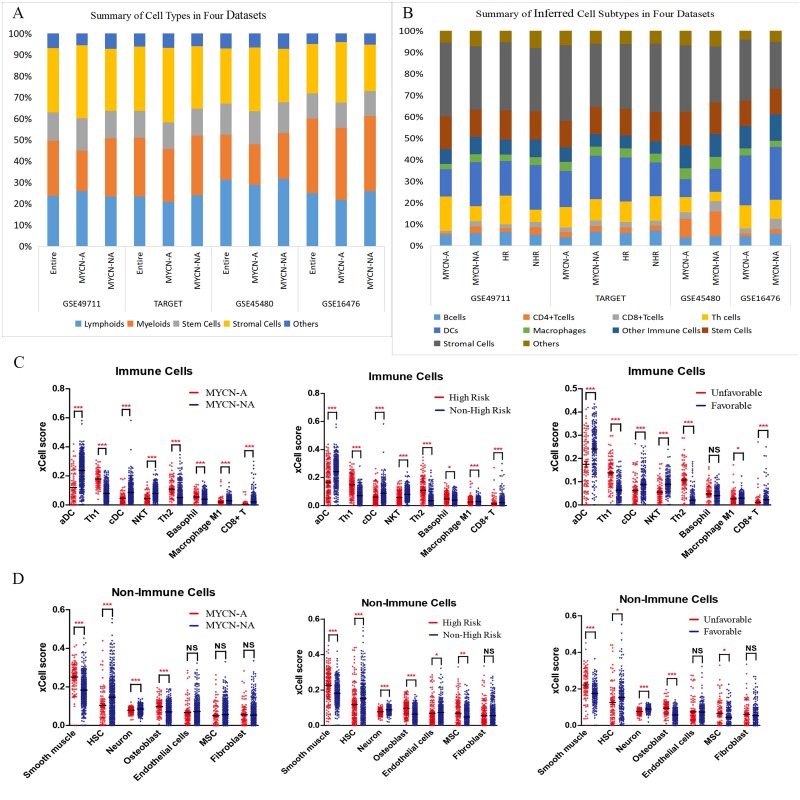
Tumor microenvironment (TME) contributes to tumor development, progression, and treatment response. In this study, we detailed the cell composition of the TME in neuroblastoma (NB) and constructed a cell risk score model to predict the prognosis of NB.
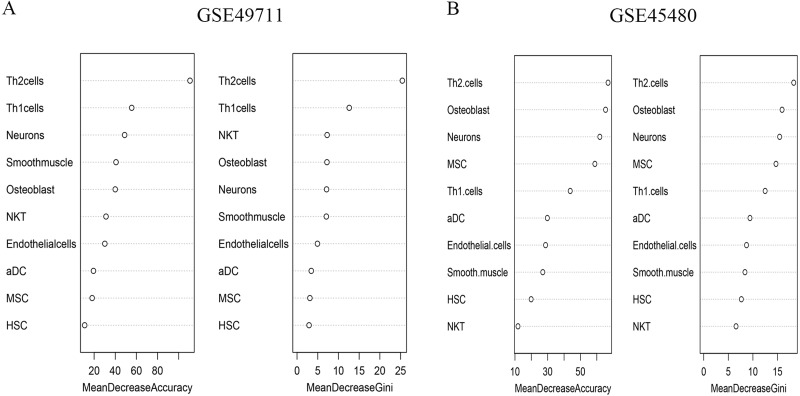
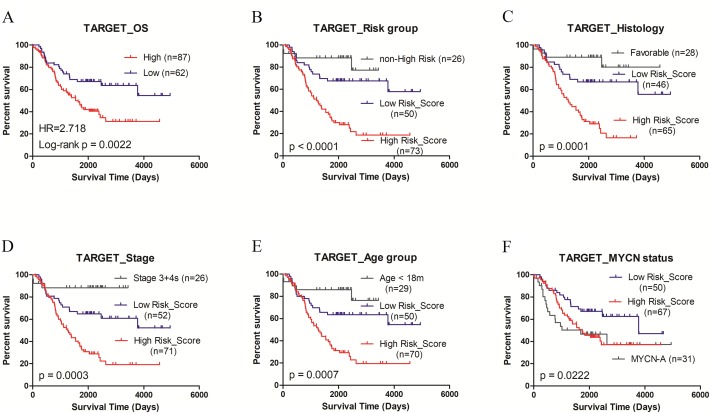
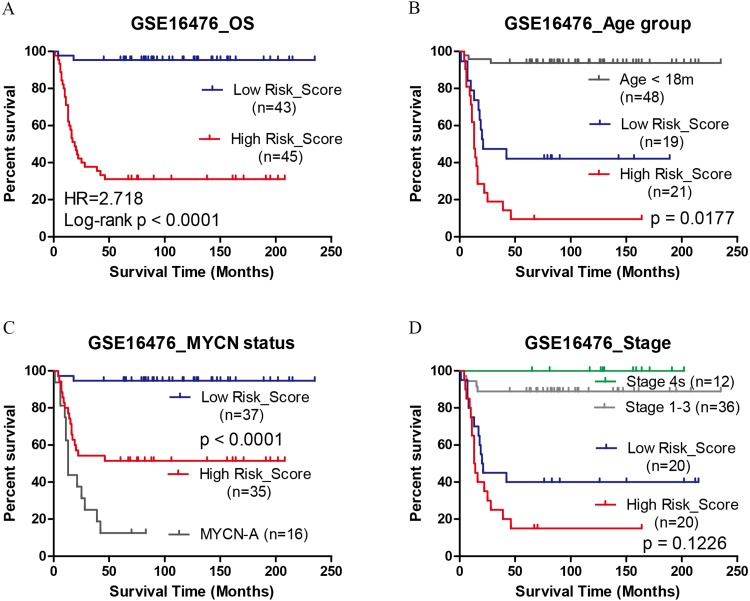
xCell score was calculated through transcriptomic data from the datasets GSE49711 and GSE45480 based on the xCell algorithm. The random forest method was employed to select important features and the coefficient was obtained via multivariate cox regression analysis to construct a prognostic model, and the performance was validated in another two independent datasets, GSE16476 and TARGET-NBL.
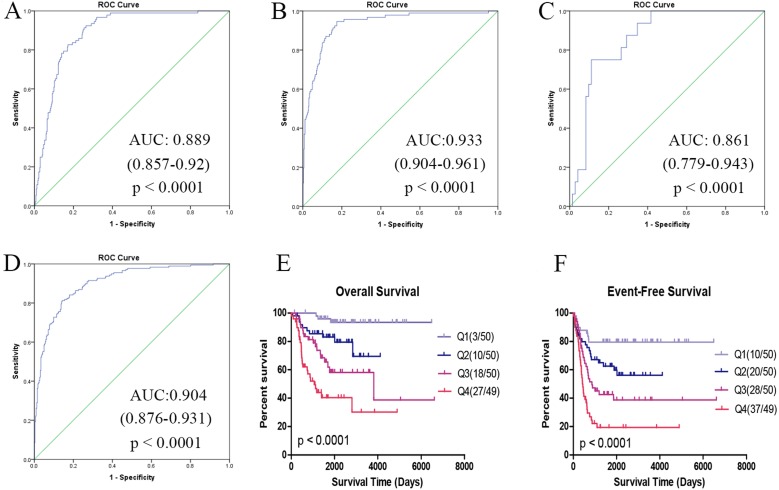
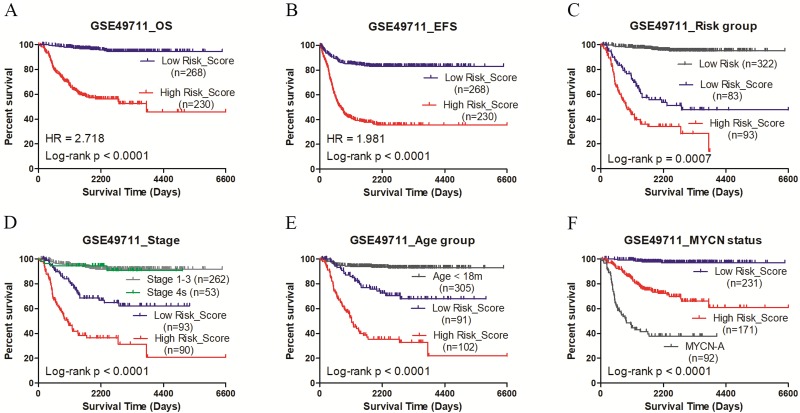
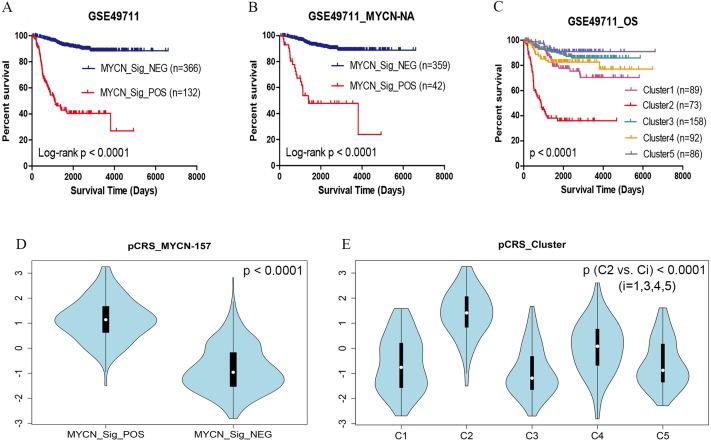
We found that both immune and non-immune cells varies significantly in different prognostic groups, and were correlated with survival time. The proposed prognostic cell risk score (pCRS) model we constructed can be an independent prognostic indicator for overall survival (OS) and event-free survival (EFS) (training: OS, HR 1.579, EFS, HR 1.563; validation: OS, HR 1.665, 3.848, EFS, HR 2.203, all -values < 0.01) and only independent prognostic factor in high risk patients (HR 1.339, 3.631; -value 1.76e-2, 3.71e-5), rather than MYCN amplification. Besides, pCRS model showed good performance in grouping, in discriminating MYCN status, the area under the curve (AUC) was 0.889, 0.933, and 0.861 in GSE49711, GSE45480, and GSE16476, respectively. In separating high risk groups, the AUC was 0.904 in GSE49711.
This study details the cellular components in the TME of NB through gene expression data, the proposed pCRS model might provide a basis for treatment selection of high risk patients or targeting cellular components of TME in NB.
肿瘤微环境(TME)有助于肿瘤的发生、发展及治疗反应。在本研究中,我们详细分析了神经母细胞瘤(NB)中TME的细胞组成,并构建了一个细胞风险评分模型来预测NB的预后。
基于xCell算法,通过数据集GSE49711和GSE45480的转录组数据计算xCell评分。采用随机森林方法选择重要特征,并通过多变量cox回归分析获得系数以构建预后模型,其性能在另外两个独立数据集GSE16476和TARGET-NBL中进行验证。
我们发现免疫细胞和非免疫细胞在不同预后组中均有显著差异,且与生存时间相关。我们构建的预后细胞风险评分(pCRS)模型可作为总生存期(OS)和无事件生存期(EFS)的独立预后指标(训练集:OS,HR 1.579,EFS,HR 1.563;验证集:OS,HR 1.665,3.848,EFS,HR 2.203,所有p值<0.01),并且是高危患者中唯一的独立预后因素(HR 1.339,3.631;p值1.76e - 2,3.71e - 5),而非MYCN扩增。此外,pCRS模型在分组、区分MYCN状态方面表现良好,在GSE49711、GSE45480和GSE16476中曲线下面积(AUC)分别为0.889、0.933和0.861。在区分高危组时,GSE49711中的AUC为0.904。
本研究通过基因表达数据详细分析了NB的TME中的细胞成分,所提出的pCRS模型可能为高危患者的治疗选择或针对NB中TME的细胞成分提供依据。