Garvan Institute of Medical Research and The Kinghorn Cancer Centre, Victoria Street Darlinghurst Sydney, NSW, Australia.
St Vincent's Clinical School, Faculty of Medicine, UNSW Sydney, Australia.
PLoS Genet. 2020 Jan 2;16(1):e1008531. doi: 10.1371/journal.pgen.1008531. eCollection 2020 Jan.
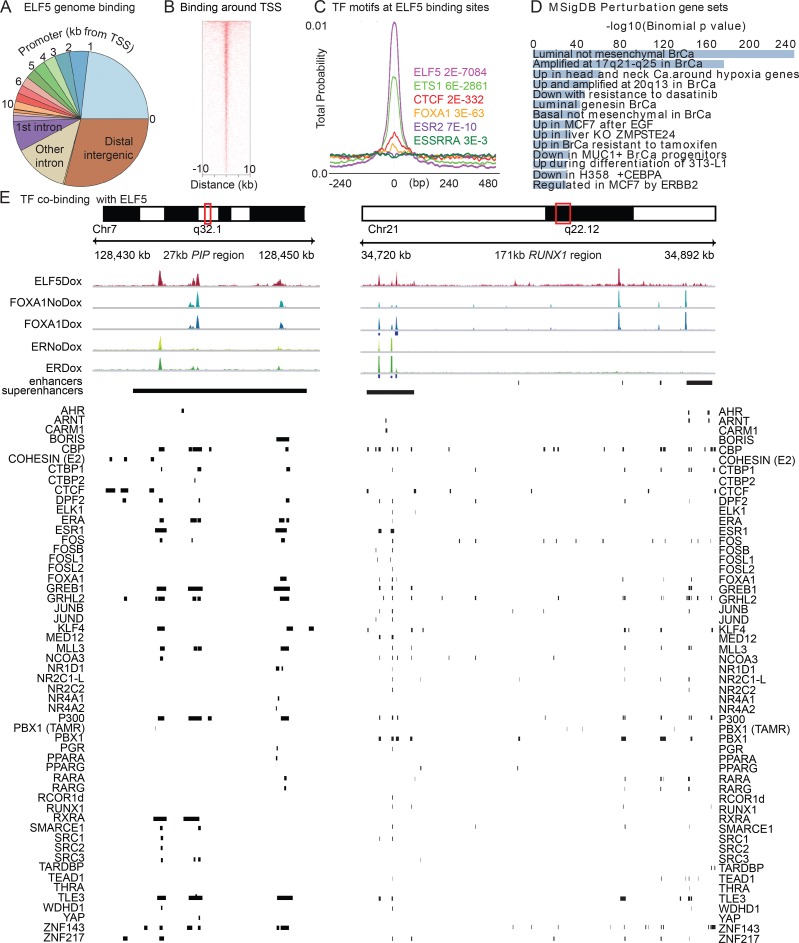
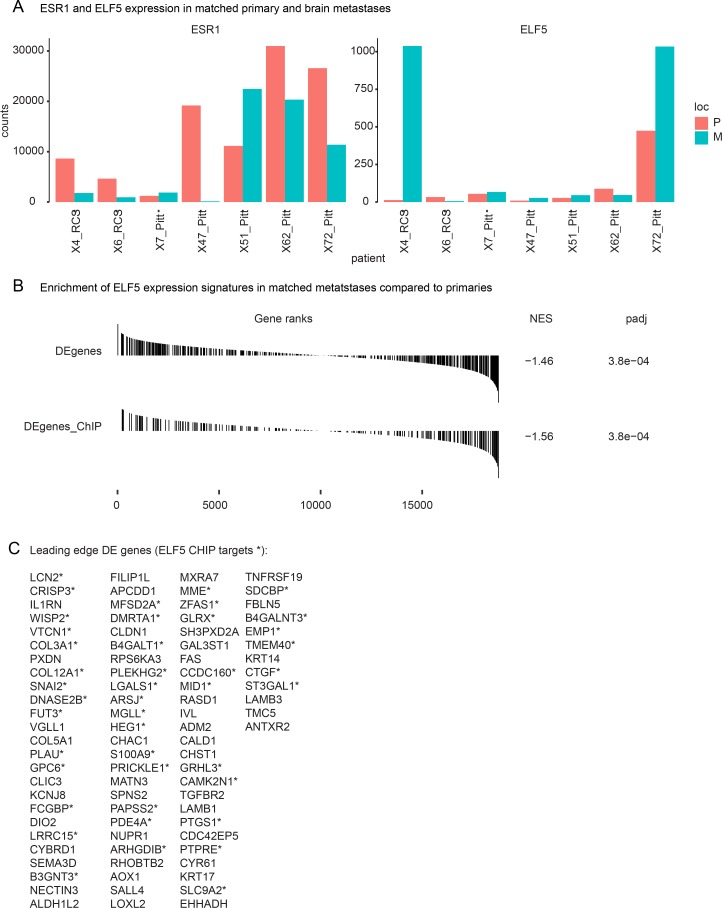
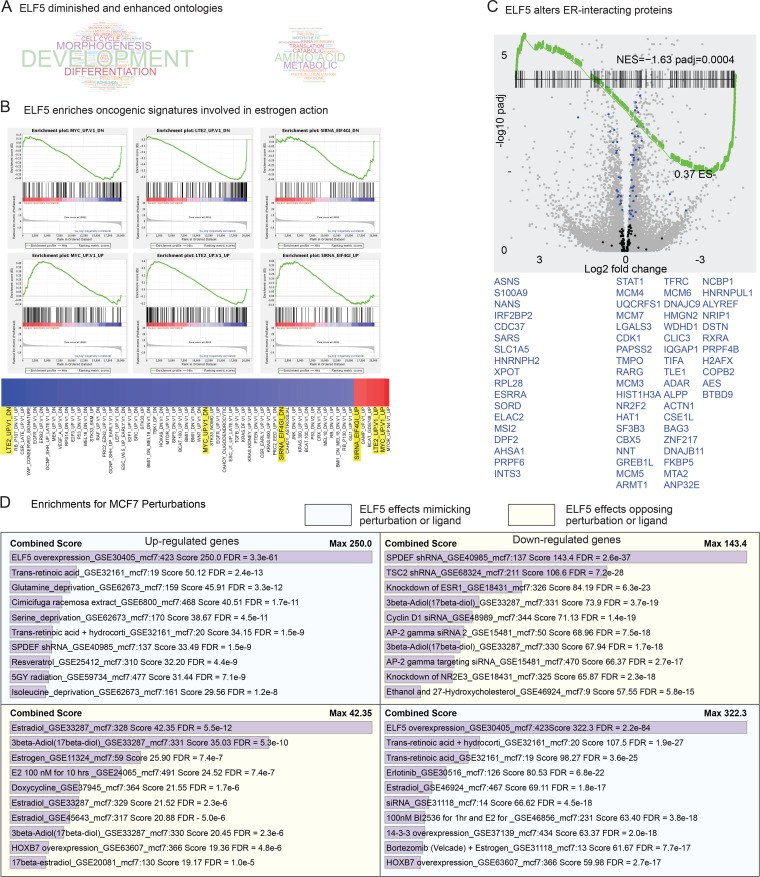
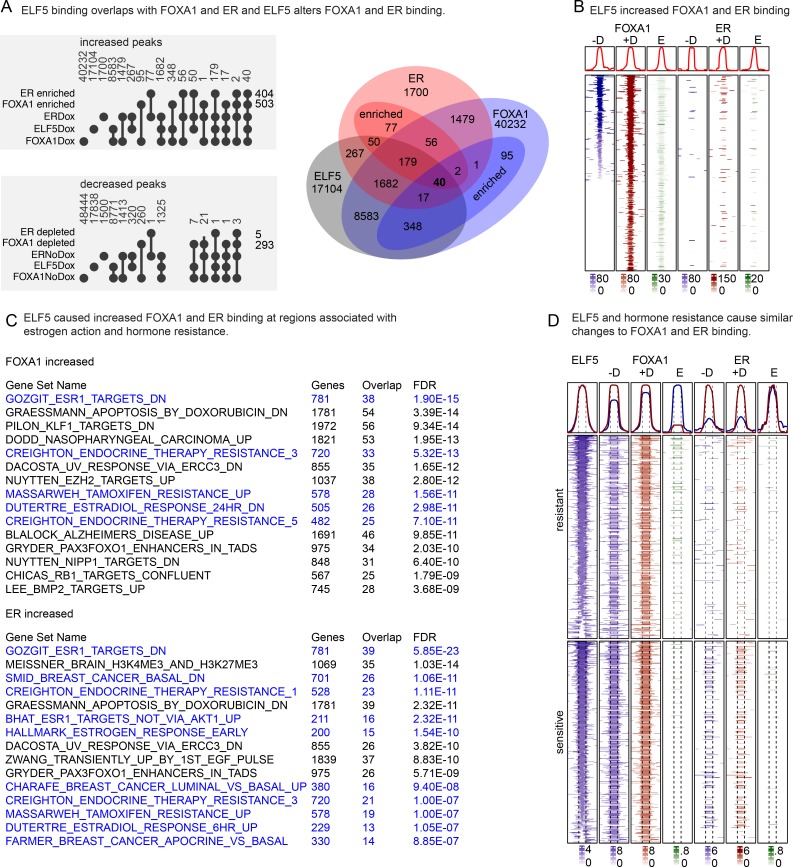
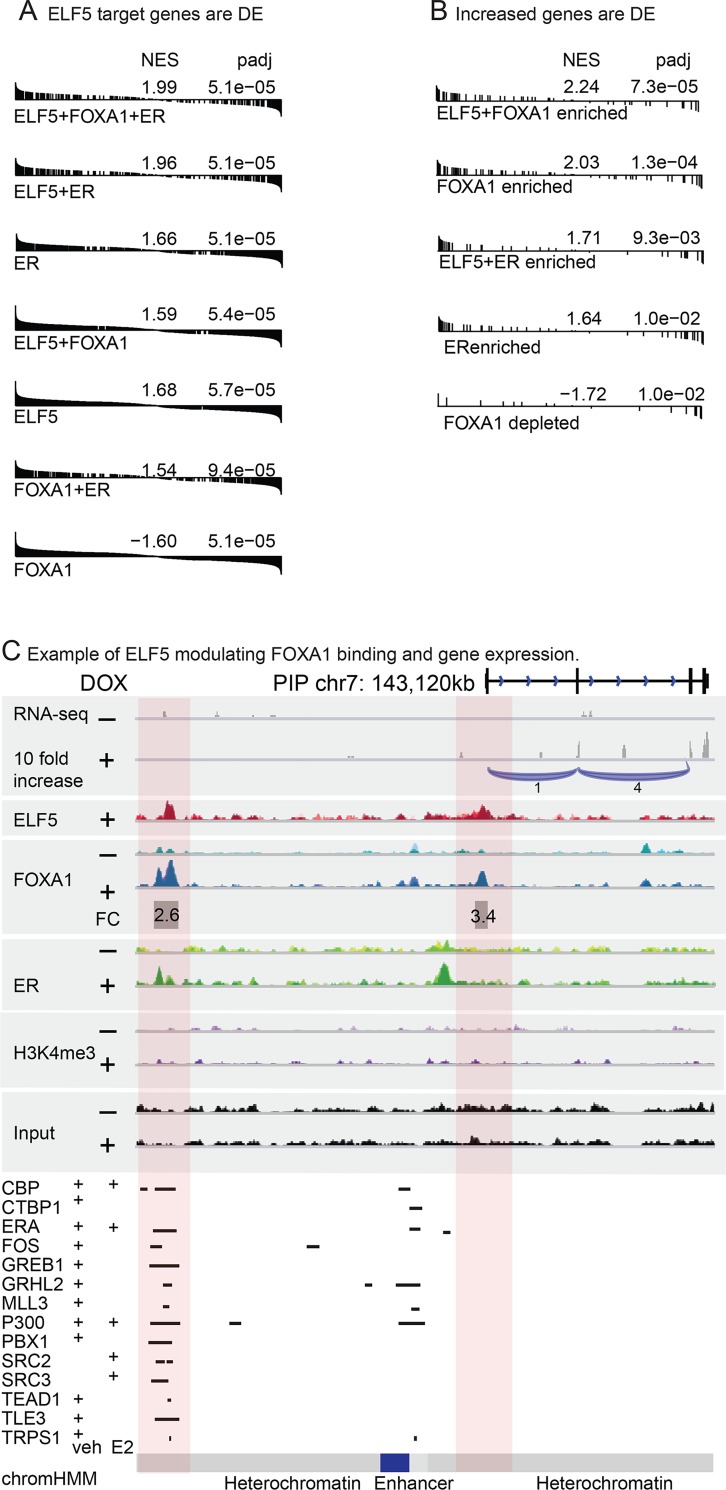
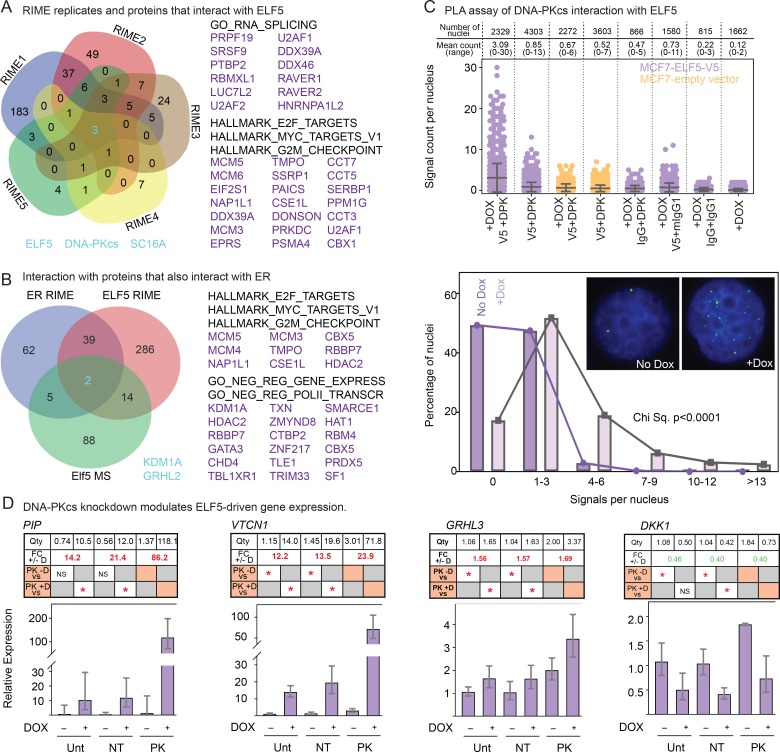
Acquired resistance to endocrine therapy is responsible for half of the therapeutic failures in the treatment of breast cancer. Recent findings have implicated increased expression of the ETS transcription factor ELF5 as a potential modulator of estrogen action and driver of endocrine resistance, and here we provide the first insight into the mechanisms by which ELF5 modulates estrogen sensitivity. Using chromatin immunoprecipitation sequencing we found that ELF5 binding overlapped with FOXA1 and ER at super enhancers, enhancers and promoters, and when elevated, caused FOXA1 and ER to bind to new regions of the genome, in a pattern that replicated the alterations to the ER/FOXA1 cistrome caused by the acquisition of resistance to endocrine therapy. RNA sequencing demonstrated that these changes altered estrogen-driven patterns of gene expression, the expression of ER transcription-complex members, and 6 genes known to be involved in driving the acquisition of endocrine resistance. Using rapid immunoprecipitation mass spectrometry of endogenous proteins, and proximity ligation assays, we found that ELF5 interacted physically with members of the ER transcription complex, such as DNA-PKcs. We found 2 cases of endocrine-resistant brain metastases where ELF5 levels were greatly increased and ELF5 patterns of gene expression were enriched, compared to the matched primary tumour. Thus ELF5 alters ER-driven gene expression by modulating the ER/FOXA1 cistrome, by interacting with it, and by modulating the expression of members of the ER transcriptional complex, providing multiple mechanisms by which ELF5 can drive endocrine resistance.
获得性内分泌治疗耐药是导致乳腺癌治疗失败的一半原因。最近的研究结果表明,ETS 转录因子 ELF5 的表达增加是雌激素作用的潜在调节剂和内分泌耐药的驱动因素,而这里我们首次深入了解了 ELF5 调节雌激素敏感性的机制。通过染色质免疫沉淀测序,我们发现 ELF5 结合与 FOXA1 和 ER 在超级增强子、增强子和启动子上重叠,当升高时,导致 FOXA1 和 ER 结合到基因组的新区域,这种模式复制了获得内分泌治疗耐药后 ER/FOXA1 顺式作用元件的改变。RNA 测序表明,这些变化改变了雌激素驱动的基因表达模式、ER 转录复合物成员的表达以及已知参与驱动内分泌耐药获得的 6 个基因的表达。通过快速免疫沉淀质谱法检测内源性蛋白和邻近连接测定,我们发现 ELF5 与 ER 转录复合物的成员(如 DNA-PKcs)在物理上相互作用。我们发现 2 例内分泌耐药性脑转移病例,与匹配的原发性肿瘤相比,ELF5 水平大大增加,ELF5 的基因表达模式富集。因此,ELF5 通过调节 ER/FOXA1 顺式作用元件、与 ER/FOXA1 顺式作用元件相互作用以及调节 ER 转录复合物成员的表达来改变 ER 驱动的基因表达,提供了 ELF5 驱动内分泌耐药的多种机制。