Department of Ophthalmology, the First Affiliated Hospital of Guangxi Medical University, Nanning, 530021, Guangxi Zhuang Autonomous Region, China.
J Mol Neurosci. 2020 Apr;70(4):618-630. doi: 10.1007/s12031-019-01468-9. Epub 2020 Jan 2.
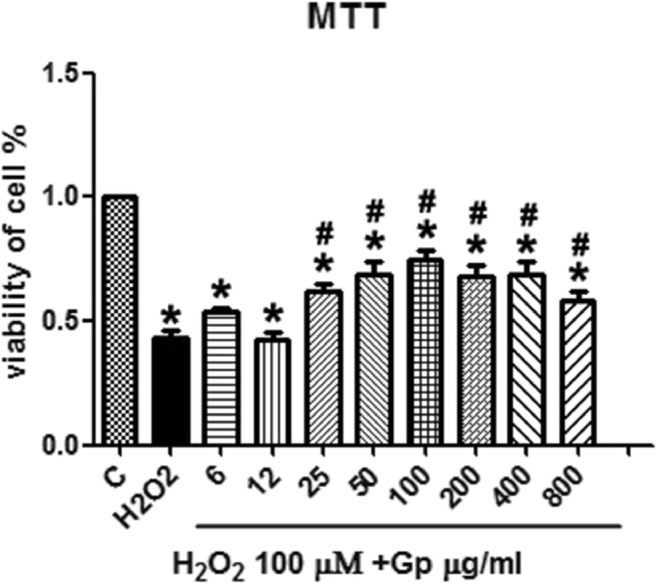
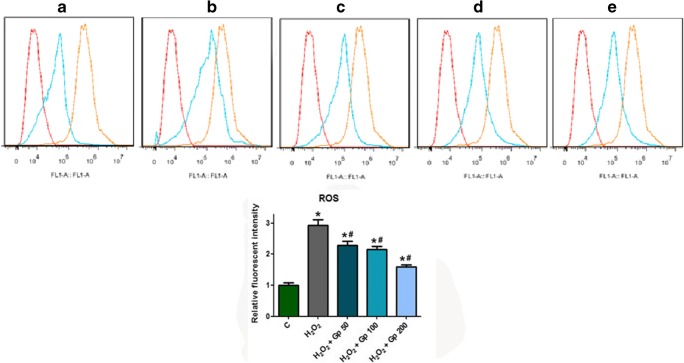
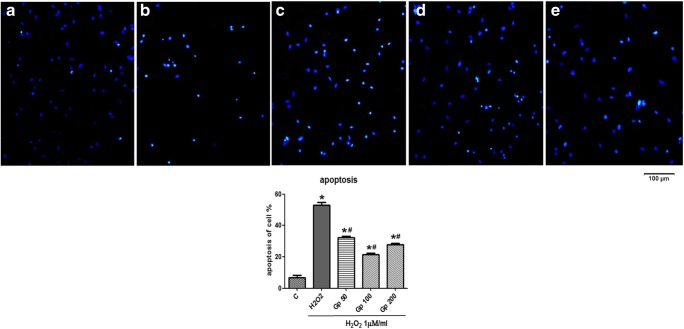
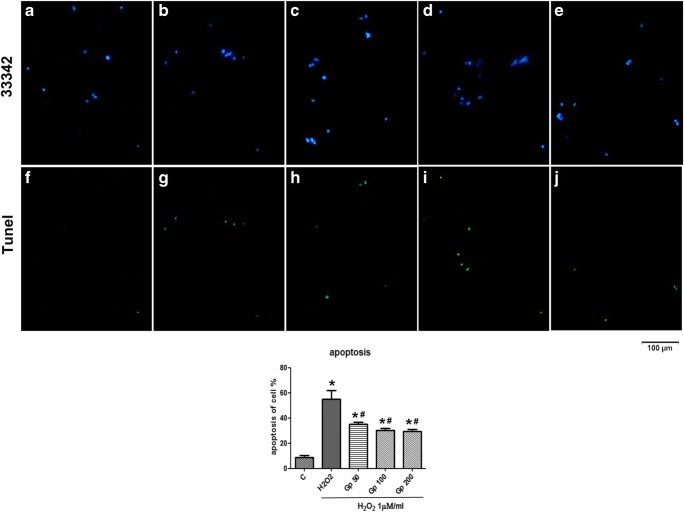
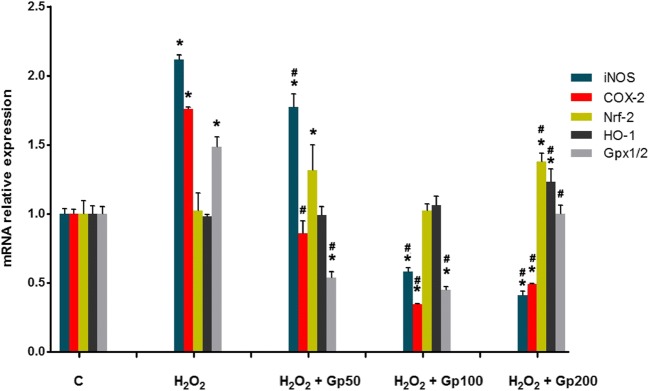
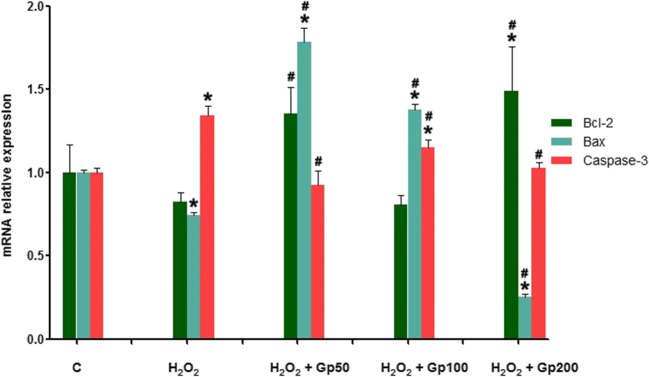
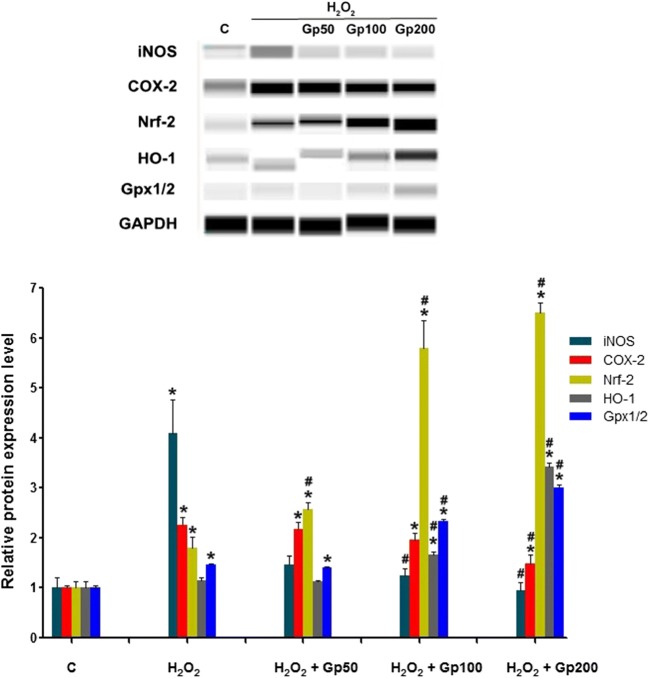
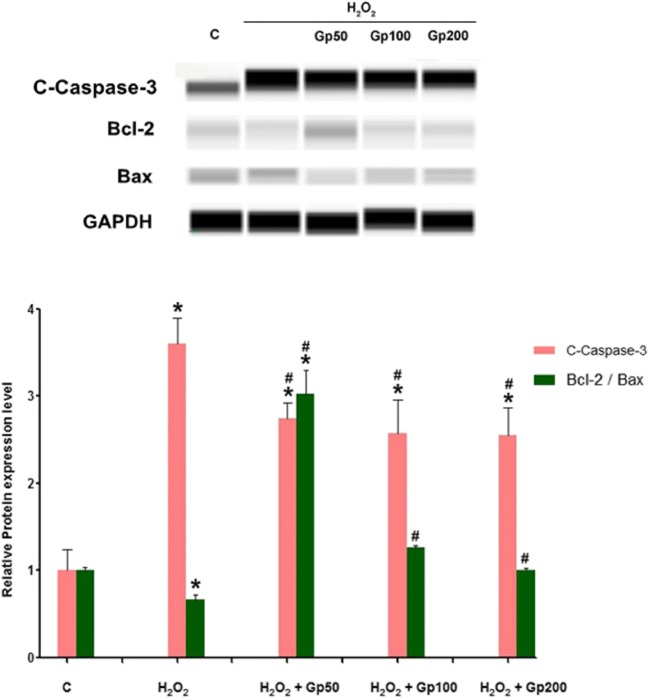
Our previous study demonstrated that gypenosides (Gp) exert protective effects on retinal nerve fibers and axons in a mouse model of experimental autoimmune optic neuritis. However, the therapeutic mechanisms remain unclear. Thus, in this study, a model of oxidative damage in retinal ganglion cells (RGCs) was established to investigate the protective effect of Gp, and its possible influence on oxidative stress in RGCs. Treatment of cells with HO induced RGC injury owing to the generation of intracellular reactive oxygen species (ROS). In addition, the activities of antioxidative enzymes decreased and the expression of inflammatory factors increased, resulting in an increase in cellular apoptosis. Gp helped RGCs to become resistant to oxidation damage by directly reducing the amount of ROS in cells and exerting protective effects against HO-induced apoptosis. Treatment with Gp also reduced the generation of inducible nitric oxide synthase (iNOS) and cyclooxygenase-2 (COX-2), and increased nuclear respiratory factor 2 (Nrf-2) levels so as to increase the levels of heme oxygenase-1 (HO-1) and glutathione peroxidase 1/2 (Gpx1/2), which can enhance antioxidation in RGCs. In conclusion, our data indicate that neuroprotection by Gp involves its antioxidation and anti-inflammation effects. Gp prevents apoptosis through a mitochondrial apoptotic pathway. This finding might provide novel insights into understanding the mechanism of the neuroprotective effects of gypenosides in the treatment of optic neuritis.
我们之前的研究表明,绞股蓝总苷(Gp)对实验性自身免疫性视神经炎小鼠模型中的视网膜神经纤维和轴突具有保护作用。然而,其治疗机制尚不清楚。因此,本研究建立了视网膜神经节细胞(RGC)氧化损伤模型,以研究 Gp 的保护作用及其对 RGC 氧化应激的可能影响。HO 处理细胞会导致细胞内活性氧(ROS)的产生,从而引起 RGC 损伤。此外,抗氧化酶的活性降低,炎症因子的表达增加,导致细胞凋亡增加。Gp 通过直接减少细胞内 ROS 的量并发挥对 HO 诱导的细胞凋亡的保护作用,帮助 RGC 抵抗氧化损伤。Gp 处理还减少诱导型一氧化氮合酶(iNOS)和环氧化酶-2(COX-2)的产生,并增加核呼吸因子 2(Nrf-2)的水平,从而增加血红素加氧酶-1(HO-1)和谷胱甘肽过氧化物酶 1/2(Gpx1/2)的水平,增强 RGC 中的抗氧化作用。总之,我们的数据表明,Gp 的神经保护作用涉及其抗氧化和抗炎作用。Gp 通过线粒体凋亡途径防止细胞凋亡。这一发现可能为理解绞股蓝总苷在治疗视神经炎中的神经保护作用机制提供新的见解。