Department of Tropical Medicine, College of Military Preventive Medicine, Army Medical University, Chongqing, China.
Department of Neurology, Xinqiao Hospital, Army Medical University, Chongqing, China.
Front Immunol. 2019 Dec 11;10:2862. doi: 10.3389/fimmu.2019.02862. eCollection 2019.
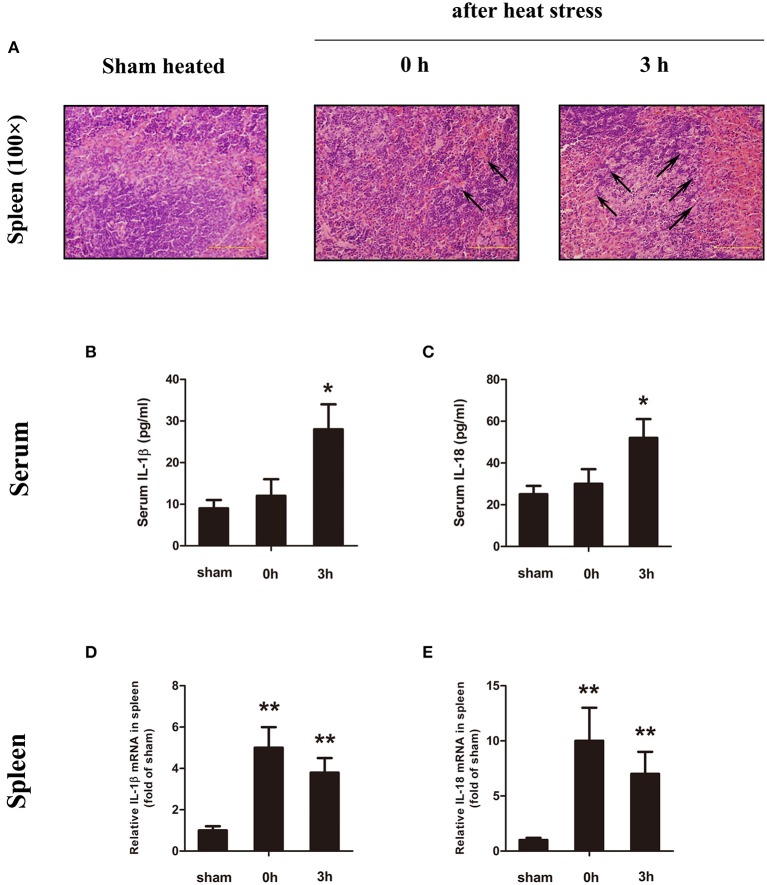
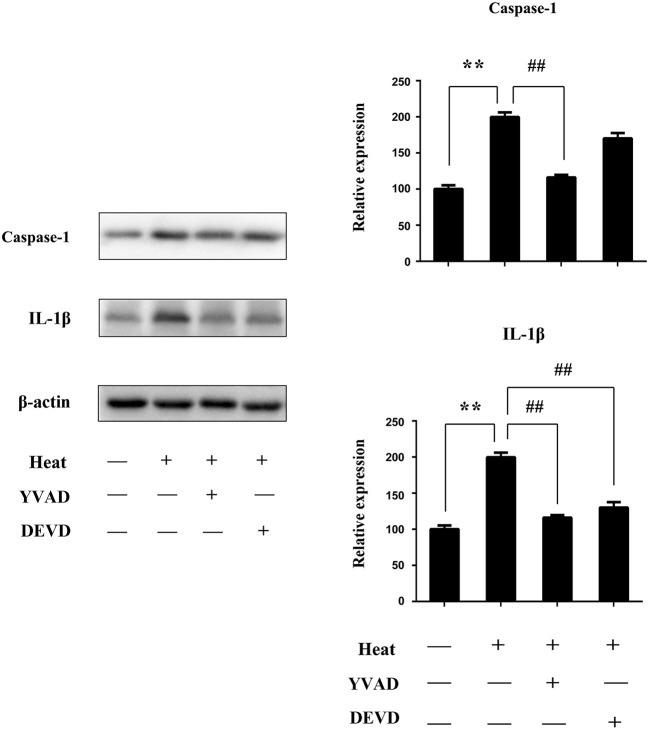
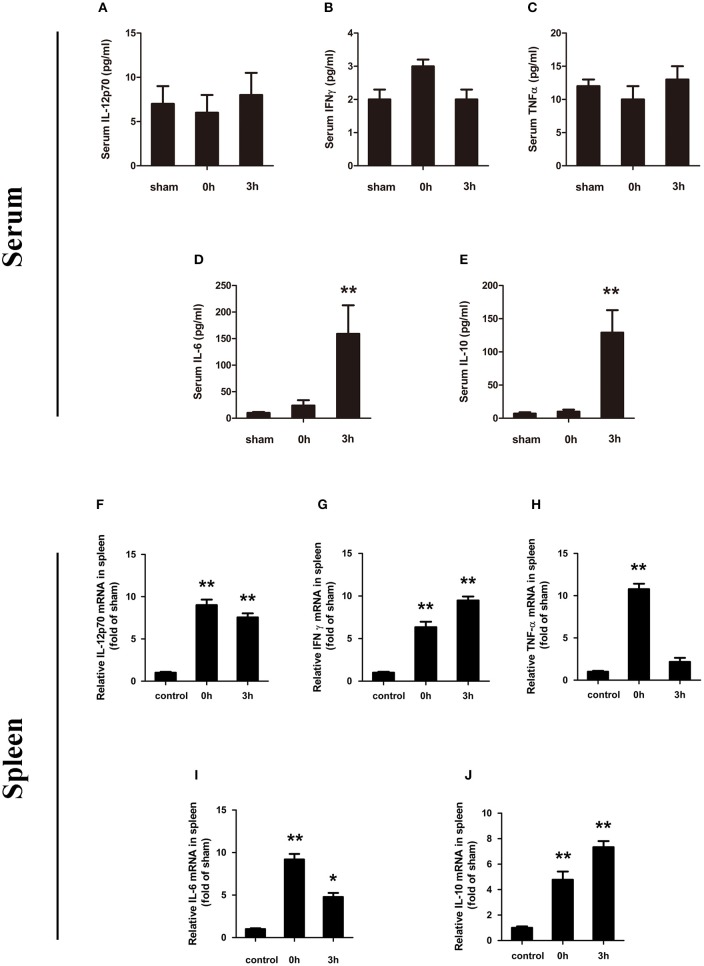
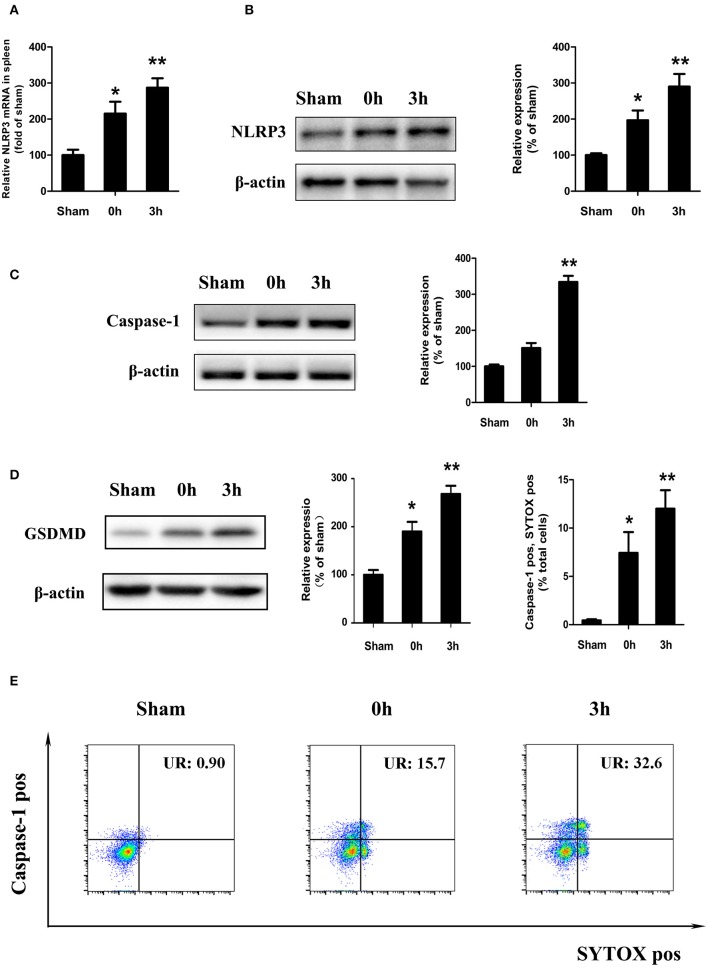
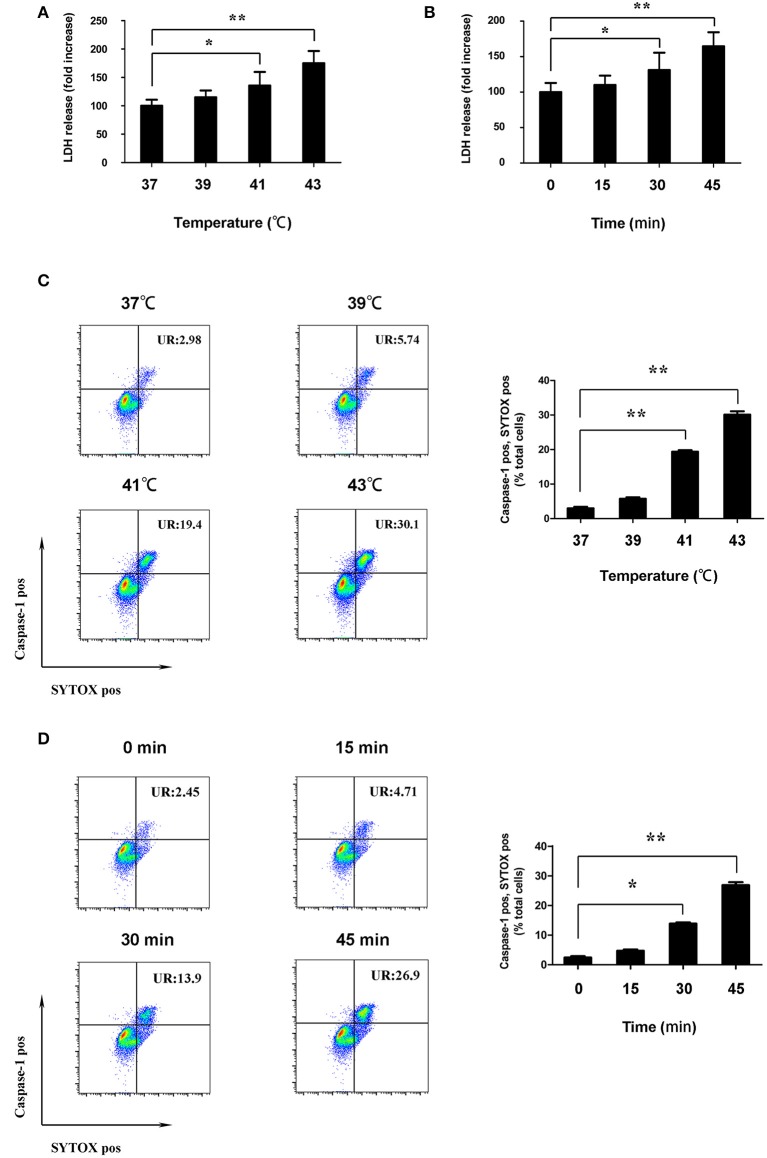
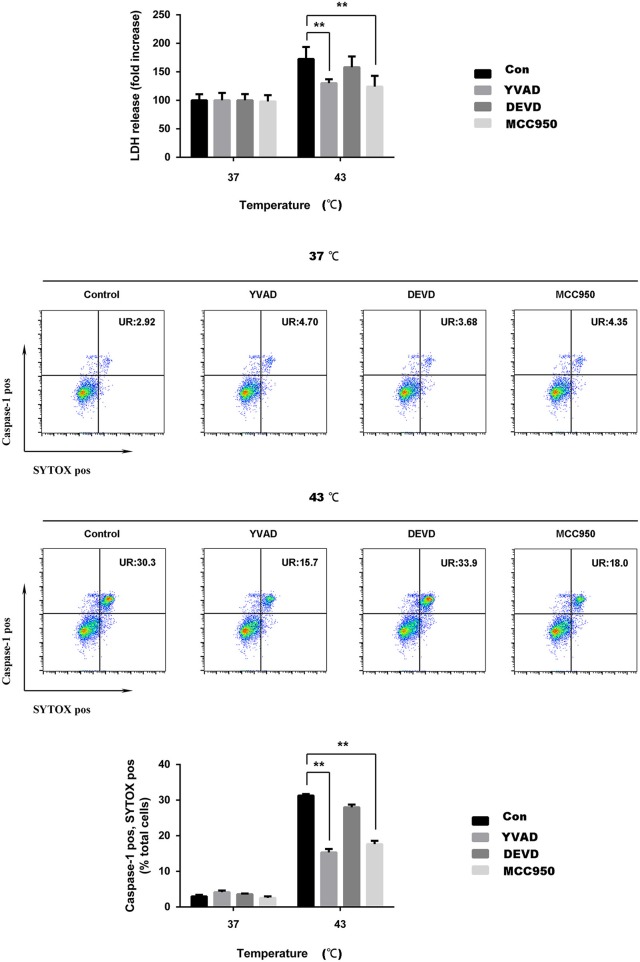
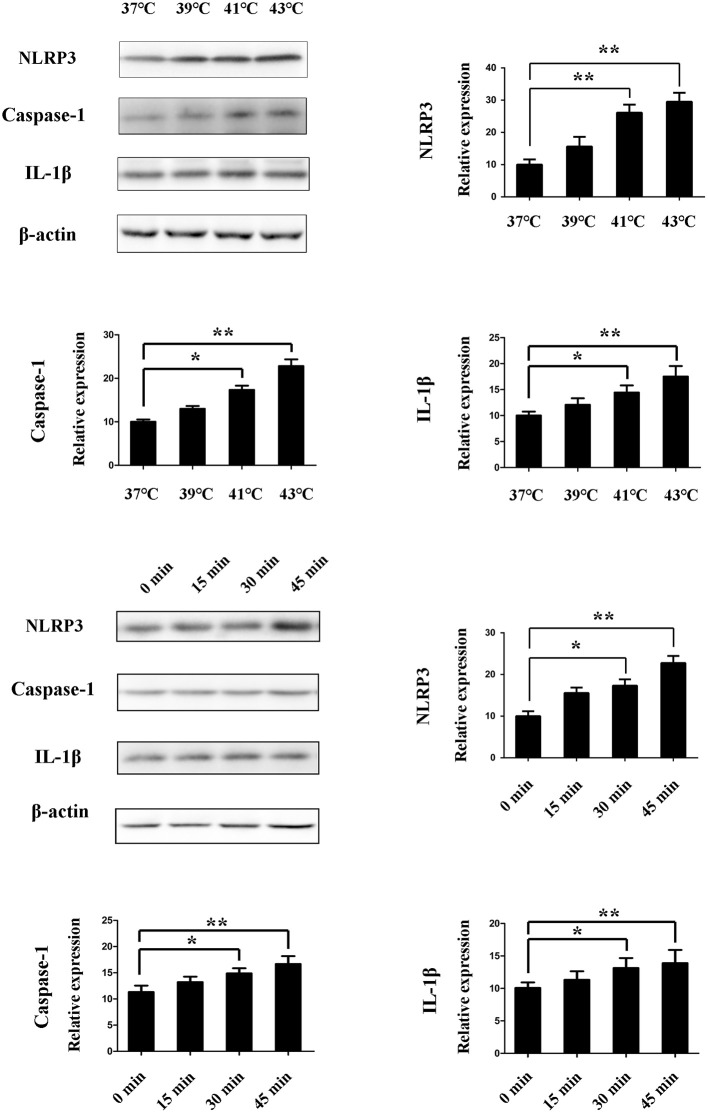
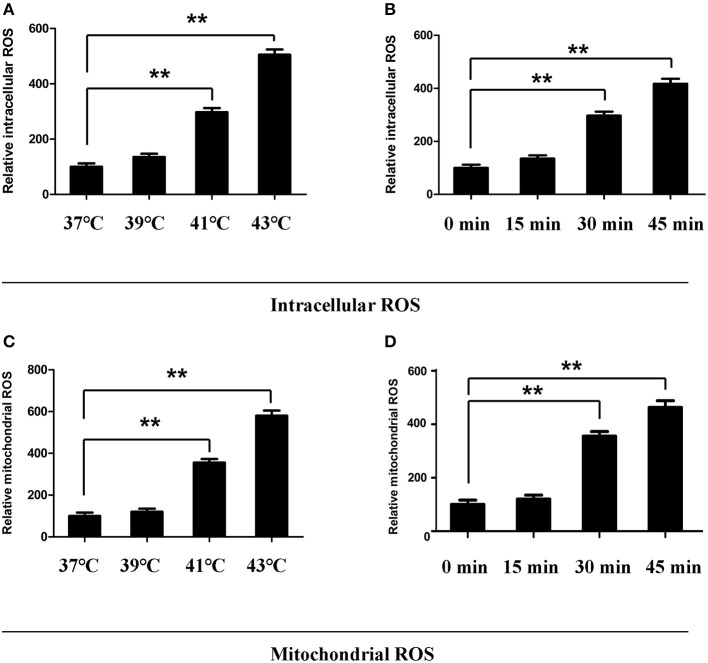
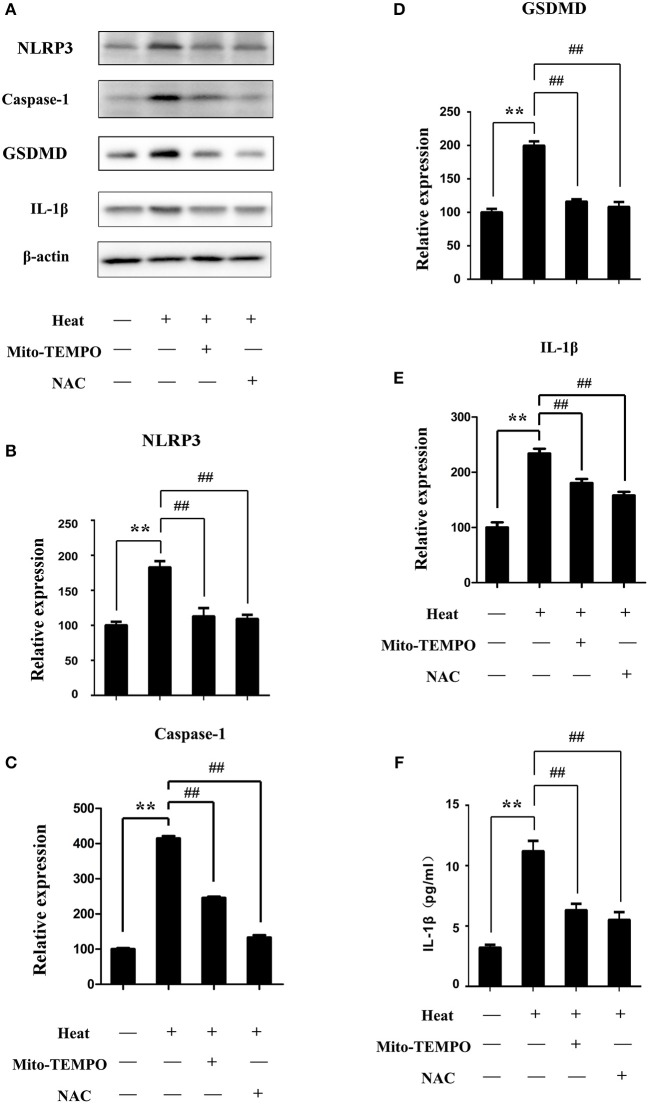
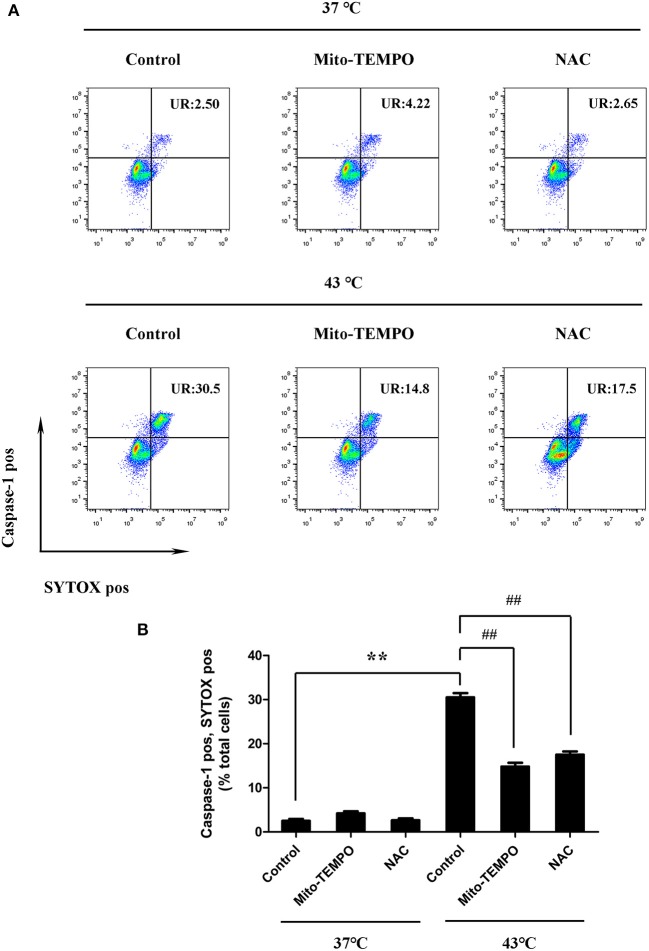
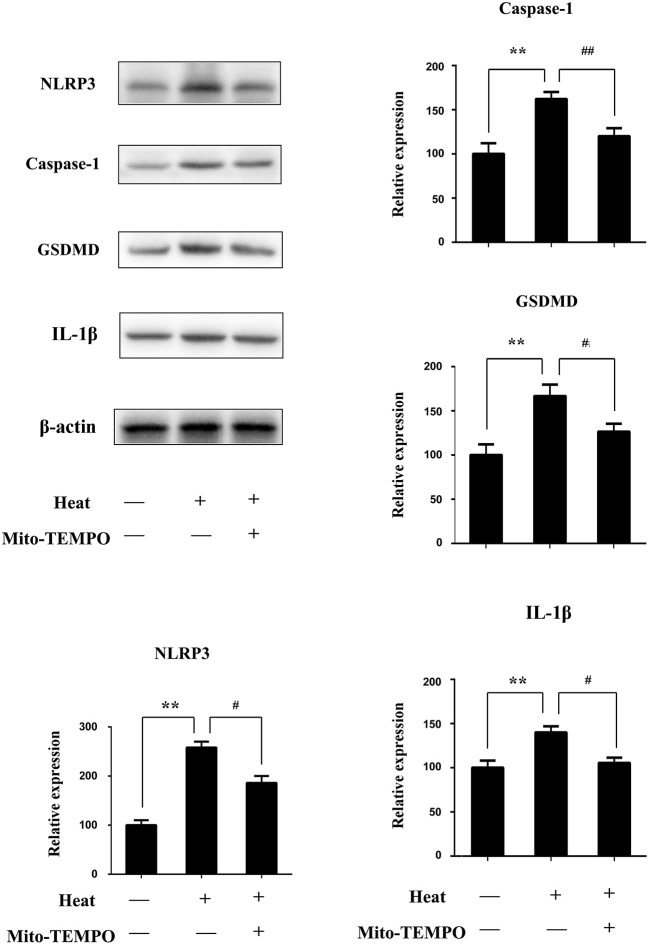
Interleukin-1β (IL-1β) is important for the pathological process of heatstroke (HS), although little is known regarding the main source of the IL-1β produced during the early stage of HS. In this study, heat stress led splenic lymphocytes to death with generation of inflammatory cytokines. The same phenomenon also occurs in animal models of heatshock. We observed that the death of splenic lymphocytes was identified to be pyroptosis. In addition, splenic lymphocyte pyroptosis can be induced by hyperpyrexia in a time- and temperature-dependent manner with NLR pyrin domain containing 3 (NLRP3) inflammasome activation. An NLRP3 inhibitor (MCC950) and a caspase-1 inhibitor (ac-YVAD-cmk) were used to confirm the role of the NLRP3/caspase-1 pathway in pyroptosis. With heat stress, levels of mitochondrial reactive oxygen species (mtROS) in splenic lymphocytes would significantly increase. Accordingly, the use of mtROS scavenger (Mito-TEMPO) could reduce the occurrence of pyroptosis and the activation of the NLRP3 inflammasome . In animal models of heatshock, Mito-TEMPO can inhibit activation of the NLRP3/caspase-1 pathway. Taken together, our data suggest that activation of the NLRP3 inflammasome mediates hyperpyrexia-induced pyroptosis in splenic lymphocytes. Perhaps one of the important initiators of pyroptosis is mtROS. Our data have elucidated a new molecular mechanism of IL-1β overexpression in the early stage of HS, providing a new strategy for IL-1β-targeted therapy in future clinical treatments for HS.
白细胞介素-1β(IL-1β)在中暑(HS)的病理过程中很重要,尽管对于 HS 早期产生的 IL-1β的主要来源知之甚少。在这项研究中,热应激导致脾淋巴细胞死亡并产生炎症细胞因子。同样的现象也发生在热休克动物模型中。我们观察到脾淋巴细胞的死亡被鉴定为细胞焦亡。此外,脾淋巴细胞焦亡可以通过高热以时间和温度依赖的方式诱导,伴随着 NOD、LRR 和 pyrin 结构域包含 3(NLRP3)炎症小体的激活。NLRP3 抑制剂(MCC950)和半胱氨酸蛋白酶-1 抑制剂(ac-YVAD-cmk)用于确认 NLRP3/caspase-1 途径在细胞焦亡中的作用。在热应激下,脾淋巴细胞中线粒体活性氧(mtROS)水平会显著增加。因此,使用 mtROS 清除剂(Mito-TEMPO)可以减少细胞焦亡和 NLRP3 炎症小体的激活。在热休克动物模型中,Mito-TEMPO 可以抑制 NLRP3/caspase-1 途径的激活。总之,我们的数据表明,NLRP3 炎症小体的激活介导了高热诱导的脾淋巴细胞细胞焦亡。也许细胞焦亡的一个重要启动子是 mtROS。我们的数据阐明了 HS 早期 IL-1β 过度表达的新分子机制,为未来 HS 临床治疗中针对 IL-1β 的治疗提供了新策略。