Department of Neurosurgery, Southwest Hospital, Army Medical University (Third Military Medical University), Chongqing, 400038, China.
Department of Neurosurgery, General Hospital of Northern Theater Command (Shenyang Military Command), Shenyang, 110016, China.
J Neuroinflammation. 2020 Jan 11;17(1):16. doi: 10.1186/s12974-020-1699-6.
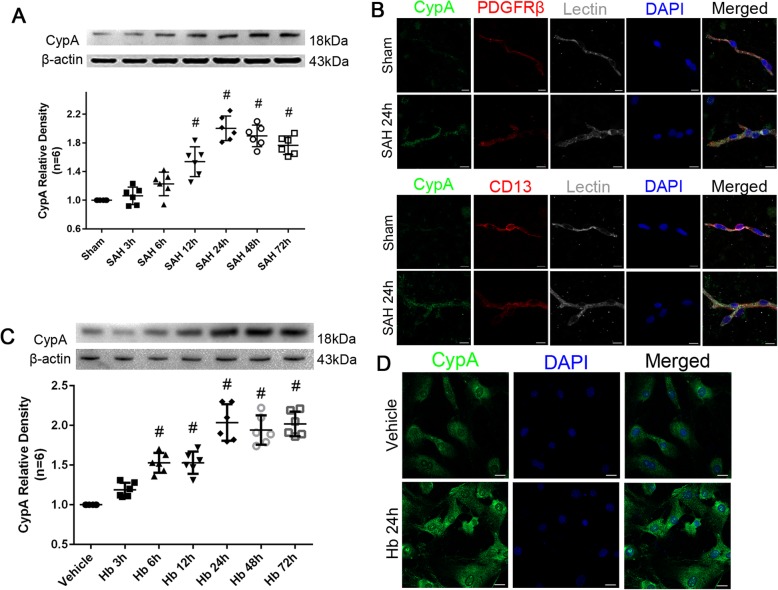
The potential roles and mechanisms of pericytes in maintaining blood-brain barrier (BBB) integrity, which would be helpful for the development of therapeutic strategies for subarachnoid hemorrhage (SAH), remain unclear. We sought to provide evidence on the potential role of pericytes in BBB disruption and possible involvement and mechanism of CypA signaling in both cultured pericytes and SAH models.
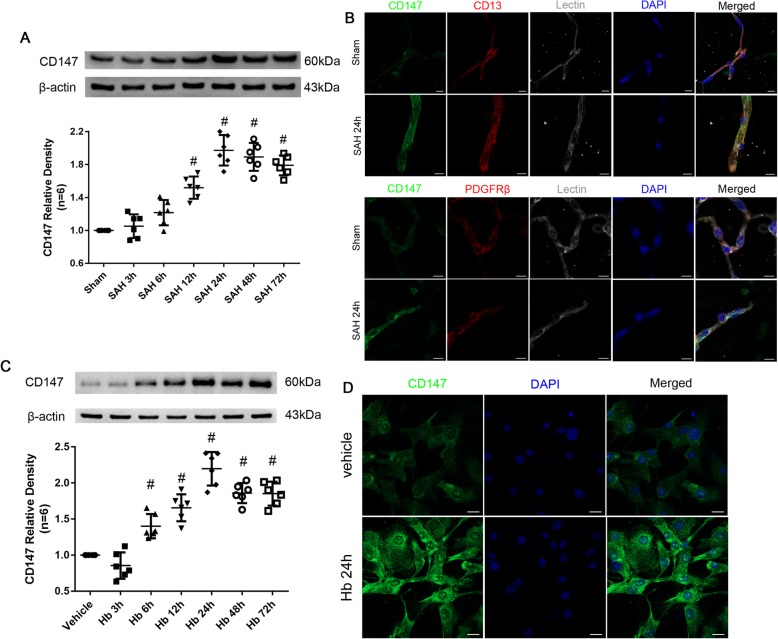
Three hundred fifty-three adult male C57B6J mice weighing 22 to 30 g, 29 CypA mice, 30 CypA (flox/flox) mice, and 30 male neonatal C57B6J mice were used to investigate the time course of CypA expression in pericytes after SAH, the intrinsic function and mechanism of CypA in pericytes, and whether the known receptor CD147 mediates these effects.
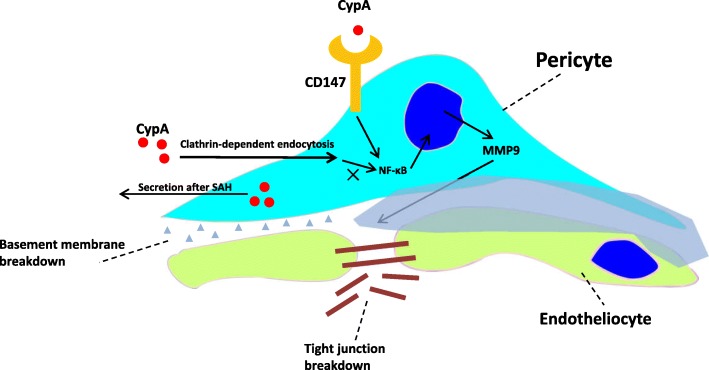
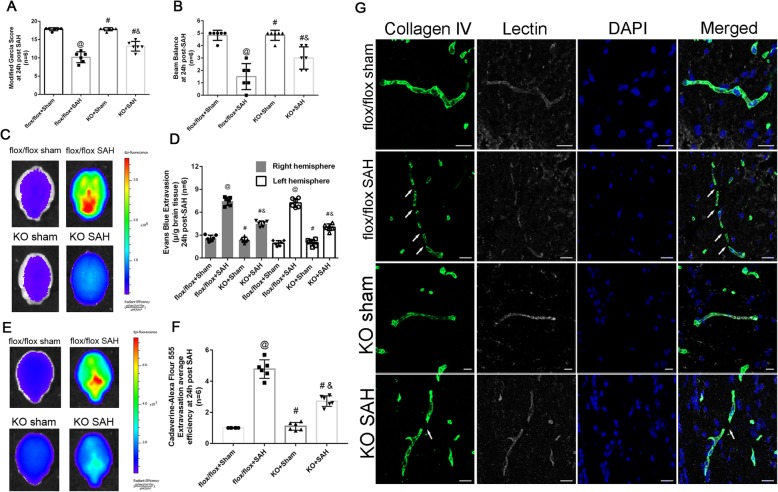
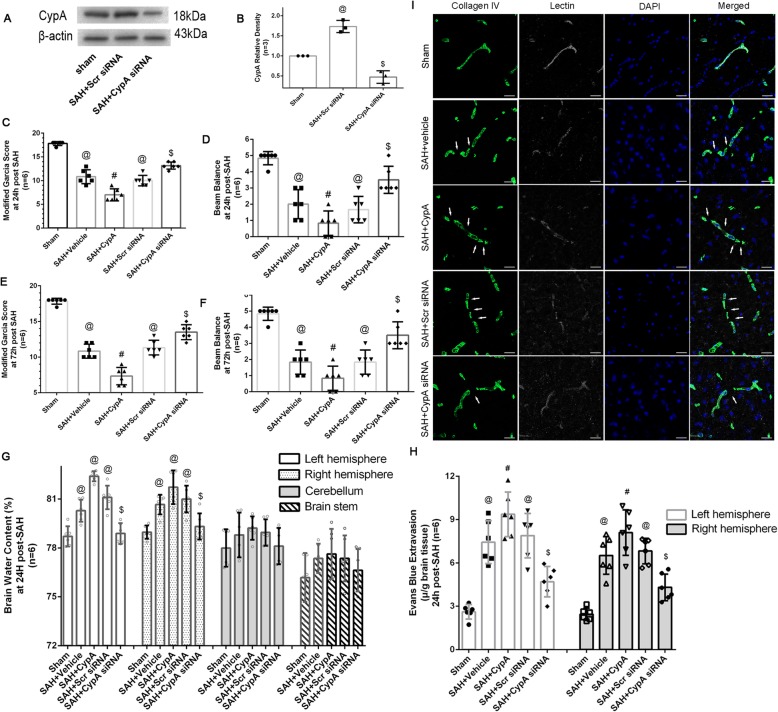
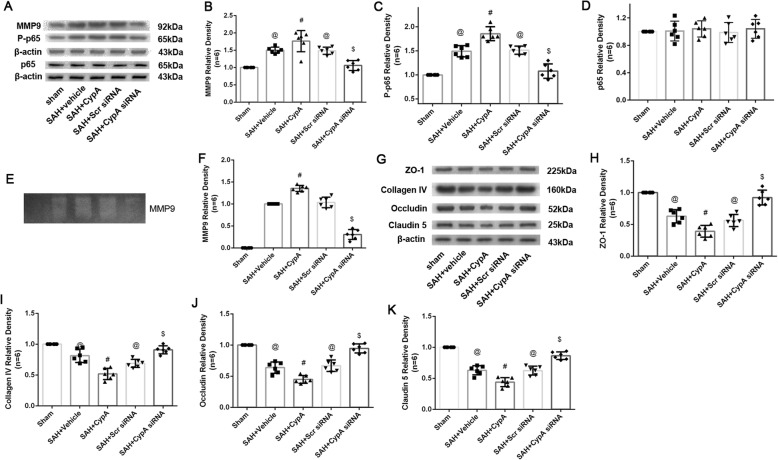
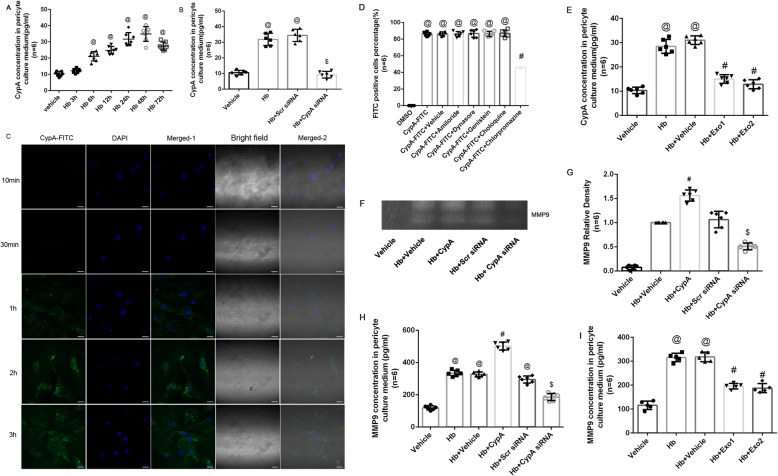
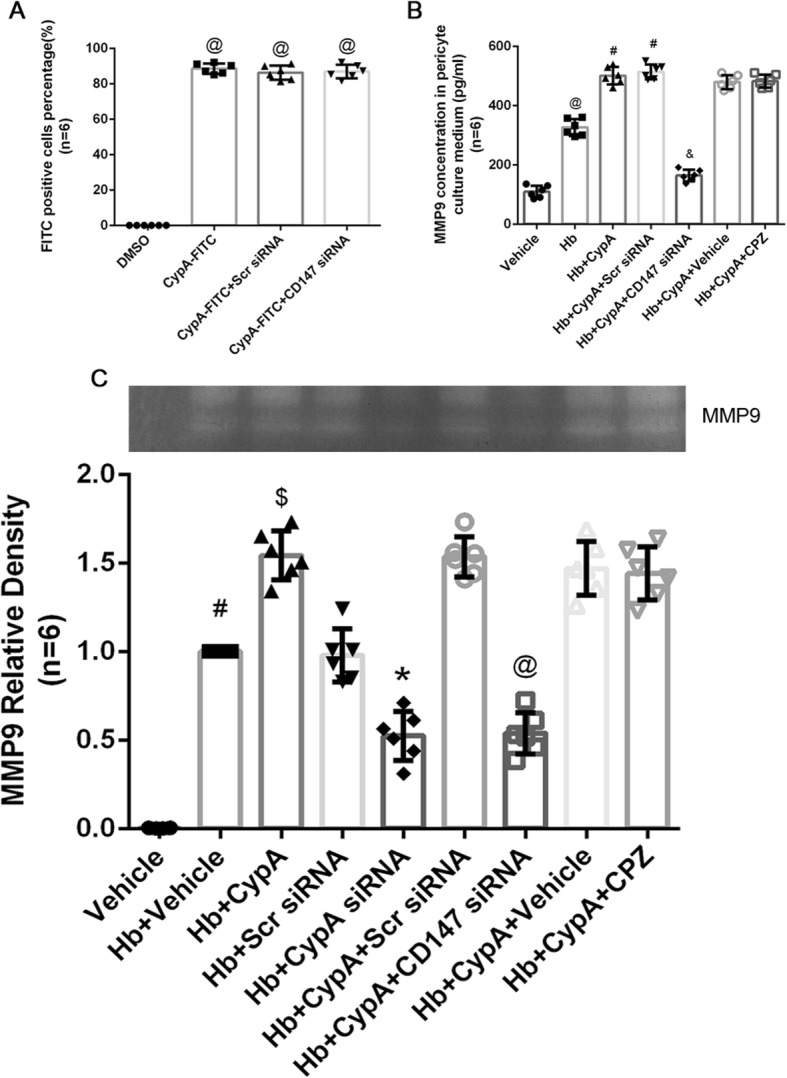
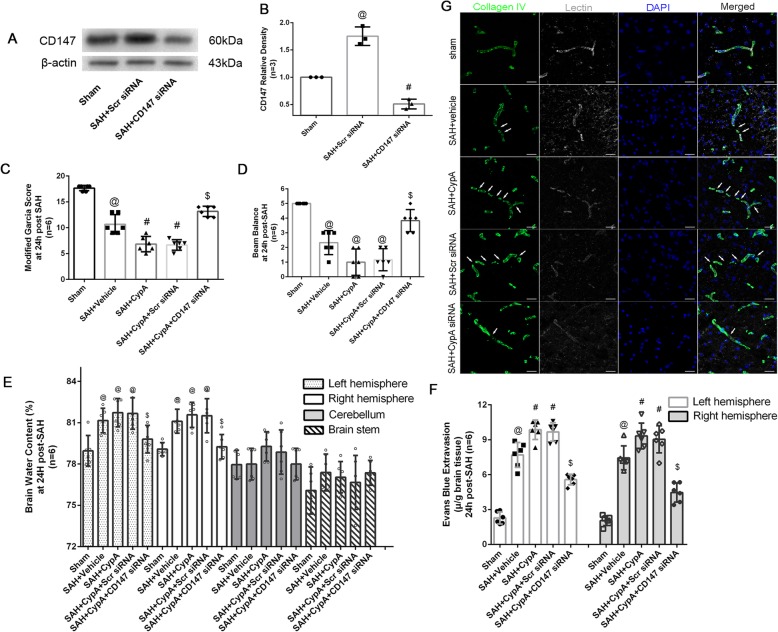
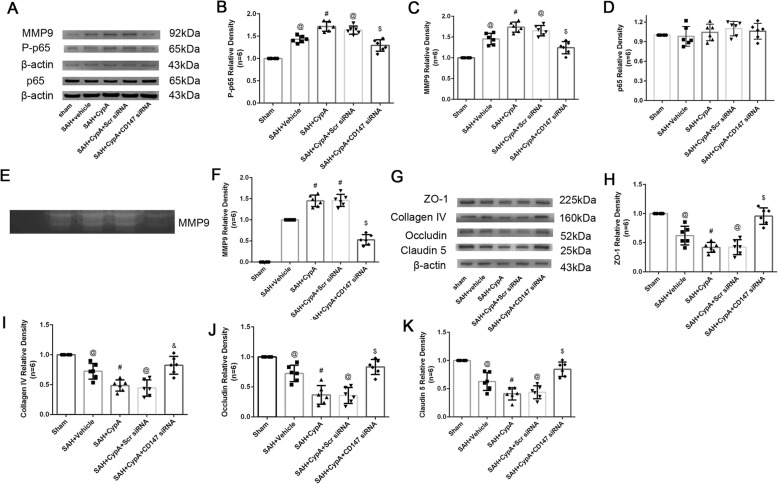
Our data demonstrated both intracellular CypA and CypA secretion increased after SAH and could activate CD147 receptor and downstream NF-κB pathway to induce MMP9 expression and proteolytic functions for degradation of endothelium tight junction proteins and basal membranes. CypA served as autocrine or paracrine ligand for its receptor, CD147. Although CypA could be endocytosed by pericytes, specific endocytosis inhibitor chlorpromazine did not have any effect on MMP9 activation. However, specific knockdown of CD147 could reverse the harmful effects of CypA expression in pericytes on the BBB integrity after SAH.
This study demonstrated for the first time that CypA mediated the harmful effects of pericytes on BBB disruption after SAH, which potentially mediated by CD147/NF-κB/MMP9 signal, and junction protein degradation in the brain. By targeting CypA and pericytes, this study may provide new insights on the management of SAH patients.
周细胞在维持血脑屏障(BBB)完整性中的潜在作用和机制,这对于蛛网膜下腔出血(SAH)的治疗策略的发展将是有帮助的,但仍不清楚。我们试图提供关于周细胞在 BBB 破坏中的潜在作用以及 CypA 信号在培养的周细胞和 SAH 模型中的可能涉及和作用机制的证据。
使用 353 只成年雄性 C57B6J 小鼠(体重 22 至 30 克)、29 只 CypA 小鼠、30 只 CypA(flox/flox)小鼠和 30 只雄性新生 C57B6J 小鼠,以研究 CypA 在 SAH 后在周细胞中的表达时间过程、CypA 在周细胞中的内在功能和机制,以及已知的受体 CD147 是否介导这些效应。
我们的数据表明,CypA 表达增加在 SAH 后既可以激活 CD147 受体和下游 NF-κB 途径,也可以诱导 MMP9 表达和蛋白水解功能,从而降解内皮细胞紧密连接蛋白和基底膜。CypA 作为其受体 CD147 的自分泌或旁分泌配体。尽管 CypA 可以被周细胞内吞,但特异性内吞抑制剂氯丙嗪对 MMP9 激活没有任何影响。然而,特异性敲低 CD147 可以逆转 CypA 在 SAH 后对 BBB 完整性的有害影响。
这项研究首次表明,CypA 介导了周细胞对 SAH 后 BBB 破坏的有害影响,其潜在机制可能是通过 CD147/NF-κB/MMP9 信号和大脑中连接蛋白的降解。通过针对 CypA 和周细胞,这项研究可能为 SAH 患者的管理提供新的见解。