Yuan Zhongwei, Dai Yuyun, Ouyang Ping, Rehman Tayyab, Hussain Sajjad, Zhang Tianyi, Yin Zhongqiong, Fu Hualin, Lin Juchun, He Changliang, Lv Cheng, Liang Xiaoxia, Shu Gang, Song Xu, Li Lixia, Zou Yuanfeng, Yin Lizi
College of Veterinary Medicine, Sichuan Agriculture University, Huimin Lu 211, Wenjiang 611130, China.
Microorganisms. 2020 Jan 10;8(1):99. doi: 10.3390/microorganisms8010099.
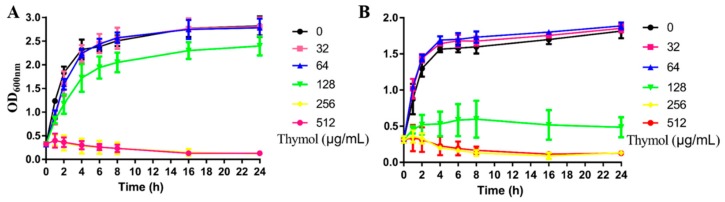
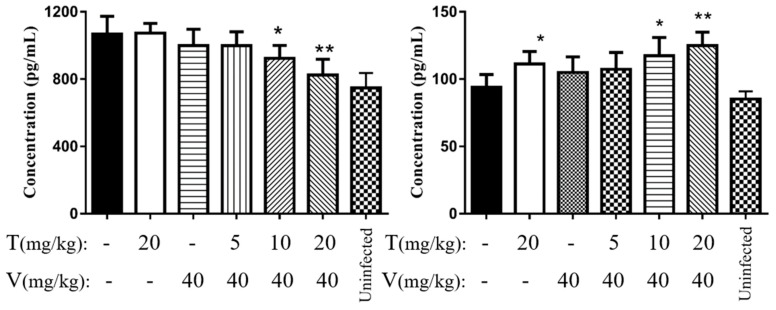
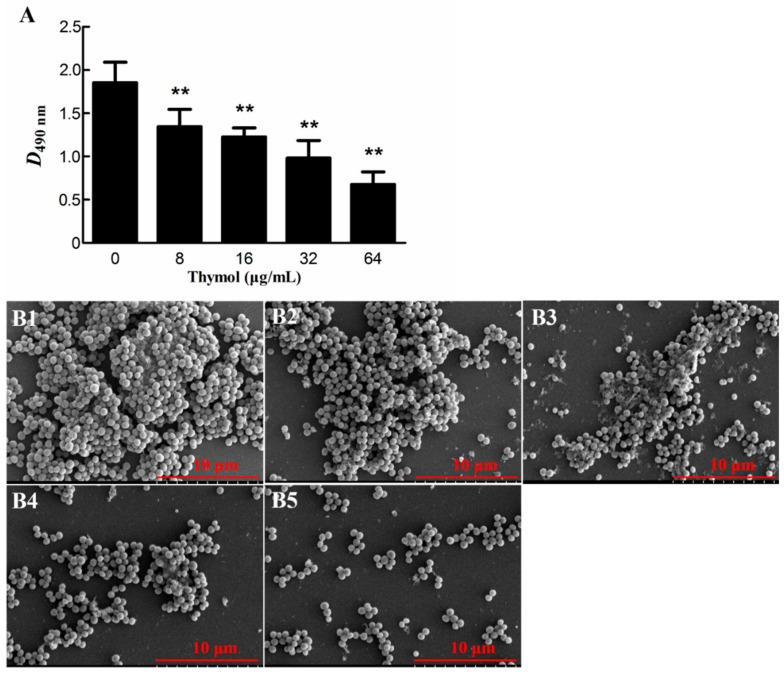
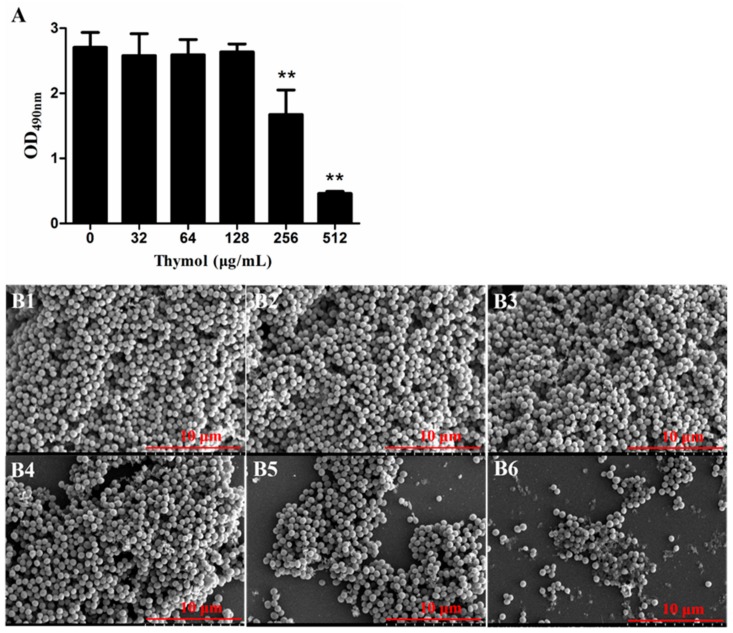
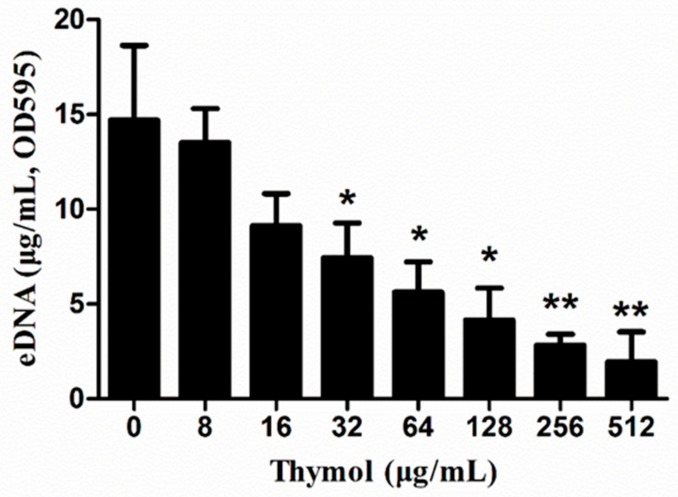
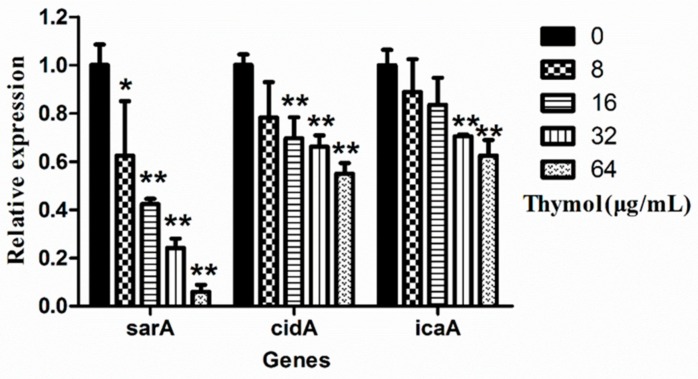
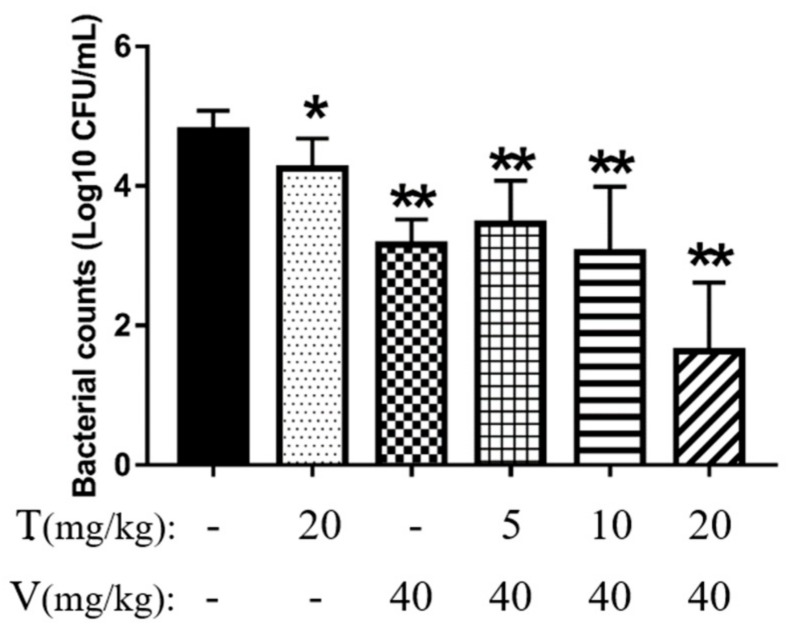
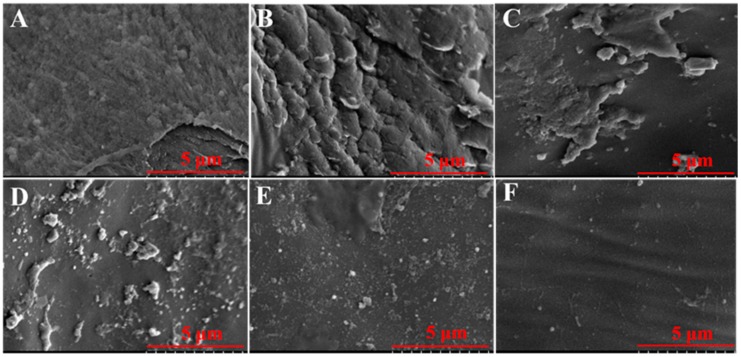
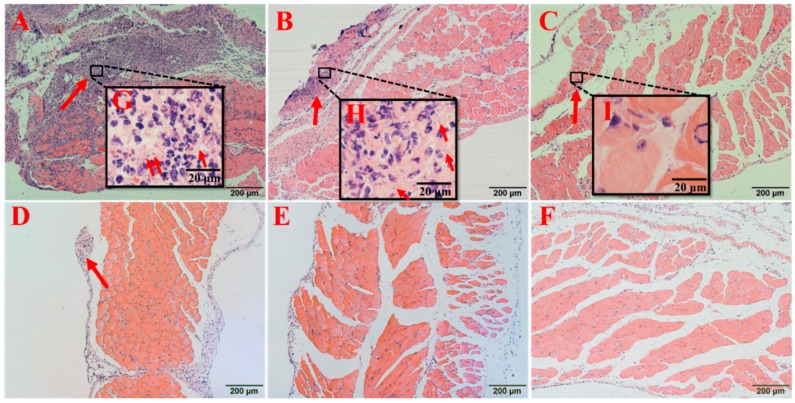
Methicillin-resistant (MRSA) is a common human pathogen that causes several difficult-to-treat infections, including biofilm-associated infections. The biofilm-forming ability of plays a pivotal role in its resistance to most currently available antibiotics, including vancomycin, which is the first-choice drug for treating MRSA infections. In this study, the ability of thymol (a monoterpenoid phenol isolated from plants) to inhibit biofilm formation and to eliminate mature biofilms, was assessed. We found that thymol could inhibit biofilm formation and remove mature biofilms by inhibiting the production of polysaccharide intracellular adhesin (PIA) and the release of extracellular DNA (eDNA). However, cotreatment with thymol and vancomycin was more effective at eliminating MRSA biofilms, in a mouse infection model, than monotherapy with vancomycin. Comparative histopathological analyses revealed that thymol reduced the pathological changes and inflammatory responses in the wounds. Assessments of white blood cell counts and serum TNF-α and IL-6 levels showed reduced inflammation and an increased immune response following treatment with thymol and vancomycin. These results indicate that combinatorial treatment with thymol and vancomycin has the potential to serve as a more effective therapy for MRSA biofilm-associated infections than vancomycin monotherapy.
耐甲氧西林金黄色葡萄球菌(MRSA)是一种常见的人类病原体,可引发多种难以治疗的感染,包括生物膜相关感染。其形成生物膜的能力在对包括万古霉素(治疗MRSA感染的首选药物)在内的大多数现有抗生素的耐药性中起着关键作用。在本研究中,评估了百里香酚(一种从植物中分离出的单萜类酚)抑制生物膜形成和消除成熟生物膜的能力。我们发现,百里香酚可通过抑制胞内多糖黏附素(PIA)的产生和细胞外DNA(eDNA)的释放来抑制生物膜形成并去除成熟生物膜。然而,在小鼠感染模型中,百里香酚与万古霉素联合治疗在消除MRSA生物膜方面比万古霉素单药治疗更有效。比较组织病理学分析显示,百里香酚减轻了伤口的病理变化和炎症反应。白细胞计数以及血清TNF-α和IL-6水平的评估表明,百里香酚和万古霉素治疗后炎症减轻,免疫反应增强。这些结果表明,与万古霉素单药治疗相比,百里香酚与万古霉素联合治疗有可能成为治疗MRSA生物膜相关感染更有效的疗法。