Gangidine Andrew, Havig Jeff R, Hannon Jeffrey S, Czaja Andrew D
Department of Geology, University of Cincinnati, Cincinnati, OH 45221, USA.
Department of Earth and Environmental Sciences, University of Minnesota, Minneapolis, MN 55455, USA.
Life (Basel). 2020 Jan 14;10(1):3. doi: 10.3390/life10010003.
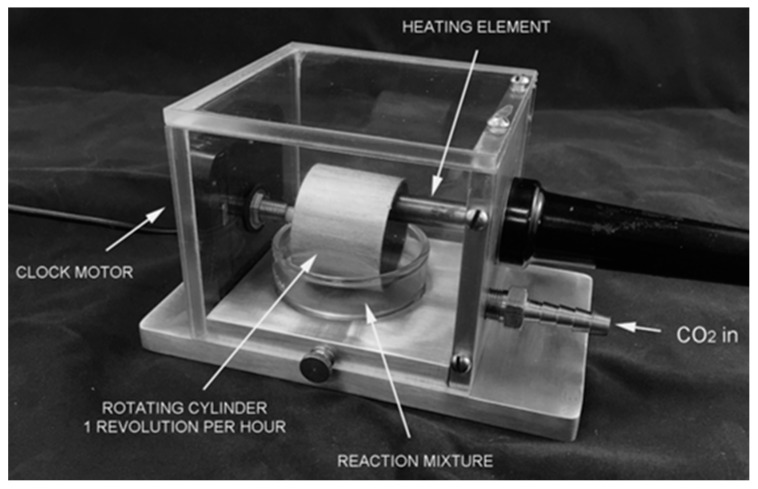
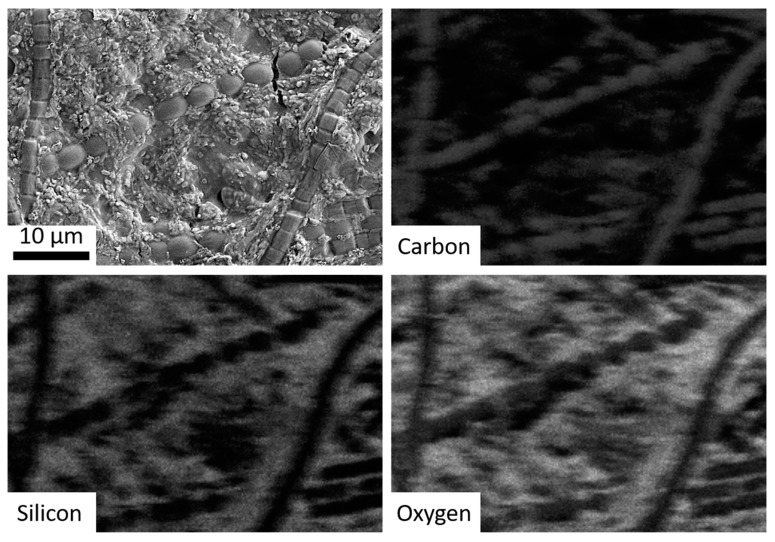
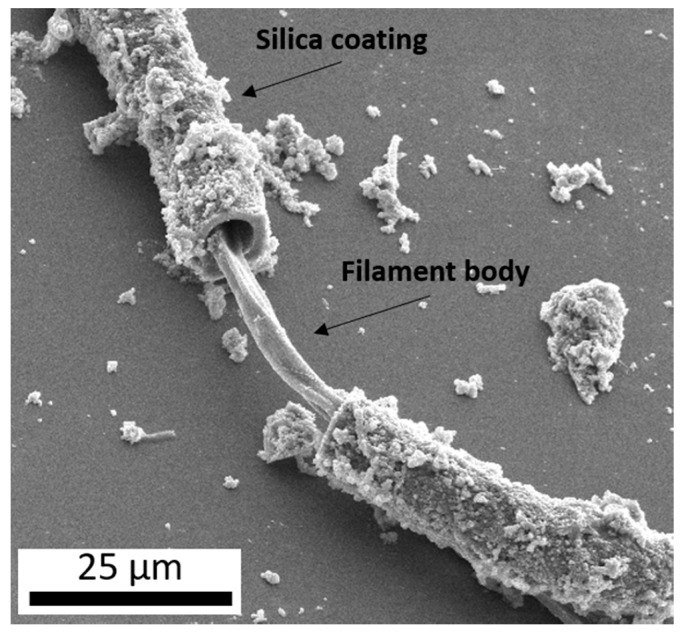
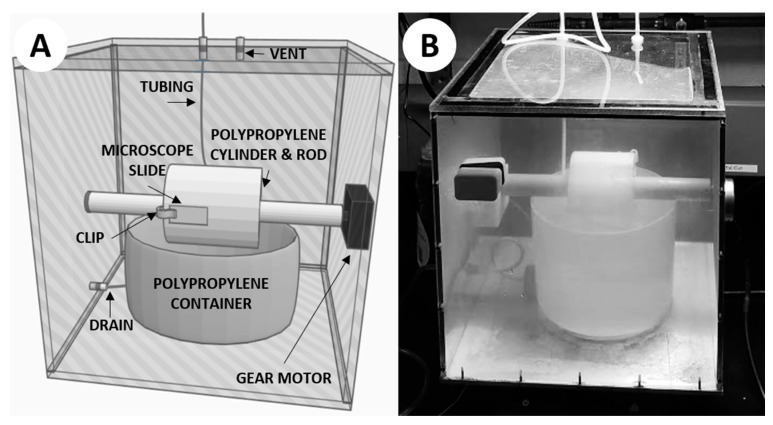
Terrestrial hot springs have emerged as strong contenders for sites that could have facilitated the origin of life. Cycling between wet and dry conditions is a key feature of these systems, which can produce both structural and chemical complexity within protocellular material. Silica precipitation is a common phenomenon in terrestrial hot springs and is closely associated with life in modern systems. Not only does silica preserve evidence of hot spring life, it also can help it survive during life through UV protection, a factor which would be especially relevant on the early Earth. Determining which physical and chemical components of hot springs are the result of life vs. non-life in modern hot spring systems is a difficult task, however, since life is so prevalent in these environments. Using a model hot spring simulation chamber, we demonstrate a simple yet effective way to precipitate silica with or without the presence of life. This system may be valuable in further investigating the plausible role of silica precipitation in ancient terrestrial hot spring environments even before life arose, as well as its potential role in providing protection from the high surface UV conditions which may have been present on early Earth.
陆地温泉已成为可能促进生命起源地点的有力竞争者。干湿条件之间的循环是这些系统的一个关键特征,它可以在原细胞物质中产生结构和化学复杂性。二氧化硅沉淀是陆地温泉中的常见现象,并且在现代系统中与生命密切相关。二氧化硅不仅保存了温泉生命的证据,还能在生命过程中通过紫外线防护帮助其存活,这一因素在早期地球尤其重要。然而,确定现代温泉系统中温泉的哪些物理和化学成分是生命活动还是非生命活动的结果是一项艰巨的任务,因为生命在这些环境中非常普遍。我们使用一个模拟温泉的模型腔室,展示了一种简单而有效的方法,即在有生命或无生命存在的情况下沉淀二氧化硅。该系统对于进一步研究在生命出现之前二氧化硅沉淀在古代陆地温泉环境中可能扮演的合理角色,以及其在保护生命免受早期地球可能存在的高地表紫外线条件影响方面的潜在作用,可能具有重要价值。