Jin Wook
Laboratory of Molecular Disease and Cell Regulation, Department of Biochemistry, School of Medicine, Gachon University, Incheon 21999, Korea.
J Clin Med. 2020 Jan 17;9(1):257. doi: 10.3390/jcm9010257.
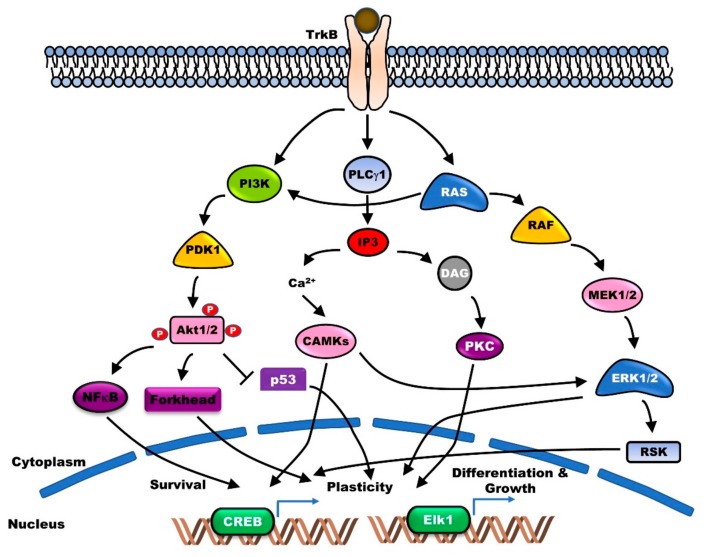
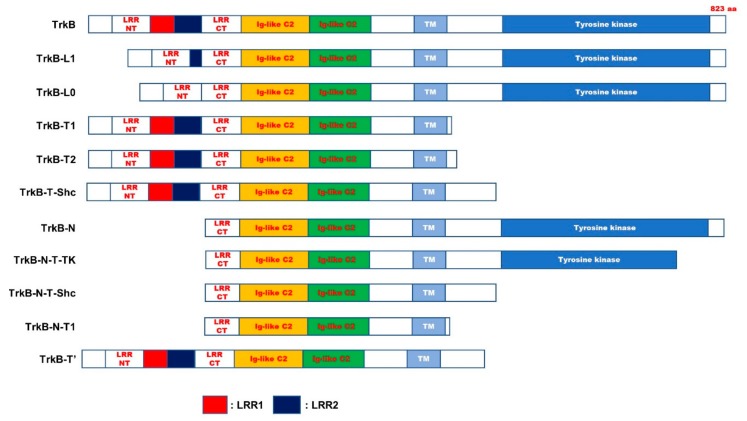
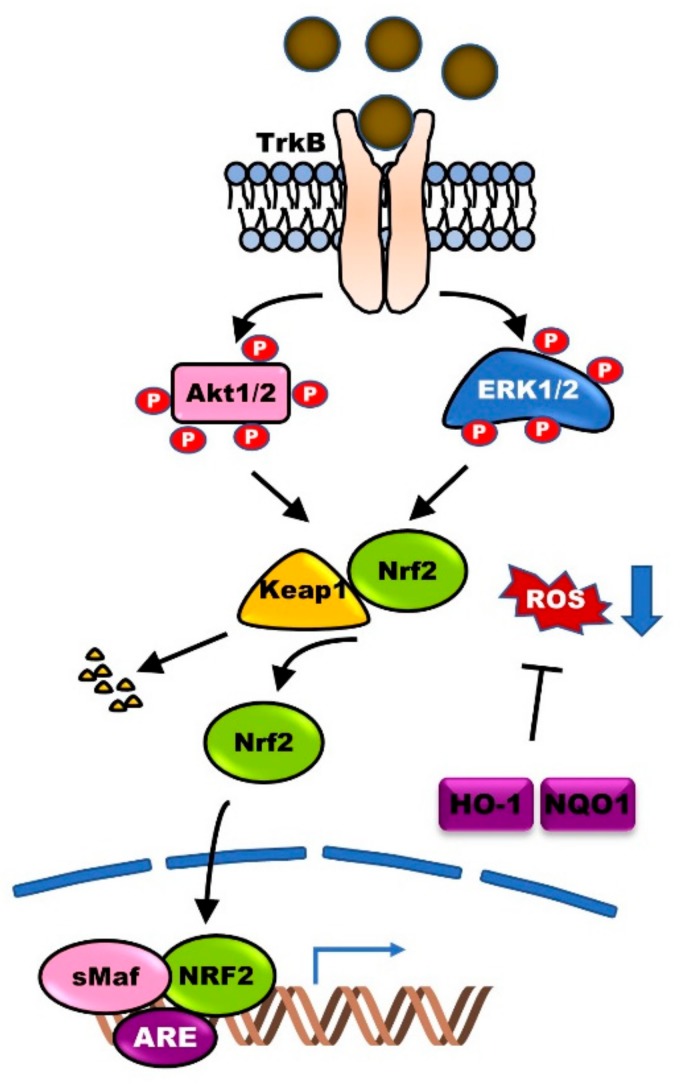
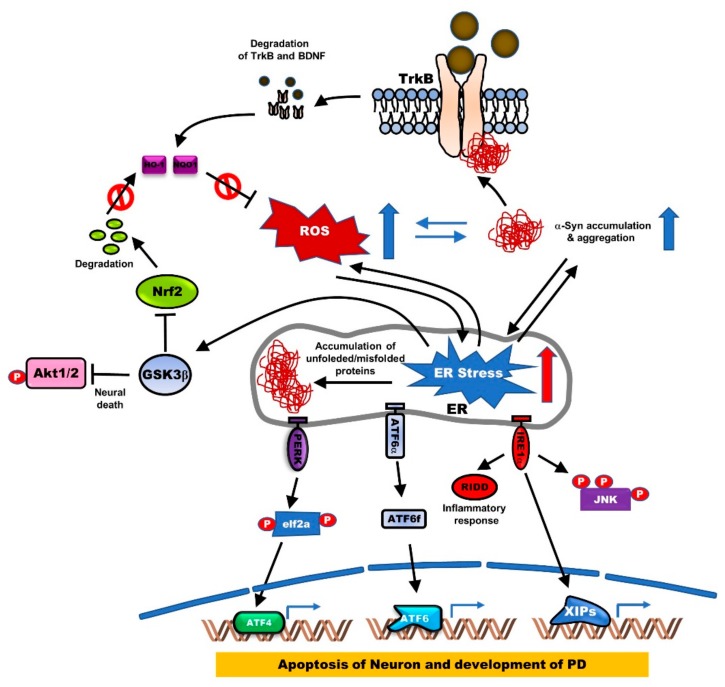
Brain-derived neurotrophic factor (BDNF) and its receptor tropomyosin-related kinase receptor type B (TrkB) are widely distributed in multiple regions of the human brain. Specifically, BDNF/TrkB is highly expressed and activated in the dopaminergic neurons of the substantia nigra and plays a critical role in neurophysiological processes, including neuro-protection and maturation and maintenance of neurons. The activation as well as dysfunction of the BDNF-TrkB pathway are associated with neurodegenerative diseases. The expression of BDNF/TrkB in the substantia nigra is significantly reduced in Parkinson's Disease (PD) patients. This review summarizes recent progress in the understanding of the cellular and molecular roles of BNDF/TrkB signaling and its isoform, TrkB.T1, in Parkinson's disease. We have also discussed the effects of current therapies on BDNF/TrkB signaling in Parkinson's disease patients and the mechanisms underlying the mutation-mediated acquisition of resistance to therapies for Parkinson's disease.
脑源性神经营养因子(BDNF)及其受体原肌球蛋白相关激酶B型受体(TrkB)广泛分布于人类大脑的多个区域。具体而言,BDNF/TrkB在黑质的多巴胺能神经元中高表达并被激活,在神经生理过程中发挥关键作用,包括神经保护以及神经元的成熟与维持。BDNF-TrkB通路的激活以及功能障碍与神经退行性疾病相关。在帕金森病(PD)患者中,黑质中BDNF/TrkB的表达显著降低。本综述总结了在理解BDNF/TrkB信号及其异构体TrkB.T1在帕金森病中的细胞和分子作用方面的最新进展。我们还讨论了当前疗法对帕金森病患者BDNF/TrkB信号的影响以及帕金森病治疗耐药性突变介导获得的潜在机制。