Saadeldin Islam M, Swelum Ayman Abdel-Aziz, Elsafadi Mona, Mahmood Amer, Osama Aya, Shikshaky Hassan, Alfayez Musaad, Alowaimer Abdullah N, Magdeldin Sameh
Department of Animal Production, College of Food and Agricultural Sciences, King Saud University, 11451 Riyadh, Saudi Arabia.
Department of Physiology, Faculty of Veterinary Medicine, Zagazig University, 44519 Zagazig, Egypt.
J Adv Res. 2019 Nov 22;22:105-118. doi: 10.1016/j.jare.2019.11.009. eCollection 2020 Mar.
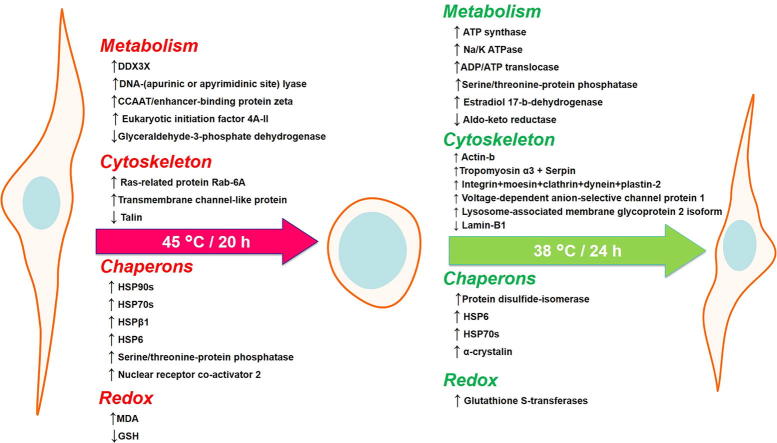
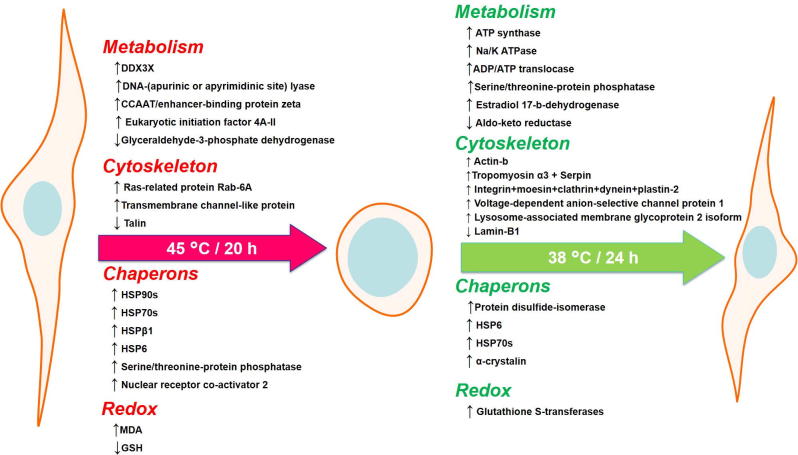
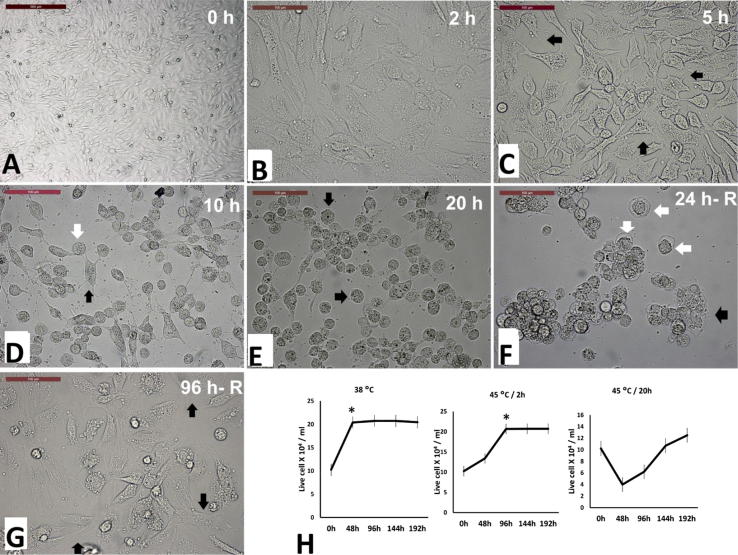
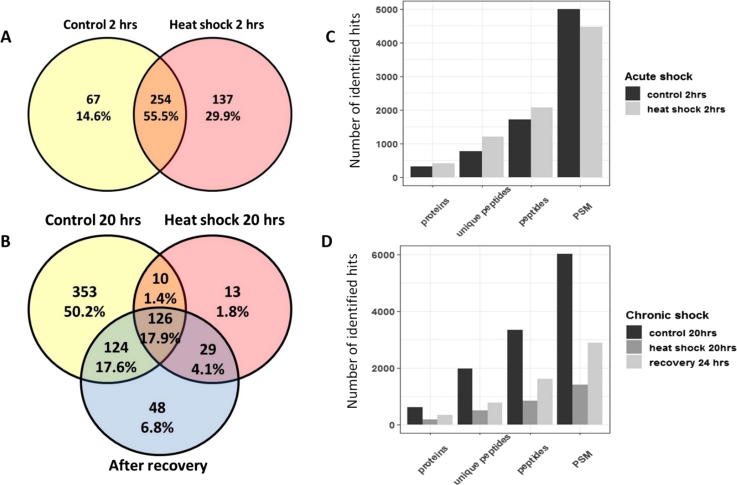
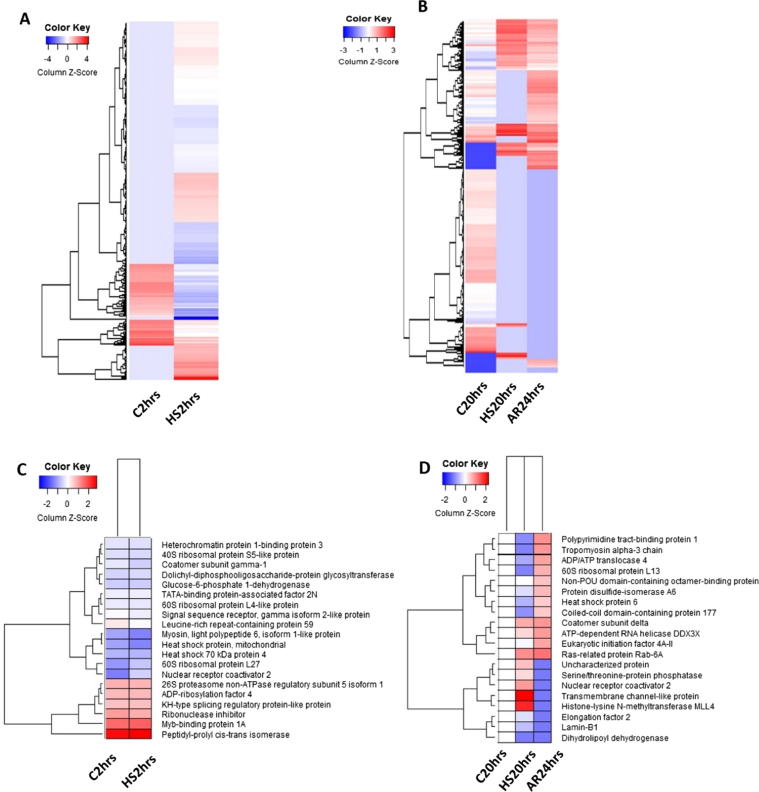
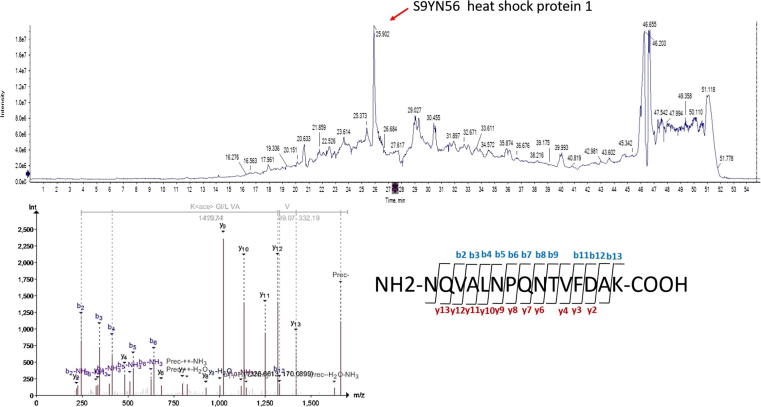
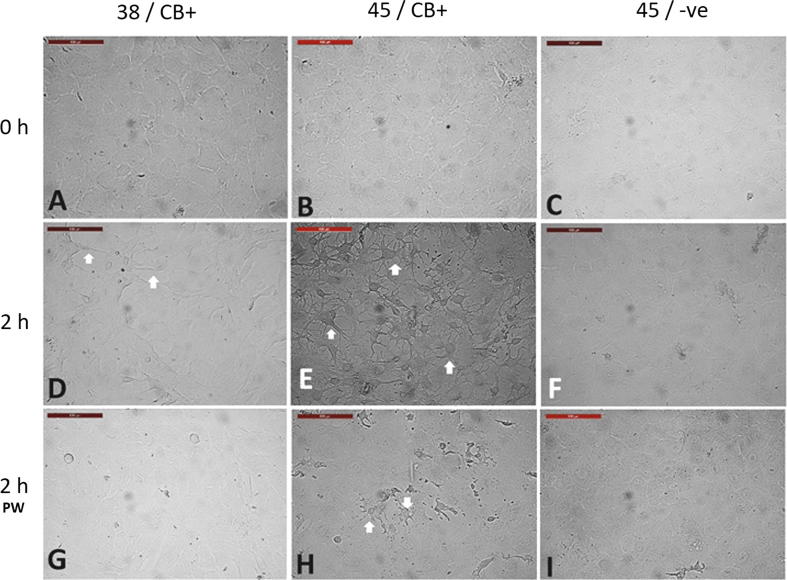
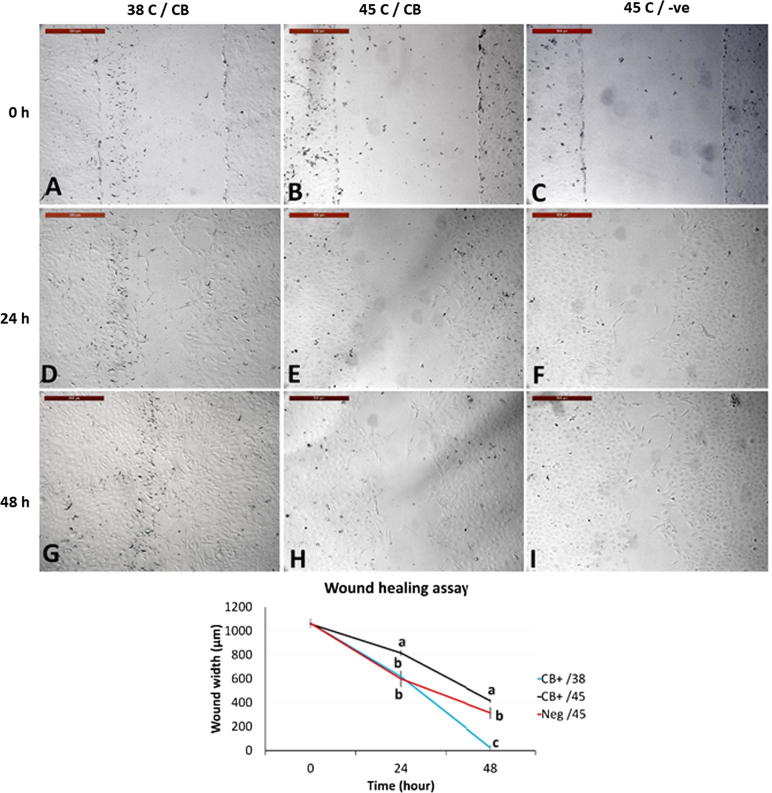
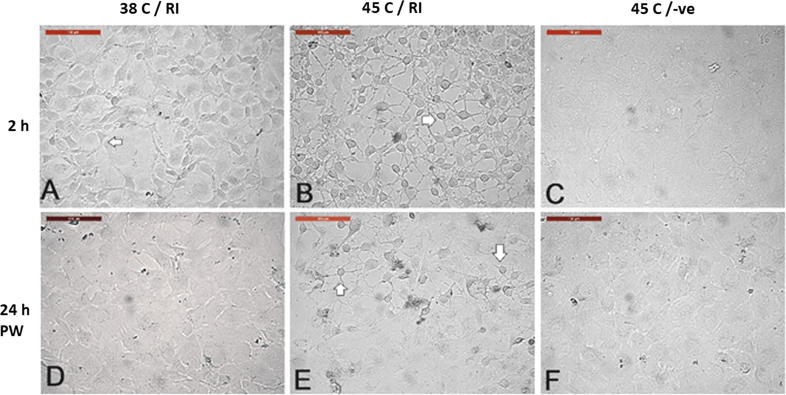
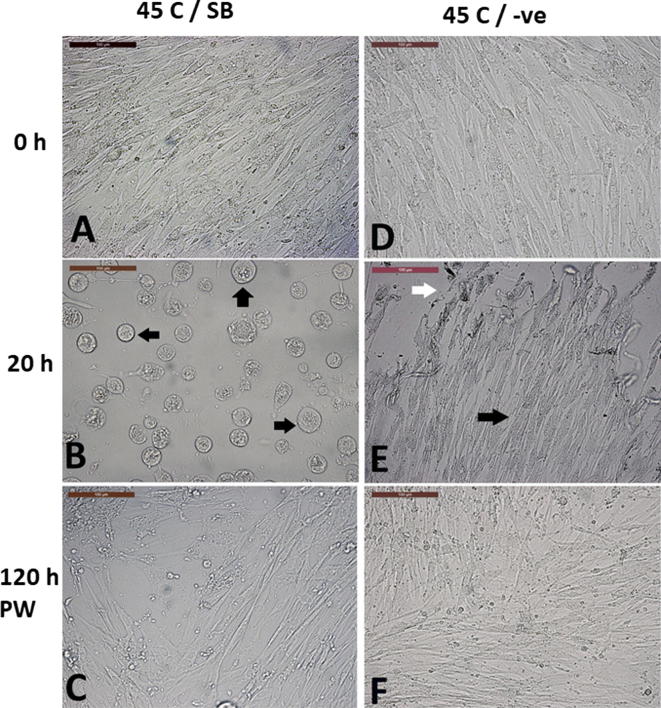
The Arabian camel is the largest known mammal that can survive in severe hot climatic conditions. We provide the molecular explanation for the thermotolerance of camel granulosa somatic cells after exposure to 45 °C for 2 (acute heat shock) or 20 h (chronic heat shock). The common features of the cellular responses to acute heat stress were the increase of heat shock proteins and DNA repair enzymes expression. Actin polymerization and Rho signaling were critically activated as a cellular defense against heat shock. Cells exposed to chronic heat shock showed altered cell architecture with a decrease in total detected proteins, metabolic enzymes, and cytoskeletal protein expression. Treatment with transforming growth factor beta (TGFβ) pathway inhibitor SB-431542 suppressed the morphological alterations of cells exposed to chronic heat shock. Moreover, during the recovery stage at 38 °C for 24 h, proteomic changes were partially restored with an exponential increase in expression, and the cells restored their normal cellular morphology on the 9th day of recovery. Full proteomics data are available ProteomeXchange with identifier PXD012159. The strategies of cellular defense and tolerance to both thermal conditions reflect the flexible adaptability of camel somatic cells to conserve life under extremely hot conditions.
阿拉伯骆驼是已知能在酷热气候条件下生存的最大哺乳动物。我们给出了骆驼颗粒体细胞在45℃下暴露2小时(急性热休克)或20小时(慢性热休克)后耐热性的分子解释。细胞对急性热应激反应的共同特征是热休克蛋白和DNA修复酶表达增加。肌动蛋白聚合和Rho信号传导作为细胞对热休克的防御机制被关键激活。暴露于慢性热休克的细胞显示出细胞结构改变,检测到的总蛋白、代谢酶和细胞骨架蛋白表达减少。用转化生长因子β(TGFβ)途径抑制剂SB - 431542处理可抑制暴露于慢性热休克的细胞的形态学改变。此外,在38℃恢复24小时的阶段,蛋白质组学变化部分恢复, 表达呈指数增加,细胞在恢复第9天恢复其正常细胞形态。完整的蛋白质组学数据可在ProteomeXchange上获取,标识符为PXD012159。细胞对两种热条件的防御和耐受策略反映了骆驼体细胞在极端炎热条件下保护生命的灵活适应性。