Department of Molecular Genetics, Medical Research Institute, Tokyo Medical and Dental University (TMDU), Bunkyo-ku, Tokyo, Japan.
Department of Genetic Diagnosis, The Cancer Institute, Japanese Foundation for Cancer Research, Koto-ku, Tokyo, Japan.
Sci Rep. 2020 Jan 28;10(1):1386. doi: 10.1038/s41598-020-57819-9.
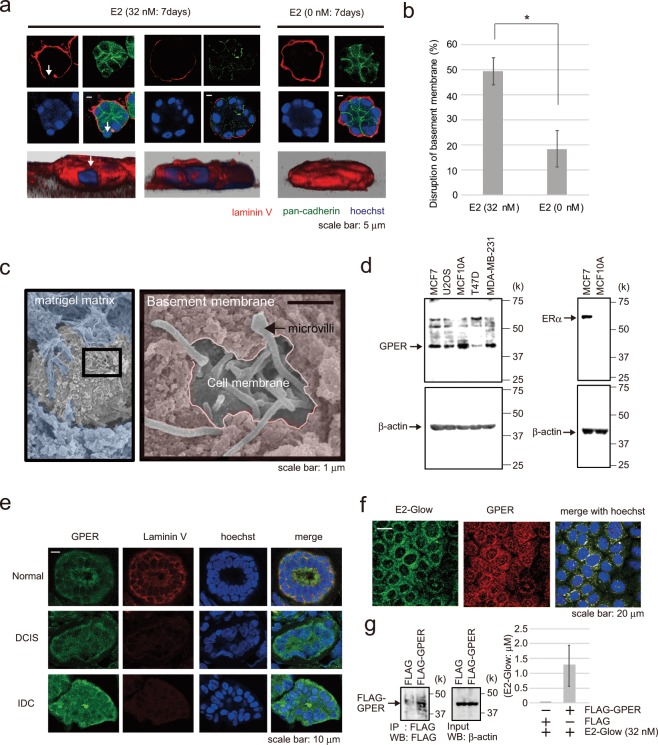
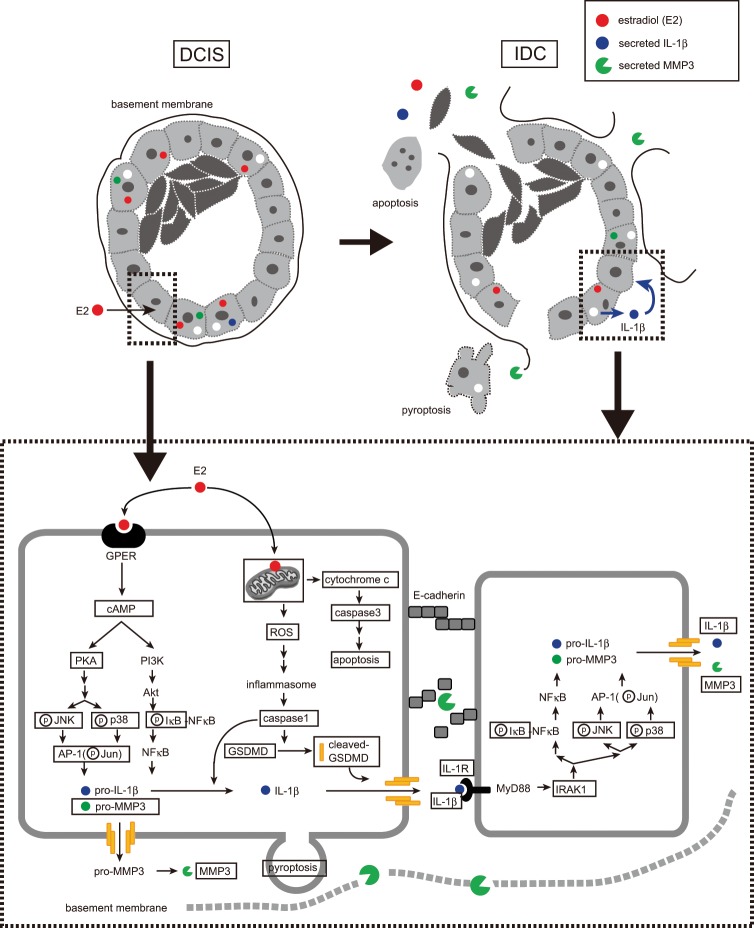
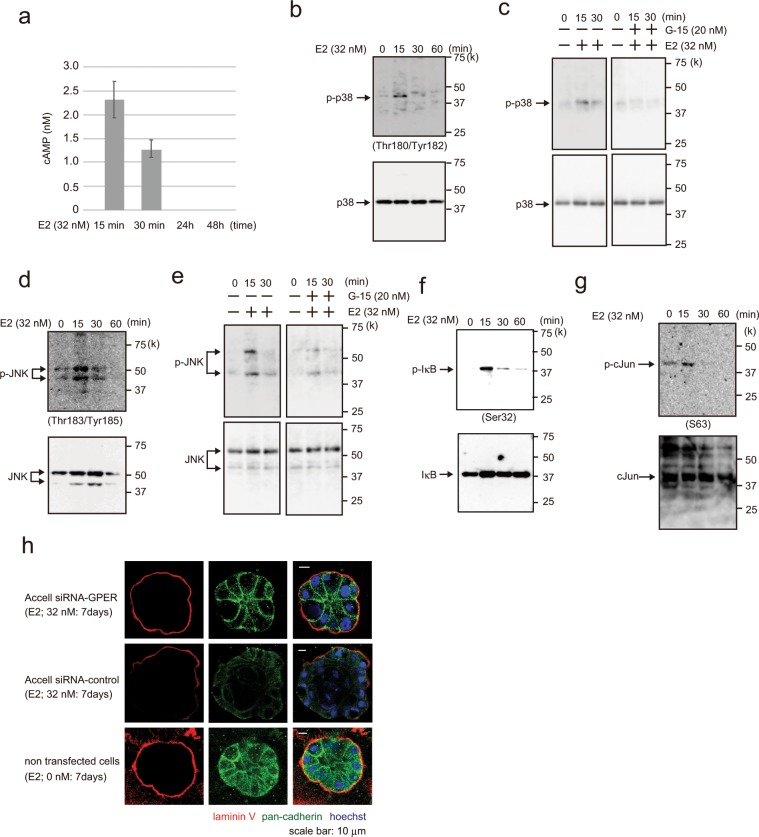
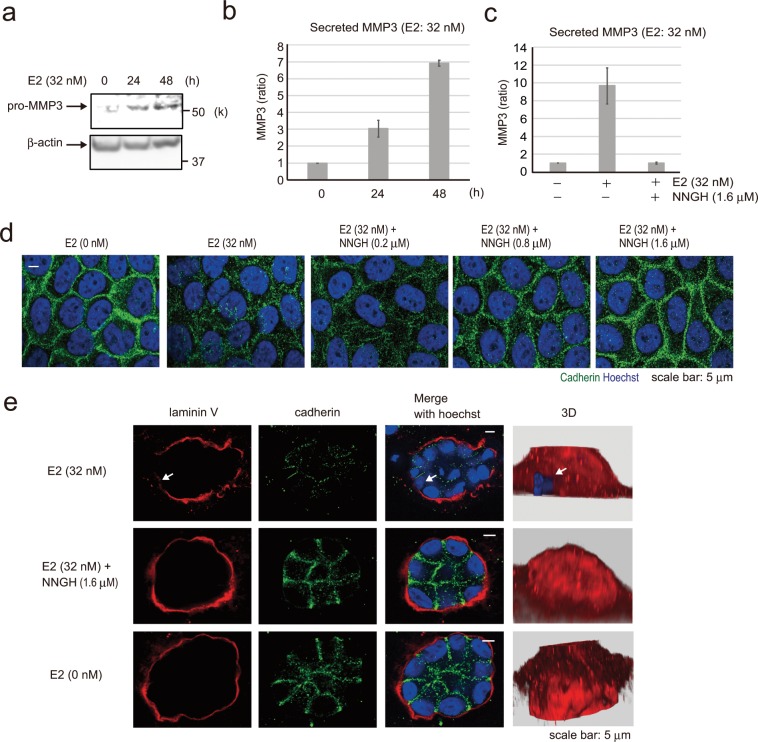
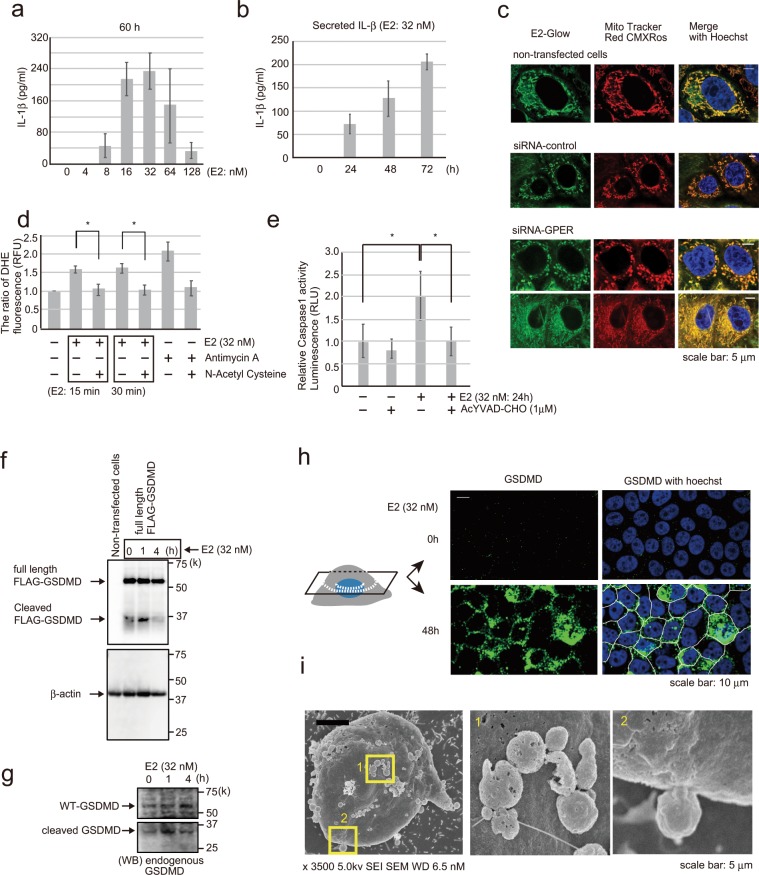
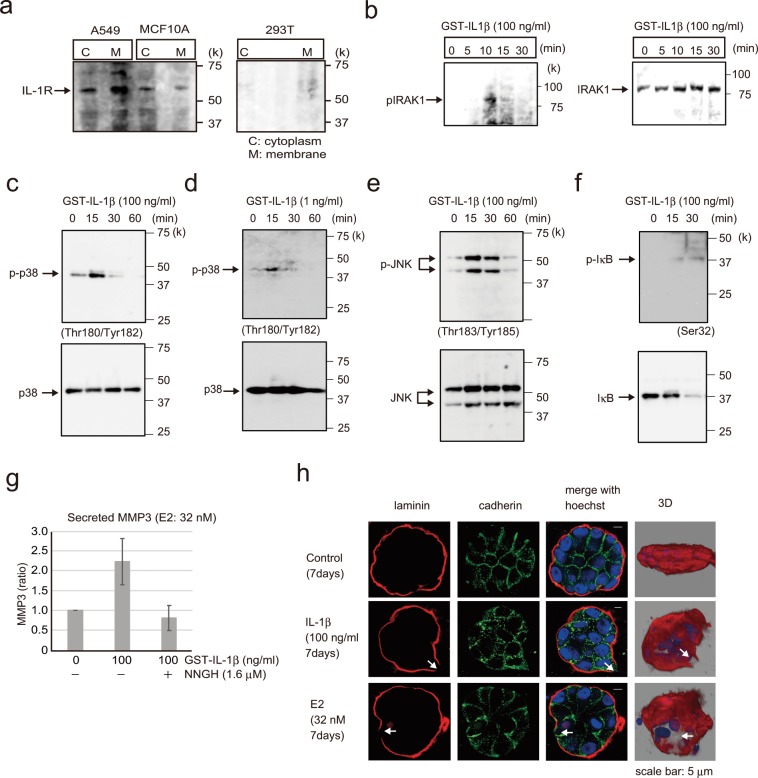
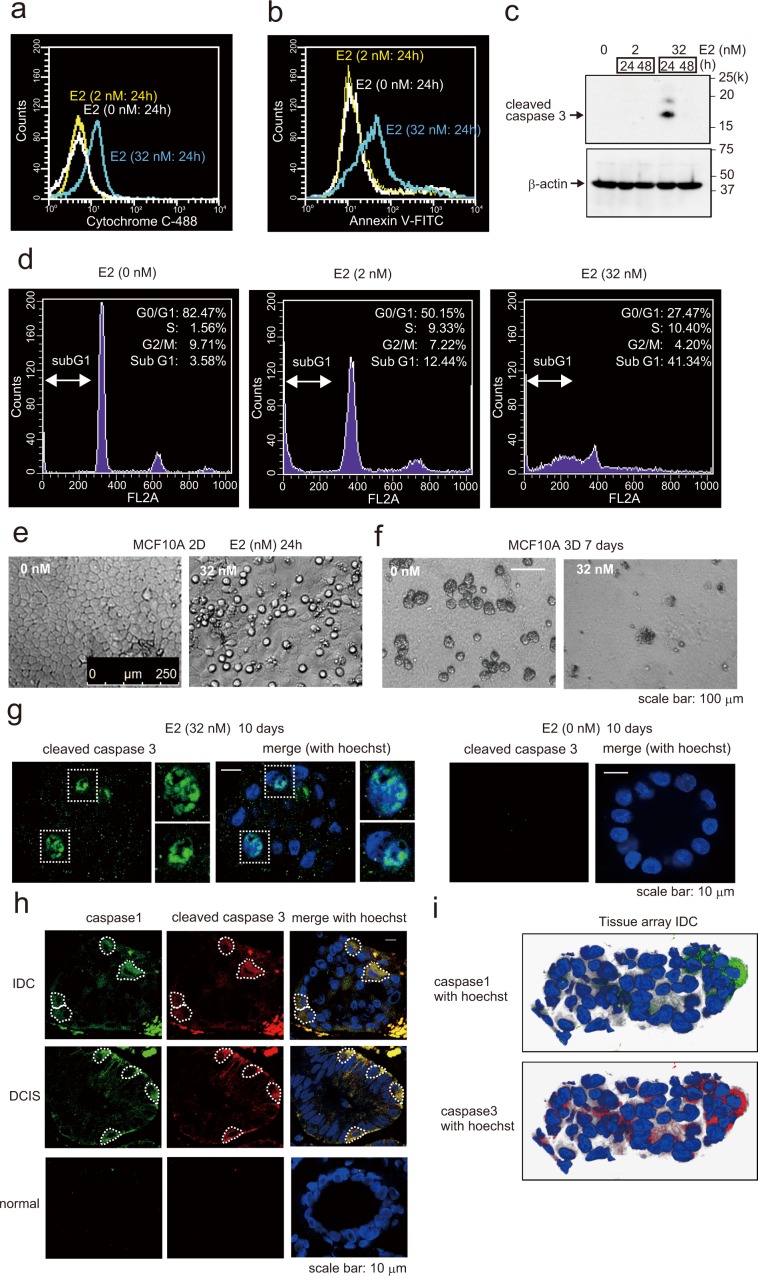
High estrogen concentration leads to an inflammatory reaction in the mammary gland tissue in vivo; however, the detailed mechanism underlying its specific effects on the breast duct has not been fully clarified. We used 3D-cultured MCF-10A acini as a breast duct model and demonstrated various deleterious effects of 17-β estradiol (E2), including the destruction of the basement membrane surrounding the acini, abnormal adhesion between cells, and cell death via apoptosis and pyroptosis. Moreover, we clarified the mechanism underlying these phenomena: E2 binds to GPER in MCF-10A cells and stimulates matrix metalloproteinase 3 (MMP-3) and interleukin-1β (IL-1β) secretion via JNK and p38 MAPK signaling pathways. IL-1β activates the IL-1R1 signaling pathway and induces continuous MMP-3 and IL-1β secretion. Collectively, our novel findings reveal an important molecular mechanism underlying the effects of E2 on the integrity of duct-like structures in vitro. Thus, E2 may act as a trigger for ductal carcinoma transition in situ.
高浓度的雌激素会导致体内乳腺组织发生炎症反应;然而,其对乳腺导管的具体作用的详细机制尚未完全阐明。我们使用三维培养的 MCF-10A 腺泡作为乳腺导管模型,证明了 17-β 雌二醇(E2)的各种有害作用,包括破坏围绕腺泡的基底膜、细胞间异常黏附以及通过细胞凋亡和细胞焦亡导致的细胞死亡。此外,我们阐明了这些现象的机制:E2 与 MCF-10A 细胞中的 GPER 结合,并通过 JNK 和 p38 MAPK 信号通路刺激基质金属蛋白酶 3(MMP-3)和白细胞介素-1β(IL-1β)的分泌。IL-1β 激活 IL-1R1 信号通路,并诱导持续的 MMP-3 和 IL-1β 分泌。总之,我们的新发现揭示了 E2 对体外类似导管结构完整性影响的重要分子机制。因此,E2 可能作为原位导管癌转化的触发因素。