Krapf Jill M, Mitchell Leia, Holton Michelle A, Goldstein Andrew T
The George Washington University, Washington, DC, USA.
The Centers for Vulvovaginal Disorders, Washington, DC, USA.
Int J Womens Health. 2020 Jan 15;12:11-20. doi: 10.2147/IJWH.S191200. eCollection 2020.
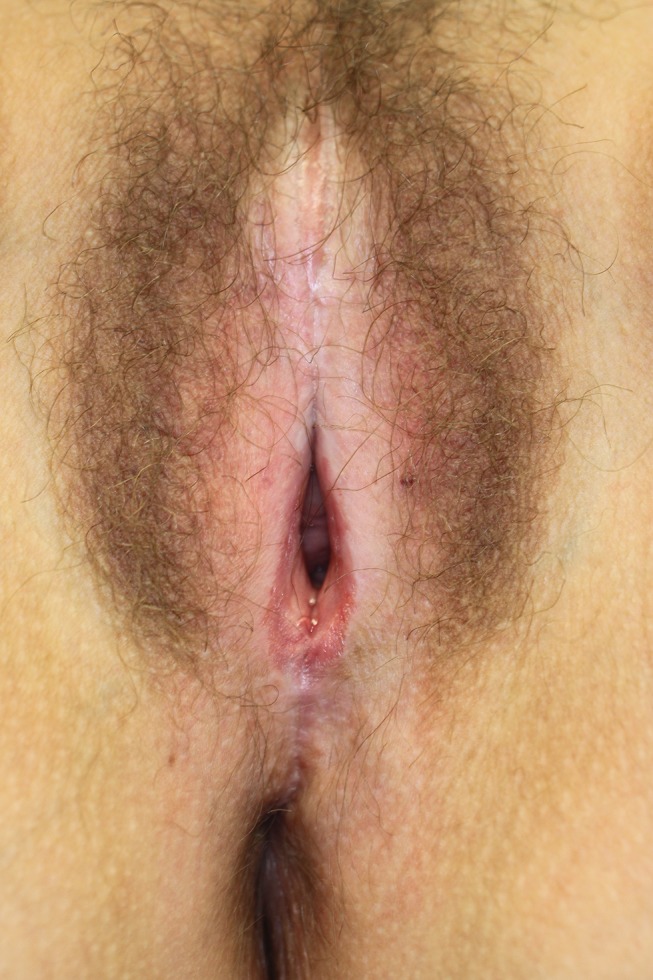
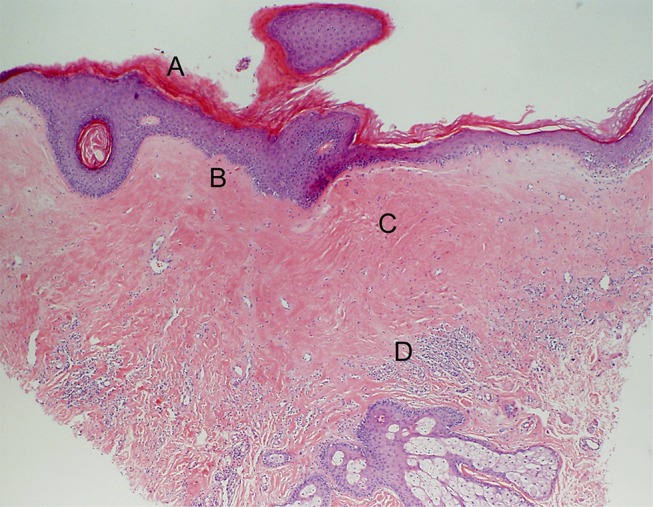
Vulvar lichen sclerosus (LS) is a chronic, inflammatory dermatosis that may lead to scarring of the vulva and sexual dysfunction. LS affects women of all ages and often goes unrecognized and underreported. Uncertainty continues to exist around its pathogenesis, histologic diagnosis, and treatment. However, there have been great advances in our understanding of autoimmunogenic targets in disease formation and progression. In addition, there has been recent investigation of potential non-steroid-based treatments, including platelet-rich plasma therapy and energy-based modalities such as the fractional CO laser, photodynamic therapy, and high intensity focused ultrasound. Refinement of surgical techniques for restoring vulvar anatomy and treating clitoral phimosis, introital stenosis, and vulvar granuloma fissuratum is leading to improved patient outcomes. This review summarizes current perspectives on the pathogenesis, symptomatology, diagnosis, and treatment for vulvar lichen sclerosus.
外阴硬化性苔藓(LS)是一种慢性炎症性皮肤病,可导致外阴瘢痕形成和性功能障碍。LS影响各年龄段女性,且常未被识别和报告不足。其发病机制、组织学诊断和治疗仍存在不确定性。然而,我们对疾病形成和进展中自身免疫原性靶点的理解有了很大进展。此外,最近对潜在的非甾体类治疗方法进行了研究,包括富血小板血浆疗法以及诸如分次二氧化碳激光、光动力疗法和高强度聚焦超声等能量疗法。修复外阴解剖结构以及治疗阴蒂粘连、阴道口狭窄和外阴裂隙性肉芽肿的手术技术不断改进,使患者预后得到改善。本综述总结了外阴硬化性苔藓发病机制、症状、诊断和治疗的当前观点。