Li Keke, Zhao Shuang, Long Jing, Su Juan, Wu Lisha, Tao Juan, Zhou Jianda, Zhang JiangLin, Chen Xiang, Peng Cong
1The Department of Dermatology, Xiangya Hospital, Central South University, 87 Xiangya Road, Changsha, Hunan China.
2Hunan Key Laboratory of Skin Cancer and Psoriasis, Xiangya Hospital, Central South University, Changsha, Hunan China.
Cancer Cell Int. 2020 Jan 30;20:36. doi: 10.1186/s12935-020-1114-5. eCollection 2020.
Melanoma is one of the most aggressive tumors with the remarkable characteristic of resistance to traditional chemotherapy and radiotherapy. Although targeted therapy and immunotherapy benefit advanced melanoma patient treatment, BRAFi (BRAF inhibitor) resistance and the lower response rates or severe side effects of immunotherapy have been observed, therefore, it is necessary to develop novel inhibitors for melanoma treatment.
We detected the cell proliferation of lj-1-59 in different melanoma cells by CCK 8 and colony formation assay. To further explore the mechanisms of lj-1-59 in melanoma, we performed RNA sequencing to discover the pathway of differential gene enrichment. Western blot and Q-RT-PCR were confirmed to study the function of lj-1-59 in melanoma.
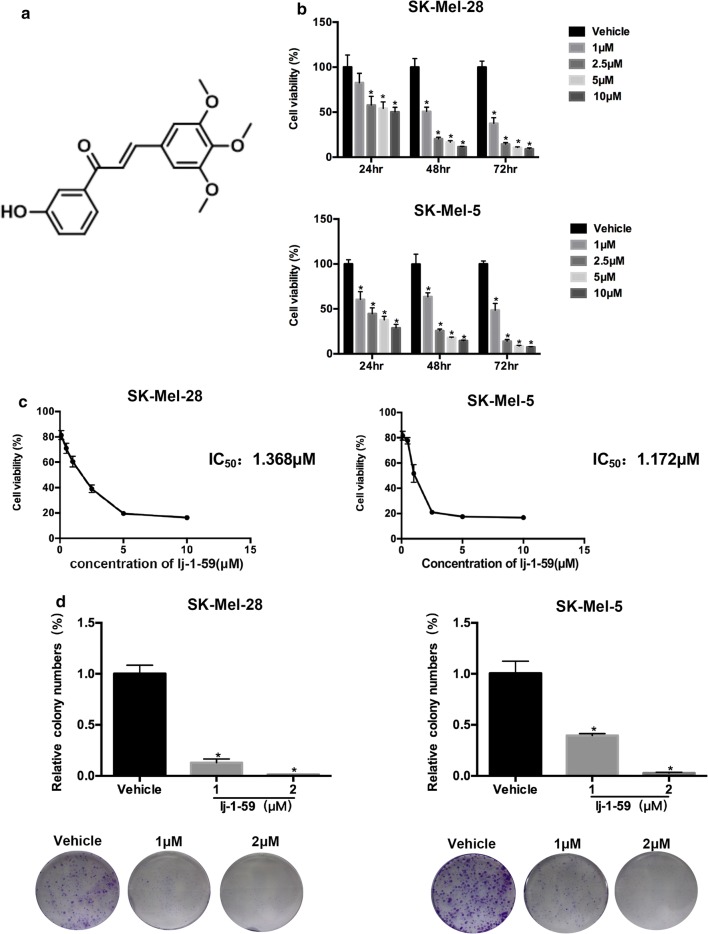
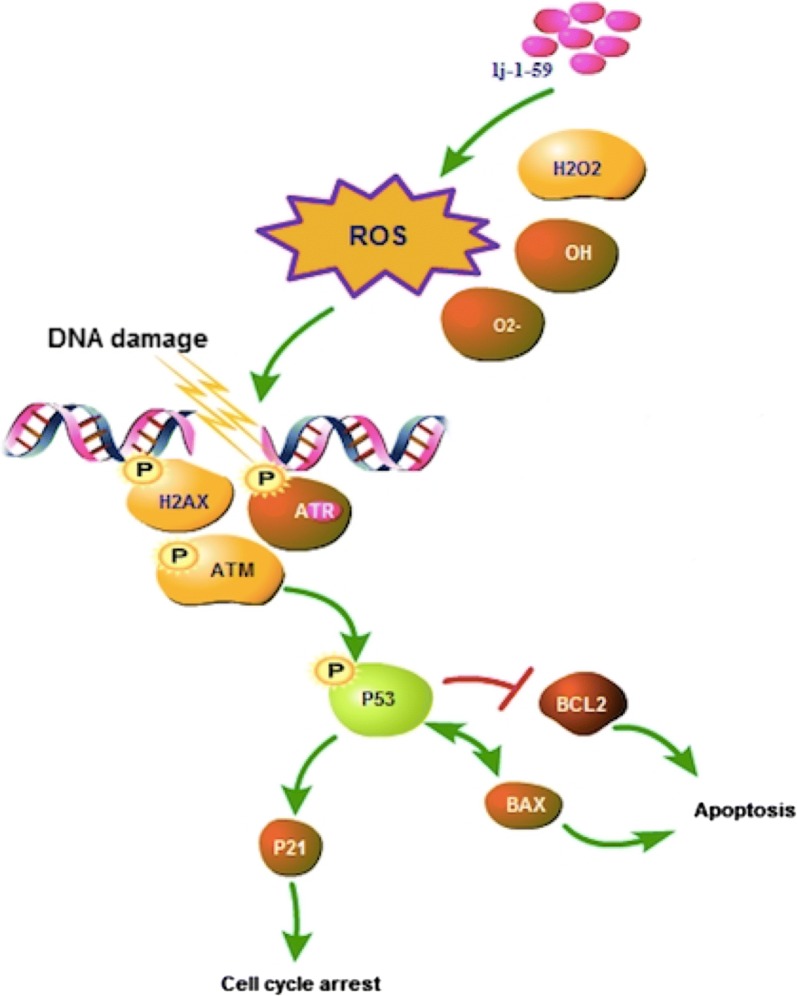
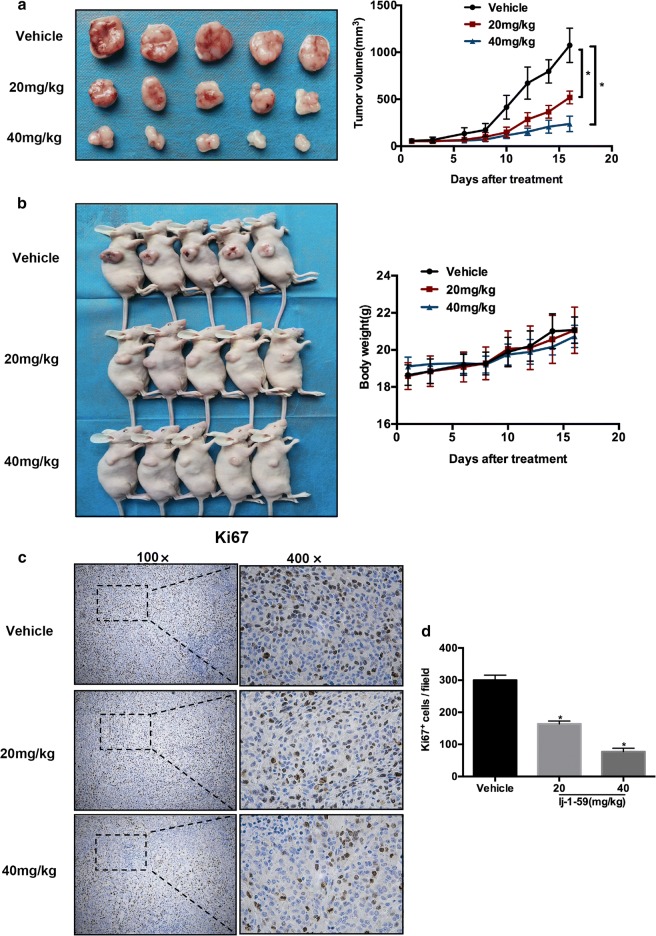
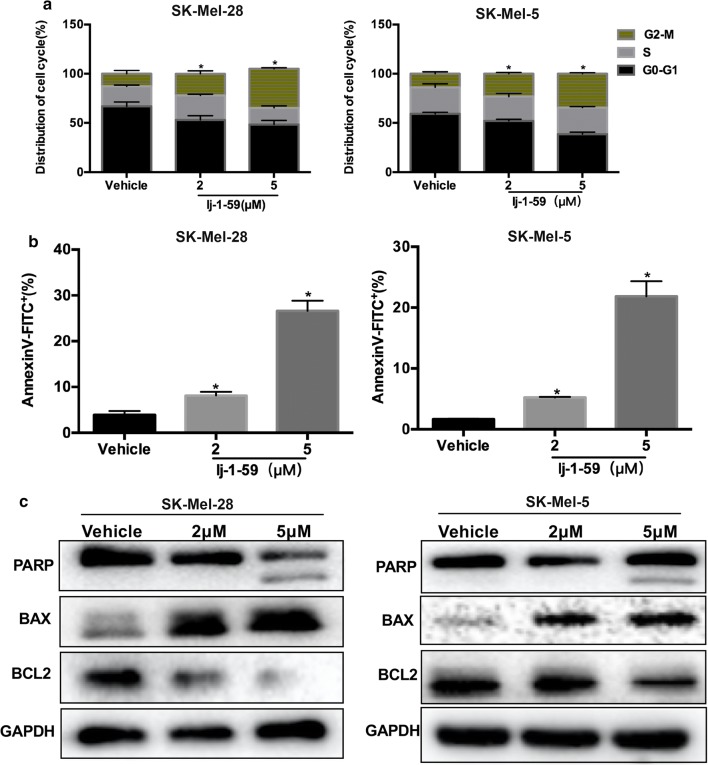
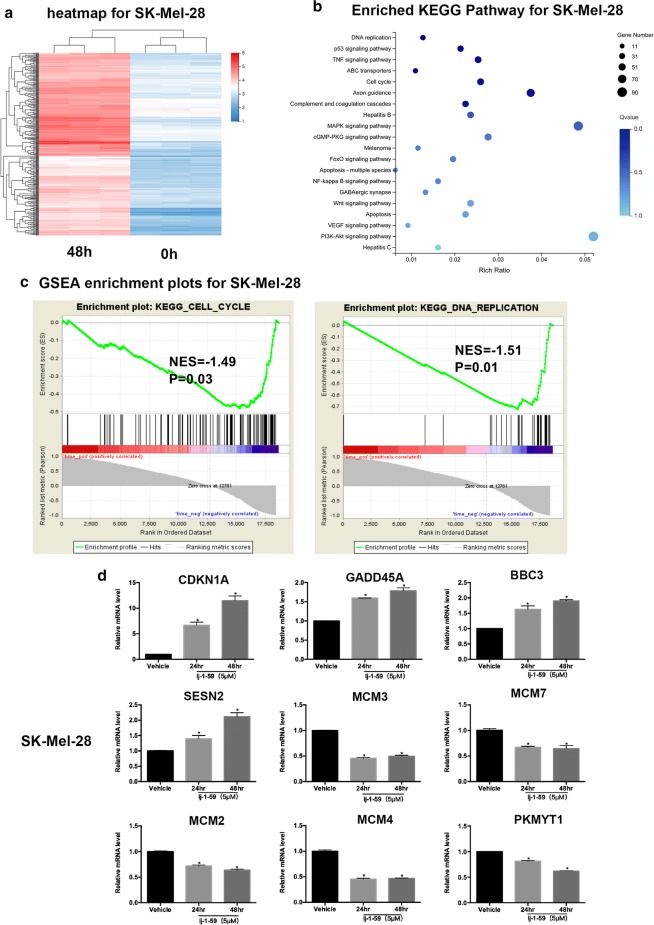
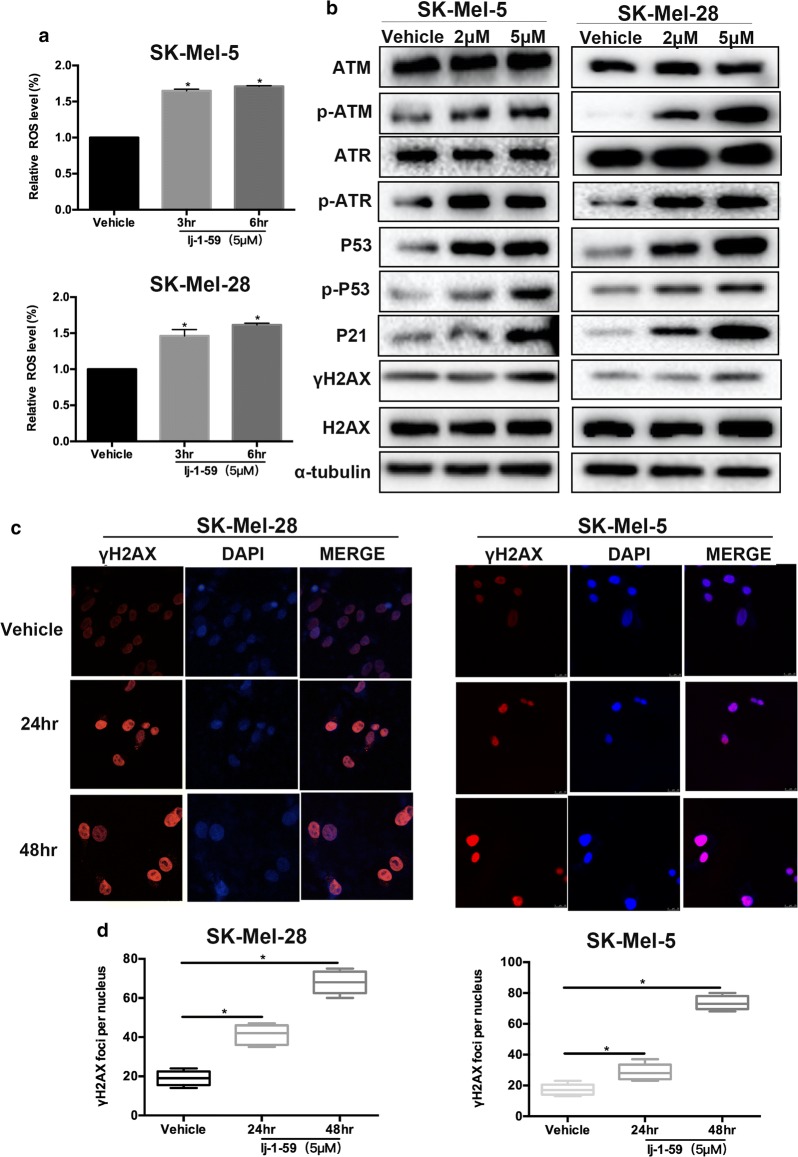
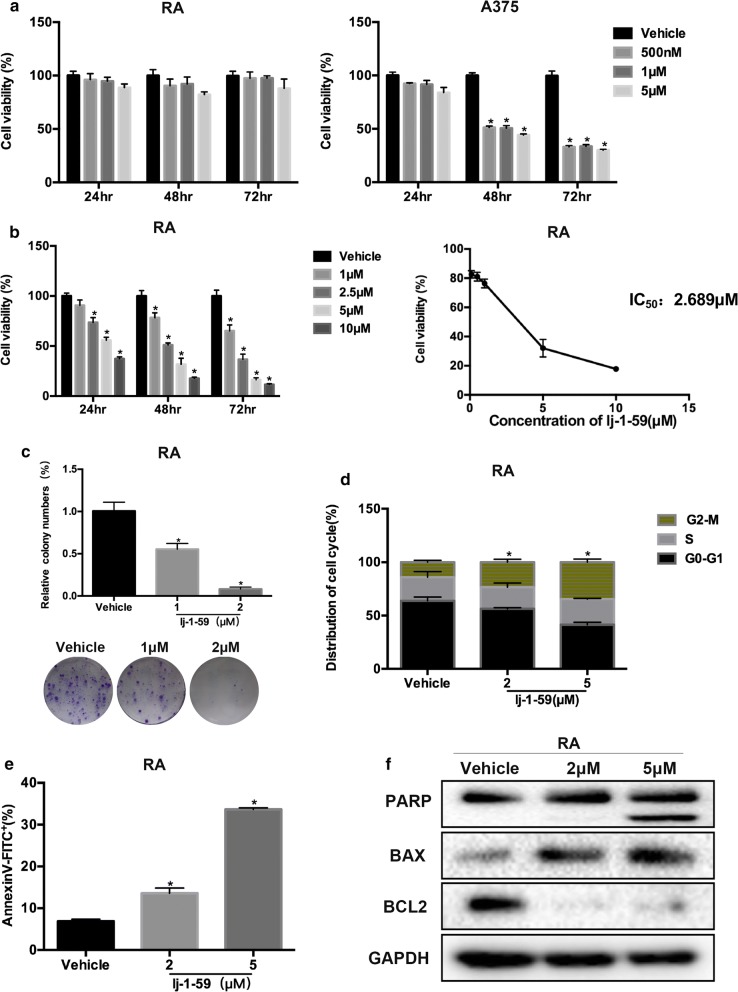
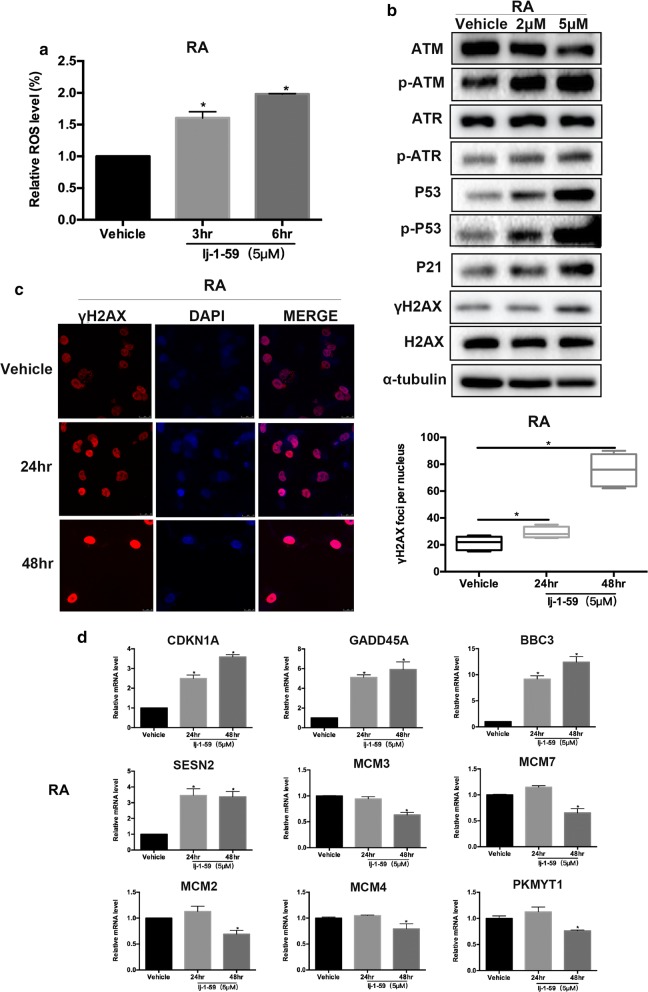
We found that lj-1-59 inhibits melanoma cell proliferation in vitro and in vivo, induces cell cycle arrest at the G2/M phase and promotes apoptosis in melanoma cell lines. Furthermore, RNA-Seq was performed to study alterations in gene expression profiles after treatment with lj-1-59 in melanoma cells, revealing that this compound regulates various pathways, such as DNA replication, P53, apoptosis and the cell cycle. Additionally, we validated the effect of lj-1-59 on key gene expression alterations by Q-RT-PCR. Our findings showed that lj-1-59 significantly increases ROS (reactive oxygen species) products, leading to DNA toxicity in melanoma cell lines. Moreover, lj-1-59 increases ROS levels in BRAFi -resistant melanoma cells, leading to DNA damage, which caused G2/M phase arrest and apoptosis.
Taken together, we found that lj-1-59 treatment inhibits melanoma cell growth by inducing apoptosis and DNA damage through increased ROS levels, suggesting that this compound is a potential therapeutic drug for melanoma treatment.
黑色素瘤是最具侵袭性的肿瘤之一,具有对传统化疗和放疗耐药的显著特征。尽管靶向治疗和免疫疗法使晚期黑色素瘤患者的治疗受益,但已观察到BRAFi(BRAF抑制剂)耐药以及免疫疗法的较低反应率或严重副作用,因此,有必要开发用于黑色素瘤治疗的新型抑制剂。
我们通过CCK 8和集落形成试验检测了lj-1-59在不同黑色素瘤细胞中的细胞增殖情况。为了进一步探究lj-1-59在黑色素瘤中的作用机制,我们进行了RNA测序以发现差异基因富集的途径。通过蛋白质免疫印迹法和定量逆转录-聚合酶链反应进行验证,以研究lj-1-59在黑色素瘤中的功能。
我们发现lj-1-59在体外和体内均能抑制黑色素瘤细胞增殖,诱导细胞周期停滞于G2/M期,并促进黑色素瘤细胞系的凋亡。此外,进行RNA测序以研究用lj-1-59处理黑色素瘤细胞后基因表达谱的变化,结果表明该化合物调节多种途径,如DNA复制、P53、凋亡和细胞周期。此外,我们通过定量逆转录-聚合酶链反应验证了lj-1-59对关键基因表达变化的影响。我们的研究结果表明,lj-1-59显著增加活性氧(ROS)产物,导致黑色素瘤细胞系中的DNA毒性。此外,lj-1-59增加BRAFi耐药黑色素瘤细胞中的ROS水平,导致DNA损伤,进而引起G2/M期停滞和凋亡。
综上所述,我们发现lj-1-59治疗通过增加ROS水平诱导凋亡和DNA损伤来抑制黑色素瘤细胞生长,表明该化合物是一种用于黑色素瘤治疗的潜在治疗药物。