Biittner K M, Sawchuk E A, Miller J M, Werner J J, Bushozi P M, Willoughby P R
1MacEwan University, Edmonton, Canada.
2University of Toronto, Toronto, Canada.
Afr Archaeol Rev. 2017;34(2):275-295. doi: 10.1007/s10437-017-9253-3. Epub 2017 May 27.
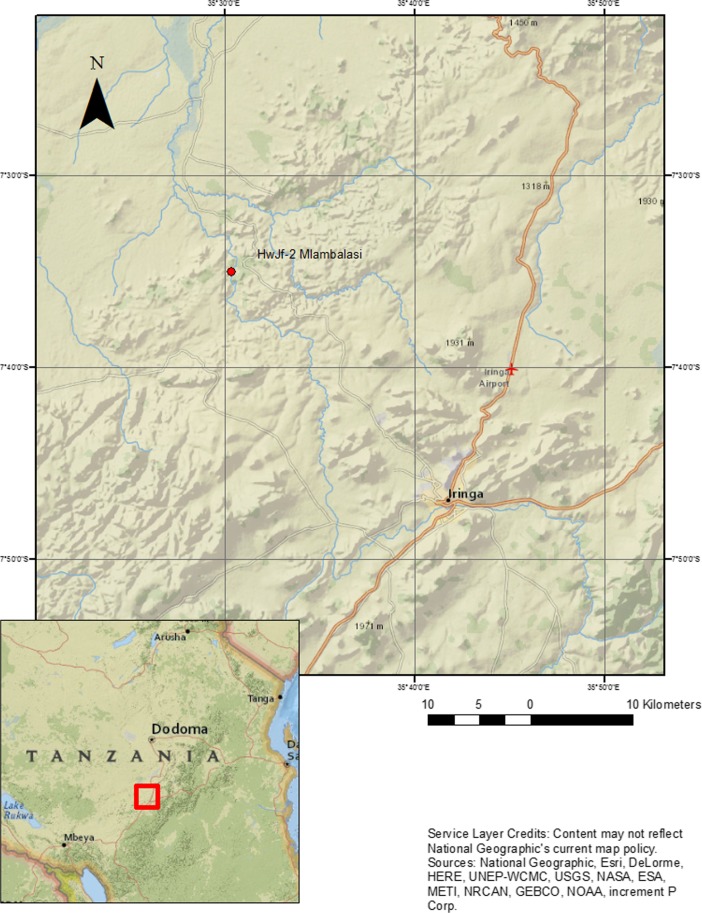
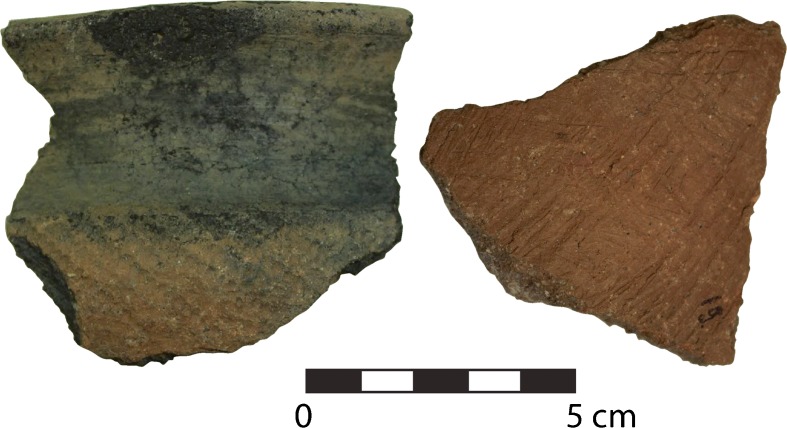
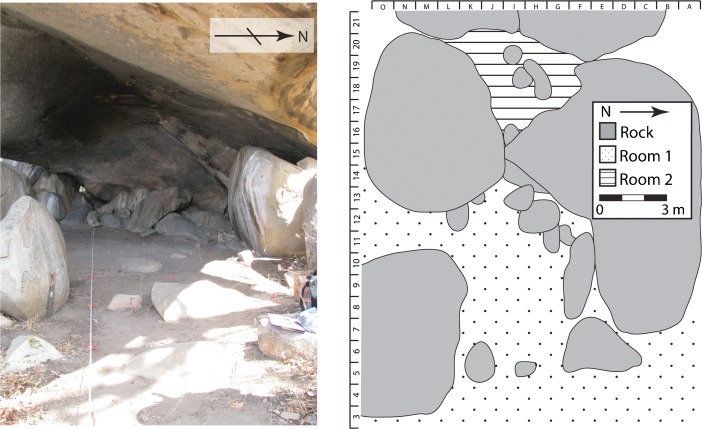
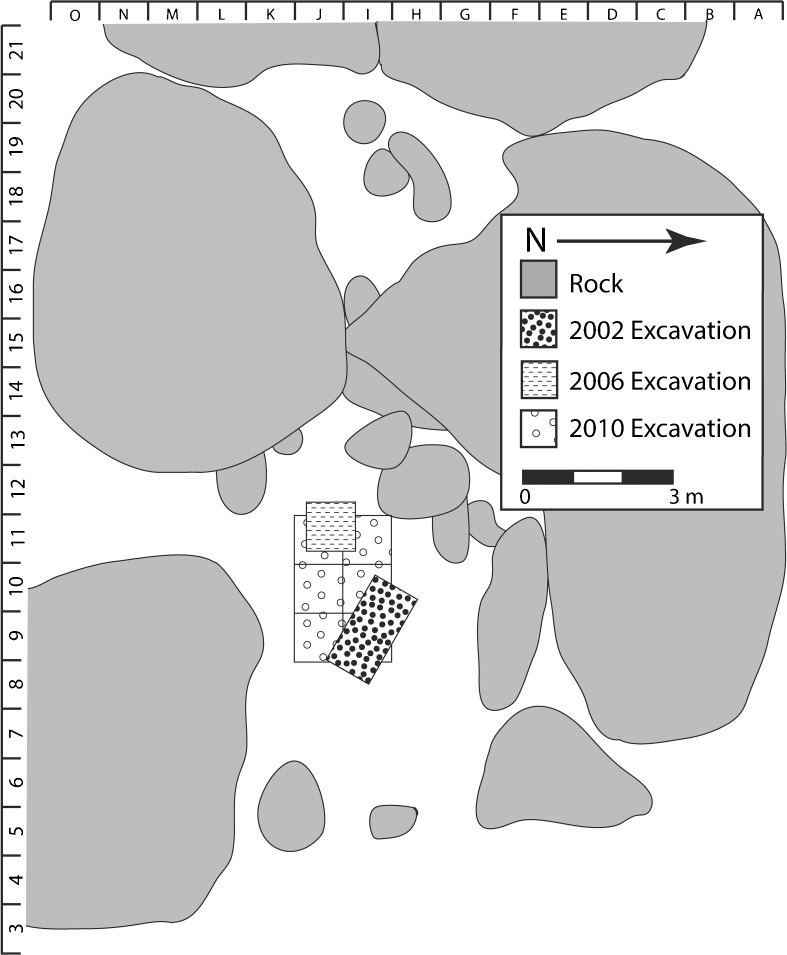
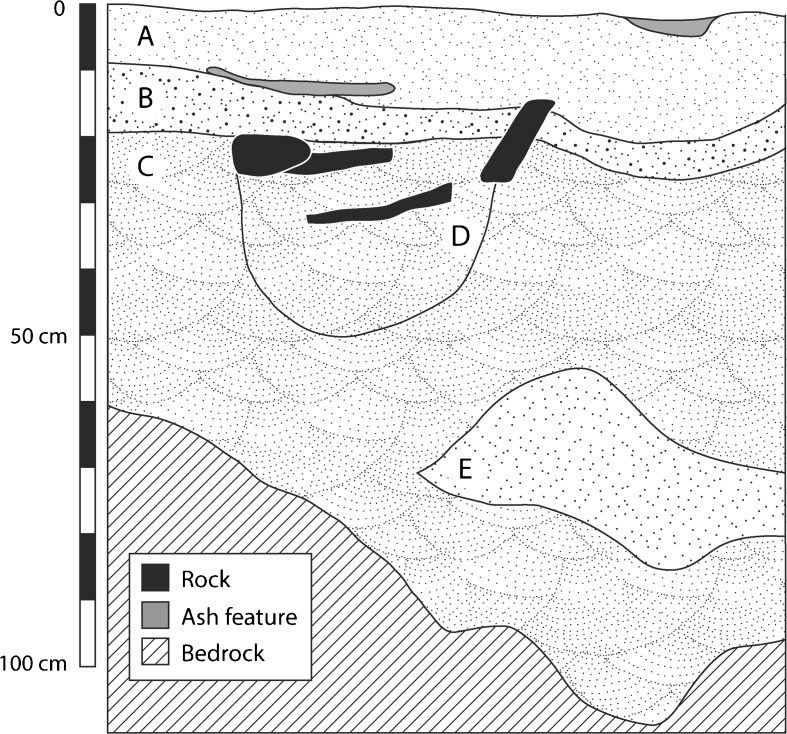
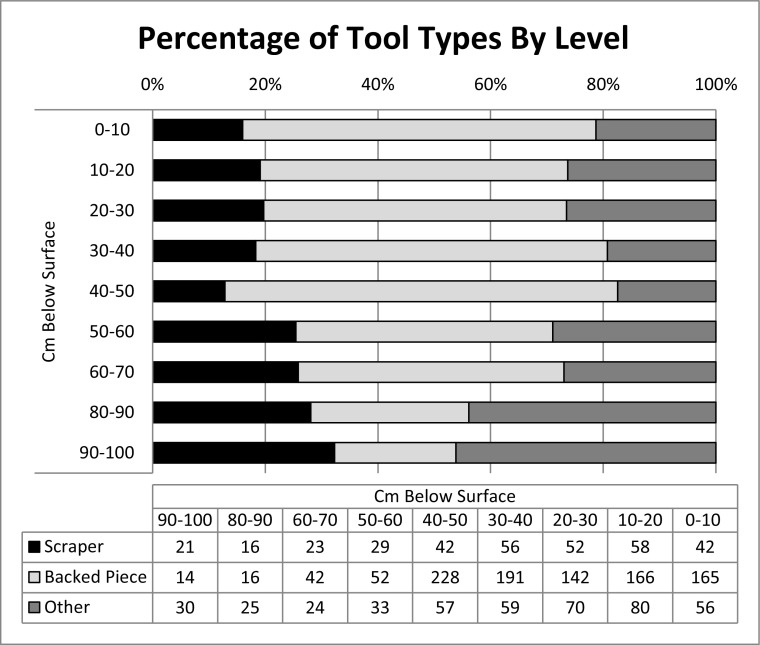
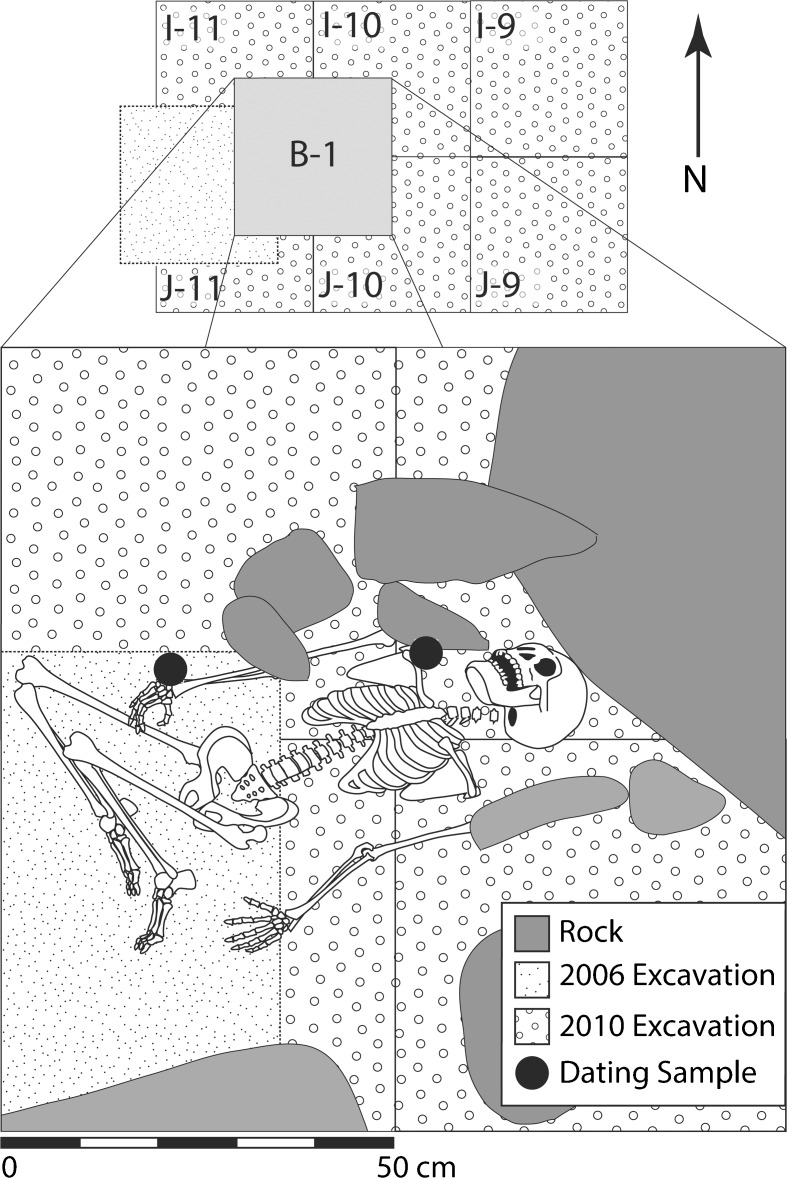
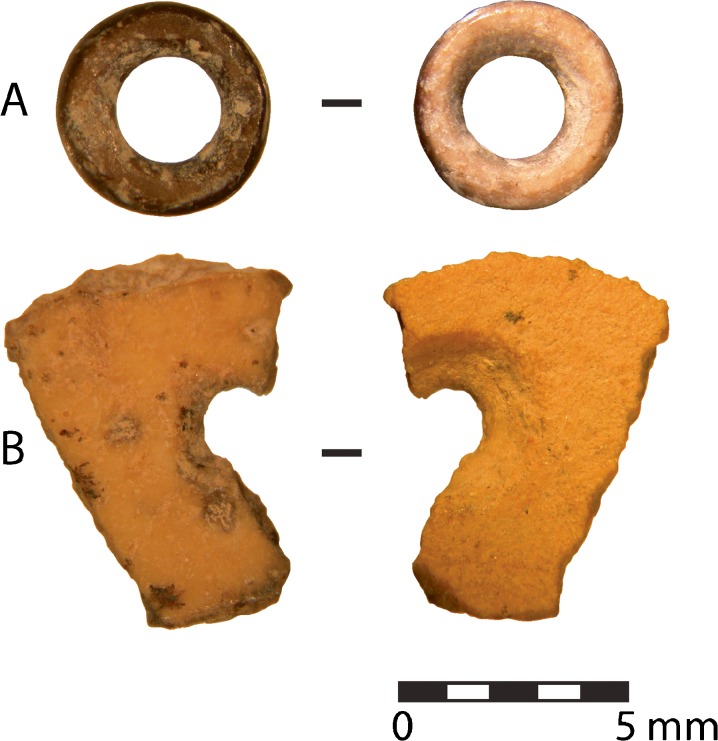
The Mlambalasi rockshelter in the Iringa Region of southern Tanzania has rich artifactual deposits spanning the Later Stone Age (LSA), Iron Age, and historic periods. Middle Stone Age (MSA) artifacts are also present on the slope in front of the rockshelter. Extensive, systematic excavations in 2006 and 2010 by members of the Iringa Region Archaeological Project (IRAP) illustrate a complex picture of repeated occupations and reuse of the rockshelter during an important time in human history. Direct dates on shell and ostrich eggshell (OES) beads suggest that the earliest occupation levels excavated at Mlambalasi, which are associated with human burials, are terminal Pleistocene in age. This is exceptional given the rarity of archaeological sites, particularly those with human remains and other preserved organic material, from subtropical Africa between 200,000 and 10,000 years before present. This paper reports on the excavations to date and analysis of artifactual finds from the site. The emerging picture is one of varied, ephemeral use over millennia as diverse human groups were repeatedly attracted to this fixed feature on the landscape.
位于坦桑尼亚南部伊林加地区的姆兰巴拉西岩棚拥有丰富的人工制品沉积物,涵盖了晚石器时代(LSA)、铁器时代和历史时期。中石器时代(MSA)的人工制品也出现在岩棚前的斜坡上。2006年和2010年,伊林加地区考古项目(IRAP)的成员进行了广泛、系统的发掘,揭示了人类历史上一个重要时期该岩棚被反复占据和重新利用的复杂情况。对贝壳和鸵鸟蛋壳(OES)珠子的直接测年表明,在姆兰巴拉西发掘出的与人类墓葬相关的最早居住层年代为晚更新世。考虑到距今20万年至1万年前亚热带非洲考古遗址的稀缺性,尤其是那些有人类遗骸和其他保存有机材料的遗址,这一发现尤为特殊。本文报告了迄今为止的发掘情况以及对该遗址人工制品发现的分析。呈现出一幅在数千年间多样、短暂利用的图景,不同的人类群体不断被这片土地上这个固定的特征所吸引。