Liu Tong, Huang Ying, Chen Xiang-Xiang, Long Xi, Yang Yun-He, Zhu Ming-Liang, Mo Ming-He, Zhang Ke-Qin
State Key Laboratory for Conservation and Utilization of Bio-Resources in Yunnan, Yunnan University, Kunming, China.
Yunnan of China National Tobacco Corporation, Kunming, China.
Front Microbiol. 2020 Jan 23;10:3143. doi: 10.3389/fmicb.2019.03143. eCollection 2019.
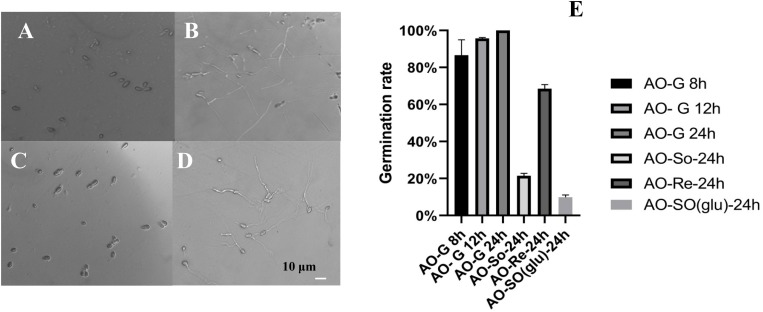
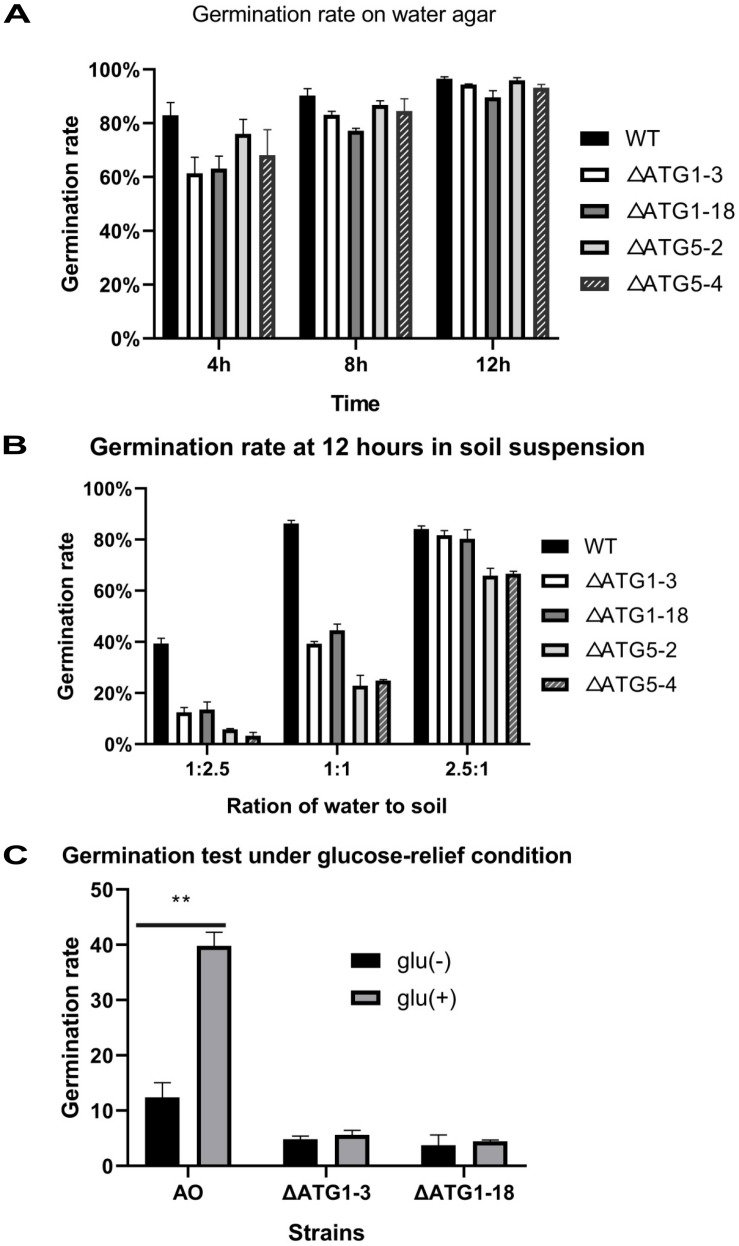
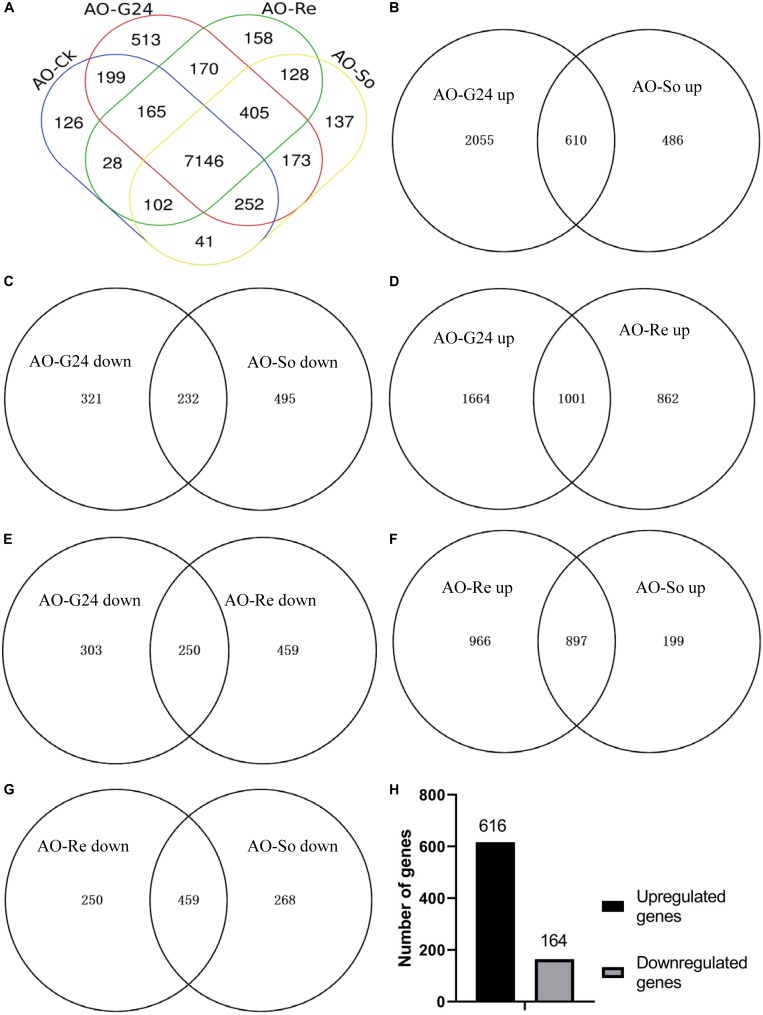
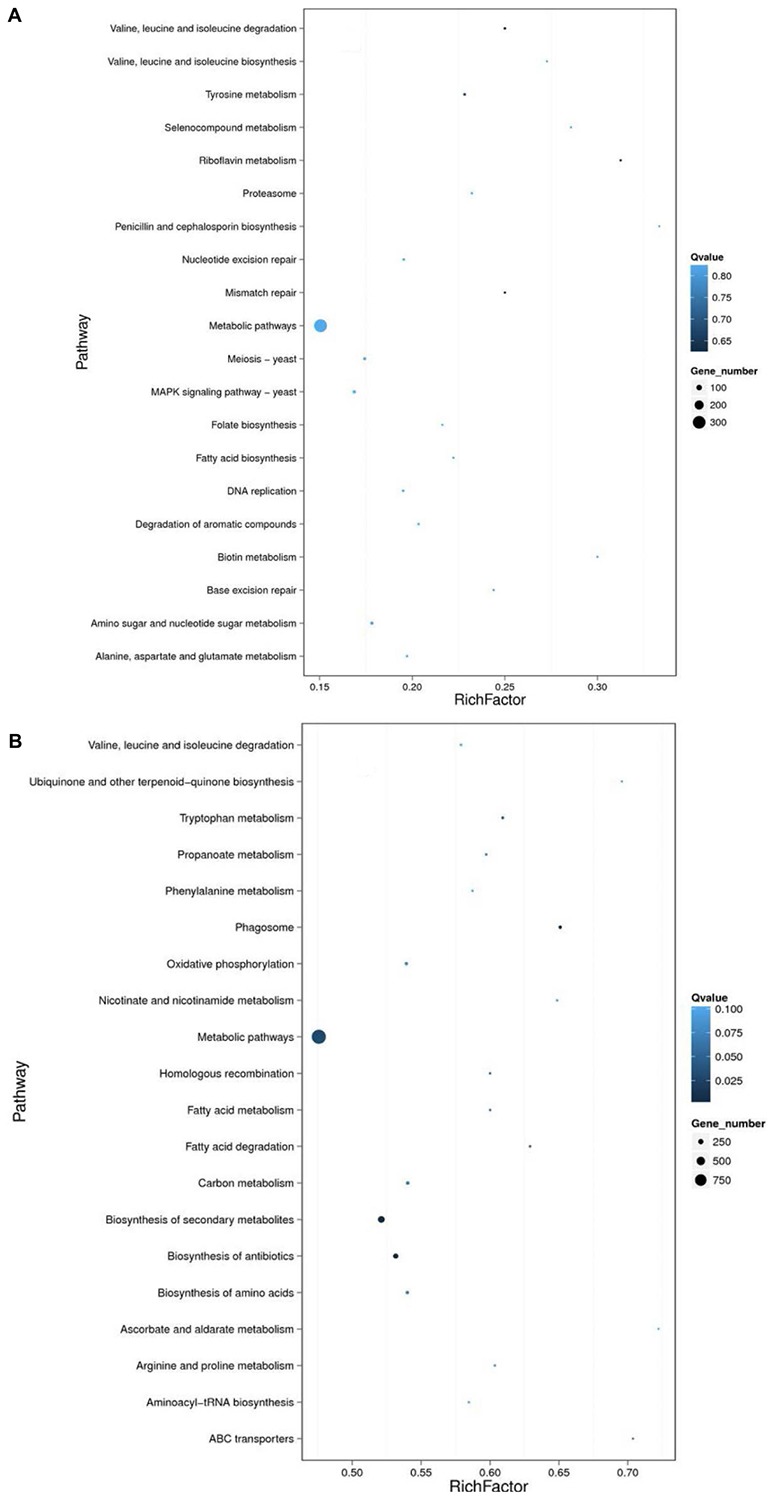
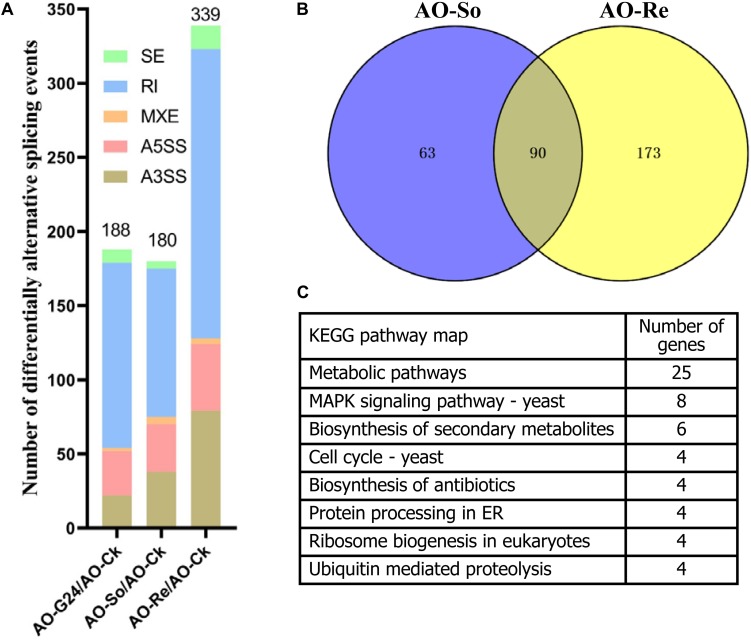
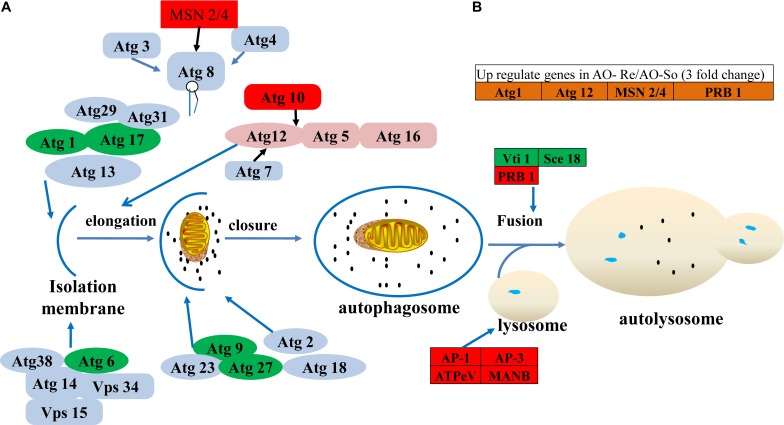
Soil-borne pest diseases result in large annual agricultural losses globally. Fungal bio-control agents are an alternative means of controlling pest diseases; however, soil fungistasis limits the effect of fungal agents. Nutrients can relieve soil fungistasis, but the mechanisms behind this process remain poorly understood. In this study, we determined and quantified the transcriptomes of , a nematode-trapping fungus, derived from samples of fresh conidia, germinated conidia, soil fungistatic conidia, and glucose-relieved conidia. The transcriptomes of fungistatic and glucose-relieved conidia were significantly different from those of the other two conidia samples. KEGG pathway analyses showed that those genes upregulated in fungistatic and glucose-relieved conidia were mainly involved in translation and substance metabolism, and the downregulated genes were mainly involved in MAPK pathway, autophagy, mitophagy, and endocytosis. As being different from the transcriptome of fungistatic conidia, upregulated genes in the transcriptome of glucose-relieved conidia are also related to replication and repair, spliceosome, oxidative phosphorylation, autophagy, and degradation pathway (lysosome, proteasome, and RNA degradation). And the upregulated genes resulted from comparison of glucose-relieved conidia and fungistatic conidia were enriched in metabolic pathways, cycle, DNA replication, and repair. The differentially splicing events in the transcriptome of glucose-relieved conidia are far more than that of other two transcriptomes, and genes regulated by differentially splicing were analyzed through KEGG pathway analysis. Furthermore, autophagy genes were proved to play important role in resisting soil fungistasis and glucose-mediated soil fungistasis relief. These data indicate that, in addition to being a carbon and energy source for conidia germination, glucose may also help to relieve soil fungistasis by activating many cellular processes, including autophagy, DNA replication and repair, RNA alternative splicing, and degradation pathways.
土传病虫害在全球范围内每年都会给农业造成巨大损失。真菌生物防治剂是控制病虫害的一种替代手段;然而,土壤真菌抑菌作用限制了真菌制剂的效果。养分可以缓解土壤真菌抑菌作用,但这一过程背后的机制仍知之甚少。在本研究中,我们测定并定量了捕食线虫真菌在新鲜分生孢子、萌发分生孢子、土壤抑菌分生孢子和葡萄糖缓解分生孢子样本中的转录组。抑菌分生孢子和葡萄糖缓解分生孢子的转录组与其他两个分生孢子样本的转录组有显著差异。KEGG通路分析表明,在抑菌分生孢子和葡萄糖缓解分生孢子中上调的基因主要参与翻译和物质代谢,而下调的基因主要参与MAPK通路、自噬、线粒体自噬和胞吞作用。与抑菌分生孢子的转录组不同,葡萄糖缓解分生孢子转录组中上调的基因还与复制和修复、剪接体、氧化磷酸化、自噬和降解途径(溶酶体、蛋白酶体和RNA降解)有关。葡萄糖缓解分生孢子与抑菌分生孢子比较产生的上调基因在代谢途径、循环、DNA复制和修复中富集。葡萄糖缓解分生孢子转录组中的差异剪接事件远多于其他两个转录组,并通过KEGG通路分析对差异剪接调控的基因进行了分析。此外,自噬基因被证明在抵抗土壤真菌抑菌作用和葡萄糖介导的土壤真菌抑菌作用缓解中起重要作用。这些数据表明,葡萄糖除了作为分生孢子萌发的碳源和能源外,还可能通过激活包括自噬、DNA复制和修复、RNA可变剪接和降解途径在内的许多细胞过程来帮助缓解土壤真菌抑菌作用。