Stanciu Mariana Domnica, Sova Daniela, Savin Adriana, Ilias Nicolae, Gorbacheva Galina A
Department of Mechanical Engineering, Faculty of Mechanical Engineering, Transilvania University of Brașov, B-dul Eroilor 29, 500036 Brașov, Romania.
National Institute of Research and Development for Technical Physics, B-dul Mangeron 47, 700050 Iasi, Romania.
Polymers (Basel). 2020 Feb 7;12(2):377. doi: 10.3390/polym12020377.
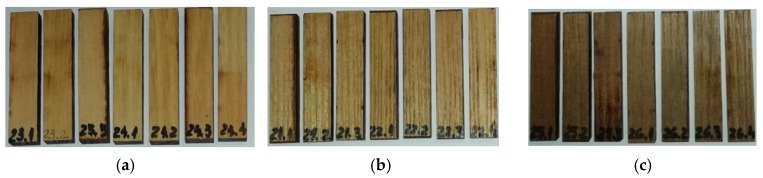
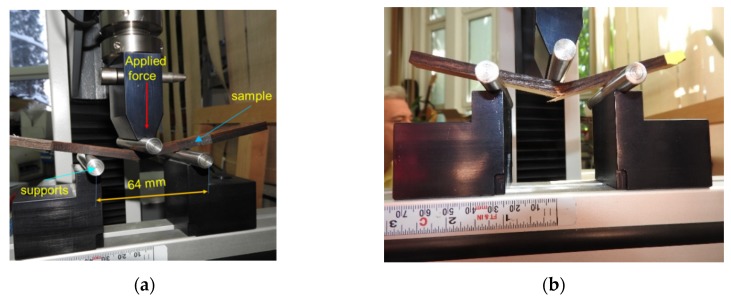
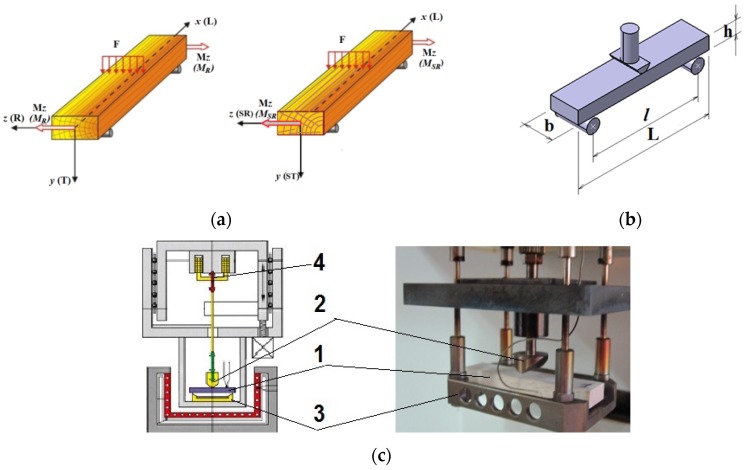
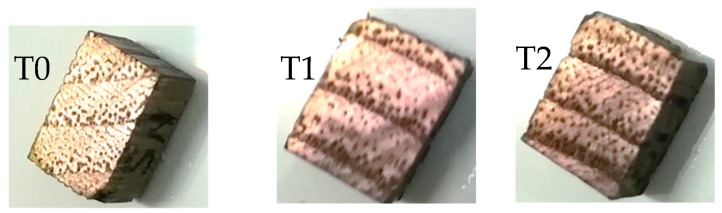
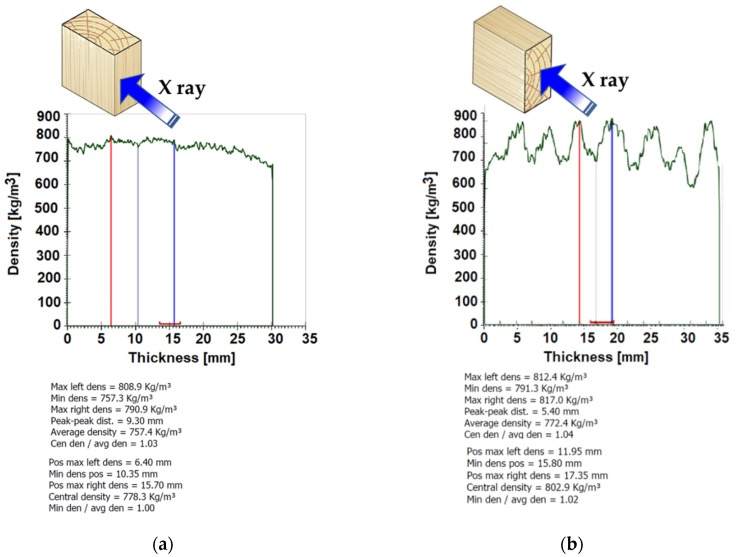
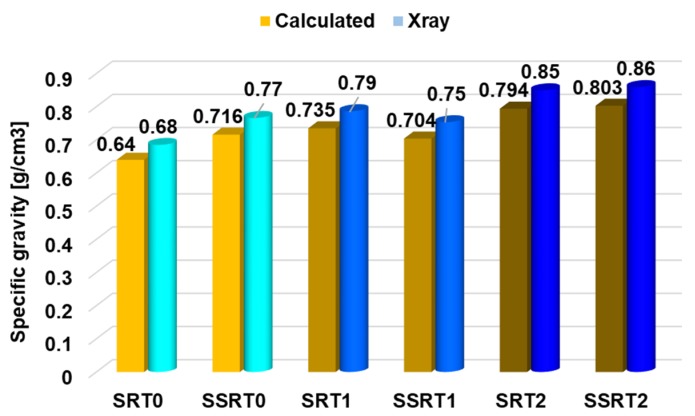
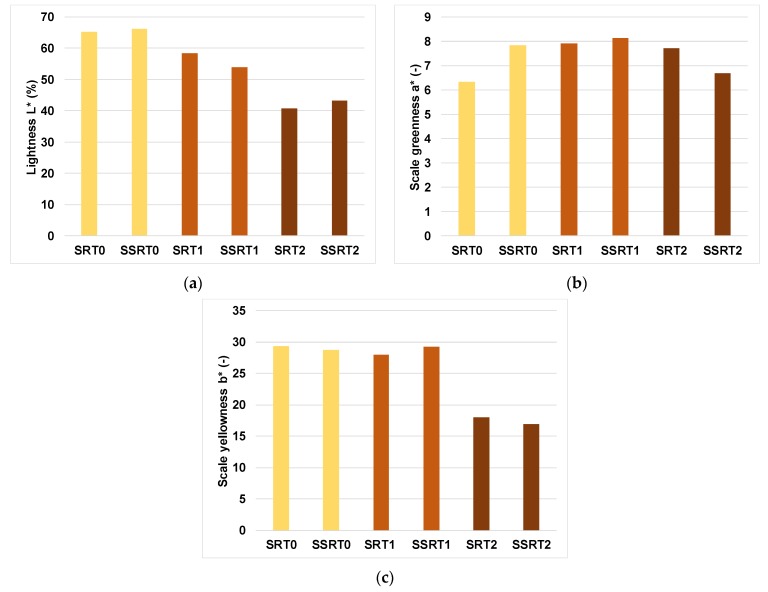
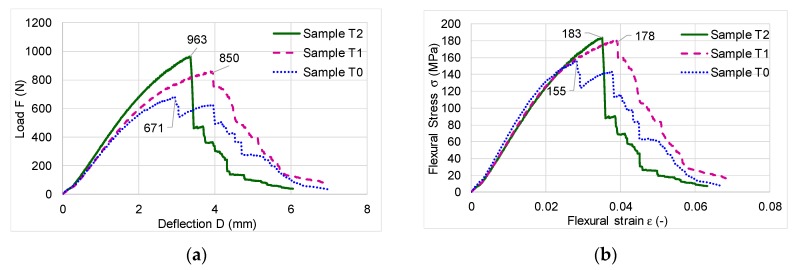
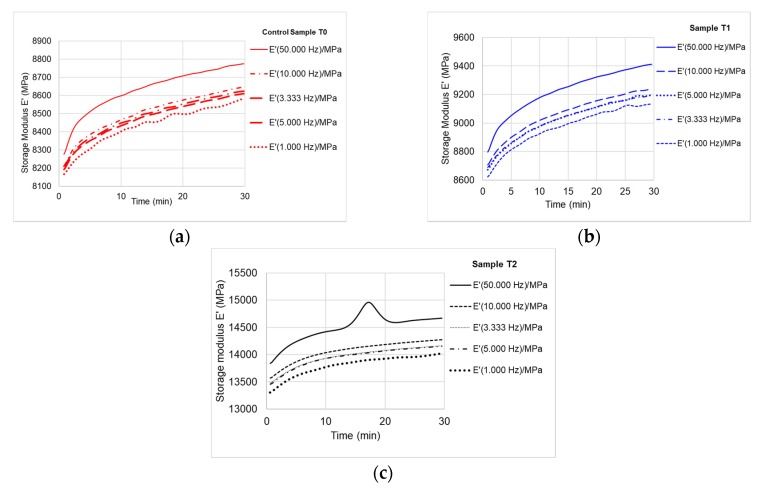
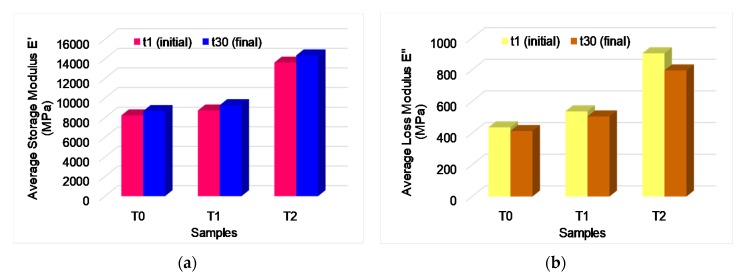
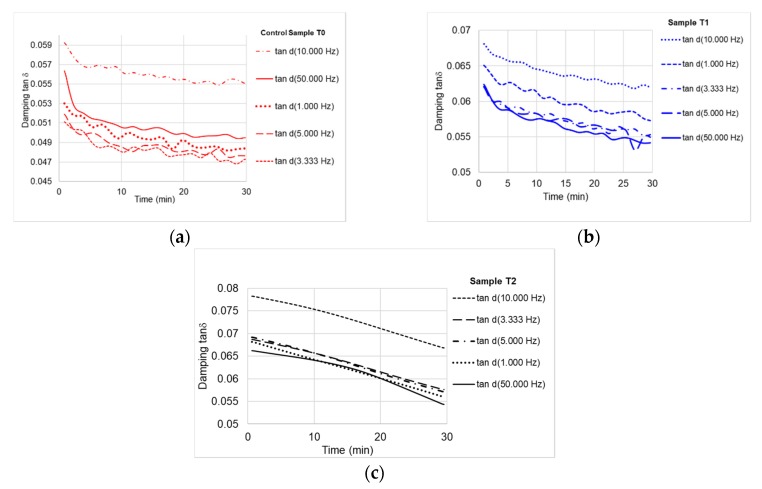
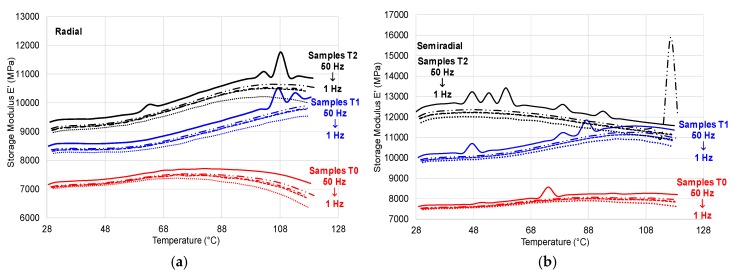
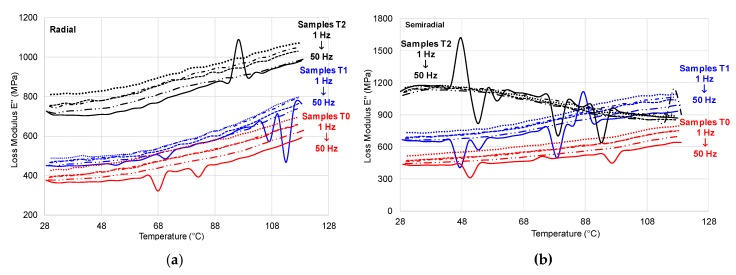
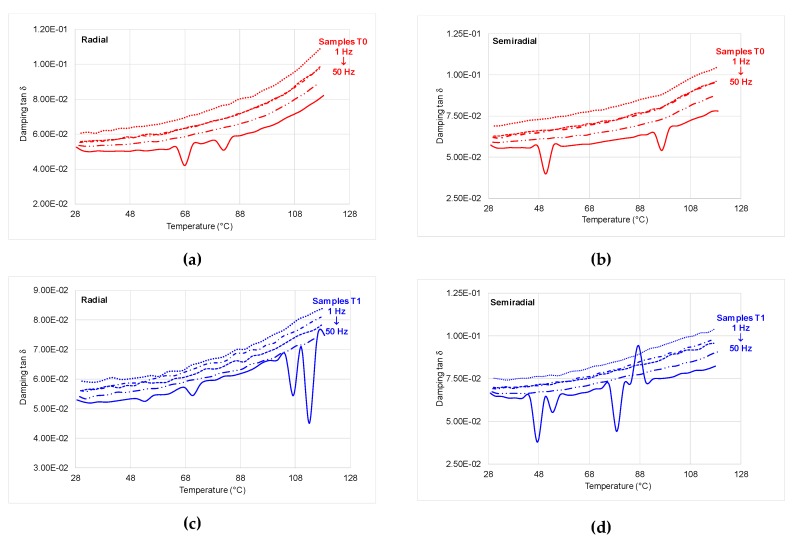
Because of the uneven colour of black locust wood, different technologies are used to change the colour, the bestknown being chemical and thermal treatments. Some of them affect the mechanical properties of wood, such as elasticity modulus, strength, durability. This study aims to compare the physical and mechanical properties of black locust wood control samples and treated wood samples with ammonia hydroxide, in terms of density profile, colour values (CIE *, *, *), mechanical properties of samples subjected to static bending, viscous-elastic properties (storage modulus ('), loss modulus (") and damping (tan)).Two types of ammonia-fuming treatment were applied on samples: first treatment T1-5% concentration of ammonia hydroxide for 30 days; second treatment T2-10% concentration for 60 days. The results highlighted the following aspects: the overall colour change in the case of the second treatment is 27% in comparison with 7% recorded for the control samples; the lightness and yellowness values are the most affected by the second ammonia treatment of black locust wood. The density increased with almost 20% due to ammonium fuming (10% concentration/60 days); in case of static bending, the elastic modulus (MOE) tends to decrease with increasing the exposure time to ammonium, but the modulus of rupture (MOR) increases with almost 17% and the breaking force increases too, with almost 41%. In the case of dynamic mechanical analysis, the temperature leads to different viscous-elastic behaviour of each type of samples.
由于刺槐木材颜色不均,人们采用了不同技术来改变其颜色,其中最知名的是化学和热处理。其中一些技术会影响木材的机械性能,如弹性模量、强度和耐久性。本研究旨在比较刺槐木材对照样品与用氢氧化铵处理过的木材样品在密度分布、颜色值(CIE 、、*)、承受静态弯曲的样品的机械性能、粘弹性性能(储能模量(')、损耗模量(")和阻尼(tan))方面的物理和机械性能。对样品进行了两种类型的氨熏处理:第一种处理T1——5%浓度的氢氧化铵处理30天;第二种处理T2——10%浓度处理60天。结果突出了以下方面:与对照样品记录的7%相比,第二种处理情况下的整体颜色变化为27%;刺槐木材的第二次氨处理对明度和黄度值影响最大。由于氨熏(10%浓度/60天),密度增加了近20%;在静态弯曲情况下,弹性模量(MOE)倾向于随着铵暴露时间的增加而降低,但断裂模量(MOR)增加了近17%,断裂力也增加了近41%。在动态力学分析中,温度导致每种类型样品呈现不同的粘弹性行为。