Chen Qi, Ji Chunyan, Zheng Ruihe, Yang Longhe, Ren Jie, Li Yitian, Han Yun, Zhou Pan, Liu Zuguo, Qiu Yan
Eye Institute of Xiamen University, Fujian Provincial Key Laboratory of Ophthalmology and Visual Science, School of Medicine, Xiamen University, Xiamen, China.
Department of Ophthalmology, Xiang'an Hospital of Xiamen University, Xiamen, China.
Front Pharmacol. 2020 Jan 28;10:1622. doi: 10.3389/fphar.2019.01622. eCollection 2019.
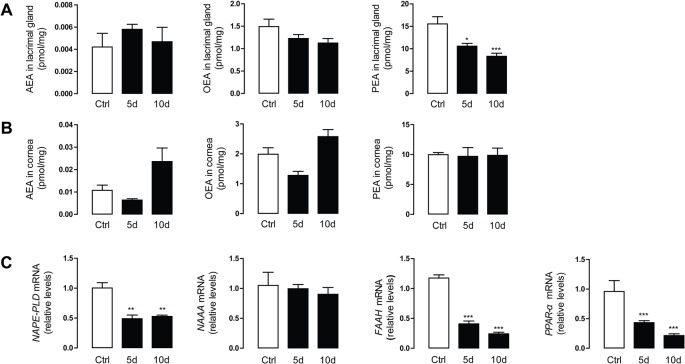
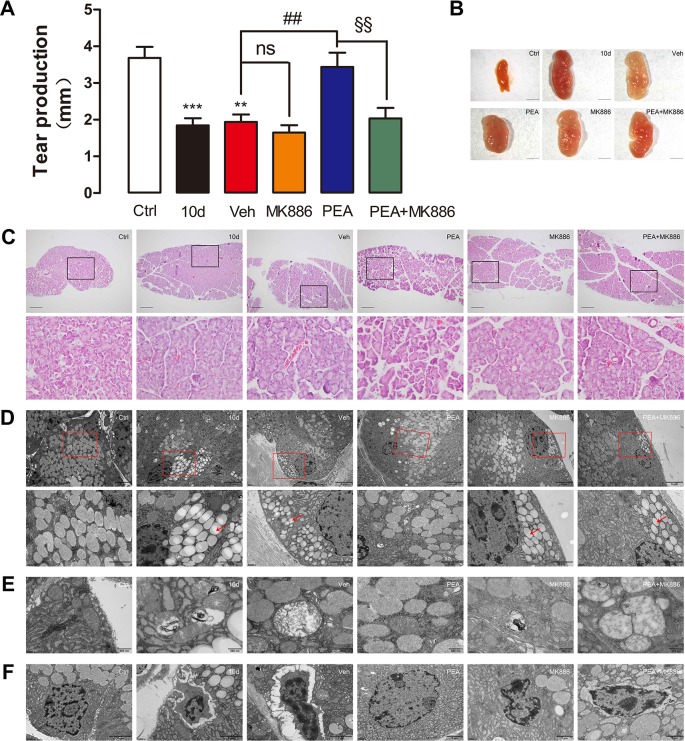
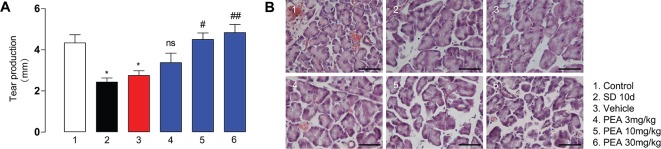
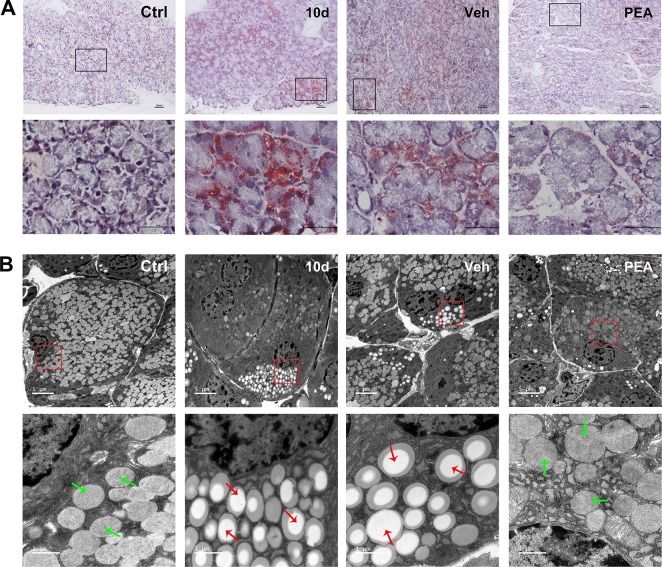
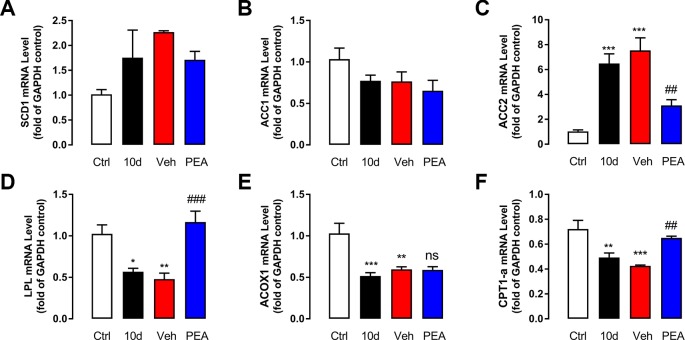
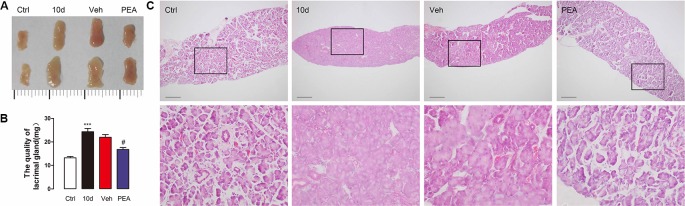
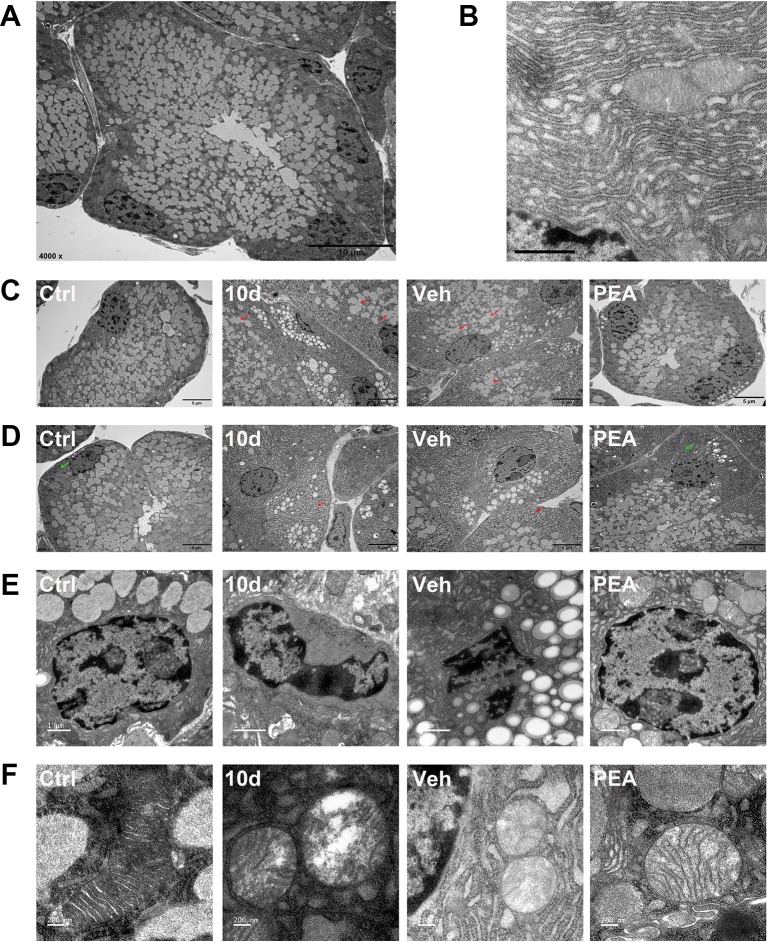
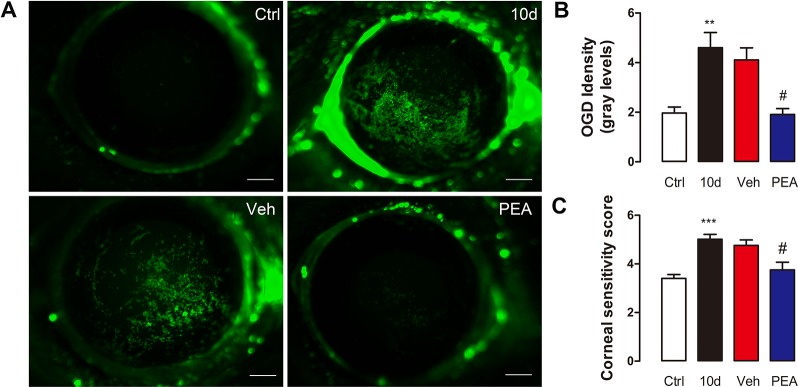
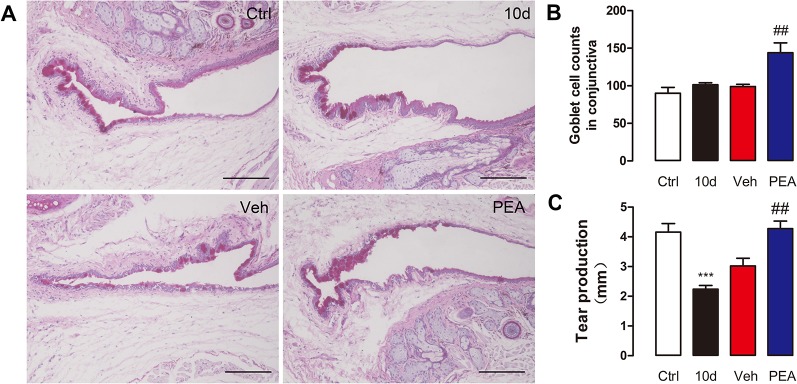
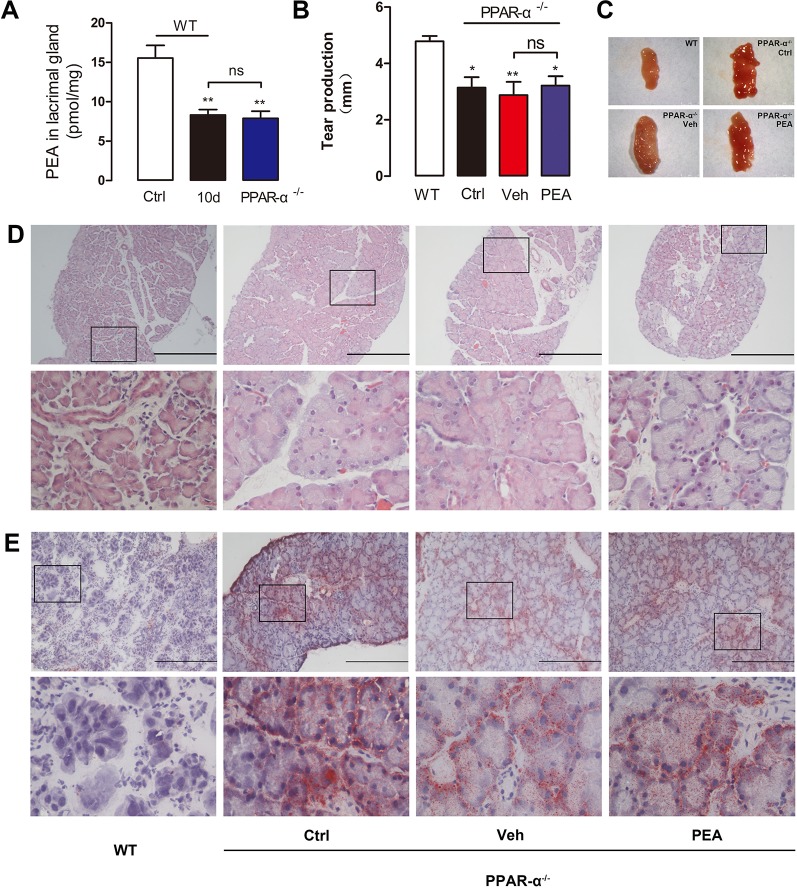
Sleep loss is a key factor associated with dry eye. Use of a "stick over water" mouse model revealed that sleep deprivation induces accumulation of lipids, hypertrophy, and dysfunction of the lacrimal gland. These changes result in decreased tear production and dry eye clinical signs. The specific pathophysiological mechanisms that contribute to dry eye remain unclear. In this study, we found that sleep deprivation decreased endogenous lipid palmitoylethanolamide (PEA) expression in the lacrimal gland. The reduced expression was mainly attributed to the decreased expression of -acylated phosphatidylethanolamine-phospholipase D, the synthetic enzyme of PEA. Exogenous PEA treatment restored local lipid metabolism homeostasis in the lacrimal gland. This change was accompanied by reduced lipid deposition, maintenance of the endoplasmic reticulum and mitochondrial morphology, and improved acinar cell secretory function. PEA treatment also prevented damage to corneal barrier function and improved the dry eye clinical signs caused by sleep deprivation. The nuclear receptor peroxisome proliferator-activated receptor-α (PPAR-α) was found to mediate the PEA-associated improvements. We describe here for the first time that PEA is involved in sleep deprivation-induced lacrimal gland pathogenesis and dry eye development. PEA and its metabolizing enzymes may serve as adjunctive therapeutic targets for treatment of dry eye.
睡眠不足是干眼症的一个关键相关因素。使用“水凝胶鼠标”模型发现,睡眠剥夺会导致泪腺脂质堆积、肥大及功能障碍。这些变化会导致泪液分泌减少和干眼症临床症状。导致干眼症的具体病理生理机制尚不清楚。在本研究中,我们发现睡眠剥夺会降低泪腺中内源性脂质棕榈酰乙醇胺(PEA)的表达。表达降低主要归因于PEA合成酶——N-酰基磷脂酰乙醇胺-磷脂酶D的表达减少。外源性PEA治疗可恢复泪腺局部脂质代谢稳态。这种变化伴随着脂质沉积减少、内质网和线粒体形态的维持以及腺泡细胞分泌功能的改善。PEA治疗还可预防角膜屏障功能受损,并改善睡眠剥夺引起的干眼症临床症状。发现核受体过氧化物酶体增殖物激活受体-α(PPAR-α)介导了与PEA相关的改善作用。我们首次在此描述PEA参与睡眠剥夺诱导的泪腺发病机制和干眼症发展。PEA及其代谢酶可能作为治疗干眼症的辅助治疗靶点。