Department of Genetics, University of Pennsylvania Perelman School of Medicine, Philadelphia, PA 19104, USA; Institute for Immunology, University of Pennsylvania Perelman School of Medicine, Philadelphia, PA 19104, USA; Epigenetics Institute, University of Pennsylvania Perelman School of Medicine, Philadelphia, PA 19104, USA; Institute for Diabetes, Obesity and Metabolism, University of Pennsylvania Perelman School of Medicine, Philadelphia, PA 19104, USA.
Department of Pathology and Laboratory Medicine, University of Pennsylvania Perelman School of Medicine, Philadelphia, PA 19104, USA; Abramson Family Cancer Research Institute, University of Pennsylvania Perelman School of Medicine, Philadelphia, PA 19104, USA.
Immunity. 2020 Feb 18;52(2):257-274.e11. doi: 10.1016/j.immuni.2020.01.003. Epub 2020 Feb 11.
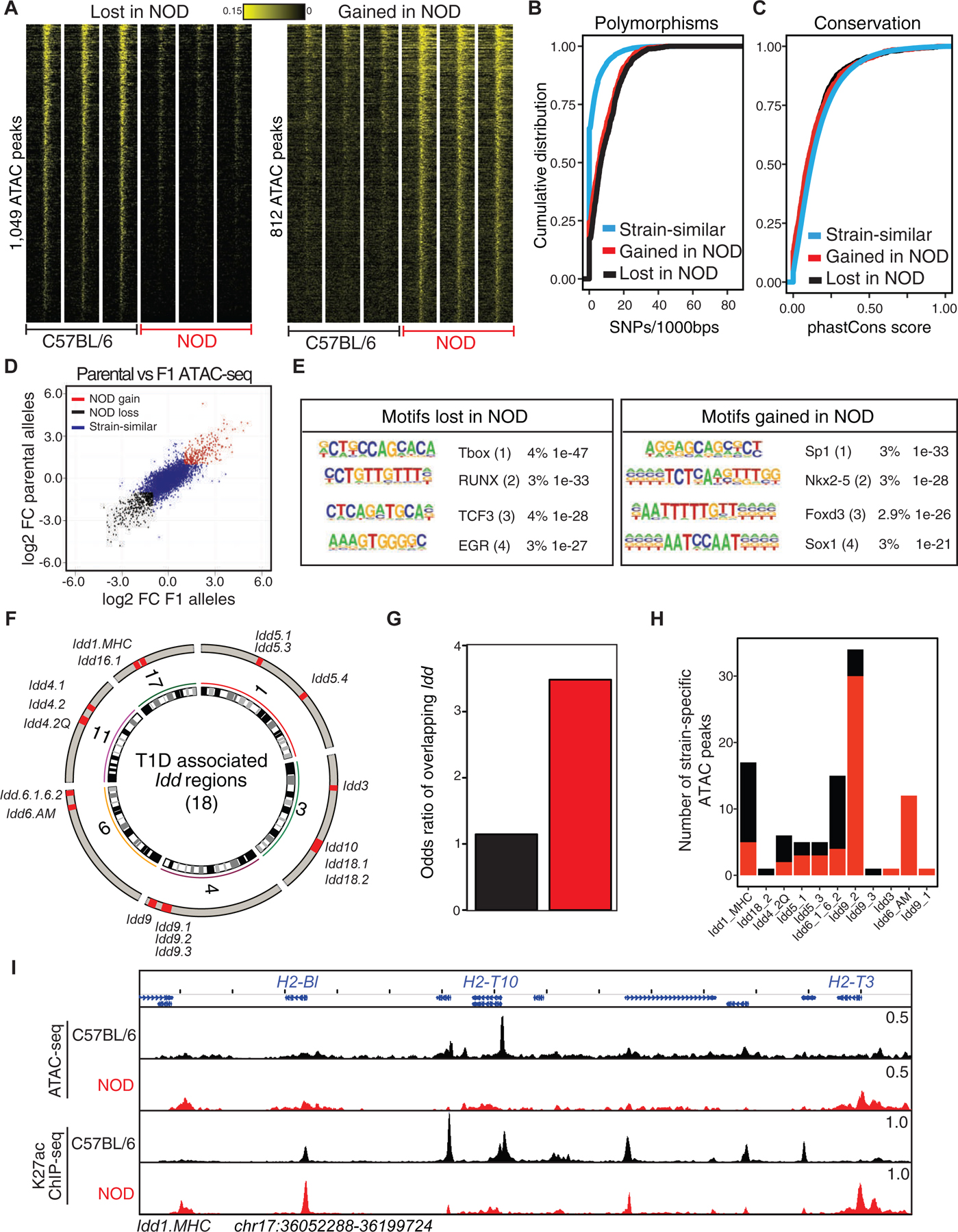
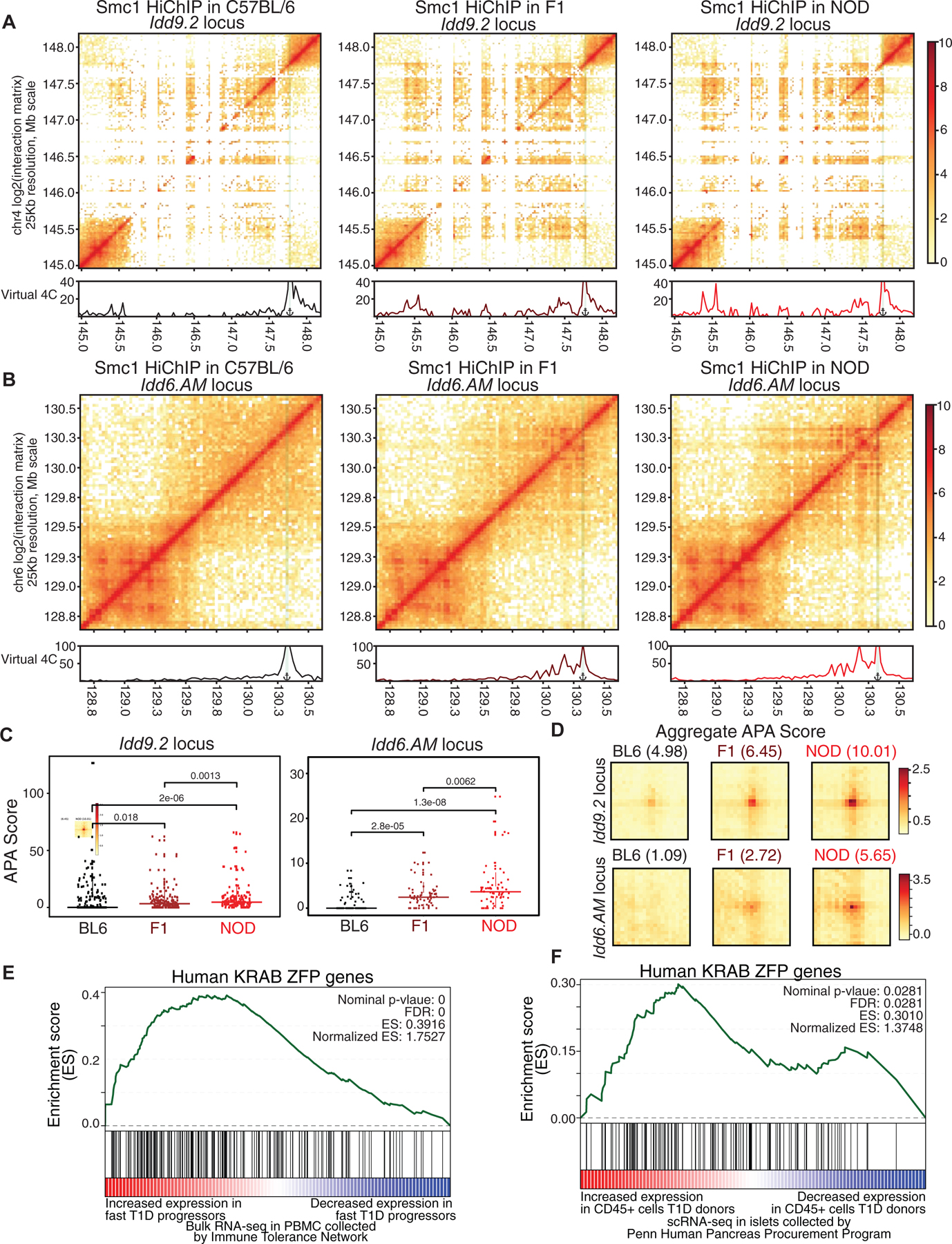
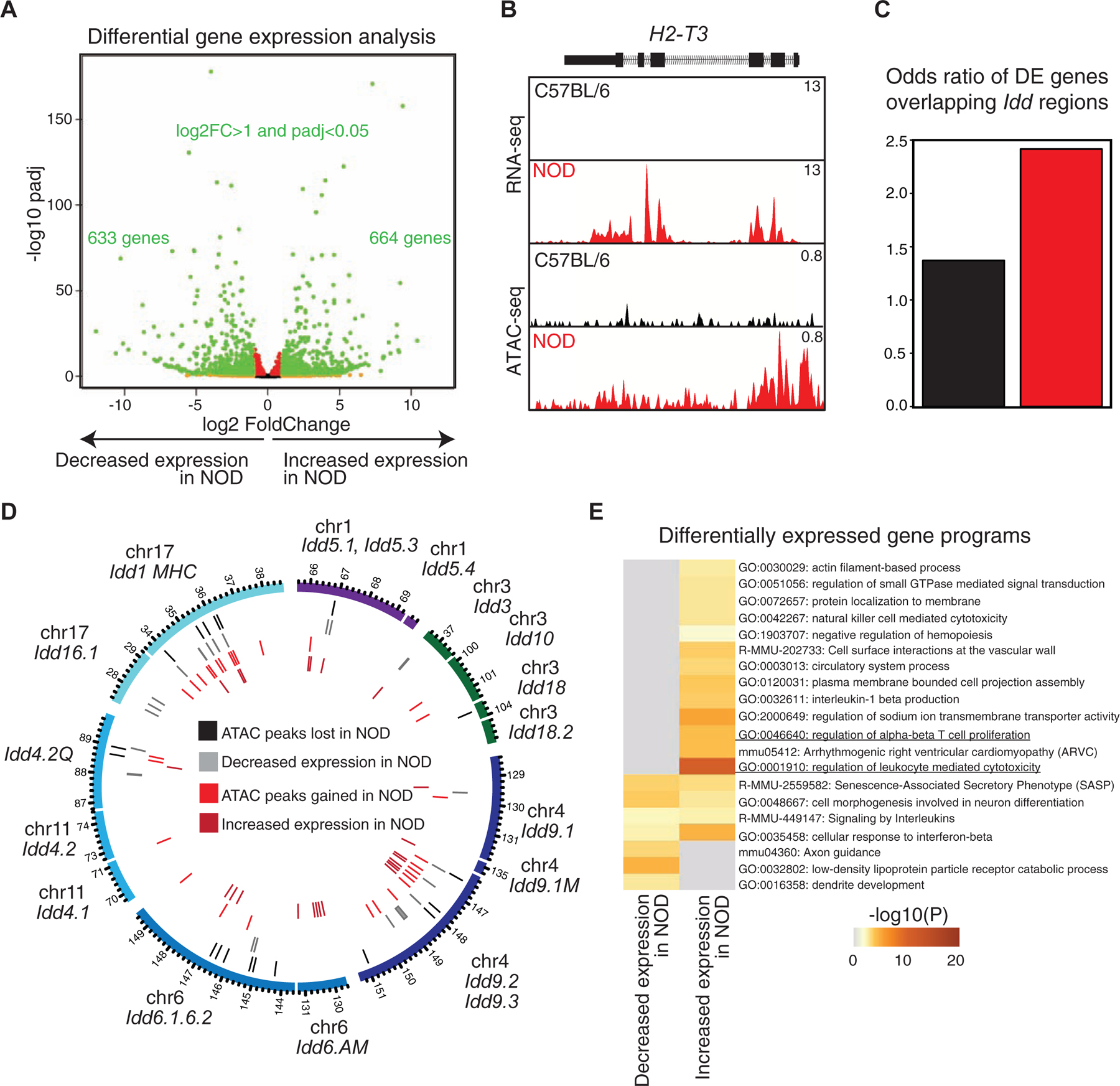
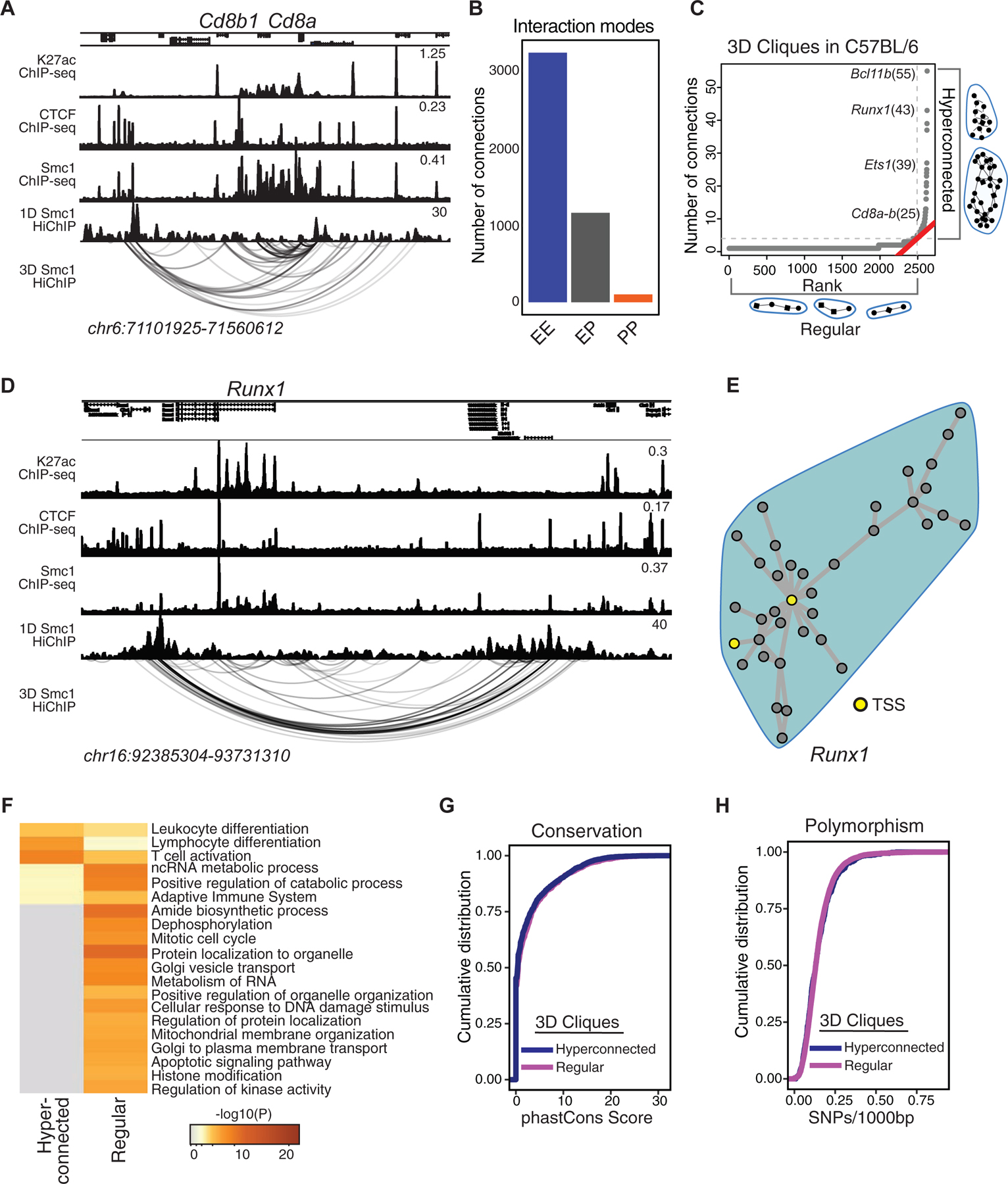
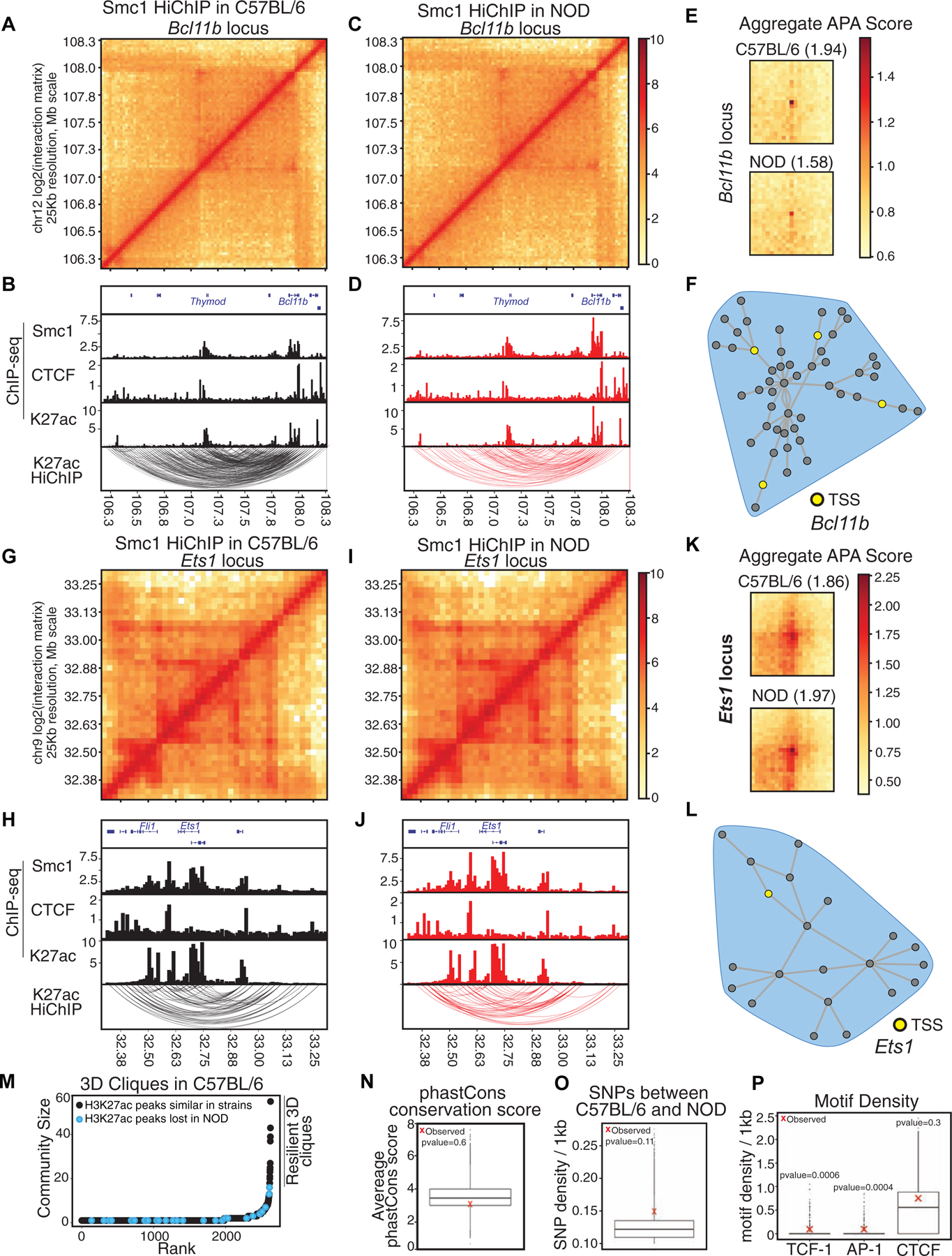
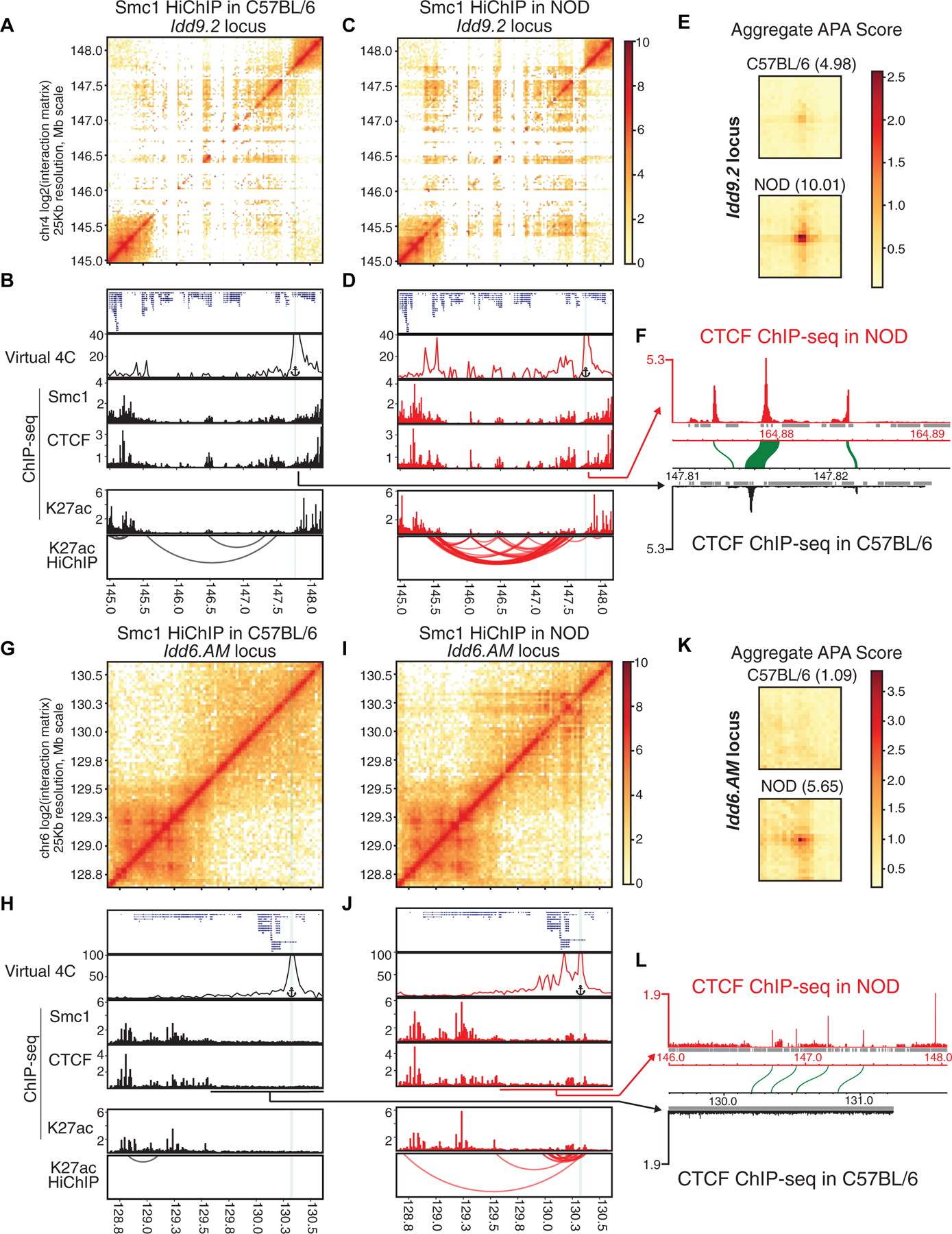
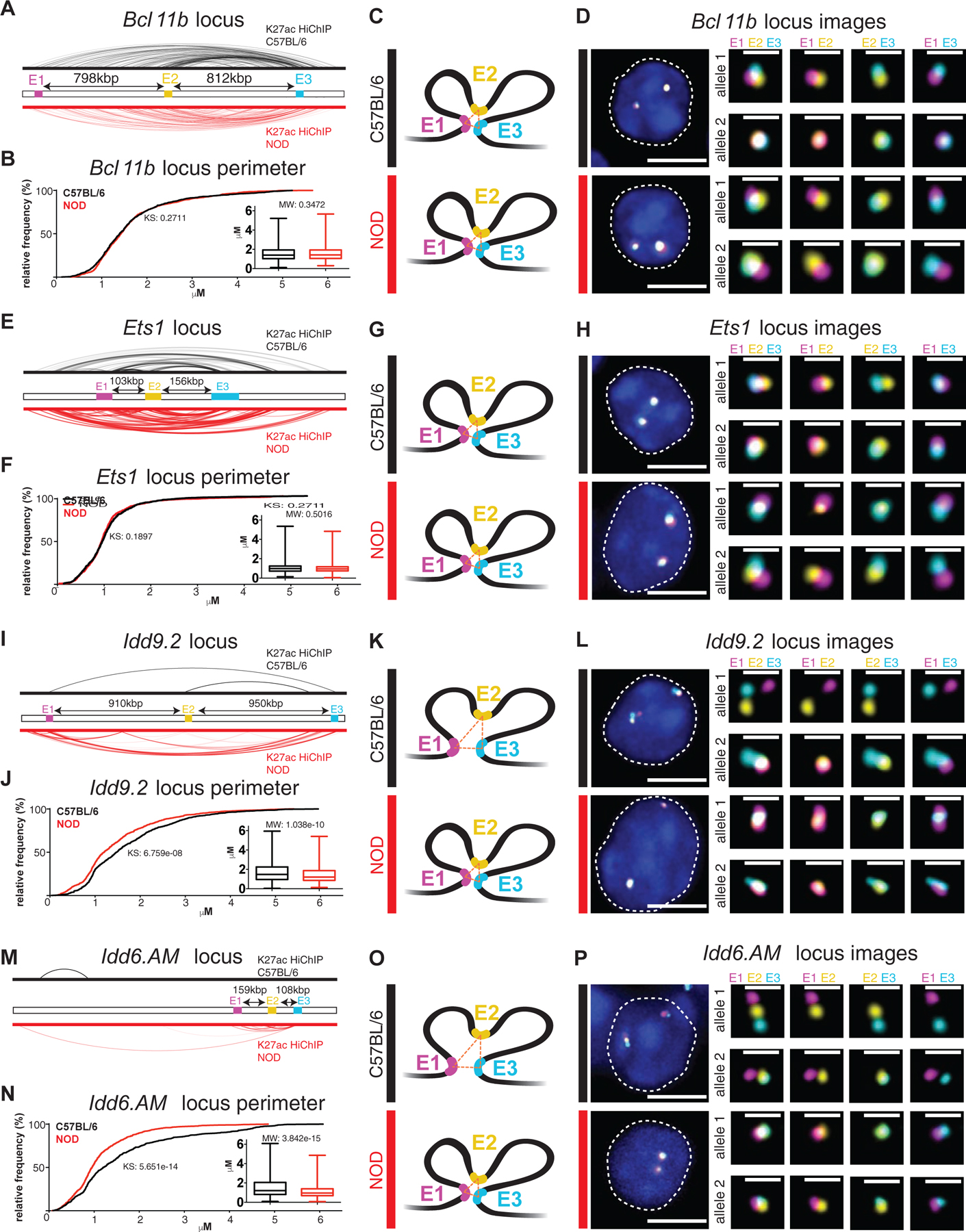
Genetics is a major determinant of susceptibility to autoimmune disorders. Here, we examined whether genome organization provides resilience or susceptibility to sequence variations, and how this would contribute to the molecular etiology of an autoimmune disease. We generated high-resolution maps of linear and 3D genome organization in thymocytes of NOD mice, a model of type 1 diabetes (T1D), and the diabetes-resistant C57BL/6 mice. Multi-enhancer interactions formed at genomic regions harboring genes with prominent roles in T cell development in both strains. However, diabetes risk-conferring loci coalesced enhancers and promoters in NOD, but not C57BL/6 thymocytes. 3D genome mapping of NODxC57BL/6 F1 thymocytes revealed that genomic misfolding in NOD mice is mediated in cis. Moreover, immune cells infiltrating the pancreas of humans with T1D exhibited increased expression of genes located on misfolded loci in mice. Thus, genetic variation leads to altered 3D chromatin architecture and associated changes in gene expression that may underlie autoimmune pathology.
遗传学是自身免疫性疾病易感性的主要决定因素。在这里,我们研究了基因组组织是否为序列变异提供了弹性或易感性,以及这将如何促成自身免疫性疾病的分子发病机制。我们在 1 型糖尿病(T1D)模型 NOD 小鼠和糖尿病抗性 C57BL/6 小鼠的胸腺细胞中生成了线性和 3D 基因组组织的高分辨率图谱。多增强子相互作用形成于在两种菌株的 T 细胞发育中起重要作用的基因所在的基因组区域。然而,糖尿病风险赋予基因座在 NOD 中凝聚了增强子和启动子,但在 C57BL/6 胸腺细胞中则没有。NODxC57BL/6 F1 胸腺细胞的 3D 基因组图谱显示,NOD 小鼠中的基因组错误折叠是顺式介导的。此外,人类 T1D 患者胰腺中浸润的免疫细胞表现出位于小鼠错误折叠基因座上的基因表达增加。因此,遗传变异导致 3D 染色质结构和相关基因表达的改变,这可能是自身免疫病理学的基础。