Grup de Sensors i Biosensors, Departament de Química, Universitat Autònoma de Barcelona, 08193 Bellaterra, Spain.
Laboratori d'Immunologia Cel·lular, Institut de Biotecnologia i Biomedicina, Universitat Autònoma de Barcelona, 08193 Bellaterra, Spain.
Sensors (Basel). 2020 Feb 11;20(4):965. doi: 10.3390/s20040965.
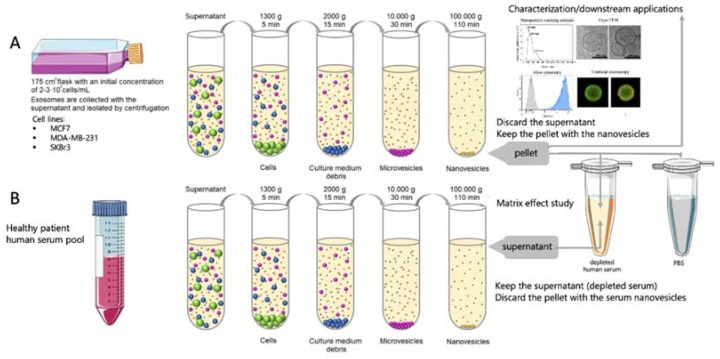
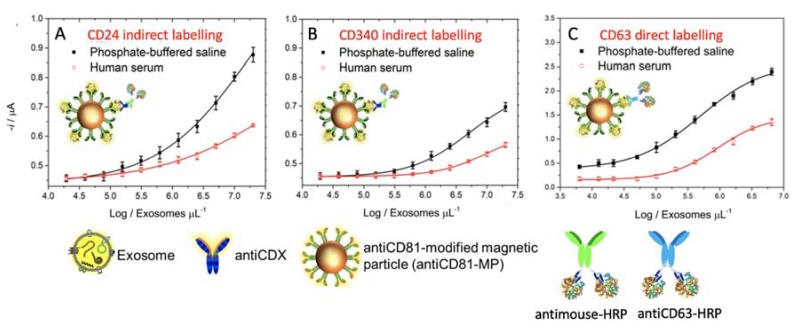
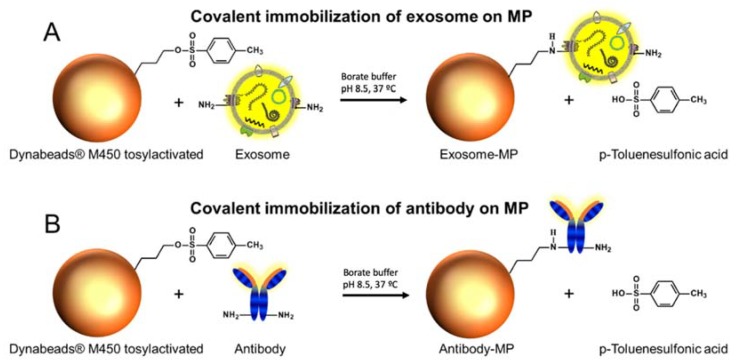
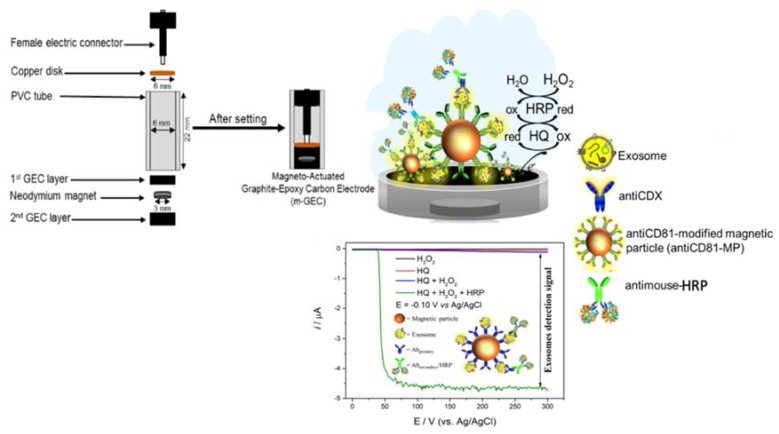
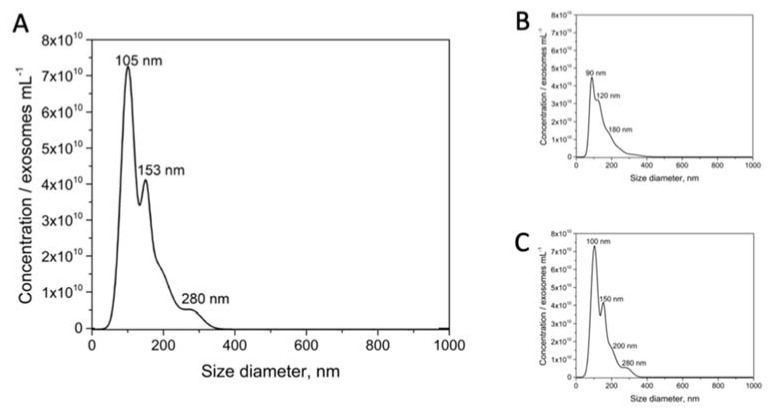
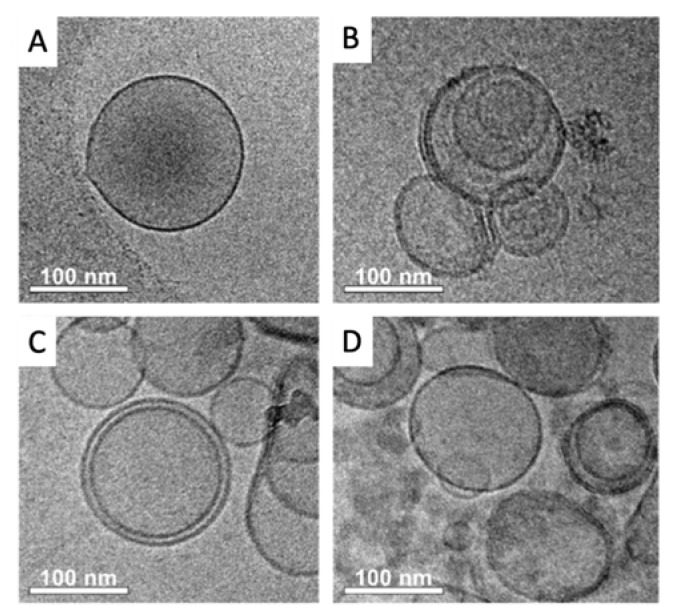
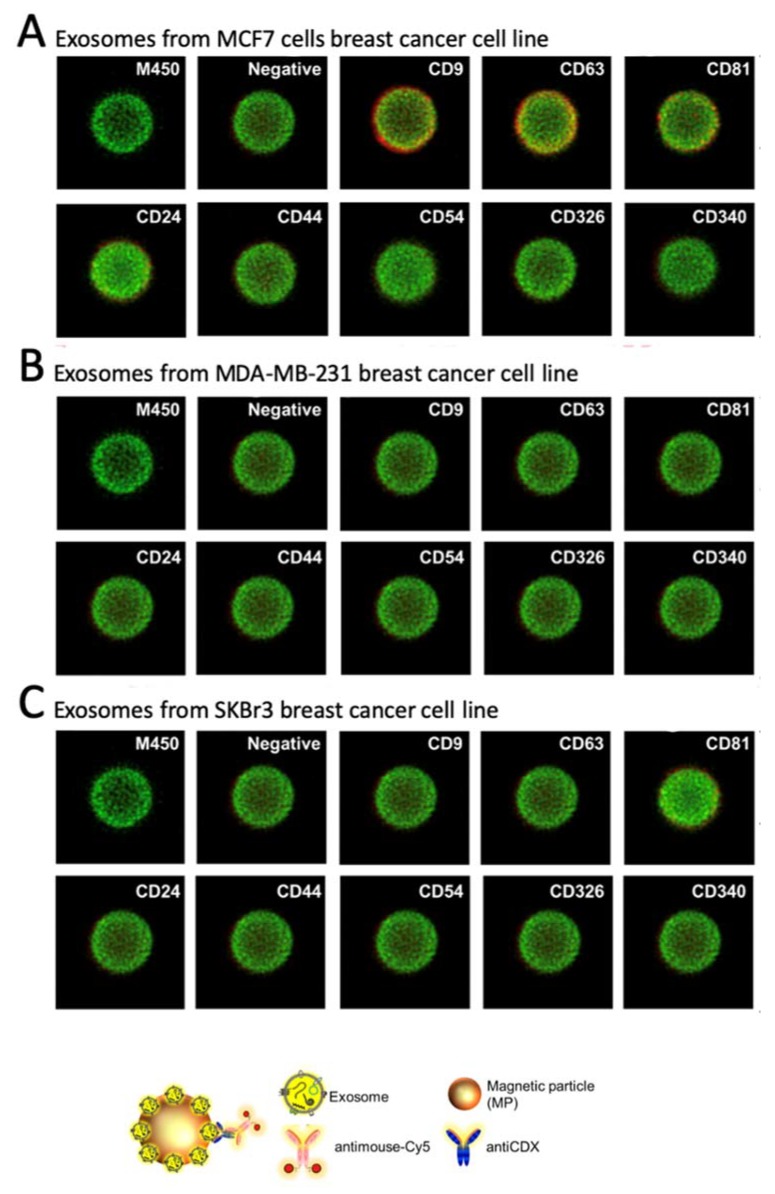
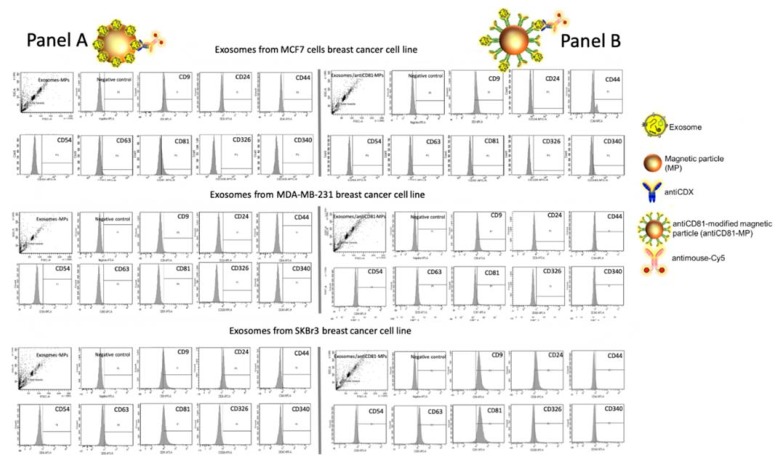
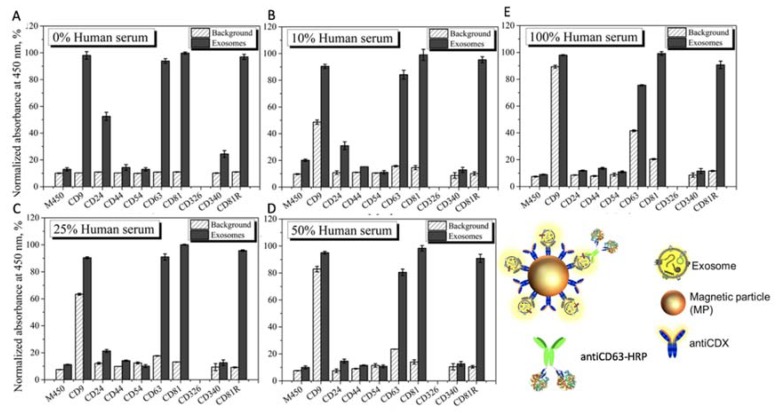
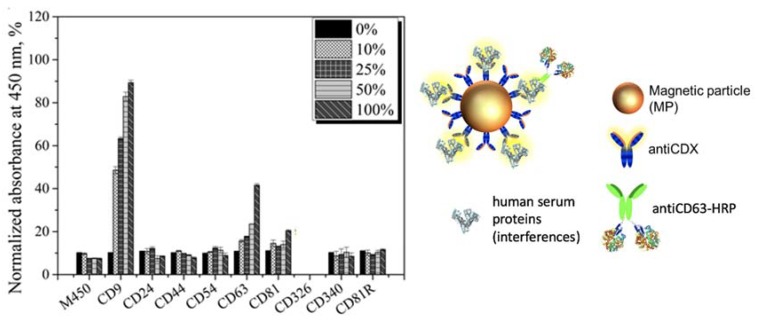
Exosomes are cell-derived nanovesicles released into biological fluids, which are involved in cell-to-cell communication. The analysis of the content and the surface of the exosomes allow conclusions about the cells they are originating from and the underlying condition, pathology or disease. Therefore, the exosomes are currently considered good candidates as biomarkers to improve the current methods for clinical diagnosis, including cancer. However, due to their low concentration, conventional procedures for exosome detection including biosensing usually require relatively large sample volumes and involve preliminary purification and preconcentration steps by ultracentrifugation. In this paper, the immunomagnetic separation is presented as an alternative method for the specific isolation of exosomes in serum. To achieve that, a rational study of the surface proteins in exosomes, which can be recognized by magnetic particles, is presented. The characterization was performed in exosomes obtained from cell culture supernatants of MCF7, MDA-MB-231 and SKBR3 breast cancer cell lines, including TEM and nanoparticle tracking analysis (NTA). For the specific characterization by flow cytometry and confocal microscopy, different commercial antibodies against selected receptors were used, including the general tetraspanins CD9, CD63 and CD81, and cancer-related receptors (CD24, CD44, CD54, CD326 and CD340). The effect of the serum matrix on the immunomagnetic separation was then carefully evaluated by spiking the exosomes in depleted human serum. Based on this study, the exosomes were preconcentrated by immunomagnetic separation on antiCD81-modified magnetic particles in order to achieve further magnetic actuation on the surface of the electrode for the electrochemical readout. The performance of this approach is discussed and compared with classical characterization methods.
外泌体是一种细胞衍生的纳米囊泡,释放到生物体液中,参与细胞间通讯。对外泌体的内容物和表面进行分析,可以得出它们所源自的细胞以及潜在的情况、病理学或疾病的结论。因此,外泌体目前被认为是改善当前临床诊断方法(包括癌症)的良好生物标志物候选物。然而,由于其浓度较低,包括用于癌症检测的生物传感器在内的常规外泌体检测方法通常需要相对较大的样本量,并涉及通过超速离心进行初步的纯化和预浓缩步骤。在本文中,免疫磁分离被提出作为一种替代方法,用于在血清中特异性分离外泌体。为了实现这一目标,本文对外泌体表面蛋白进行了合理的研究,这些蛋白可以被磁性颗粒识别。通过 MCF7、MDA-MB-231 和 SKBR3 乳腺癌细胞系的细胞培养上清液中获得的外泌体进行了 TEM 和纳米颗粒跟踪分析 (NTA) 等表征。为了通过流式细胞术和共聚焦显微镜进行特异性表征,使用了不同的针对选定受体的商业抗体,包括通用四跨膜蛋白 CD9、CD63 和 CD81,以及与癌症相关的受体(CD24、CD44、CD54、CD326 和 CD340)。然后,通过在耗尽的人血清中掺入外泌体,仔细评估了血清基质对外泌体免疫磁分离的影响。在此基础上,通过免疫磁分离在外泌体上进行预浓缩,以实现进一步的磁性作用,用于在外泌体表面的电极上进行电化学读出。讨论了这种方法的性能,并与经典的表征方法进行了比较。