Grace Ng C F, Henry Christiani Jeyakumar
Clinical Nutrition Research Centre (CNRC), Agency for Science, Technology and Research (A*STAR), 14 Medical Drive, Singapore 117599, Singapore.
Department of Biochemistry, Yong Loo Lin School of Medicine, National University of Singapore, 8 Medical Drive, Singapore 117596, Singapore.
Foods. 2020 Feb 12;9(2):182. doi: 10.3390/foods9020182.
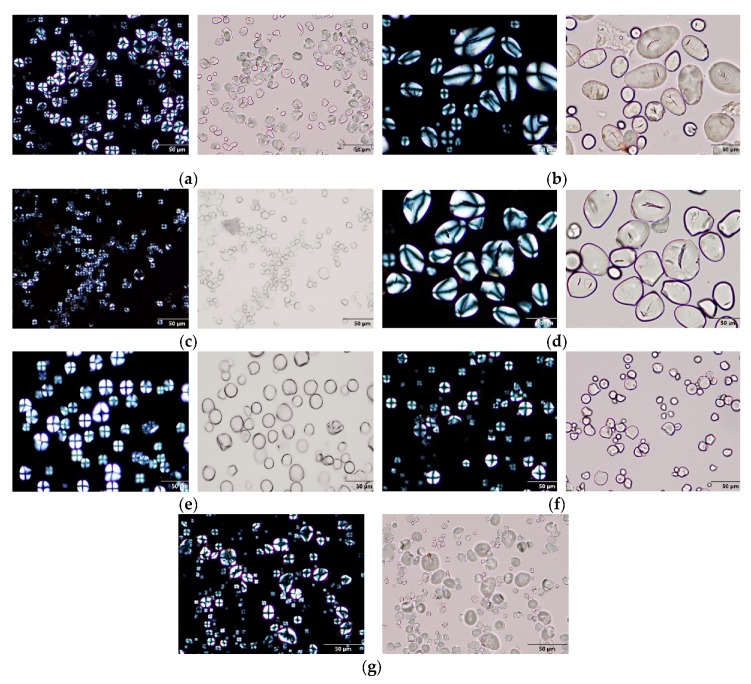
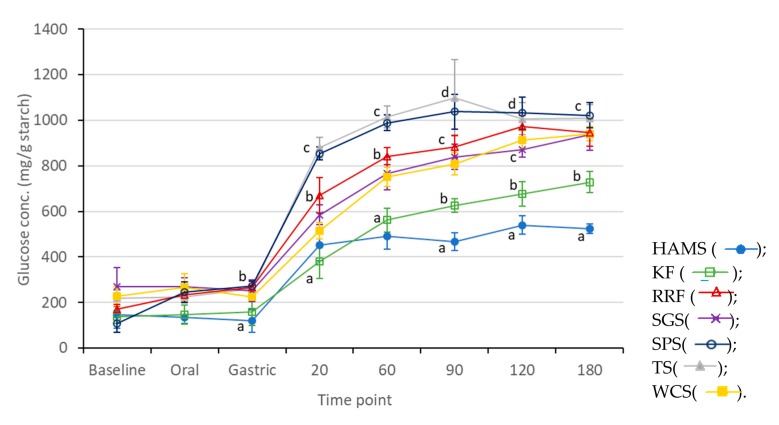
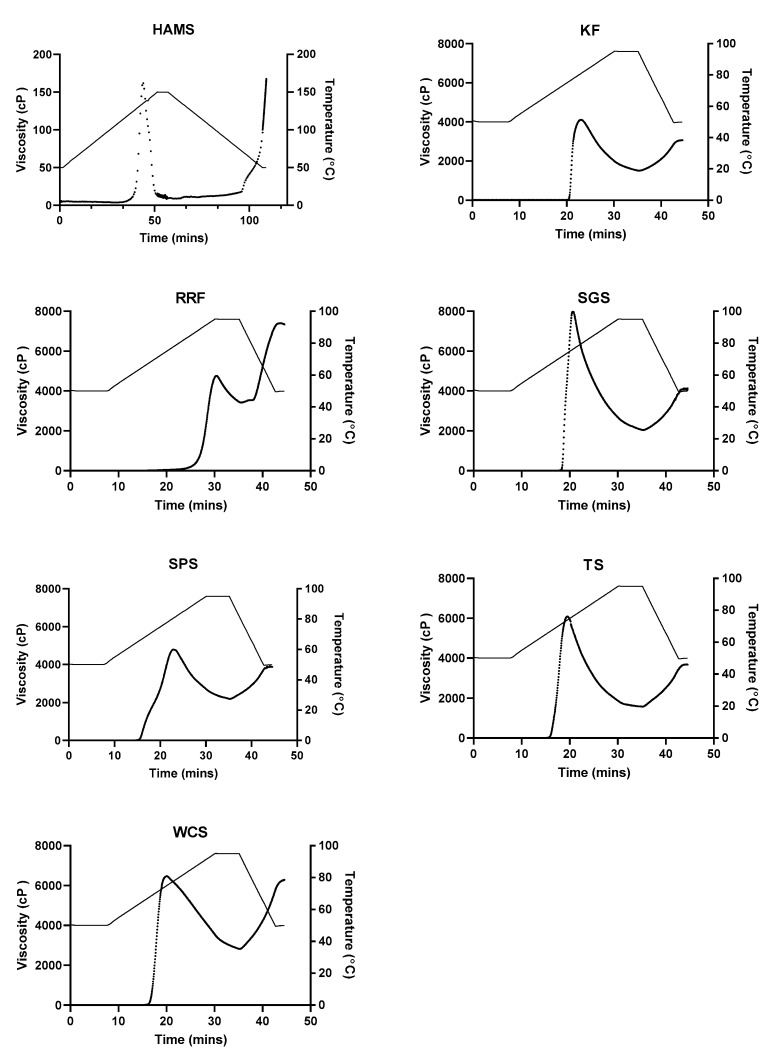
Starches and flours used commonly in Asia (tapioca, sweet potato, sago, water chestnut, and high amylose maize starch, red rice and kithul flour) were characterized in terms of their chemical composition, morphological, functional, pasting, thermal, gelling and in vitro digestibility properties. It was observed that the differences in their chemical composition and structure influenced their properties. High amylose maize was the most stable, thus it required the highest gelatinization temperature which was observed in both the differential scanning calorimetry (DSC) and pasting profiles. Kithul flour had a significantly lower rate of digestion ( < 0.05) than the other samples (except for high amylose maize starch). Unlike high amylose maize starch, it had a gelatinization temperature that could be achieved during cooking, and had good gelling properties.
对亚洲常用的淀粉和面粉(木薯淀粉、红薯、西米、荸荠以及高直链玉米淀粉、红米和基突尔面粉)的化学成分、形态、功能、糊化、热学、凝胶化和体外消化特性进行了表征。观察到它们的化学成分和结构差异影响了其特性。高直链玉米淀粉最稳定,因此在差示扫描量热法(DSC)和糊化曲线中都观察到其糊化温度最高。基突尔面粉的消化率明显低于其他样品(高直链玉米淀粉除外)(P<0.05)。与高直链玉米淀粉不同,它的糊化温度在烹饪过程中即可达到,并且具有良好的凝胶化特性。