Li Xu, Li Lu, Shi Yuequan, Yu Sihan, Ma Xiaochun
Department of Critical Care Medicine, the First Affiliated Hospital, China Medical University, North Nanjing Street 155, Shenyang, 110001 Liaoning Province People's Republic of China.
J Inflamm (Lond). 2020 Feb 10;17:5. doi: 10.1186/s12950-020-0238-7. eCollection 2020.
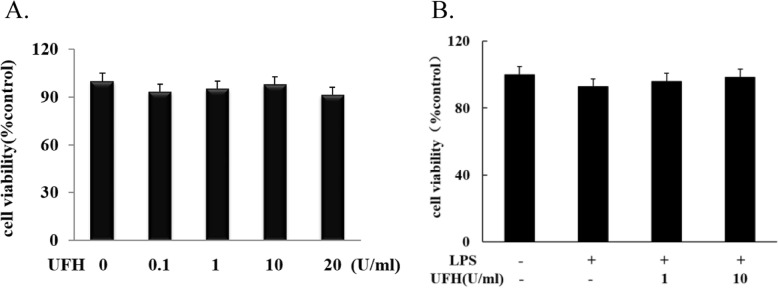
There is a complex interplay between inflammatory response and coagulation in sepsis. Heparin is used as a recognized anticoagulant and possesses multiple biological properties that possibly affect sepsis. This study aimed to determine the possible signaling pathways involved in the anti-inflammatory effects of unfractionated heparin (UFH) on lipopolysaccharide (LPS)-stimulated human pulmonary microvascular endothelial cells (HPMECs).
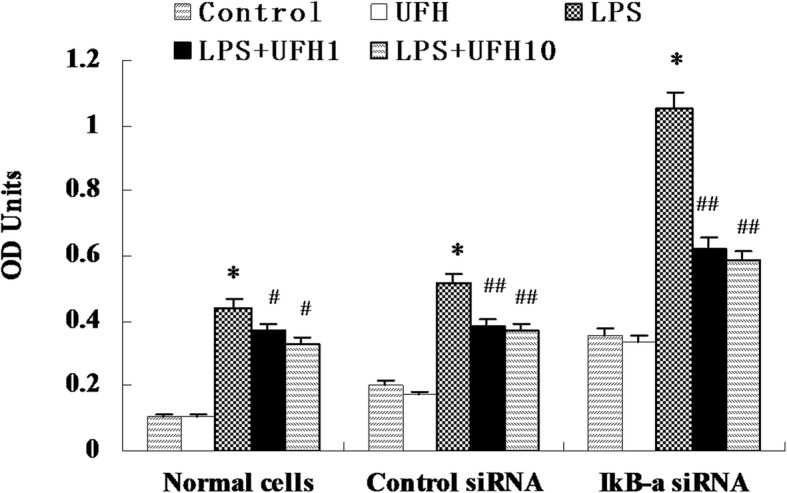
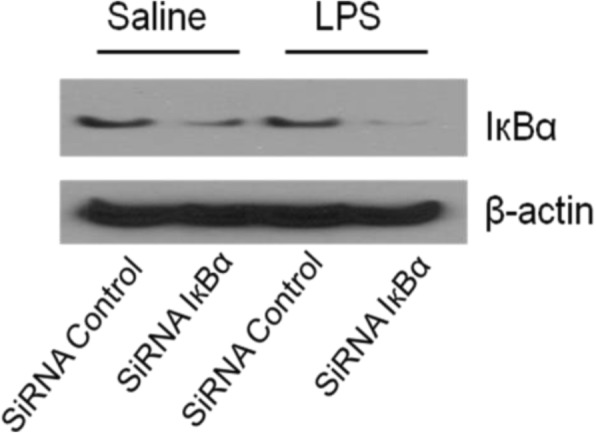
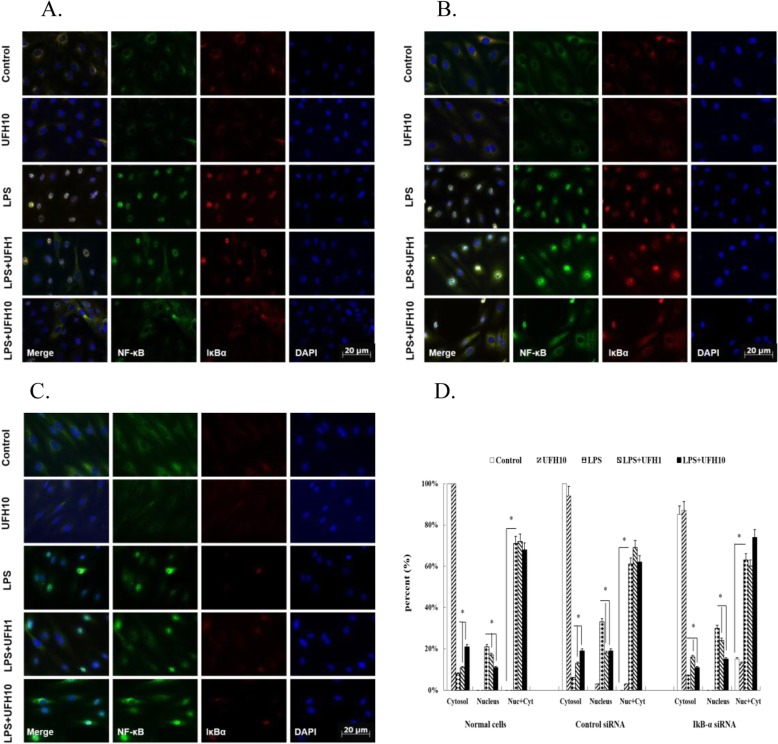
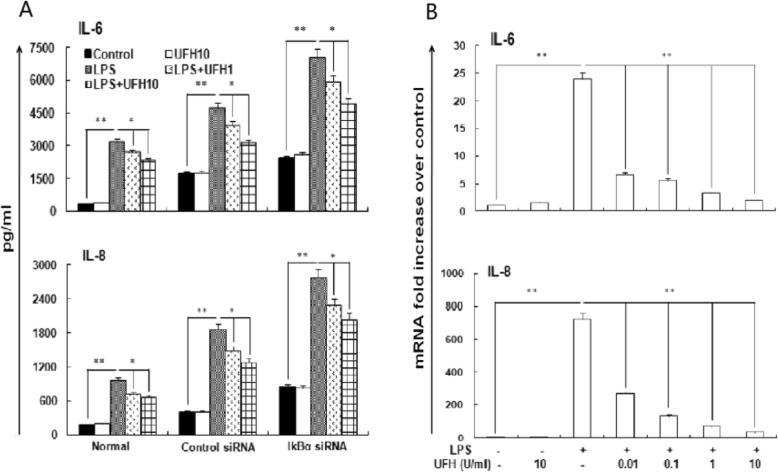
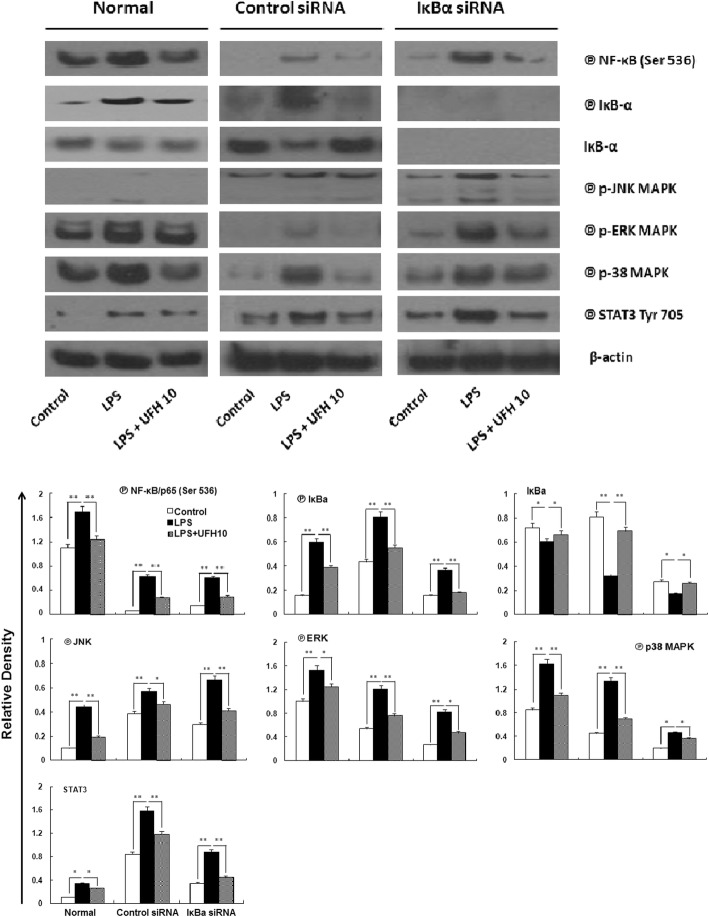
HPMECs were transfected with siRNA targeting IκB-α. Cells were treated with UFH (0.01 U/ml~ 10 U/ml) 15 min before adding LPS (10 μg/ml). We detected the markers of systemic inflammatory response. Release of interleukin (IL)-6, IL-8 were evaluated at 3 h by ELISA and at 1 h by qRT-PCR. After 1 h, nuclear factor-κB (NF-κB) as well as phosphorylated inhibitor κB-α (IκB-α), signal transducer and activator of transcription-3 (STAT3) and ERK1/2, JNK, p38 mitogen-activated protein kinase (MAPK) expressions were evaluated by Western blot. DNA binding was conducted to further prove the activation of NF-κB pathway.
In HPMECs, UFH obviously inhibited LPS-stimulated production of IL-6 and IL-8, especially in 10 U/ml. UFH inhibited LPS-induced phosphorylation of IκB-α, ERK1/2, JNK, p38 MAPK and STAT3. UFH also suppressed LPS-stimulated nuclear translocation of NF-κB. Importantly, transfection with siRNA targeting IκB-α induced more obvious inflammatory response. UFH suppressed cytokines production and phosphorylation of different signaling pathways in IκB-α silencing cells.
These results demonstrate that UFH exerts the anti-inflammatory effects on LPS-stimulated HPMECs by different signaling pathways.
脓毒症中炎症反应与凝血之间存在复杂的相互作用。肝素作为一种公认的抗凝剂,具有多种可能影响脓毒症的生物学特性。本研究旨在确定普通肝素(UFH)对脂多糖(LPS)刺激的人肺微血管内皮细胞(HPMECs)抗炎作用所涉及的可能信号通路。
用靶向IκB-α的小干扰RNA(siRNA)转染HPMECs。在加入LPS(10μg/ml)前15分钟用UFH(0.01U/ml~10U/ml)处理细胞。我们检测全身炎症反应标志物。通过酶联免疫吸附测定(ELISA)在3小时时以及通过实时定量聚合酶链反应(qRT-PCR)在1小时时评估白细胞介素(IL)-6、IL-8的释放。1小时后,通过蛋白质免疫印迹法评估核因子-κB(NF-κB)以及磷酸化的抑制蛋白κB-α(IκB-α)、信号转导子和转录激活子-3(STAT3)以及细胞外信号调节激酶1/2(ERK1/2)、应激活化蛋白激酶(JNK)、p38丝裂原活化蛋白激酶(MAPK)的表达。进行DNA结合实验以进一步证实NF-κB通路的激活。
在HPMECs中,UFH明显抑制LPS刺激的IL-6和IL-8的产生,尤其是在10U/ml时。UFH抑制LPS诱导的IκB-α、ERK1/2、JNK、p-38 MAPK和STAT3的磷酸化。UFH还抑制LPS刺激的NF-κB核转位。重要的是,用靶向IκB-α的siRNA转染诱导了更明显的炎症反应。UFH抑制IκB-α沉默细胞中细胞因子的产生和不同信号通路的磷酸化。
这些结果表明,UFH通过不同的信号通路对LPS刺激的HPMECs发挥抗炎作用。